
Nestled along a dramatic stretch of the Central Coast of California, Big Sur is more than just a destination; it is an experience, a state of mind, and a testament to nature’s awe-inspiring power. Often described as one of the most beautiful coastlines in the world, this rugged, mountainous region where the Santa Lucia Mountains plunge precipitously into the Pacific Ocean has captivated artists, writers, and travelers for generations. It is a place where towering redwood forests meet dramatic cliffs, where mist-shrouded canyons open to breathtaking ocean vistas, and where the raw majesty of the landscape invites profound introspection and adventure. Defining Big Sur requires more than simply pinpointing it on a map; it demands an understanding of its unique geology, its vibrant ecosystem, and the profound sense of escape it offers from the ordinary.
An Overview of Big Sur’s Enchantment
Big Sur encompasses approximately 90 miles of Highway 1, stretching from just south of Carmel-by-the-Sea to beyond San Simeon. This iconic coastal drive, an engineering marvel in itself, serves as the primary artery through this wild and untamed paradise. It is a region characterized by its majestic scale and profound solitude, a place where development is intentionally minimal, preserving its pristine beauty for all who visit.
Geographical Splendor and Coastal Grandeur
The geographical features of Big Sur are nothing short of spectacular. The Santa Lucia Mountains rise sharply from the sea, creating a series of steep canyons, dense forests, and high ridges. This dramatic topography is the result of millennia of tectonic activity, with the San Andreas Fault running nearby, shaping the landscape into its current, rugged form. The coastline itself is a dynamic interplay of rocky coves, secluded beaches, and dramatic sea stacks carved by the relentless waves of the Pacific. Further inland, ancient redwood groves stand sentinel, their colossal presence adding another layer of awe to the already stunning scenery. The combination of mountains, forest, and ocean creates a microclimate that can shift dramatically within a few miles, offering a diverse range of natural experiences, from misty coastal fogs to warm, sun-drenched clearings.
A Legacy of Preservation
The untamed nature of Big Sur is no accident; it is the result of dedicated efforts to preserve its unique character. Much of the land is protected within state parks and national forests, limiting commercial development and ensuring that the natural environment remains dominant. This commitment to preservation dates back decades, with local communities and environmental organizations working tirelessly to maintain the delicate balance between accessibility for visitors and the protection of its fragile ecosystems. The result is a destination that feels wild and untouched, a sanctuary where visitors can truly disconnect and immerse themselves in the raw power of nature. This legacy is crucial to understanding “what Big Sur is”—a place intentionally kept natural, where the hand of man is minimal and respectful.
Iconic Attractions and Natural Wonders
While the entire drive along Highway 1 through Big Sur is an attraction in itself, several key landmarks and natural sites stand out, drawing visitors to pause, explore, and marvel. These points of interest encapsulate the diverse beauty and geological significance of the region.
Bixby Bridge: An Architectural Marvel
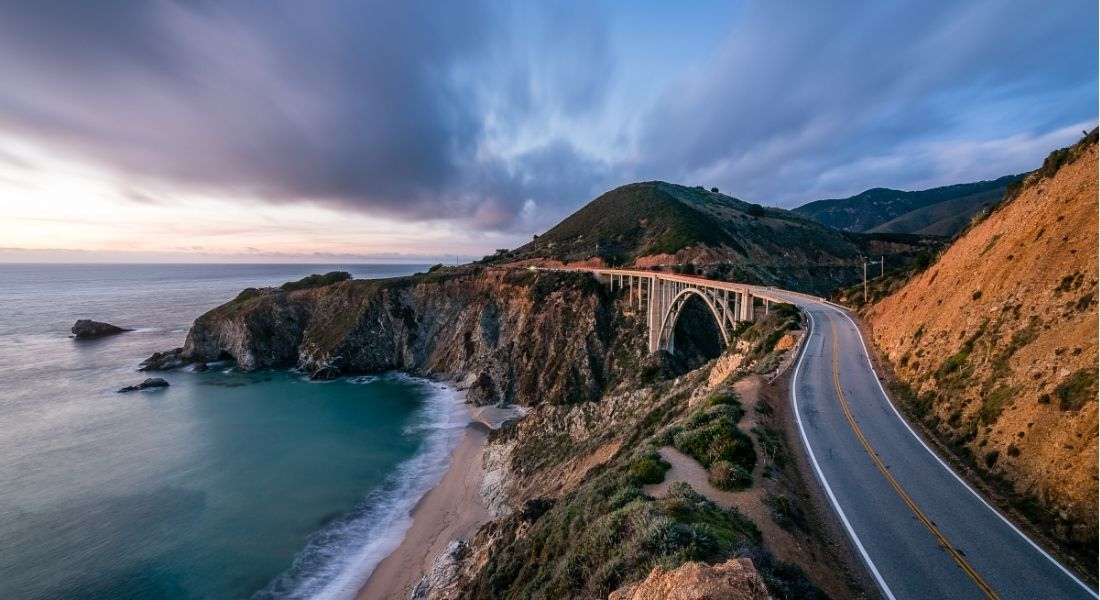
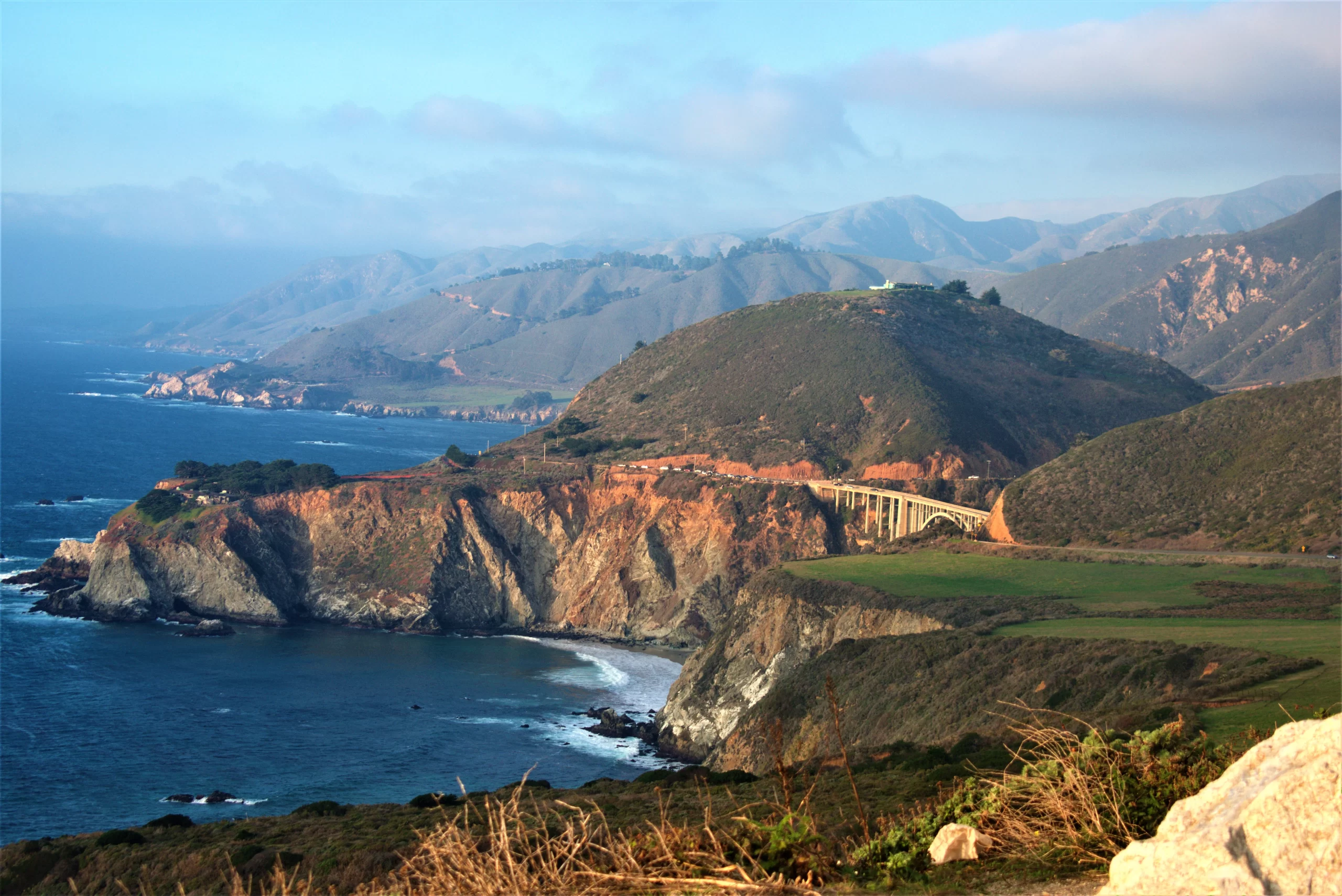
One of the most photographed bridges in California, the Bixby Bridge is an engineering masterpiece that perfectly complements its dramatic surroundings. Built in 1932, this concrete open-spandrel arch bridge spans a deep canyon, offering breathtaking views of the Pacific Ocean and the rugged coastline. Its elegant arch against the backdrop of crashing waves and sheer cliffs has made it an enduring symbol of Big Sur. A stop at one of the overlooks near the bridge is essential for capturing its grandeur and appreciating the ingenuity required to construct Highway 1 through such challenging terrain.
Pfeiffer Big Sur State Park: Redwoods and Rivers
Known as “mini-Yosemite” for its diverse landscape of redwood groves, hiking trails, and the Big Sur River, Pfeiffer Big Sur State Park offers a refreshing contrast to the expansive ocean views. Here, visitors can wander beneath ancient coastal redwoods, some reaching hundreds of feet into the sky, creating a cathedral-like canopy. The Big Sur River meanders through the park, offering opportunities for wading and picnicking. The park serves as a gateway to numerous hiking trails, ranging from easy strolls to challenging ascents that reward hikers with panoramic views of the surrounding wilderness.
Julia Pfeiffer Burns State Park: McWay Falls and Ocean Views
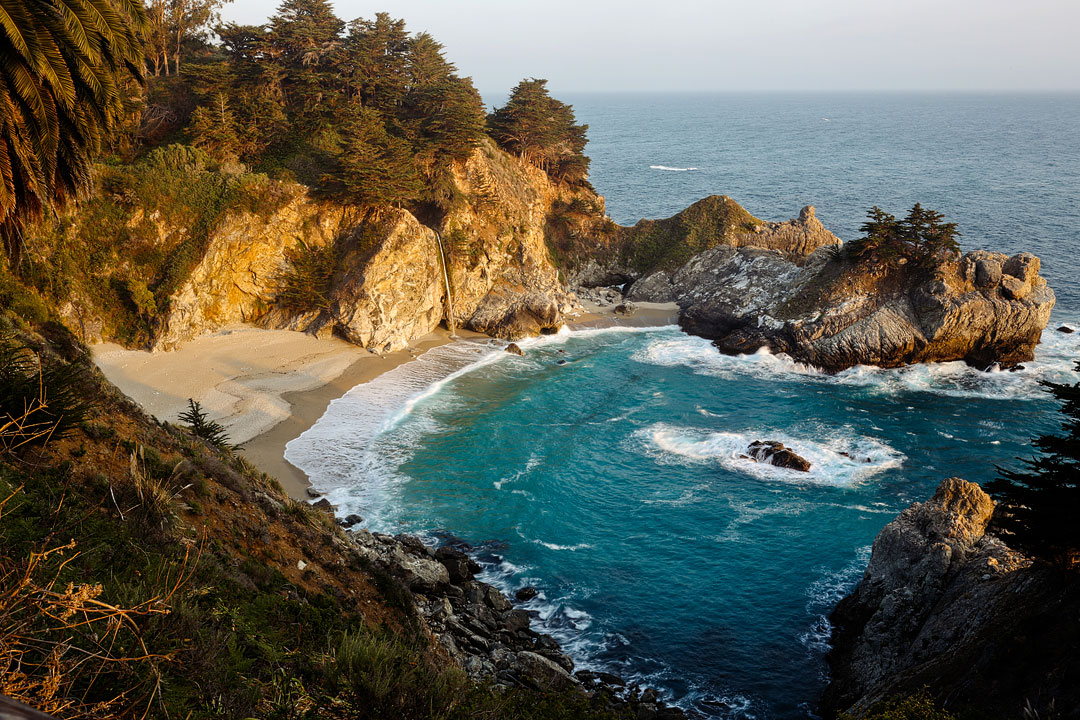
Further south, Julia Pfeiffer Burns State Park is home to perhaps Big Sur’s most iconic waterfall, McWay Falls. This 80-foot waterfall cascades year-round from a granite cliff onto a pristine sandy cove or directly into the ocean at high tide, a truly mesmerizing sight. A short, accessible trail leads to an overlook providing unobstructed views of the falls and the turquoise cove. The park also offers other trails that wind through redwood groves and offer stunning coastal vistas, epitomizing the seamless blend of forest and ocean that defines Big Sur’s allure.
Garrapata State Park: Rugged Beauty and Seclusion
For those seeking a more rugged and less crowded experience, Garrapata State Park presents an unspoiled slice of the Big Sur coastline. With its dramatic cliffs, secluded coves like Garrapata Beach, and hillsides covered in diverse flora, including California poppies and calla lilies in spring, it offers a raw and invigorating connection to the natural environment. Hiking trails here provide stunning views of the Pacific and offer opportunities for wildlife viewing, from migrating whales to various bird species.
The Big Sur Experience: Beyond the Viewpoints
While the scenic overlooks are undeniably captivating, the true essence of Big Sur lies in immersing oneself in its natural splendor and embracing its unique rhythm. It’s a place that encourages exploration, contemplation, and a deep appreciation for the wild.
Scenic Drives and Coastal Exploration
The drive along Highway 1 is the quintessential Big Sur experience. Every curve reveals a new panorama, from dramatic sea cliffs to hidden coves. Taking your time, pulling over at numerous vista points, and simply soaking in the expansive views are crucial. It’s not just about getting from point A to point B, but about the journey itself. Driving from north to south often provides better ocean views, as pull-offs are typically on the ocean side of the highway. This careful progression allows visitors to fully absorb the shifting landscapes and the profound sense of scale.
Hiking Trails for Every Adventurer
Beyond the roadside attractions, a vast network of hiking trails delves into the heart of Big Sur’s wilderness. From leisurely walks through sun-dappled redwood groves in Andrew Molera State Park to strenuous treks up mountain ridges offering sweeping ocean and canyon views, there is a trail for every fitness level and interest. Popular hikes include the Partington Cove Trail, leading to a historic redwood-lined tunnel and a beautiful cove, and trails within Pfeiffer Big Sur State Park that explore waterfalls and riparian habitats. These trails provide an intimate connection to the diverse ecosystems of Big Sur, allowing visitors to truly breathe in its wild beauty.
Art, Culture, and Local Charms
Despite its remote nature, Big Sur has long been a magnet for artists, writers, and free spirits. This bohemian legacy continues today, with several galleries and unique establishments dotting the coastline. The Henry Miller Memorial Library, dedicated to the controversial author who lived in Big Sur for years, is a cultural hub offering literary events, music, and a charming bookstore. Local restaurants and cafes, though few, often emphasize fresh, local ingredients and offer unparalleled views, providing a taste of the region’s culinary philosophy. These cultural pockets add a human dimension to the overwhelming natural beauty, reminding visitors of the enduring inspiration Big Sur has offered to creative minds.
Embracing Tranquility and Digital Detox
One of the most profound aspects of the Big Sur experience is the opportunity for a digital detox. Cell service is notoriously spotty, and Wi-Fi is often limited, encouraging visitors to disconnect from screens and reconnect with their surroundings. This forced unplugging fosters a deeper appreciation for the present moment, allowing for quiet contemplation, stargazing under incredibly dark skies, and simply listening to the sounds of nature—the crashing waves, the rustling of leaves, the call of seabirds. It’s a place where the grandeur of the landscape naturally diminishes the importance of daily worries, offering a rare chance for true tranquility.
Planning Your Journey to Big Sur
A trip to Big Sur requires careful planning to maximize enjoyment and ensure a safe, respectful visit. Understanding the practicalities enhances the overall experience of this unique destination.
Best Times to Visit
The weather in Big Sur can be unpredictable, but generally, spring (April to May) and fall (September to November) offer the most pleasant conditions, with clearer skies and fewer crowds. Spring brings vibrant wildflowers, while fall boasts crisp air and beautiful light. Summers can be beautiful but are also prone to the famous California coastal fog, which often burns off by midday but can obscure views. Winter months can bring rain and potential road closures due to landslides, though clear days offer dramatic stormy seascapes.
Essential Tips for Visitors
Preparation is key for a Big Sur adventure. Always check road conditions before heading out, especially Highway 1, which can be subject to closures due to landslides or weather. Pack layers of clothing, as temperatures can vary significantly between the coast and inland, and throughout the day. Bring plenty of water, snacks, and a full tank of gas, as services are limited and spread far apart. Due to the limited cell service, it’s wise to download maps and essential information beforehand. Respecting wildlife, staying on marked trails, and packing out all trash are paramount to preserving the delicate ecosystem.
Respecting the Environment
Visiting Big Sur comes with a responsibility to protect its pristine environment. The “Leave No Trace” principles are particularly important here. This means staying on designated trails to prevent erosion, keeping a safe distance from wildlife, not disturbing natural features, and properly disposing of all waste. Campfires are often restricted, especially during dry seasons, to prevent wildfires. By adhering to these guidelines, visitors can ensure that Big Sur remains the breathtaking, wild sanctuary that it is for generations to come.
In essence, “What is Big Sur California?” is a question answered not just by geography, but by an encompassing experience of raw beauty, inspiring solitude, and a powerful connection to nature. It is a destination that stays with you long after you’ve left its winding roads and towering cliffs, a reminder of the extraordinary grandeur our planet holds.
LifeOutOfTheBox is a participant in the Amazon Services LLC Associates Program, an affiliate advertising program designed to provide a means for sites to earn advertising fees by advertising and linking to Amazon.com. Amazon, the Amazon logo, AmazonSupply, and the AmazonSupply logo are trademarks of Amazon.com, Inc. or its affiliates. As an Amazon Associate we earn affiliate commissions from qualifying purchases.