
The California Board of Equalization (BOE) is a pivotal state agency with significant implications for businesses operating within California. While its name might suggest a singular focus on property tax assessment, the BOE’s purview is far broader, encompassing the administration of essential tax programs that touch numerous sectors, including those crucial to tourism and hospitality. Understanding the BOE’s role is not just a matter of compliance for businesses; it offers insight into the economic framework that supports California’s vibrant tourism industry. This agency ensures that the state’s tax revenue streams are equitably collected, which, in turn, funds public services and infrastructure that enhance the visitor experience, from maintaining national parks to supporting local cultural events.

The BOE’s Core Mission and Tax Administration
At its heart, the California Board of Equalization is tasked with overseeing several key tax programs. While it no longer directly assesses property taxes for local jurisdictions, its historical role in equalization—ensuring that property assessments are uniform across the state—laid the groundwork for its current responsibilities. Today, the BOE is the primary administrator of sales and use taxes, excise taxes, and other specific business taxes. These taxes are fundamental to the operation of many businesses that cater to tourists and travelers, from hotels and restaurants to souvenir shops and tour operators.
Sales and Use Taxes: The Lifeblood of Commerce
The most prominent tax administered by the BOE is the sales and use tax. This tax is levied on the retail sale of tangible personal property. For the tourism sector, this translates to taxes on everything from hotel room charges and restaurant meals to admission fees for attractions and purchases made in souvenir shops.
- Sales Tax: This is collected by the seller at the point of sale and remitted to the state. Businesses in the hospitality industry, such as a resort in Napa Valley or a hotel in downtown Los Angeles, must accurately charge and collect sales tax on taxable goods and services provided to customers.
- Use Tax: This is complementary to the sales tax. It applies when a taxable item is purchased outside of California for use within the state, and sales tax was not paid at the time of purchase. For instance, if a tourist purchases items online from an out-of-state retailer that does not collect California sales tax, they may be liable for use tax. This ensures a level playing field between in-state and out-of-state retailers and captures revenue that would otherwise be lost.
The BOE provides extensive guidance and resources for businesses to understand their sales and use tax obligations, including registration, filing, and reporting requirements. Compliance with these regulations is crucial for avoiding penalties and maintaining a smooth operation, especially for businesses that experience high volumes of transient customer transactions.
Excise Taxes: Fueling Specific Industries
Beyond general sales and use taxes, the BOE also administers a variety of excise taxes. These are taxes levied on specific goods or services, often with the aim of regulating their consumption or generating revenue for particular purposes. For the tourism industry, several excise taxes are particularly relevant:
- Cigarette and Tobacco Products Taxes: These taxes are imposed on the sale of cigarettes and other tobacco products. Revenue generated often supports health-related programs.
- Alcoholic Beverage Taxes: Taxes on beer, wine, and spirits contribute to state revenue and can influence pricing for establishments that serve alcoholic beverages, such as restaurants, bars, and hotel lounges.
- Fuel Taxes: While primarily impacting transportation, fuel taxes indirectly affect the tourism industry by influencing the cost of travel via personal vehicles or tour buses. These taxes are often earmarked for infrastructure improvements, including roads and bridges that are vital for accessibility to tourist destinations.
- Cannabis Taxes: With the legalization of recreational cannabis in California, the BOE administers excise and cultivation taxes on cannabis products, impacting dispensaries and related businesses that may cater to adult tourists.
The administration of these excise taxes underscores the BOE’s role in managing economic activity in specialized sectors. For businesses operating in these areas, adherence to BOE regulations is paramount for legal operation and financial stability.
The BOE’s Impact on the Tourism Ecosystem
While the BOE might seem distant from the romanticized aspects of travel—the breathtaking vistas of Yosemite National Park, the culinary delights of San Francisco, or the vibrant energy of a Disneyland experience—its functions are inextricably linked to the health and sustainability of the tourism sector.
Funding Public Services and Infrastructure
The revenue collected by the BOE through sales, use, and excise taxes forms a substantial portion of California’s general fund. This revenue is then allocated to a wide array of public services and infrastructure projects that directly benefit tourists and the businesses that serve them.
- Infrastructure Development and Maintenance: Funding for roads, airports, public transportation, and visitor centers, all essential for seamless travel. This includes maintaining iconic routes like the Pacific Coast Highway.
- Parks and Recreation: Revenue can support the upkeep and enhancement of state parks, beaches, and recreational areas, ensuring these natural and historical landmarks remain accessible and enjoyable for visitors.
- Cultural and Artistic Institutions: Support for museums, theaters, and other cultural attractions that are key components of a rich tourist experience.
- Public Safety: Investments in law enforcement and emergency services, crucial for ensuring the safety and security of visitors across the state.

In essence, the BOE’s efficient tax administration contributes to the very environment that makes California an attractive destination.
Ensuring Fair Competition
By collecting taxes uniformly from all businesses engaged in similar activities, the BOE helps to ensure fair competition within the tourism and hospitality sectors. This means that a locally owned souvenir shop on the Santa Monica Pier faces similar tax obligations to a national chain operating nearby, preventing an unfair advantage based on tax compliance. This principle of equitable taxation is vital for the long-term viability of small and medium-sized businesses that form the backbone of many local tourism economies.
Navigating BOE Regulations: A Business Imperative
For any business operating within or serving the California tourism market, understanding and complying with BOE regulations is not merely a legal obligation but a strategic necessity. The agency provides a wealth of resources to assist businesses in this endeavor.
Registration and Licensing
Businesses that engage in taxable transactions must register with the BOE. This typically involves obtaining a seller’s permit, which allows the business to collect sales tax from customers and report it to the state. The registration process is designed to be straightforward, with online portals and clear instructions available on the BOE’s official website. For businesses in specialized sectors, additional licenses or permits may be required, depending on the specific excise taxes administered by the board.
Filing and Reporting
Accurate and timely filing of tax returns is critical. The BOE requires businesses to report their taxable sales and remit the collected taxes on a regular basis, which can be monthly, quarterly, or annually, depending on the business’s sales volume and tax liability. The agency offers various methods for filing, including online, mail, and electronic funds transfer, to accommodate different business needs. Understanding the specific filing cycles and requirements for each tax type is essential to avoid late penalties and interest.
Audits and Compliance
The BOE conducts audits to ensure that businesses are accurately reporting their tax liabilities. These audits can be initiated for various reasons, including discrepancies in reported figures or random selection. Businesses are encouraged to maintain meticulous records of all sales, purchases, and tax-related transactions. Cooperating fully with BOE auditors and providing accurate documentation can help streamline the audit process and mitigate potential liabilities. Proactive compliance and clear understanding of tax laws are the best defenses against audit challenges.
The BOE’s Role in Policy and Advocacy
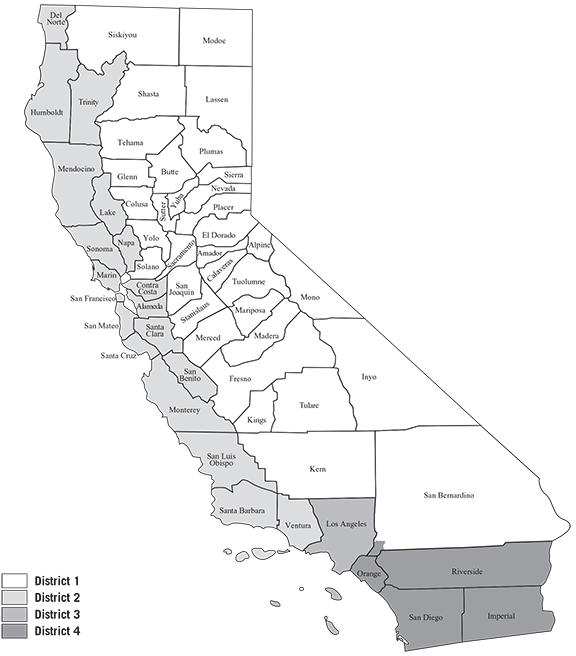
Beyond its administrative functions, the California Board of Equalization also plays a role in shaping tax policy. As elected officials (the five members of the board), they have a degree of influence in recommending changes to tax laws and regulations. Their decisions can impact the business climate, influencing investment and operational strategies for businesses across all sectors, including tourism.
Stakeholder Engagement
The BOE often engages with various stakeholders, including business associations, chambers of commerce, and individual business owners, to gather input on tax policy and administration. For the tourism industry, which is a significant economic driver in California, this engagement can be crucial in ensuring that tax policies are not overly burdensome and support sustainable growth. Understanding how to participate in these dialogues can empower businesses to advocate for their interests.
Adapting to Economic Changes
The BOE’s responsibilities require it to adapt to evolving economic landscapes, including the rise of e-commerce and the changing nature of travel and hospitality. For instance, the agency has had to develop strategies for collecting sales and use taxes on online purchases, a critical development for retail businesses that are part of the tourism supply chain. Similarly, as new forms of tourism emerge, the BOE must be prepared to address their tax implications.
In conclusion, while the California Board of Equalization may not be a direct point of interest for the average tourist planning a trip to California, its work is fundamental to the state’s economic stability and the operational realities of countless businesses that make the visitor experience possible. From funding the upkeep of iconic landmarks like the Golden Gate Bridge to ensuring fair market practices for hotels and attractions, the BOE’s role is a critical, albeit often unseen, component of California’s thriving tourism industry. For businesses in this sector, a thorough understanding of the BOE’s functions is an indispensable element of success.
LifeOutOfTheBox is a participant in the Amazon Services LLC Associates Program, an affiliate advertising program designed to provide a means for sites to earn advertising fees by advertising and linking to Amazon.com. Amazon, the Amazon logo, AmazonSupply, and the AmazonSupply logo are trademarks of Amazon.com, Inc. or its affiliates. As an Amazon Associate we earn affiliate commissions from qualifying purchases.