
The Golden State, a perennial leader in progressive policies, consistently reviews and adjusts its minimum wage to reflect the cost of living and economic conditions. For 2024, understanding California’s minimum wage is crucial for travelers planning a trip, businesses operating within the state, and residents navigating the economic landscape. This comprehensive guide will delve into the intricacies of the California minimum wage for 2024, its implications, and how it shapes the visitor experience across this diverse state.
California’s Minimum Wage Landscape 2024
California operates under a statewide minimum wage, which is subject to increases based on legislative action and cost-of-living adjustments. For 2024, the state minimum wage has seen an increase, continuing a trend of gradual rises designed to support workers and stimulate the local economy.
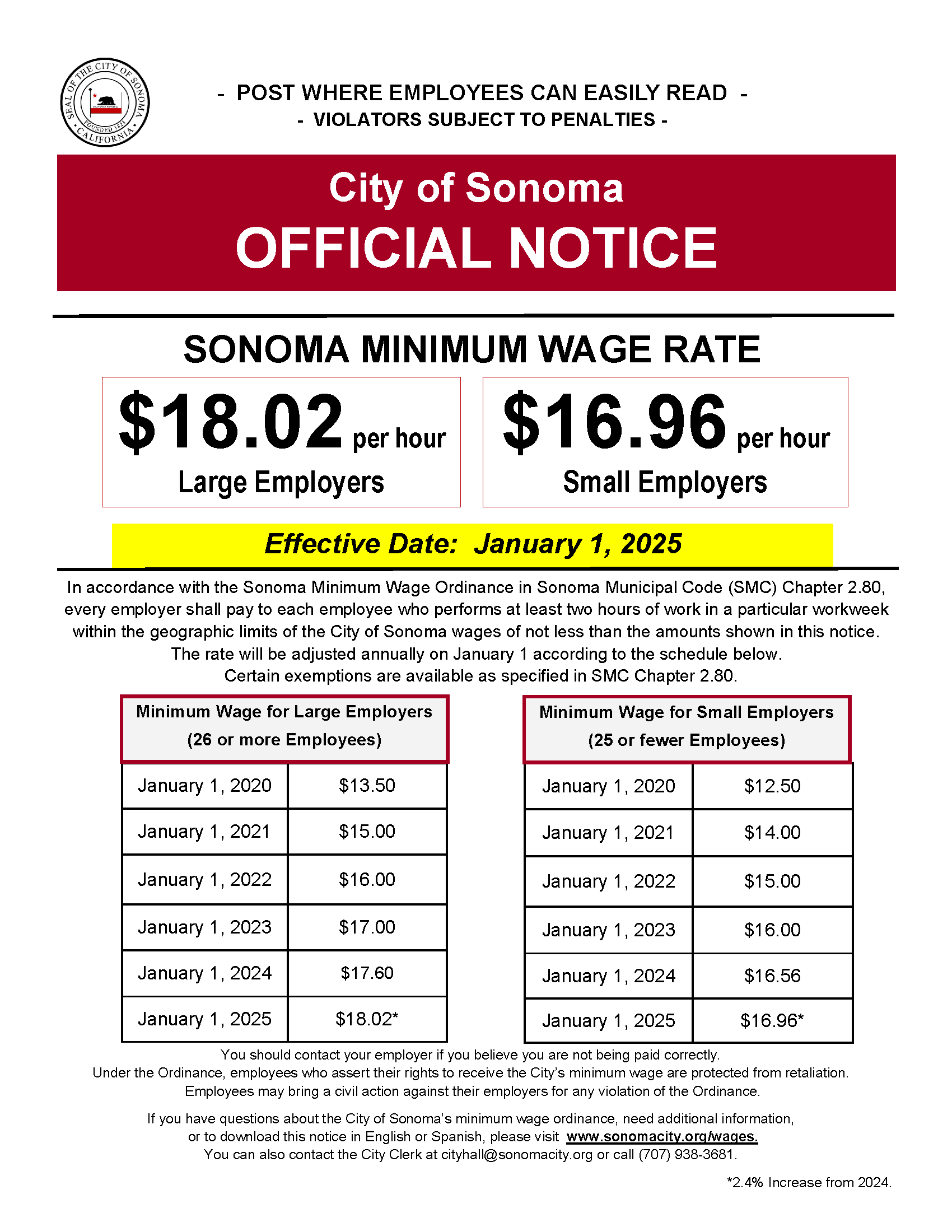
The 2024 Statewide Minimum Wage Rate
As of January 1, 2024, California’s minimum wage for all employers, regardless of size, is set at $16.00 per hour. This represents a significant figure, positioning California as one of the highest minimum wage states in the United States. This hourly rate applies to most employees, with specific exemptions and nuances that are important to be aware of.
Local Minimum Wage Ordinances
Beyond the statewide mandate, many California cities and counties have enacted their own higher minimum wage ordinances. These local rates often exceed the state minimum, reflecting the even higher costs of living in specific metropolitan areas. Travelers and businesses should be aware that the applicable minimum wage can vary depending on the precise location within California. For instance, cities like Los Angeles, San Francisco, and San Jose have historically set their minimum wages above the state level. Visitors planning to explore these urban centers will likely encounter a higher baseline cost for services, from dining to transportation, as employers in these areas must adhere to the more stringent local mandates.
Impact on Various Industries
The increased minimum wage has a broad impact across all sectors that employ hourly workers. For travelers, this translates to potentially higher prices for goods and services, particularly in sectors with a high proportion of minimum wage earners, such as hospitality, retail, and food service.
Hospitality and Tourism Sector
The tourism industry, a cornerstone of California’s economy, is directly affected. Hotels, resorts, restaurants, and attractions rely heavily on a workforce that is often paid at or near the minimum wage. The 2024 increase means that businesses in this sector will incur higher labor costs. This can lead to adjustments in pricing for accommodation, dining experiences, and activity fees. While this might mean a slightly higher budget is needed for a trip, it also contributes to a more robust local economy and a better standard of living for those working in the industry that caters to visitors. It’s a balancing act aimed at ensuring that the economic benefits of tourism are more equitably shared.
Retail and Service Industries
Beyond tourism, retail establishments, cafes, and other service-oriented businesses throughout California also operate under the new minimum wage. This affects the cost of everyday items and services that travelers might utilize during their stay, from souvenir shopping to grabbing a quick bite.
Navigating California’s Economy as a Traveler
Understanding the minimum wage is more than just a policy detail; it’s a factor that can influence your travel budget and expectations. The higher minimum wage in California generally correlates with a higher cost of living, which is reflected in the prices of services and goods.
Budgeting for Your Trip
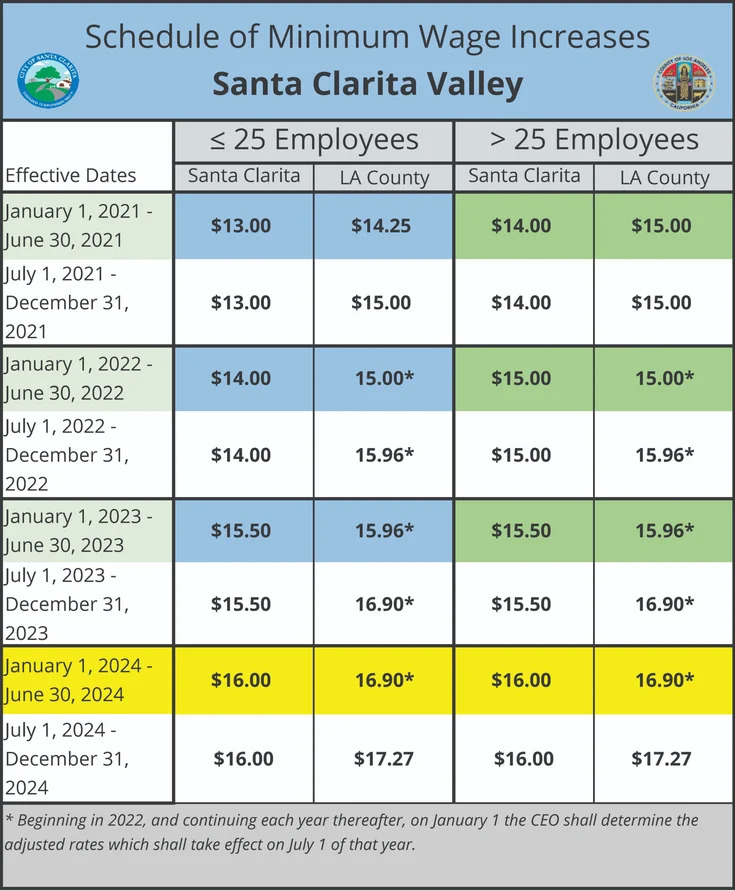
When planning a trip to California in 2024, factoring in the minimum wage can help you create a more realistic budget. Expect that dining out, whether at a casual eatery in Sacramento or a fine dining establishment in Napa Valley, might be more expensive than in states with lower labor costs. Similarly, services like ride-sharing, guided tours, and even hotel staff gratuities can be influenced by this economic baseline. It’s advisable to research the average costs for your intended activities and destinations within California to avoid unexpected expenses.
The Value of Service
While higher wages might translate to higher prices, it’s important to consider the broader implications. A higher minimum wage can contribute to a more stable and experienced workforce in the service industry. This can lead to improved customer service, more skilled professionals, and a more enjoyable experience for visitors. The commitment to fair labor practices can often be seen in the quality of service provided, from the attentive staff at a luxury resort in Beverly Hills to the friendly barista at a coffee shop in San Diego.
California’s Minimum Wage and Local Economies
The minimum wage policy in California is not just about worker compensation; it’s a deliberate economic strategy designed to boost local economies and reduce income inequality.
Economic Impact on Communities
A higher minimum wage means that more money is circulating within local communities, as low-wage workers have more disposable income. This can lead to increased consumer spending, which in turn benefits local businesses, including those catering to tourists. For example, a visitor to Yosemite National Park might find that restaurants and shops in nearby gateway towns, like Mariposa, benefit from increased local spending power. This creates a positive feedback loop, supporting the overall economic health of the regions that attract visitors.
Supporting Local Businesses and Culture
By ensuring that workers earn a living wage, California aims to foster a more sustainable economic model. This can lead to a greater diversity of businesses and a stronger emphasis on local products and experiences, which can be a significant draw for travelers seeking authentic encounters. When local economies are robust, the unique cultural fabric of towns and cities across California, from the vineyards of Sonoma to the artistic enclaves of Ojai, is better preserved and showcased.
Beyond the Numbers: The California Experience
While the specific figures of the minimum wage are important, the underlying principle is about creating an economy that works for everyone. For travelers, this often translates into a richer and more equitable experience.
A Look at Major Tourist Hubs
Let’s consider how the minimum wage might manifest in different popular destinations:
- Southern California: In bustling cities like Los Angeles and San Diego, where the cost of living is high, local minimum wage ordinances often push hourly rates even beyond the state minimum. This means a wider range of dining and service options are available, from street food vendors to high-end restaurants, with workers earning more competitive wages.
- Northern California: Cities such as San Francisco and the surrounding Bay Area are known for their exceptionally high cost of living and correspondingly high minimum wages. This impacts everything from the price of a cup of coffee in Berkeley to the cost of a guided tour of Alcatraz Island.
- Central Valley and Coastal Regions: While major metropolitan areas often have the highest local rates, the statewide minimum of $16.00 per hour still provides a significant baseline across all regions, including agricultural areas and smaller coastal towns. This ensures a more consistent standard of living and economic stability for workers throughout the state.

Tips for Travelers
To make the most of your trip to California in 2024, consider these tips:
- Research Local Wages: If you’re visiting a specific city or county, it’s worth checking if they have a local minimum wage ordinance that is higher than the state minimum. This will give you a better idea of expected costs.
- Embrace Local Cuisine: Exploring local eateries, farmers’ markets, and less tourist-centric spots can often offer a more authentic and potentially more budget-friendly experience.
- Factor in Service Costs: Be prepared for prices that reflect higher labor costs, and consider tipping appropriately for good service, as it directly supports the individuals providing your experience.
- Consider Off-Peak Travel: Traveling during the shoulder seasons or off-peak times can sometimes lead to lower prices on accommodation and activities, helping to mitigate the impact of higher operational costs for businesses.
By understanding the nuances of California’s minimum wage, travelers can better plan their itineraries, budget effectively, and appreciate the economic landscape that underpins the rich experiences this state has to offer. The commitment to a higher minimum wage is an integral part of California’s identity and contributes to the unique character of its vibrant destinations.
LifeOutOfTheBox is a participant in the Amazon Services LLC Associates Program, an affiliate advertising program designed to provide a means for sites to earn advertising fees by advertising and linking to Amazon.com. Amazon, the Amazon logo, AmazonSupply, and the AmazonSupply logo are trademarks of Amazon.com, Inc. or its affiliates. As an Amazon Associate we earn affiliate commissions from qualifying purchases.