
Navigating the financial aspects of any trip can sometimes feel as complex as planning the itinerary itself. While booking your dream vacation to destinations like the sun-drenched beaches of Southern California or the majestic peaks of the Sierra Nevada Mountains is exciting, understanding the associated taxes is crucial for a smooth experience. Among the most common taxes travelers encounter is sales tax, and in a state as vast and diverse as California, the specifics of its sales tax rate can vary. This guide aims to demystify the California sales tax rate, offering clarity for tourists, business travelers, and anyone looking to make purchases within the Golden State.
Understanding California Sales Tax: A Foundation for Smart Spending
At its core, sales tax is a consumption tax imposed by governments on the sale of goods and services. In California, this tax is levied by the state and often supplemented by local jurisdictions, leading to a combined rate that differs depending on your exact location. The primary governing body responsible for administering sales and use tax in California is the California Department of Tax and Fee Administration (CDTFA). Understanding their role and the general principles of California sales tax is the first step to becoming a savvy consumer in the state.
The State vs. Local Component of California Sales Tax
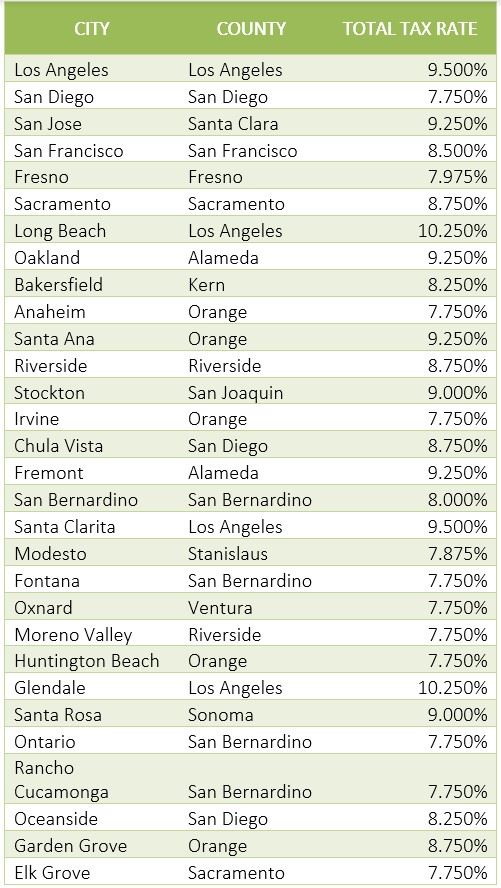
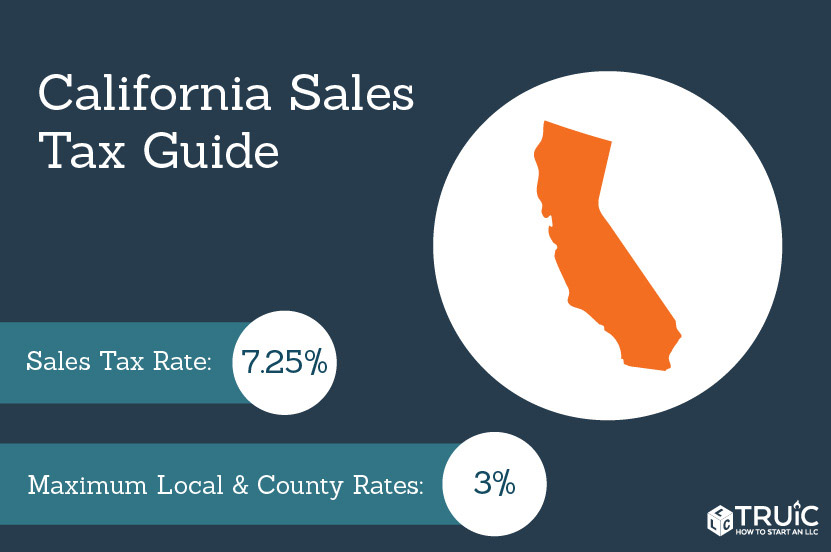
The California state sales tax rate is a baseline, but it’s rarely the final amount you’ll pay. This is because cities and counties have the authority to impose their own local sales taxes, often referred to as district taxes. These district taxes are typically added to the state rate, creating a total combined sales tax rate that can vary significantly from one city to another, and even within different districts of the same city. For instance, a purchase made in Los Angeles might have a different total sales tax rate than an identical purchase made in San Francisco or a more rural area.
The purpose of these local taxes is often to fund essential public services, such as schools, transportation projects, and public safety initiatives. Travelers might encounter these varied rates when purchasing souvenirs at a unique boutique in Carmel-by-the-Sea, dining at a renowned restaurant in Napa Valley, or booking accommodation at a luxury resort like the Ritz-Carlton, Laguna Niguel. Even seemingly small differences in tax rates can add up, especially on larger purchases or during extended stays.
What is Taxable and What Isn’t?
Generally, sales tax in California applies to the retail sale of tangible personal property. This includes a wide range of items you might purchase during your travels, from clothing and electronics to souvenirs and dining out. Services are also taxable in many cases, though the specifics can be nuanced. For example, professional services like legal advice or accounting are typically exempt, while services like pest control or repair services for tangible personal property are usually taxable.
It’s important to note that not all items are subject to sales tax. Some common exemptions include certain food products intended for home consumption (like groceries), prescription medications, and certain agricultural products. Additionally, services provided by healthcare professionals, educational services, and certain financial transactions are generally not taxed. Understanding these exemptions can help you make informed purchasing decisions and potentially save money during your trip. For travelers focusing on experiencing the local culture and cuisine, understanding which food items are taxed and which are not, can be particularly helpful. For example, buying fresh produce at a farmers’ market in Santa Barbara will likely be tax-exempt, whereas purchasing a prepared meal at a restaurant will be subject to sales tax.
Finding Your Specific California Sales Tax Rate
Given the variability, determining the precise California sales tax rate for your specific location is essential. This is where resources like the CDTFA become invaluable. They provide tools and information that allow consumers and businesses to accurately identify the applicable tax rates based on geographic location.
Leveraging Online Resources for Accurate Tax Information
The most reliable way to find the current California sales tax rate for any given address is to use the search tools provided by the CDTFA. These online resources allow you to enter a city, ZIP code, or even a specific address to retrieve the exact state and local sales tax rates applicable to that location. This is particularly useful for travelers who might be visiting multiple cities or regions within California during their trip.
For instance, if you’re planning a road trip that includes stops in San Diego, Palm Springs, and Lake Tahoe, checking the sales tax rate for each destination beforehand can help you budget more effectively. This information is vital for planning purchases of everything from a charming souvenir to a new surfboard. It also impacts the cost of services such as car rentals or guided tours. When you book accommodation, whether it’s a cozy bed and breakfast or a sprawling resort in Sonoma County, the sales tax will be a factor in the total cost.
The Impact of District Taxes on Your Purchases
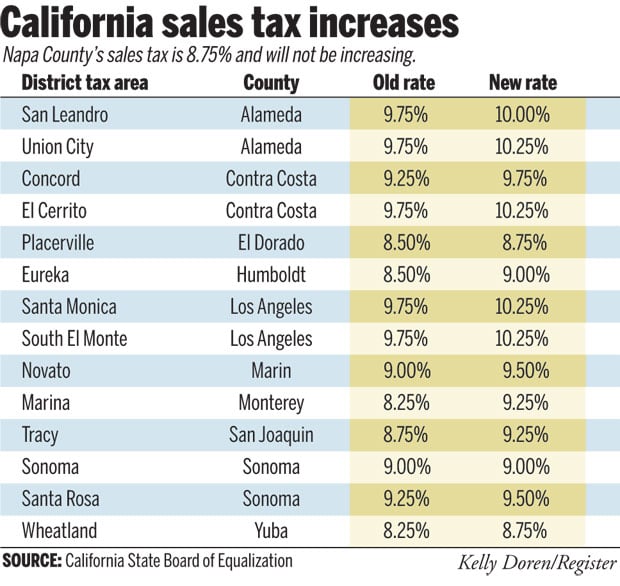
As mentioned earlier, district taxes are a significant factor in the overall sales tax rate. These taxes can be imposed for various purposes, such as funding transportation improvements, local infrastructure projects, or special districts dedicated to specific services. These district taxes are authorized by voters in the respective areas and are added to the state and county rates.
When you are browsing for artisanal crafts in the historic Gaslamp Quarter of San Diego, or perhaps looking for unique wines from a vineyard in the Russian River Valley, understanding the local district taxes will give you a clearer picture of the final price. Even a seemingly small difference can be noticeable on a significant purchase like a piece of art or a high-end piece of luggage from a boutique in Beverly Hills. For those planning longer stays, perhaps in a vacation rental apartment in Santa Monica, these local taxes are a consistent part of your expenditure.
Navigating Sales Tax for Travelers: Practical Tips
For visitors to California, understanding sales tax is not just about knowing the rate, but also about how it applies to your travel expenses and purchases. A little knowledge can go a long way in avoiding surprises and managing your budget effectively.
Sales Tax on Accommodation and Tourist Services
When you book your stay at hotels, resorts, or even short-term apartment rentals across California, the total cost will typically include sales tax. This tax is applied to the room rate, similar to how it applies to retail goods. Whether you’re enjoying the amenities at a beachfront resort in Malibu or a business hotel in downtown Sacramento, the sales tax rate of that specific city or county will be factored into your bill. It’s always a good practice to review your booking details carefully to see how taxes are itemized.
Similarly, many tourist-oriented services are subject to sales tax. This can include admissions to attractions like theme parks (e.g., Disneyland Park), movie tickets, guided tours, and some recreational activities. For instance, a scenic helicopter tour over the Grand Canyon (though mostly in Arizona, tours may originate or have components in California) or a wine-tasting experience in [Paso Robles](https://lifeoutville.com/paso- Robles) will likely have sales tax added to their advertised prices. Understanding this helps in comparing prices between different providers and planning your overall spending on experiences.
Use Tax: The Counterpart to Sales Tax
While sales tax is applied at the point of purchase within California, there’s also a concept called “use tax.” Use tax is essentially the counterpart to sales tax and applies to items purchased outside of California but used or stored within the state. For instance, if you order an item online from an out-of-state retailer that does not collect California sales tax, you may be obligated to report and pay use tax to the CDTFA yourself. This ensures that purchases made out-of-state are taxed at the same rate as if they were purchased within California, maintaining a level playing field for in-state businesses. While most tourists won’t be actively engaging in this, it’s a concept that underpins the state’s tax structure.
Tips for Managing Sales Tax on Your Trip
- Check the CDTFA Website: Before making significant purchases or booking services in a new California city, visit the CDTFA website to find the current combined sales tax rate for that specific location.
- Factor Tax into Budgets: When budgeting for your trip, allocate funds not just for the base price of goods and services, but also for the applicable sales tax. This is especially important for larger expenses like car rentals or dining at higher-end establishments in areas like Mendocino County.
- Understand Exemptions: Be aware of items that are exempt from sales tax, such as certain groceries or prescription medications, if applicable to your purchases.
- Review Receipts: Always review your receipts from hotels, shops, and restaurants to ensure that the sales tax has been calculated correctly.
By staying informed about the California sales tax rate and how it applies to various aspects of your travel, you can enjoy your journey through the Golden State with greater financial confidence, from exploring the iconic Golden Gate Bridge to indulging in the vibrant culinary scene of Los Angeles.
LifeOutOfTheBox is a participant in the Amazon Services LLC Associates Program, an affiliate advertising program designed to provide a means for sites to earn advertising fees by advertising and linking to Amazon.com. Amazon, the Amazon logo, AmazonSupply, and the AmazonSupply logo are trademarks of Amazon.com, Inc. or its affiliates. As an Amazon Associate we earn affiliate commissions from qualifying purchases.