
Understanding local time zones is a fundamental aspect of seamless travel, and for those venturing to the Golden State, comprehending “California Time” is essential for everything from flight bookings to maximizing experiences. California operates under the Pacific Time Zone, a designation that shifts seasonally, directly impacting how travelers plan their itineraries, manage communications, and even adjust to new environments. This guide delves into the specifics of California’s time, offering insightful tips for a smooth and enjoyable journey.
The Core of California’s Time Zone: Pacific Time
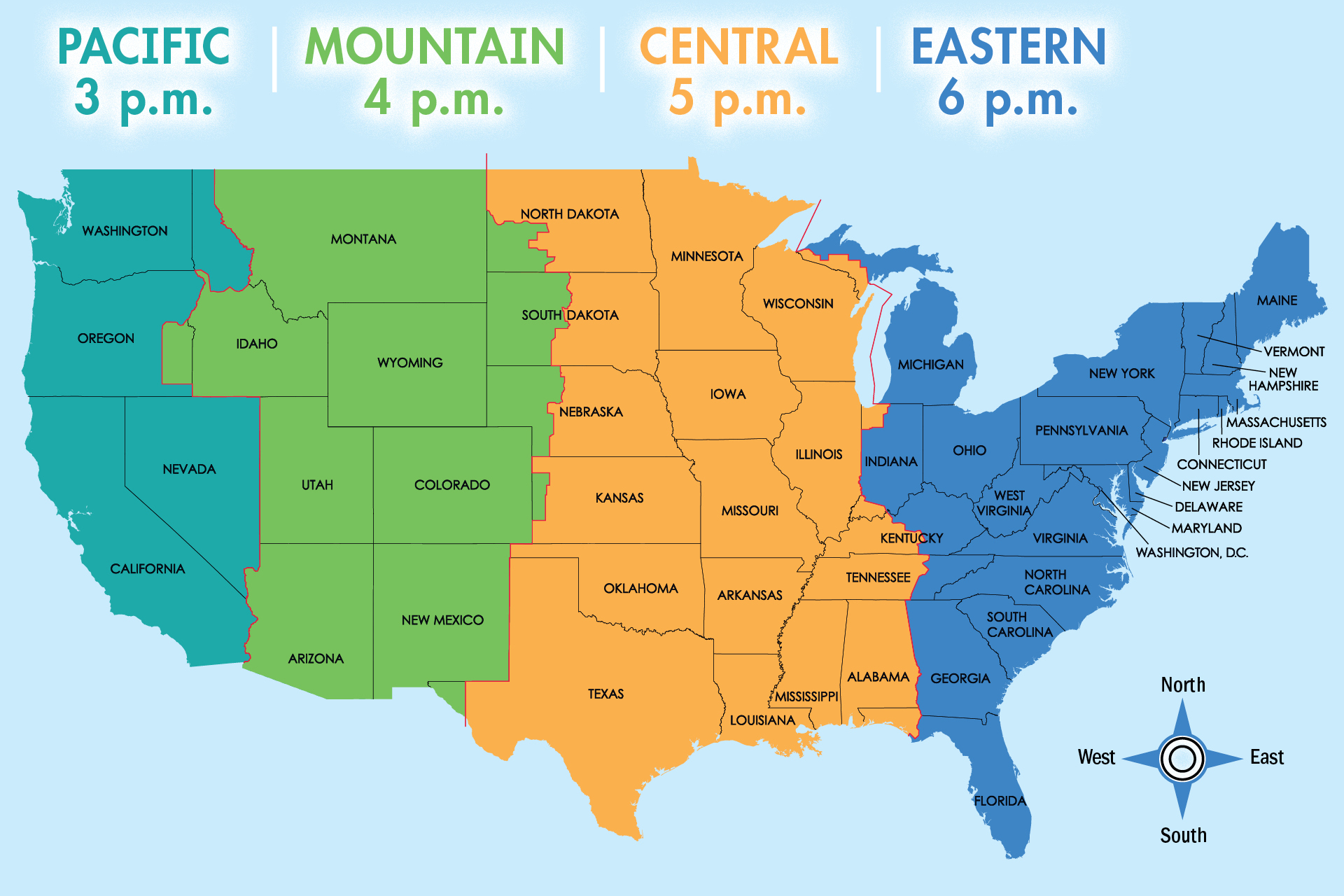
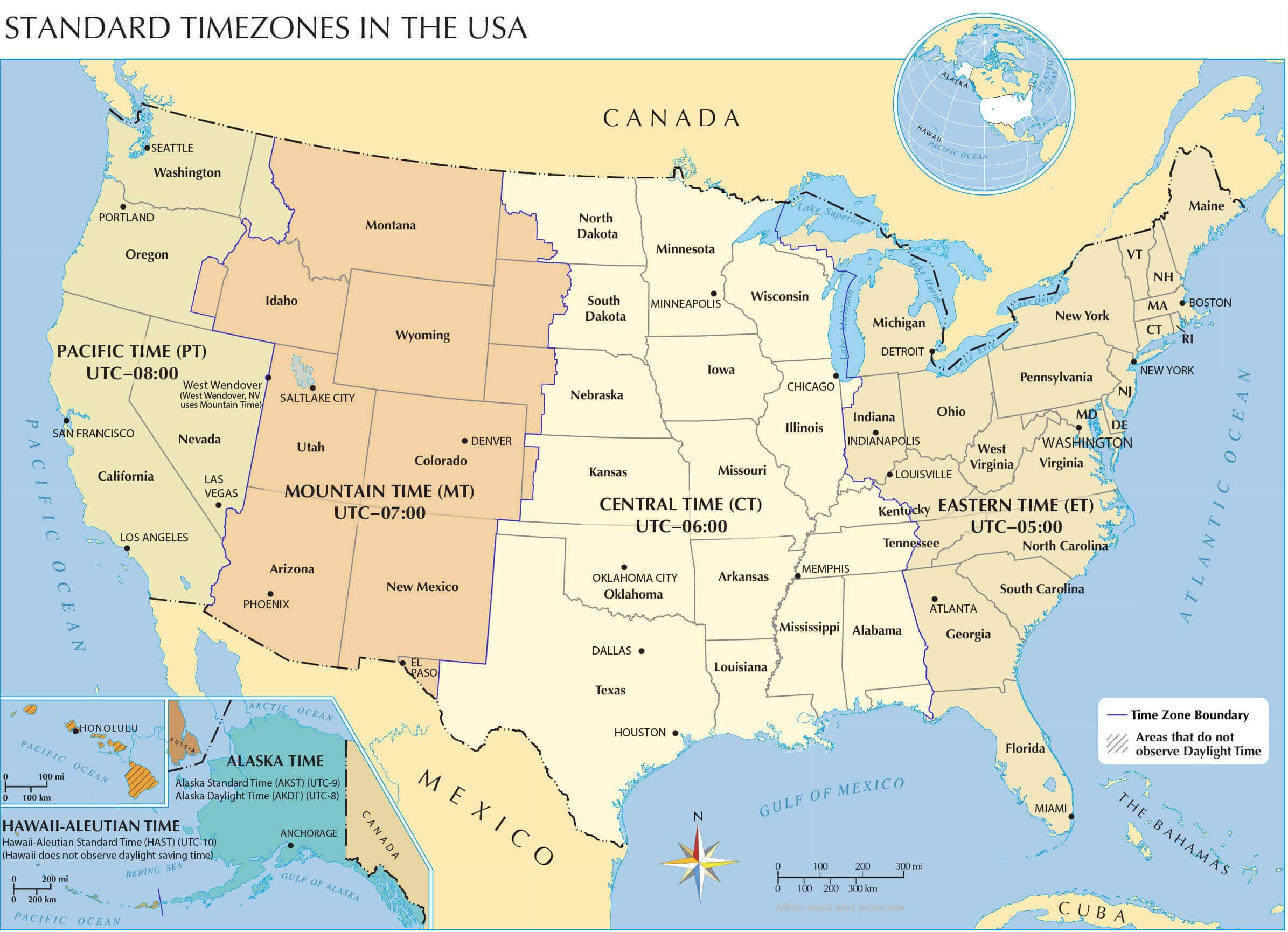
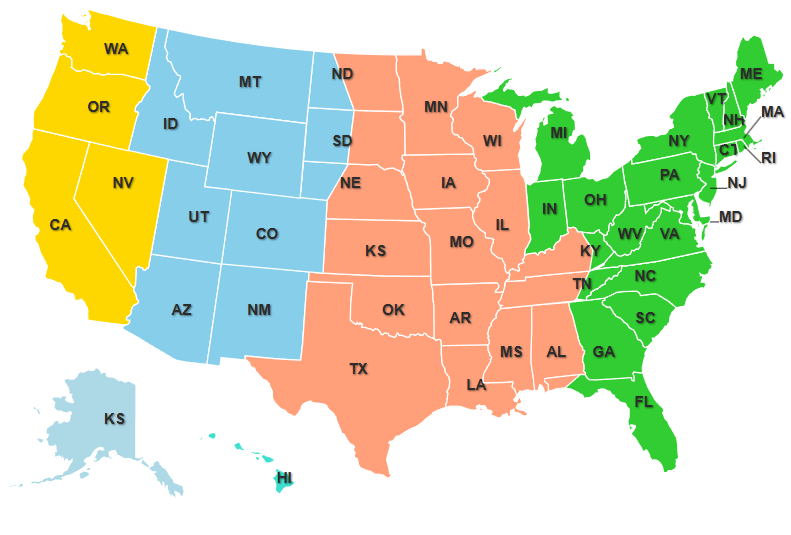
California primarily observes the Pacific Time Zone, one of the four standard time zones across the contiguous United States. This zone, shared with neighboring states like Nevada, Oregon, and Washington, as well as parts of Canada and Mexico, dictates the rhythm of daily life from the bustling streets of Los Angeles to the serene landscapes of Yosemite National Park.
Pacific Standard Time (PST) Explained
During the cooler months, typically from early November to mid-March, California adheres to Pacific Standard Time (PST). This is defined as UTC-8, meaning it is eight hours behind Coordinated Universal Time (UTC). For travelers arriving from locations further east, this implies setting clocks back. For instance, if you’re flying from New York City (Eastern Standard Time, UTC-5), you’ll gain three hours upon arrival in California during PST. This time difference is crucial for scheduling arrival activities, picking up rental cars, or meeting local contacts.
Pacific Daylight Time (PDT) and its Seasonal Shift
As spring arrives, California transitions to Pacific Daylight Time (PDT), which is UTC-7. This change occurs on the second Sunday in March when clocks “spring forward” by one hour, effectively moving an hour closer to UTC. The shift aims to extend daylight into the evening hours, a welcome change for tourism and outdoor activities. PDT remains in effect until the first Sunday in November, when clocks “fall back” to PST. For travelers, understanding this biannual adjustment is vital. An early March trip might start in PST and end in PDT, requiring an awareness of the change. Similarly, planning a November trip might mean arriving in PDT and experiencing the shift back to PST mid-stay. Unlike Arizona, which largely foregoes Daylight Saving Time, California fully participates, a detail that often trips up those crossing state lines.
Navigating Time Differences for Your California Trip
Effective time management is a cornerstone of a stress-free travel experience. When visiting California, proactively accounting for the time zone can significantly enhance your trip, preventing missed connections and maximizing your leisure.
Planning Flights and Arrival Times
Before even stepping on a plane, confirming the time zone of your departure city and California is paramount. Flight schedules typically list times in the local zone, so a flight departing Chicago at 8:00 AM Central Time (UTC-6) and arriving in San Francisco at 10:00 AM Pacific Time (UTC-8 in PST, UTC-7 in PDT) might sound like a quick two-hour journey, but it masks a significant time change. Always verify the actual flight duration in hours, then calculate your arrival time relative to your home time zone to avoid confusion or miscommunication with those picking you up or awaiting your arrival. Consider the time you’ll need for ground transportation from Los Angeles International Airport (LAX) or San Francisco International Airport (SFO) to your accommodation; a 3:00 PM check-in might feel much later if you’re arriving from the East Coast.
Synchronizing Activities and Reservations
From dining reservations in Beverly Hills to guided tours of Alcatraz Island, nearly every aspect of your California itinerary is time-sensitive. Always confirm reservation times in California’s local time. A common pitfall for travelers is mentally converting times to their home zone without explicitly confirming the local setting. If you’ve booked a slot for Universal Studios Hollywood at 9:00 AM, ensure you’re there at 9:00 AM Pacific Time, not 9:00 AM your home time. This also applies to pre-booked tickets for attractions like Disneyland Park or performances at the Hollywood Bowl. Setting your watch and phone to local time immediately upon arrival is a simple yet effective strategy to stay synchronized.
Managing Business and Personal Connections
For business travelers or those wanting to stay connected with family and friends across different time zones, knowing California time is critical. A conference call scheduled for 9:00 AM Pacific Time might be 12:00 PM Eastern Time or 5:00 PM in London. Utilize world clock apps or online converters to schedule meetings or calls that are convenient for all parties. For personal calls, consider the time difference before dialing to avoid waking loved ones. Remember that the shift to Pacific Daylight Time can alter these calculations by an hour for part of the year, so double-check if your trip spans the DST transition.
Overcoming Jet Lag and Maximizing Your Experience
Jet lag can significantly impact your travel enjoyment, turning exciting exploration into a battle with fatigue. Mitigating its effects, especially when traveling across multiple time zones to California, is key to a vibrant trip.
Pre-Trip Adjustments
Even before departure, you can begin adjusting to California time. A few days before your trip, gradually shift your bedtime and waking hours closer to your destination’s schedule. If you’re traveling west, try to go to bed an hour or two later than usual. If you’re coming from Hawaii or Alaska and heading east, try to go to bed earlier. Adjusting meal times can also help. Hydration is also crucial; begin drinking plenty of water several days before your flight and continue throughout your journey. Avoiding excessive caffeine and alcohol can also aid in a smoother transition.
On-Arrival Strategies
Upon landing in California, immediately set your watch and devices to local Pacific Time. Expose yourself to natural light during the day, especially morning light, which helps reset your circadian rhythm. If you arrive in the morning, resist the urge to nap for too long; instead, try to stay awake until a reasonable local bedtime. Engage in light activities like walking around your hotel or exploring a nearby park, such as Balboa Park in San Diego. Conversely, avoid bright lights in the evening. Eating meals at local times also cues your body to the new schedule.
Embracing the Local Rhythm
Part of travel’s charm is immersing oneself in the local lifestyle, and this extends to its pace and schedule. Instead of constantly comparing California time to your home time, try to fully embrace the local rhythm. Dine when locals dine, attend events when they happen, and structure your day around the Pacific Time Zone. This mental shift can greatly reduce the perceived effort of adjusting and allow you to fully enjoy iconic experiences, whether it’s catching the sunset over the Golden Gate Bridge or enjoying a late-night show in Palm Springs.
Beyond the Clock: The Impact of Time on Travel Experiences
While the technicalities of PST and PDT are practical necessities, understanding California time also enriches your travel experience in more subtle, yet profound ways. It’s not just about what time it is, but what that time signifies for your journey.
Sunrise, Sunset, and Scenic Views
California’s vast geographical diversity means sunrise and sunset times vary across the state, but all are dictated by Pacific Time. For photographers, romantics, or simply those seeking serene moments, knowing these times is invaluable. Catching the first light over the Sierra Nevada mountains or witnessing a dramatic sunset over the Pacific Ocean on Big Sur requires precise timing. During Pacific Daylight Time, the extended daylight hours provide more opportunities for evening activities and leisurely dinners outdoors, taking full advantage of the golden hour. Conversely, during PST, evenings come earlier, perfect for cozy indoor experiences or stargazing in clearer desert skies.
Operating Hours of California’s Attractions
The opening and closing times of California’s world-renowned attractions, from museums like the California Academy of Sciences to amusement parks and national parks, are all set according to Pacific Time. Checking these hours in advance is crucial, especially for popular destinations which might have staggered entry times or seasonal variations. For example, some beach parks might close at sunset, while urban attractions like the Hollywood Walk of Fame are accessible at all hours, though specific shops and tours operate within set times. Always refer to the official websites for the most up-to-date information, remembering that all times will be in PST or PDT, depending on the season.
Peak Times and Local Flow
Understanding the local clock also offers insight into California’s daily rhythm. Rush hour in Los Angeles or San Francisco during the morning (7:00 AM-9:00 AM PDT/PST) and evening (4:00 PM-6:00 PM PDT/PST) is a significant factor in planning travel within and between cities. Dining establishments often see their peak between 6:00 PM and 8:00 PM Pacific Time. Aligning your activities with these local flows can enhance your experience, allowing you to avoid crowds at popular spots by visiting during off-peak hours or fully immersing yourself in the bustling energy of the state during its vibrant peak times. By embracing “California Time,” travelers can unlock a deeper, more intentional connection with this dynamic destination.
LifeOutOfTheBox is a participant in the Amazon Services LLC Associates Program, an affiliate advertising program designed to provide a means for sites to earn advertising fees by advertising and linking to Amazon.com. Amazon, the Amazon logo, AmazonSupply, and the AmazonSupply logo are trademarks of Amazon.com, Inc. or its affiliates. As an Amazon Associate we earn affiliate commissions from qualifying purchases.