
Embarking on an adventure through the diverse landscapes of California often means hitting the open road. From the sun-drenched beaches of Los Angeles to the majestic peaks of the Sierra Nevada, having the freedom to drive yourself is paramount to truly experiencing the Golden State. At the heart of this freedom for most travelers and residents alike lies the Class C driver’s license. Far more than just a piece of plastic, this license is your essential permit to navigate the state’s sprawling network of highways, scenic routes, and bustling city streets, making it a critical component of any travel plan in California.
Understanding what a Class C license entails, its requirements, and the driving privileges it grants is fundamental for anyone looking to explore California independently. Whether you’re a new resident planning weekend getaways, an international visitor dreaming of a Pacific Coast Highway road trip, or simply curious about the legalities of driving a standard passenger vehicle, this comprehensive guide will demystify the California Class C license, framing it as your indispensable guide to unforgettable journeys across the state.
Understanding the California Class C License: Your Gateway to Exploration
The Class C driver’s license in California is the most common type of driver’s license issued by the Department of Motor Vehicles (DMV). It’s designed for operating standard passenger vehicles and is the license that empowers millions to commute, run errands, and, most importantly for travelers, embark on incredible road trips and explore the state at their own pace.
The Basics: What You Can Drive
With a California Class C license, you are authorized to operate:
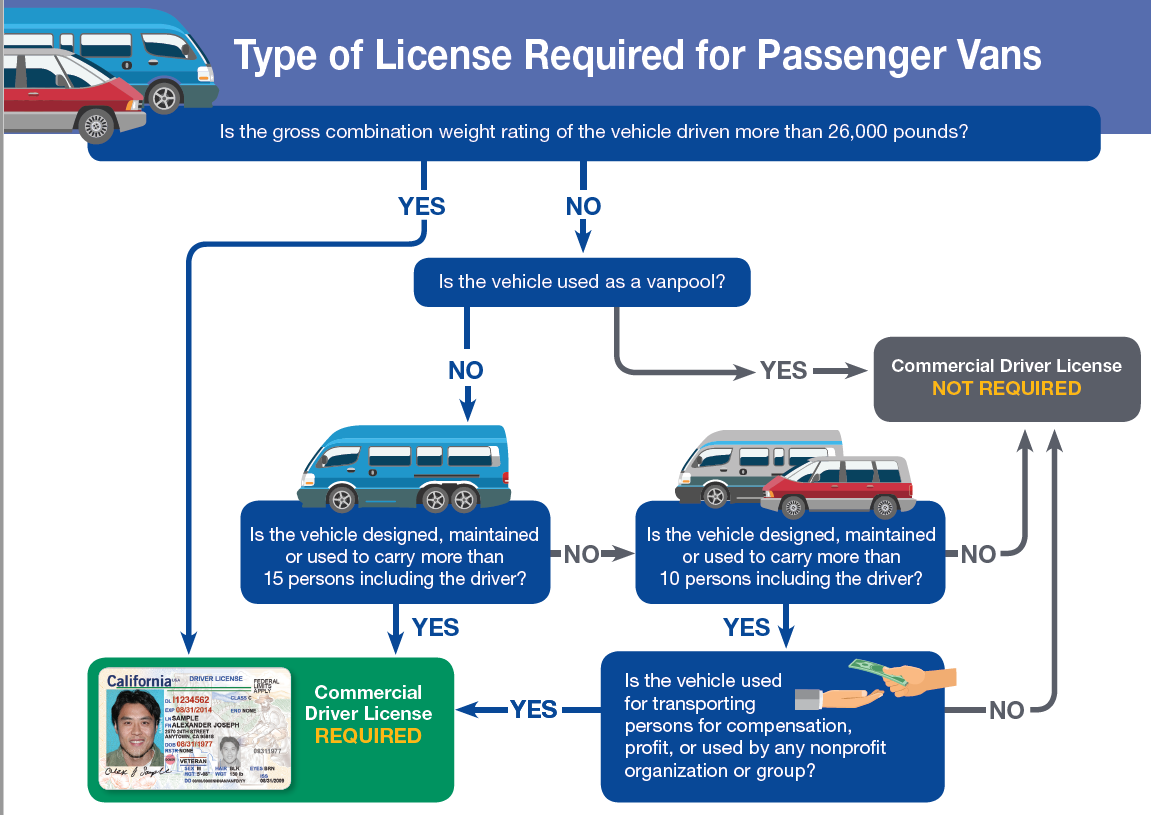
- A two-axle vehicle with a gross vehicle weight rating (GVWR) of 26,000 pounds or less. This covers virtually all standard cars, SUVs, pickup trucks, and minivans you’d typically rent or own for personal use.
- A three-axle vehicle weighing 6,000 pounds gross or less. This is less common for everyday travel but accommodates certain specialized light-duty vehicles.
- A housecar (RV) 40 feet or less in length. This is crucial for those planning RV adventures to destinations like Yosemite National Park or Death Valley National Park, allowing you to drive a significant range of recreational vehicles.
- A three-wheel motorcycle with two wheels in the front or back. While less common for general travel, it highlights the versatility of the Class C license.
- A vanpool vehicle designed to carry 10 to 15 passengers, including the driver. This is relevant for group travel or shuttle services, making it possible to transport a small tour group or a family reunion.
Essentially, if you’re planning a typical family vacation, a solo road trip, or renting a standard car for business in California, a Class C license is precisely what you need. It ensures you have the legal backing to drive the vehicles commonly associated with travel and tourism throughout the state.
Beyond Personal Cars: Recreational Vehicles and Travel
For many adventurers, the allure of California lies in its vast wilderness and scenic campgrounds, often best explored via recreational vehicles. Your Class C license opens up these possibilities significantly. Being able to drive a housecar (RV) up to 40 feet in length means you can rent and operate many of the popular Class B and Class C motorhomes, which are perfect for extended trips to national parks, state beaches, and remote natural wonders. This capability transforms a simple drive into a mobile home base, offering unparalleled flexibility and comfort for exploring diverse California destinations. Remember, while the Class C license permits driving these RVs, familiarity with larger vehicle handling and braking distances is always recommended for safe travel.
Eligibility and Application: Paving Your Way to California Adventures
Obtaining a California Class C license is a structured process designed to ensure all drivers possess the necessary knowledge and skills for safe operation. For both new residents and those aiming to secure their first license, understanding the application journey is the first step towards independent travel.
Who Can Apply? Residency and Age Requirements
To apply for a Class C license in California, applicants must meet specific criteria:
- Age Requirement: Generally, applicants must be at least 18 years old to obtain a full Class C license. California does offer provisional licenses for drivers aged 16 and 17, which come with specific restrictions on driving hours and passenger transportation, largely impacting independent travel plans. For unrestricted travel, waiting until 18 or fulfilling provisional license requirements is necessary.
- Residency: You must be a legal resident of California. This typically involves providing proof of residency, such as utility bills, rental agreements, or bank statements, to the DMV. This requirement ensures that the state can properly track and regulate its drivers.
- Social Security Number: A Social Security Number (SSN) is generally required. However, the DMV also offers alternatives for those who do not have an SSN but are otherwise eligible, such as non-citizens with legal presence.
Meeting these foundational requirements is crucial before embarking on the application process, setting the stage for your future travels across the state.
The Application Process: Steps to Getting Your License
The journey to obtaining your Class C license involves several key steps:
- Complete the Driver’s License Application (DL 44 or online equivalent): This form collects your personal information and declarations regarding your driving history and medical conditions.
- Schedule an Appointment with the DMV: While some services can be done online, initial applications usually require an in-person visit to a DMV office, such as those in Sacramento, San Francisco, or Los Angeles. Appointments significantly reduce wait times.
- Provide Proof of Identity and Residency: Bring original documents like a U.S. birth certificate, passport, or Green Card, along with utility bills or lease agreements.
- Pay the Application Fee: There is a non-refundable fee associated with the application.
- Pass a Vision Test: Your eyesight will be checked to ensure you meet the minimum visual acuity standards for driving.
- Pass the Knowledge Test: This written test assesses your understanding of California traffic laws, road signs, and safe driving practices. Studying the official California Driver Handbook is essential for success. For travelers, this ensures a foundational understanding of the rules unique to California roads, contributing to safer journeys.
- Complete a Driving Test: After passing the knowledge test and obtaining an instruction permit (if applicable), you’ll schedule and pass a behind-the-wheel driving test. This evaluates your ability to safely operate a vehicle in various traffic conditions, demonstrating your readiness for independent travel.
Successfully completing these steps culminates in the issuance of your temporary license, with the permanent card mailed to you later. This rigorous process is designed to ensure that all licensed drivers are competent and aware of their responsibilities, making California’s roads safer for everyone, including tourists and residents exploring its many attractions.
Essential Knowledge for Travelers: Rules of the California Road
For those planning to explore California, a Class C license is only half the equation. Understanding the state’s specific traffic laws and safe driving practices is equally vital for a smooth and enjoyable travel experience, particularly when navigating unfamiliar terrains and diverse urban environments.
Traffic Laws and Safe Driving Practices
California has unique traffic laws that every driver, especially travelers, should be aware of:
- Seatbelt Law: All occupants of a vehicle must wear a seatbelt, regardless of age or position. This is a primary enforcement law, meaning you can be pulled over solely for this violation.
- Cell Phone Use: It is illegal to drive in California while holding and operating a cell phone. Hands-free devices are permitted, but even then, distracted driving is heavily discouraged.
- Speed Limits: Observe posted speed limits, which can vary significantly from freeways to residential areas. In business or residential districts, the speed limit is typically 25 mph unless otherwise posted.
- Right-Turn-On-Red: In California, you can generally make a right turn at a red light after stopping completely and yielding to pedestrians and traffic, unless a sign explicitly prohibits it.
- Lane Splitting: For motorcyclists, lane splitting (riding between lanes of stopped or slow-moving traffic) is legal in California. This is unique and important for car drivers to be aware of when sharing the road.
- Pedestrian Crosswalks: Pedestrians have the right-of-way in marked and unmarked crosswalks. Always yield to pedestrians.
- Driving Under the Influence (DUI): California has strict DUI laws. The legal blood alcohol concentration (BAC) limit is 0.08% for drivers 21 and older, and 0.01% for drivers under 21. Penalties are severe and can significantly disrupt travel plans.
Adhering to these laws ensures not only your safety but also the safety of others sharing California’s roads, allowing you to focus on the breathtaking scenery of the Pacific Coast Highway or the vibrant streets of San Francisco.
Understanding Endorsements and Restrictions
While a Class C license covers most personal travel, specific situations might require additional endorsements or come with restrictions:
- Endorsements: For example, if you plan to tow a trailer weighing over 10,000 pounds (though most travel trailers are below this for Class C drivers), a “Noncommercial Class A” or “Noncommercial Class B” license might be required, not just an endorsement. The Class C license allows towing a single vehicle with a GVWR of 10,000 lbs or less (including a camper or travel trailer) or a trailer coach or fifth-wheel travel trailer under 10,000 lbs GVWR. Any larger towing needs would require a different class of license.
- Restrictions: Common restrictions include requirements to wear corrective lenses while driving, or specific vehicle modifications for drivers with disabilities. These are noted on the license and must be strictly adhered to. For provisional license holders, restrictions on nighttime driving and transporting passengers under 20 are common, which could limit spontaneous evening excursions or group travel plans.
Always review your specific license for any endorsements or restrictions that may apply, ensuring your travel plans align with your driving privileges.
Renting a Vehicle in California with a Class C License
For many visitors to California, renting a vehicle is the primary means of transportation. Your Class C license is your key to unlocking this mobility, but understanding the nuances of rental agreements and vehicle types is crucial for a hassle-free experience.
Standard Rentals: Cars, SUVs, and Vans
Your California Class C license is universally accepted for renting standard passenger vehicles from virtually any car rental agency in the state. This includes compact cars perfect for urban exploration in San Francisco, spacious SUVs ideal for family trips to Yosemite National Park, and even larger passenger vans for group travel. Rental agencies typically require:
- A valid driver’s license: Your Class C license.
- A major credit card: In your name, for payment and security deposit.
- Minimum age: Usually 21, though an additional “underage driver” fee often applies for those between 21 and 24.
- Proof of insurance: You can use your personal car insurance, purchase additional coverage from the rental company, or rely on credit card benefits.
Always inspect the vehicle before departing the rental lot and familiarize yourself with its features, especially if it’s a model you’re not accustomed to. This preparation will make your journey along Big Sur much more enjoyable.
Special Considerations for RVs and Larger Vehicles
While your Class C license allows you to drive many RVs (up to 40 feet in length), renting one can involve additional steps:
- Specific Rental Agencies: RV rentals are typically handled by specialized companies, not standard car rental agencies.
- Familiarization: These companies often provide extensive walk-throughs to familiarize you with the RV’s systems (water, electrical, waste) and driving characteristics.
- Experience: While not legally required, having prior experience driving larger vehicles can be beneficial due to their different handling, braking, and parking requirements.
- Insurance: Ensure you have adequate insurance coverage for the RV, as standard auto policies might not extend fully to recreational vehicles.
Renting an RV with your Class C license allows for incredible flexibility, enabling extended stays in natural parks and a deeper immersion into California’s outdoor wonders.
The Class C License and International Visitors: Driving in the Golden State
California welcomes millions of international tourists annually, many of whom wish to experience the state’s beauty by car. Understanding how foreign licenses and International Driving Permits (IDPs) are recognized is essential for a smooth arrival and independent exploration.
International Driving Permits and Foreign Licenses
For international visitors planning to drive in California, the rules are generally accommodating:
- Valid Foreign License: A visitor with a valid driver’s license from their home country can typically drive in California for up to one year from their date of entry. The license must be current and valid, and it’s advisable to carry your passport or other entry documents to prove your entry date.
- International Driving Permit (IDP): While not legally required, an IDP is highly recommended. An IDP is a translation of your foreign driver’s license into multiple languages and can be helpful for law enforcement and rental agencies, especially if your home country’s license is not in English. It must always be presented alongside your original, valid foreign driver’s license. The IDP itself is not a standalone license.
- Driving Age: International visitors must meet California‘s minimum driving age requirements (18 for an unrestricted Class C equivalent) and abide by all California traffic laws.
Ensuring you have these documents in order will prevent any potential complications and allow you to fully enjoy your planned road trips.
Preparing for a California Road Trip
Whether you’re a local with a Class C license or an international visitor, preparing for a California road trip involves more than just having the right license. Consider these tips:
- Plan Your Route: California is vast. Plan your route, including stops for fuel, food, and rest, especially for longer drives between destinations like Los Angeles and San Francisco.
- Check Weather Conditions: Weather can vary drastically across the state, from desert heat in Death Valley National Park to snow in the Sierra Nevada. Check forecasts for your route.
- Vehicle Maintenance: If driving your own car, ensure it’s in good condition. If renting, familiarize yourself with emergency procedures.
- Navigation: Use GPS or reliable maps. Cell service can be spotty in remote areas, so consider downloading offline maps.
- Emergency Kit: Carry a basic emergency kit, including water, snacks, a first-aid kit, jumper cables, and a flashlight.
The Class C license is more than just a legal document; it’s a symbol of freedom, granting you the ability to embark on countless adventures across California’s incredible landscapes. By understanding its scope, requirements, and the associated road rules, you can ensure your journeys are not only memorable but also safe and fully compliant with state regulations. So, get ready to buckle up, hit the road, and discover all that the Golden State has to offer.
LifeOutOfTheBox is a participant in the Amazon Services LLC Associates Program, an affiliate advertising program designed to provide a means for sites to earn advertising fees by advertising and linking to Amazon.com. Amazon, the Amazon logo, AmazonSupply, and the AmazonSupply logo are trademarks of Amazon.com, Inc. or its affiliates. As an Amazon Associate we earn affiliate commissions from qualifying purchases.