
Colorado, often celebrated for its majestic Rocky Mountains, vibrant cities like Denver and Boulder, and unparalleled outdoor recreation, attracts individuals seeking a diverse range of lifestyles. From digital nomads drawn to its innovative tech scene to retirees yearning for a scenic, active environment, and families desiring a balanced quality of life, the appeal of the Centennial State is undeniable. However, for anyone considering a move, an extended stay, or even significant business operations within Colorado, understanding the state’s income tax structure is a critical component of informed lifestyle planning.
Unlike many states that employ a progressive income tax system with varying rates based on income brackets, Colorado stands out with a single, flat tax rate. This characteristic simplifies the tax landscape for many, but its implications for personal budgeting, business decisions, and overall financial well-being deserve a closer look, especially when envisioning a long-term lifestyle in this dynamic state. Navigating these financial waters effectively can mean the difference between thriving in your chosen Colorado lifestyle and encountering unexpected fiscal challenges.
Understanding Colorado’s Flat Tax Rate for Lifestyle Planning
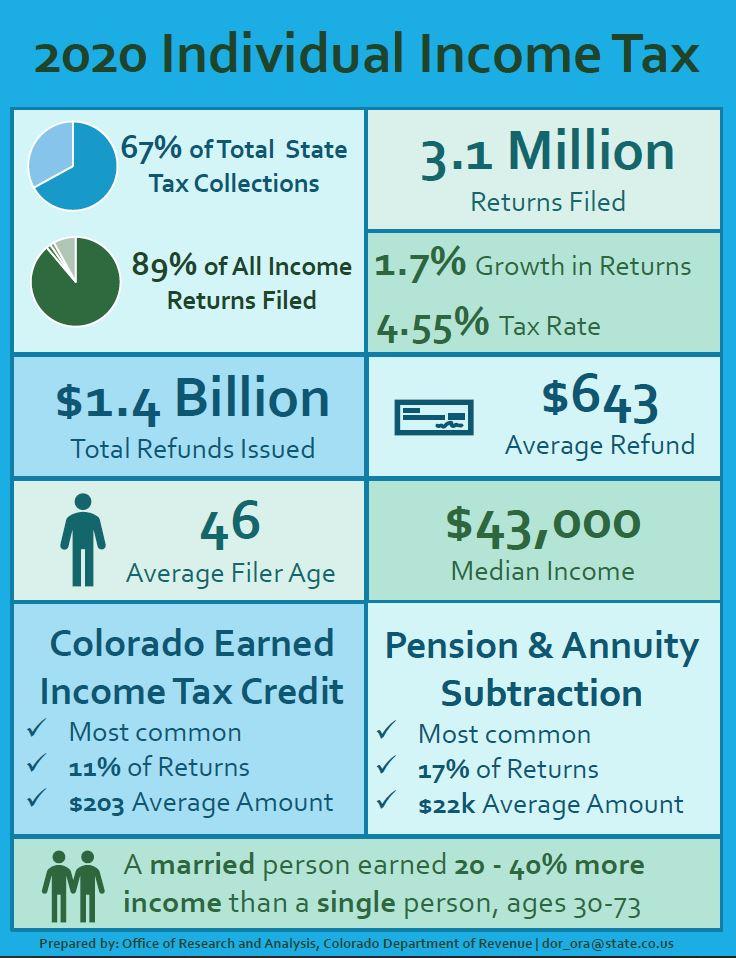
At its core, Colorado’s income tax system is remarkably straightforward: a flat tax rate applied to an individual’s taxable income. For tax year 2023, this rate was set at 4.40%, a consistent percentage that applies regardless of how much income an individual earns, beyond a certain threshold. This contrasts sharply with states that feature multiple tax brackets, where higher earners face progressively steeper rates. For those meticulously planning their financial future in alignment with a desired lifestyle, this flat rate offers a degree of predictability that can be invaluable.
The Impact on Relocation and Remote Work
For individuals contemplating relocation to Colorado, especially remote workers or digital nomads, the flat tax rate is a significant factor in financial projections. Knowing that a consistent percentage of your income will go towards state taxes can simplify budgeting for other lifestyle expenses such as housing, healthcare, and leisure activities. This predictability can be particularly appealing to those moving from states with complex, tiered tax systems, where effective tax rates can be harder to calculate accurately without detailed planning.
Consider a professional relocating to Denver to embrace the city’s burgeoning tech industry and vibrant urban lifestyle. Their financial planning for rent, dining, and weekend excursions to the mountains can be more precise when the state income tax bite is a known, fixed percentage. Similarly, a digital nomad choosing Boulder for its outdoor access and entrepreneurial spirit can easily factor the state income tax into their quarterly or annual earnings forecasts, aiding in the stability required for a mobile, independent lifestyle. The consistency allows for a clearer picture of disposable income, enabling better allocation of funds towards experiences and amenities that define the Colorado lifestyle.
Budgeting for a Colorado Lifestyle
Effective budgeting is the cornerstone of any sustainable lifestyle, and in Colorado, understanding how income tax fits into the broader financial picture is essential. While the flat rate simplifies calculation, it doesn’t diminish the need for careful planning. Taxable income is generally federal adjusted gross income (AGI) with some Colorado-specific modifications. This means that your federal deductions and exemptions will influence your state taxable income.
For those planning to immerse themselves in Colorado’s renowned outdoor activities, from skiing in winter to hiking and mountain biking in summer, these pursuits often come with associated costs. A clear understanding of your take-home pay after state taxes allows for realistic allocation of funds towards season passes, gear, guide services, or even the purchase of recreational vehicles. Similarly, for families looking to establish roots, the predictability of the flat tax aids in budgeting for education, family outings, and the overall cost of raising children in a state known for its high quality of life. The flat tax rate, therefore, acts as a foundational element upon which residents can build a robust and enjoyable financial plan for their chosen Colorado lifestyle.
Key Deductions and Credits for Residents and Extended Stays
While Colorado’s flat income tax rate simplifies the calculation process, it doesn’t mean taxpayers are without opportunities to reduce their taxable income. The state provides various deductions and credits that can significantly impact one’s overall tax liability, offering crucial support for different lifestyle choices and financial situations. Understanding and utilizing these provisions is vital for maximizing disposable income and sustaining a desired lifestyle in Colorado.
Maximizing Your Take-Home Pay in the Centennial State
Colorado taxpayers can claim either a standard deduction or itemized deductions, mirroring federal guidelines but with Colorado-specific amounts and rules. The standard deduction, a fixed amount that reduces taxable income, is beneficial for many, especially those with simpler financial situations. For individuals with significant deductible expenses, such as mortgage interest, state and local taxes (SALT, subject to federal limitations), or large charitable contributions, itemizing might yield a greater tax benefit. The decision between the two is a critical part of year-end financial planning and directly influences the net income available for your Colorado lifestyle.
Beyond deductions, Colorado offers several credits designed to alleviate tax burdens for specific groups. Examples include the Child Care Expenses Credit, which directly reduces the tax owed for families managing the costs of raising children, thereby freeing up funds for family-oriented activities and experiences in the state. The Earned Income Tax Credit (EITC) also provides relief for low-to-moderate-income working individuals and families, reinforcing financial stability. Furthermore, credits for certain investments, energy efficiency upgrades, or even for contributions to specific charitable organizations can all contribute to a more financially robust existence in Colorado, allowing for greater investment in the amenities and experiences that define one’s personal lifestyle.
Special Considerations for Digital Nomads and Retirees

Digital nomads, by definition, lead a mobile lifestyle, often blurring the lines of residency. For those establishing an extended presence in [Colorado](https://lifeoutofthebox.com/colorado], understanding the state’s residency rules is paramount. Generally, if you spend more than 183 days in Colorado during a tax year and intend to make it your home, you might be considered a resident for tax purposes, subjecting all your income (regardless of source) to Colorado income tax. This has significant implications for remote workers whose income may originate from companies outside the state. Careful tracking of days and demonstrating intent are crucial for avoiding dual residency issues or misfiling.
For retirees, Colorado presents an attractive prospect due to specific tax benefits. The state allows a significant exclusion for certain retirement income, including pensions, annuities, and IRA distributions, for taxpayers who are 65 or older. For those aged 55 to 64, a smaller exclusion applies. This retirement income exclusion can substantially reduce a retiree’s taxable income, making [Colorado](https://lifeoutofthebox.com/colorado] a fiscally appealing destination for those seeking to enjoy their golden years amidst stunning natural beauty and a vibrant community. This tax advantage directly impacts the financial feasibility of a comfortable and active retirement lifestyle, allowing for greater access to recreational activities, cultural events, and travel opportunities that define retirement in Colorado.
Non-Resident Income and Business Stays
Colorado’s dynamic economy and popular tourist destinations frequently draw non-residents for business, temporary work, or extended visits. While these individuals may not be full-time residents, understanding their potential Colorado income tax obligations is crucial for seamless financial management and compliance, especially for those whose lifestyle involves frequent travel or temporary assignments.
Tax Obligations for Temporary Workers and Business Travelers
If you’re a non-resident of Colorado but earn income from sources within the state, that income is generally subject to Colorado income tax. This applies to a wide range of scenarios, including:
- Wages or salaries for services performed in Colorado.
- Income from a business, trade, profession, or occupation carried on in Colorado.
- Income from real estate located in Colorado.
- Gambling winnings from Colorado sources.
For business travelers, consultants, athletes, or entertainers who perform services in Colorado for a limited duration, the income earned during their time in the state will likely be considered Colorado-source income. Employers of non-residents may be required to withhold Colorado income tax from their wages. Individuals should maintain meticulous records of their time spent and income earned in Colorado to ensure accurate reporting. Failing to address these obligations can lead to penalties and complications, which can disrupt a smooth business travel lifestyle.
Navigating Multi-State Tax Scenarios
The rise of remote work and the interconnectedness of national economies mean that many individuals have income sourced from multiple states, or live in one state while working for a company based in another. This complexity is particularly relevant for those embracing a flexible, location-independent lifestyle.
If you are a Colorado resident working remotely for an out-of-state employer, all your income is subject to Colorado tax. Conversely, if you are a resident of another state but perform work in Colorado, the income earned from your Colorado activities is taxable by Colorado. To prevent double taxation on the same income, most states, including Colorado, offer a tax credit for taxes paid to other states. This “credit for taxes paid to other states” provision is vital for individuals with multi-state income, ensuring that their overall tax burden is fair and equitable. Understanding how to correctly claim this credit is essential for maintaining financial harmony within a dynamic, multi-location lifestyle. Professional tax advice is often recommended in these complex scenarios to ensure compliance and optimize tax outcomes.
Colorado Income Tax vs. Other Lifestyle Costs
When evaluating Colorado as a potential destination for a new lifestyle, an extended stay, or a business venture, it’s crucial to view income tax not in isolation, but as one component of the broader financial landscape. The overall cost of living, which includes housing, sales tax, property tax, and everyday expenses, significantly influences the feasibility and comfort of your chosen Colorado lifestyle.
A Holistic View of Living in Colorado
While Colorado’s flat income tax rate is often considered favorable compared to states with higher progressive rates, it’s important to acknowledge other financial considerations. Colorado has a statewide sales tax, and many local jurisdictions impose additional sales taxes, which can impact your budget for consumer goods and services. Property taxes, though generally lower than in some coastal states, can still be a significant factor, especially in desirable areas like Denver, Boulder, or popular ski towns.
The cost of housing, in particular, varies widely across the state. While rural areas might offer more affordable options, urban centers and mountain resort communities can have significantly higher housing costs. A low income tax rate might be partially offset by higher living expenses in these areas. However, it’s worth noting that Colorado does not impose local income taxes (like some cities in other states do), which simplifies the tax structure compared to places where city income taxes can add another layer of complexity. Therefore, the flat state income tax often contributes positively to overall financial predictability, allowing individuals and families to better plan for the lifestyle they desire, balancing tax efficiency with other critical expenses.
Comparing Tax Burdens with Other Popular Destinations
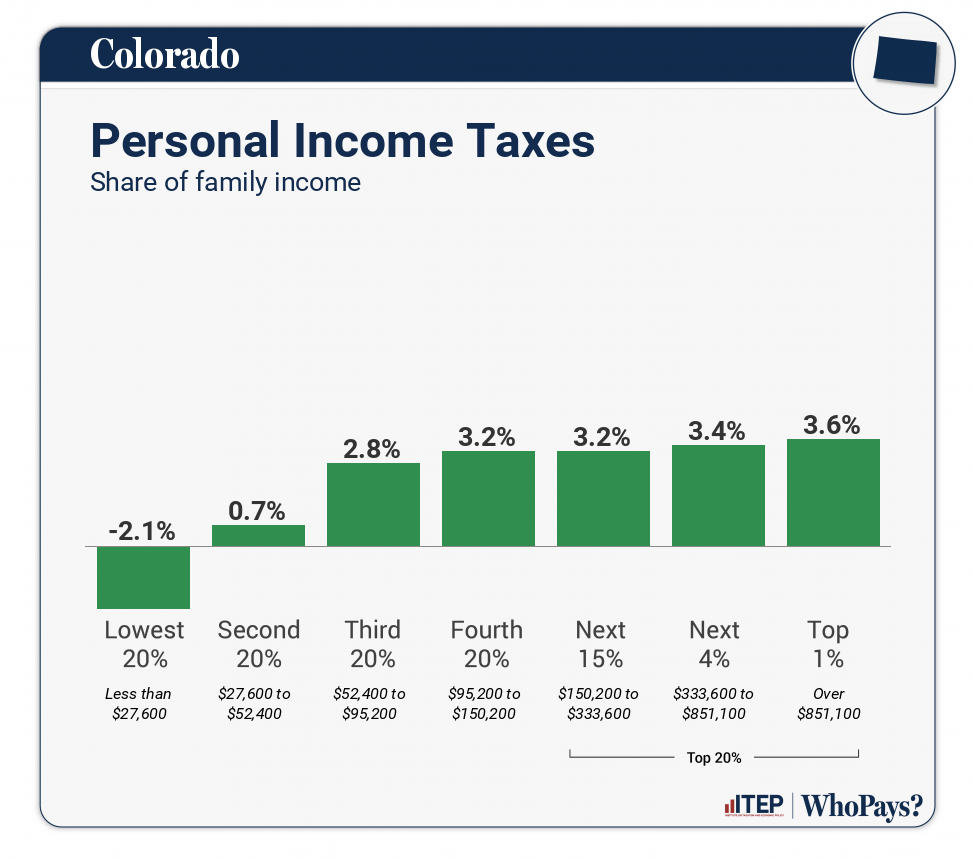
For those with flexible lifestyles, the decision of where to reside often involves comparing the total tax burden across different states. Colorado’s flat income tax rate makes it an interesting case study. For instance, states like Florida and Texas have no state income tax, which can be highly attractive. However, these states often rely more heavily on property and sales taxes, which might translate to a higher overall tax burden for certain income levels or spending habits. Conversely, states like California boast significantly higher progressive income tax rates, but might offer other benefits or lower property taxes in certain areas.
The “best” tax state for your lifestyle depends entirely on your personal financial situation, income level, spending habits, and assets. A high-income earner might find Colorado’s flat tax appealing compared to a state with steep progressive rates, while a low-income individual might find greater relief in states with more generous deductions or credits. Ultimately, understanding “What Is Colorado Income Tax?” is just the first step in a comprehensive financial assessment for anyone seeking to embrace the unique and rewarding lifestyle that Colorado offers. It empowers individuals to make informed decisions that align their financial planning with their aspirations for living, working, and thriving in the Centennial State.
LifeOutOfTheBox is a participant in the Amazon Services LLC Associates Program, an affiliate advertising program designed to provide a means for sites to earn advertising fees by advertising and linking to Amazon.com. Amazon, the Amazon logo, AmazonSupply, and the AmazonSupply logo are trademarks of Amazon.com, Inc. or its affiliates. As an Amazon Associate we earn affiliate commissions from qualifying purchases.