
Understanding the nuances of legal principles is crucial for navigating personal injury claims, particularly within the context of tourism and travel. In Florida, a state renowned for its vibrant attractions and popular vacation destinations, incidents leading to injury can occur. When these situations arise, the legal framework governing liability is paramount. One of the most significant concepts in this regard is comparative negligence. This principle profoundly impacts how fault is assessed and damages are awarded in accident cases. For travelers visiting destinations like Orlando or enjoying the beaches of Miami, a clear comprehension of comparative negligence in Florida law can be the difference between a fair resolution and an unjust outcome.
The Foundation of Negligence and Liability
Before delving into comparative negligence, it’s essential to grasp the basic tenets of negligence. In Florida, as in most jurisdictions, negligence occurs when an individual or entity fails to exercise the reasonable care that a prudent person would under similar circumstances, and this failure results in harm to another party. To establish negligence, four elements typically must be proven:
- Duty of Care: The defendant owed a legal duty to the plaintiff. For instance, a hotel has a duty to maintain safe premises for its guests, and a tour operator has a duty to ensure the safety of participants in their excursions.
- Breach of Duty: The defendant breached that duty of care by acting or failing to act in a way that a reasonable person would not have. This could involve a hotel failing to repair a faulty railing, or a theme park not adequately supervising a ride.
- Causation: The defendant’s breach of duty directly caused the plaintiff’s injuries. There must be a causal link between the negligent act and the resulting harm.
- Damages: The plaintiff suffered actual damages as a result of the injury. These damages can be economic (medical bills, lost wages) or non-economic (pain and suffering, emotional distress).
When these elements are met, the defendant can be held liable for the plaintiff’s injuries. However, the scenario becomes more complex when the injured party is also found to have contributed to their own harm. This is where comparative negligence comes into play.
Introducing Comparative Negligence in Florida
Florida operates under a system of pure comparative negligence. This means that even if a plaintiff is found to be 99% at fault for their own injuries, they can still recover 1% of their damages from the at-fault defendant. This contrasts with other states that might follow a modified comparative negligence system, where a plaintiff’s recovery is barred if they are found to be more than 50% (or 51%) at fault, or a system of contributory negligence, where any fault on the part of the plaintiff completely bars recovery.
The core idea of comparative negligence is to apportion fault and damages among all parties involved in an accident. Instead of a win-or-lose scenario based on a plaintiff’s potential fault, the system aims for a more equitable distribution of responsibility. In the context of a tourist injured at a resort in Key West or while participating in an activity at a national park like the Everglades, this means that the jury or judge will determine the percentage of fault attributable to each party.
How Fault is Apportioned
When a case proceeds to trial, the jury (or the judge, in a bench trial) will be tasked with determining the following:
- The extent of the plaintiff’s damages.
- The percentage of fault of the defendant(s).
- The percentage of fault of the plaintiff.
If, for example, a tourist slips and falls in a hotel lobby in Tampa due to a spill that the hotel staff failed to clean up in a timely manner, but the tourist was also running through the lobby against posted signs, a jury might apportion fault. They could find the hotel 70% at fault for not maintaining a safe environment and the tourist 30% at fault for their own carelessness.
Impact on Damage Awards
The apportionment of fault directly impacts the amount of damages the plaintiff can recover. In the example above, if the total damages were determined to be $100,000, the plaintiff would be able to recover 70% of that amount from the hotel, which would be $70,000. The remaining $30,000 would not be recoverable because it is attributed to the plaintiff’s own comparative negligence.
This system encourages a thorough examination of all contributing factors to an accident, rather than simply focusing on the actions of the defendant. It recognizes that in many real-world scenarios, multiple parties can bear some responsibility for an incident.
Practical Implications for Travelers in Florida
For individuals visiting Florida for leisure or business, understanding comparative negligence is vital for several reasons:
1. Assumption of Risk and Personal Responsibility
While establishments have a duty to provide a safe environment, travelers also have a responsibility to exercise reasonable care for their own safety. This includes obeying posted signs, following instructions from staff, and being aware of one’s surroundings. For instance, when enjoying an adventure activity near Palm Beach, participants should heed safety briefings. Similarly, when staying at a resort like the Ritz-Carlton Amelia Island, guests should be mindful of pool safety rules.
2. Documenting Incidents and Gathering Evidence
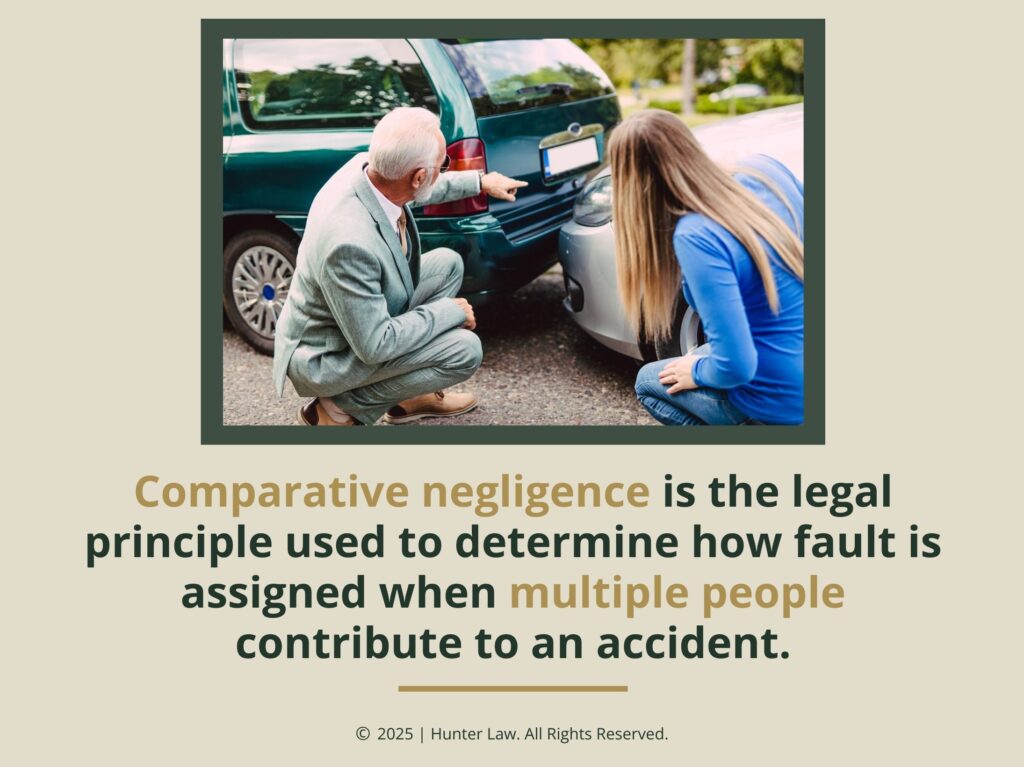
If an injury occurs, it is imperative to document the incident thoroughly. This includes taking photographs of the scene, identifying witnesses, and seeking prompt medical attention. This evidence will be crucial in establishing the facts of the case and supporting claims regarding fault. For those visiting theme parks in Orlando, such as Walt Disney World Resort or Universal Orlando Resort, detailed documentation of any ride malfunctions or slip-and-fall incidents is critical.
3. The Role of Legal Counsel
Navigating a personal injury claim, especially one involving comparative negligence, can be complex. Engaging with an experienced Florida personal injury attorney is highly recommended. An attorney can:
- Investigate the incident thoroughly.
- Gather evidence and interview witnesses.
- Assess the extent of damages.
- Negotiate with insurance companies.
- Represent the injured party in court, if necessary.
An attorney will be adept at arguing for a lower percentage of fault to be attributed to their client and a higher percentage to the defendant, thereby maximizing potential recovery.
4. Understanding Settlement Negotiations
Most personal injury cases are resolved through settlement negotiations rather than going to trial. In these negotiations, the principles of comparative negligence play a significant role. An insurance adjuster or opposing counsel will invariably attempt to argue for a higher percentage of fault on the part of the injured party to reduce the settlement offer. A skilled attorney can counter these arguments effectively. For example, if a traveler is injured at a cruise port like Port Canaveral, understanding how their own actions might be perceived in relation to the port’s or cruise line’s safety protocols is essential for negotiations.
Common Scenarios Where Comparative Negligence Arises in Florida Tourism
Several common scenarios highlight the application of comparative negligence in Florida’s tourism sector:
Slip and Fall Incidents
These are among the most frequent types of accidents. A tourist might slip on a wet floor in a restaurant at CityWalk or on a poorly maintained sidewalk outside a hotel in Fort Lauderdale. If the establishment failed to place warning signs or clean the spill promptly, they could be found negligent. However, if the injured party was distracted by their phone or not paying attention, their own comparative negligence could reduce their recovery.
Trip and Fall Incidents
Uneven pavement, poorly lit pathways, or unmarked obstacles can lead to tripping injuries. A visitor walking through a historic district like St. Augustine might trip over a cracked cobblestone that the city or a private property owner failed to repair. If the tourist was walking in a dimly lit area after hours without a flashlight, their fault might be considered.
Theme Park and Attraction Accidents
Accidents can occur on rides, due to inadequate supervision, or from falls within the expansive grounds of theme parks. A guest at Busch Gardens Tampa Bay might be injured if a ride malfunctions, but if they were not following safety instructions provided by the ride operator, their comparative fault could be a factor.
Boating and Water Sports Accidents
Florida’s extensive coastline and numerous waterways make boating and water sports popular activities. Injuries can occur due to the negligence of boat operators, equipment failure, or unsafe conditions. If a jet ski operator in Panama City Beach collides with another vessel, both parties’ actions will be scrutinized. If the injured party was operating their own vessel recklessly, their comparative negligence could impact their claim.
Hotel and Resort Premises Liability
Beyond slips and falls, injuries can arise from faulty amenities, inadequate security, or dangerous conditions on hotel property. A guest at a resort in the Florida Keys might be injured by a poorly maintained elevator or an unsafe swimming pool. If the guest disregarded safety signage or engaged in risky behavior, comparative negligence could be a consideration.

Conclusion: Navigating the Legal Landscape
Comparative negligence in Florida law is a fundamental principle that ensures a fairer allocation of responsibility and damages in personal injury cases. For travelers enjoying the diverse offerings of the Sunshine State, from the theme parks of Orlando to the serene beaches of the Gulf Coast, understanding this doctrine is empowering. It underscores the importance of exercising personal responsibility while also recognizing the duty of care owed by businesses and service providers. By being aware of these legal principles and taking appropriate steps to document incidents, travelers can better navigate the complexities of potential injury claims and ensure that justice is served according to Florida law.
LifeOutOfTheBox is a participant in the Amazon Services LLC Associates Program, an affiliate advertising program designed to provide a means for sites to earn advertising fees by advertising and linking to Amazon.com. Amazon, the Amazon logo, AmazonSupply, and the AmazonSupply logo are trademarks of Amazon.com, Inc. or its affiliates. As an Amazon Associate we earn affiliate commissions from qualifying purchases.