
The pursuit of a fulfilling and stable career in the healthcare sector often leads individuals to explore various specialized roles. Among these, phlebotomy stands out as a critical and accessible entry point into the medical field. Phlebotomists, skilled in drawing blood for transfusions, donations, and medical testing, play an indispensable part in patient care and diagnostics. For those aspiring to embark on this path within the Golden State, understanding the specific requirements and pathways in California is paramount. This guide aims to demystify the process, from initial training to professional licensure, ensuring a clear roadmap for aspiring phlebotomists.

Understanding the Role of a Phlebotomist in California
A phlebotomist’s responsibilities extend beyond simply collecting blood. They are often the first point of contact for patients in a laboratory or clinical setting and must possess excellent interpersonal skills, a steady hand, and a thorough understanding of safety protocols. In California, the demand for certified phlebotomists is consistently high, driven by an aging population and advancements in medical diagnostics.
Scope of Practice and Responsibilities
The primary duty of a phlebotomist is to safely and accurately collect blood specimens from patients. This involves:
- Patient Interaction: Greeting patients, explaining the procedure, answering questions, and ensuring their comfort and cooperation.
- Site Selection: Identifying appropriate veins for venipuncture, typically in the arm, but sometimes in the hand or foot, depending on the patient’s condition and the type of draw.
- Specimen Collection: Using sterile equipment, such as needles and collection tubes, to draw blood according to established medical standards and patient identification protocols.
- Specimen Handling and Labeling: Properly labeling all collected specimens with patient information, date, and time, and preparing them for transport to the laboratory.
- Equipment Sterilization and Maintenance: Ensuring all equipment is clean, sterilized, and properly disposed of after use to prevent the spread of infection.
- Record Keeping: Maintaining accurate records of blood draws, patient information, and any adverse reactions.
- Adherence to Safety Protocols: Strictly following universal precautions, infection control guidelines, and biohazard waste disposal procedures to protect both patients and healthcare professionals.
While the core function is blood collection, phlebotomists may also be trained to perform other basic laboratory tasks, such as collecting urine or saliva specimens, performing basic point-of-care testing (like blood glucose monitoring), and preparing patients for other medical procedures. The specific duties can vary depending on the healthcare setting, such as hospitals, clinics, diagnostic laboratories, or blood donation centers.
Work Environments and Career Outlook
Phlebotomists in California can find employment in a diverse range of settings. Common workplaces include:
- Hospitals: Working in hospital laboratories, emergency departments, or outpatient services.
- Physician Offices and Clinics: Supporting routine diagnostic testing for patients visiting their doctors.
- Diagnostic Laboratories: Such as Quest Diagnostics or LabCorp, which specialize in processing a high volume of laboratory tests.
- Blood Donation Centers: Like those operated by the American Red Cross, where phlebotomists are crucial for collecting blood donations.
- Mobile Phlebotomy Services: Providing blood collection services to patients who are homebound or cannot easily travel to a clinic.
The career outlook for phlebotomists in California is projected to be strong, with job growth anticipated to outpace the average for all occupations. This demand is fueled by the increasing need for diagnostic testing across all age groups and the continuous expansion of healthcare services. The role also offers a stable career path with opportunities for advancement, such as moving into supervisory roles or pursuing further education in other healthcare professions like nursing or medical technology.
Educational and Training Requirements in California
Becoming a phlebotomist in California requires specific training and, in many cases, certification. The state has established guidelines to ensure that individuals entering this profession are adequately prepared to perform their duties safely and competently.
Choosing an Accredited Phlebotomy Program
The first step for most aspiring phlebotomists is to enroll in a phlebotomy training program. In California, these programs are typically offered by:
- Community Colleges: Many community colleges offer certificate programs in phlebotomy that are often more affordable and comprehensive.
- Vocational Schools and Trade Schools: These institutions specialize in career-focused training and can provide intensive, short-term programs.
- Hospitals and Medical Centers: Some healthcare facilities offer their own training programs, often in partnership with educational institutions, providing hands-on experience within their own settings.
When selecting a program, it is crucial to ensure it is accredited by a recognized accrediting body or approved by the California Department of Public Health (CDPH) or a similar regulatory agency. Accreditation signifies that the program meets rigorous educational standards. Key components of a quality phlebotomy program include:
- Classroom Instruction: Covering theoretical knowledge such as anatomy and physiology, blood collection techniques, laboratory safety, infection control, legal and ethical aspects of healthcare, and patient communication.
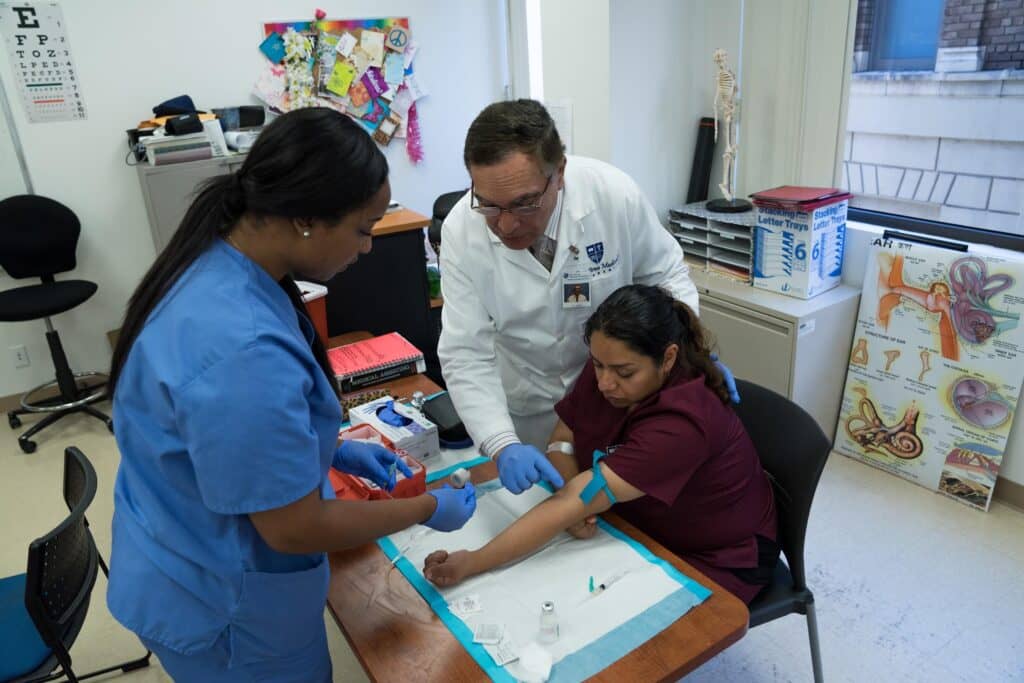
- Laboratory Practice: Hands-on training in a simulated laboratory environment to practice venipuncture, capillary puncture, and specimen handling.
- Clinical Externship: A mandatory supervised practical experience in a real healthcare setting, such as a hospital or clinic, where students perform blood draws on actual patients under the guidance of experienced professionals. This is a critical component that allows students to hone their skills in a live setting and gain confidence.
The duration of phlebotomy programs can vary, typically ranging from a few weeks to several months, depending on the program’s intensity and curriculum. Upon successful completion of the program, students receive a certificate of completion.
Certification and Licensure in California
While not all states require phlebotomists to be licensed, California mandates that individuals performing phlebotomy work in licensed clinical laboratories must be certified by a CDPH-approved phlebotomy training program and, for certain roles, hold a state-issued certificate. This certification process ensures that individuals meet the state’s standards for competency.
To obtain a phlebotomy certificate in California, individuals generally need to:
- Complete an Approved Phlebotomy Training Program: This includes both didactic and clinical components.
- Pass a Certification Examination: After completing an approved program, graduates must pass a national certification exam administered by an approved certifying body. Common certifying organizations include the American Society for Clinical Pathology (ASCP) Board of Certification, the National Healthcareer Association (NHA), and the American Medical Technologists (AMT). The exam typically assesses knowledge of phlebotomy principles, procedures, safety, and patient care.
- Apply for Certification: Following successful completion of the examination, individuals must apply for their certification through the certifying organization.
- Meet California’s Specific Requirements: While national certifications are often accepted, California has its own framework for recognizing phlebotomists working in clinical settings. Graduates from CDPH-approved programs are typically eligible to take the national certification exams that are recognized by the state.
It is essential to verify the latest regulations and requirements with the California Department of Public Health and the chosen certifying agency, as these can be subject to change. The certification is usually valid for a specific period and requires renewal, which often involves continuing education credits to stay current with best practices and advancements in the field.
Essential Skills and Qualities for Aspiring Phlebotomists
Beyond the formal educational requirements, certain personal attributes and developed skills are crucial for success and patient satisfaction in phlebotomy. These soft skills, combined with technical proficiency, create a well-rounded healthcare professional.
Technical Proficiency and Safety
Mastery of technical skills is non-negotiable for a phlebotomist. This includes:
- Venipuncture Techniques: Proficiently performing venipuncture on diverse patient populations, including adults, children, and the elderly, using different needle gauges and collection tubes. This also involves knowing how to handle difficult draws, such as those from patients with fragile veins or those who are apprehensive.
- Capillary Puncture: Skillfully performing finger or heel sticks for infants or when only small amounts of blood are needed for point-of-care testing.
- Specimen Integrity: Understanding how to collect, label, and handle specimens to prevent contamination, hemolysis, or degradation, ensuring accurate test results.
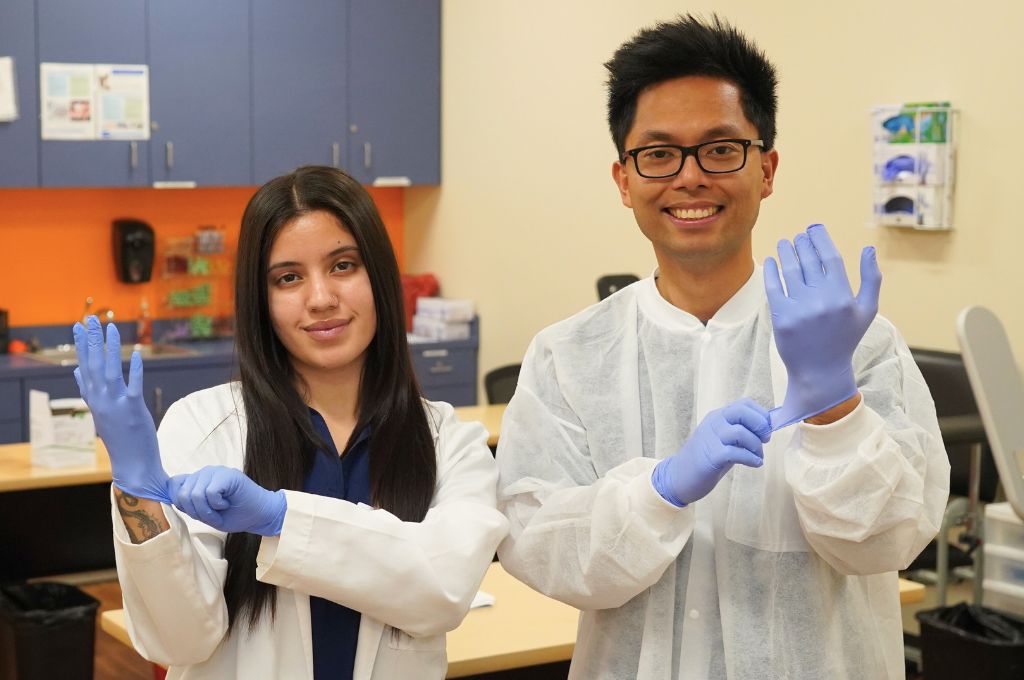
- Infection Control: Strict adherence to universal precautions, including proper hand hygiene, wearing personal protective equipment (PPE) such as gloves, masks, and gowns, and safely disposing of sharps and biohazardous waste. This is critical for preventing the transmission of bloodborne pathogens.
Interpersonal Skills and Patient Care
Phlebotomists interact with patients during what can sometimes be a stressful or uncomfortable experience. Therefore, exceptional interpersonal skills are vital:
- Communication: Clearly explaining procedures to patients, addressing their concerns, and providing reassurance. Active listening and empathy are key to building trust.
- Compassion and Empathy: Understanding that patients may be anxious, in pain, or unwell, and approaching them with kindness and understanding.
- Professionalism: Maintaining a calm and professional demeanor, even in challenging situations, and upholding ethical standards of practice.
- Attention to Detail: Meticulously verifying patient identification, correctly labeling specimens, and accurately recording information to prevent errors.
- Stress Management: The ability to remain composed and efficient under pressure, particularly in fast-paced environments like emergency rooms or busy clinics.
Critical Thinking and Problem-Solving
While phlebotomy is a procedural task, critical thinking is essential for identifying and responding to potential issues:
- Recognizing Complications: Being able to identify and respond appropriately to adverse reactions such as fainting (syncope), hematomas, or nerve damage.
- Troubleshooting: Skillfully managing situations where a vein is difficult to locate or access.
- Adherence to Protocols: Understanding and applying facility-specific protocols and standing orders for various patient conditions and laboratory tests.
Developing these skills requires a combination of formal training, practical experience, and a genuine commitment to patient well-being and healthcare excellence.
Navigating Your Career Path as a California Phlebotomist
Once you have successfully completed your training and obtained your certification, the next step is to launch and advance your career as a phlebotomist in California. This involves effective job searching, understanding the employment landscape, and considering avenues for professional growth.
Job Search Strategies and Application Process
Finding your first phlebotomy position can be an exciting phase. Utilize a multi-faceted approach to your job search:
- Online Job Boards: Websites like Indeed, LinkedIn, Glassdoor, and specialized healthcare job boards are excellent resources for listings. Use keywords such as “phlebotomist,” “certified phlebotomist,” “California,” and specific city names.
- Healthcare Facility Websites: Directly visit the careers sections of major hospital networks (Sutter Health, Kaiser Permanente), diagnostic laboratories (Dignity Health, Providence), and large clinic groups.
- Networking: Attend career fairs hosted by your training institution or local healthcare organizations. Connect with instructors, clinical supervisors, and fellow students, as they can often provide leads or referrals.
- Recruitment Agencies: Specialized healthcare staffing agencies can connect you with employers seeking phlebotomists.
When applying, ensure your resume highlights your phlebotomy certification, relevant clinical experience, technical skills, and any specific certifications (e.g., CPR). Tailor your cover letter to each specific job, emphasizing why you are a good fit for that particular organization and role. Prepare thoroughly for interviews by reviewing common phlebotomy interview questions, practicing your responses, and researching the facility.
Opportunities for Advancement and Specialization
The field of phlebotomy offers more than just a static role. With experience and further training, you can expand your career horizons:
- Lead Phlebotomist/Phlebotomy Supervisor: As you gain experience, you may have opportunities to supervise other phlebotomists, manage daily operations, and ensure quality control within a laboratory or clinic.
- Mobile Phlebotomist: If you enjoy independence and varied patient interactions, a mobile phlebotomy role allows you to travel to different patient locations.
- Specialized Collections: Some phlebotomists gain expertise in specialized areas, such as pediatric phlebotomy, geriatric phlebotomy, or working with patients requiring frequent blood draws for specific conditions like dialysis.
- Phlebotomy Instructor: Experienced and certified phlebotomists can pursue opportunities to teach in phlebotomy training programs, sharing their knowledge and skills with the next generation of professionals.
- Transition to Other Healthcare Roles: A foundation in phlebotomy can serve as an excellent stepping stone for further education and careers in nursing, medical assisting, laboratory technology, or other allied health professions. Many phlebotomy programs include courses that can transfer to associate’s or bachelor’s degree programs, making the transition smoother.
Continuing Education and Professional Development
To remain competitive and uphold the highest standards of practice, continuous learning is essential. Many certification bodies require ongoing continuing education units (CEUs) for license renewal. These CEUs can be obtained through:
- Workshops and Seminars: Attending professional development events focused on new techniques, safety updates, or specialized procedures.
- Online Courses: Many accredited organizations offer online courses that cover a range of phlebotomy-related topics.
- Professional Conferences: Engaging with peers and experts at national or state phlebotomy conferences provides insights into industry trends and best practices.
By actively pursuing ongoing education and seeking out opportunities for growth, a phlebotomist in California can build a rewarding and dynamic career in the vital field of healthcare.
LifeOutOfTheBox is a participant in the Amazon Services LLC Associates Program, an affiliate advertising program designed to provide a means for sites to earn advertising fees by advertising and linking to Amazon.com. Amazon, the Amazon logo, AmazonSupply, and the AmazonSupply logo are trademarks of Amazon.com, Inc. or its affiliates. As an Amazon Associate we earn affiliate commissions from qualifying purchases.