
Arizona is a land of breathtaking landscapes, from the majestic Grand Canyon to the vibrant desert cities of Phoenix and Tucson. Millions of tourists flock to the state each year, eager to explore its natural wonders, rich history, and unique cultural offerings. For many, a road trip is the ideal way to experience the vastness and beauty of the Grand Canyon State. However, driving through Arizona comes with its own set of rules, and understanding these is paramount to a stress-free vacation. One particular law that often surprises visitors, and can turn a memorable trip into a legal nightmare, is the concept of criminal speeding.
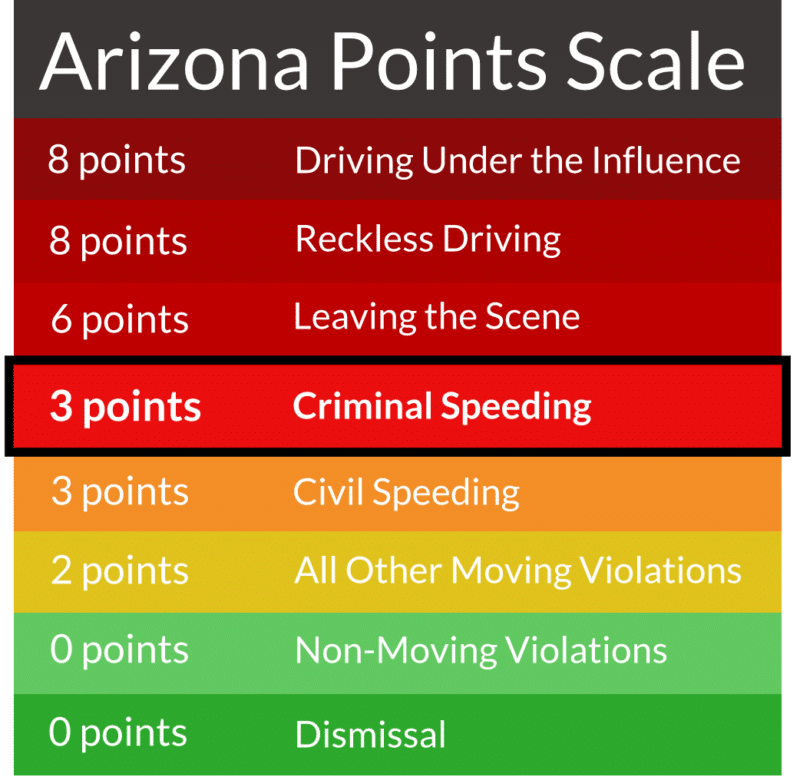
Unlike a typical speeding ticket, which is a civil infraction, criminal speeding in Arizona is a misdemeanor offense with far more serious repercussions. It’s a critical piece of information for anyone planning to hit the road in the state, whether you’re renting a car for a scenic drive or passing through on a cross-country journey. This comprehensive guide aims to demystify criminal speeding, outlining what it is, why it exists, its potential consequences, and most importantly, how to avoid it altogether, ensuring your Arizona adventure remains purely enjoyable.
Navigating Arizona’s Roadways: Beyond Standard Speeding Fines
For many drivers, a speeding ticket is an unwelcome but generally manageable inconvenience, often resulting in a fine and perhaps a few points on their driving record. However, Arizona distinguishes itself with a strict approach to excessive speed, elevating certain violations from civil infractions to criminal misdemeanors. This distinction is crucial for both residents and visitors alike, as misunderstanding it can lead to significant legal and financial headaches, potentially disrupting an entire travel itinerary.
The Distinction: Civil vs. Criminal Infractions
Most speeding violations across the United States are considered civil infractions. These typically involve a monetary fine, and possibly points assessed against your driver’s license, which can lead to increased insurance premiums. You pay the fine, perhaps attend traffic school, and move on. Criminal speeding, by contrast, is a much more serious matter. It implies a higher degree of negligence or disregard for public safety, and as such, it carries the weight of a criminal charge. This means it can lead to arrest, jail time, a criminal record, and a host of other severe penalties that extend far beyond a simple fine. For a tourist, this can mean a mandatory court appearance, potentially requiring an unexpected return to Arizona long after their vacation has ended.
Why Arizona Has Tougher Laws
Arizona’s vast and often sparsely populated highways might tempt some drivers to push the limits. However, the state’s seemingly endless stretches of road also present unique hazards, including sudden changes in terrain, wildlife crossings, and extreme weather conditions. The state has a vested interest in road safety, protecting both its residents and the millions of tourists who visit annually. Tougher speeding laws, including criminal speeding statutes, are designed to deter extremely reckless driving, which significantly increases the risk of severe accidents. These laws serve as a strong deterrent, aiming to maintain order and safety on roads that traverse diverse environments, from the busy freeways of Phoenix and Tucson to the winding mountain passes near Flagstaff and the remote desert routes.
Defining Criminal Speeding in Arizona: Key Thresholds for Visitors
Understanding the specific conditions that constitute criminal speeding is the first step in avoiding this serious charge. Arizona Revised Statutes (A.R.S.) §28-701.02 explicitly defines what actions fall under this category. It’s not simply about driving “very fast”; there are precise thresholds that, once crossed, elevate a routine traffic stop to a criminal matter. For visitors unfamiliar with Arizona law, these definitions are particularly vital, as they might differ significantly from what they are accustomed to in their home state or country.
Exceeding 35 MPH Over the Posted Limit
One of the most common ways drivers, including tourists, find themselves facing criminal speeding charges is by exceeding the posted speed limit by a significant margin. Specifically, if you are caught driving more than 35 miles per hour over the posted speed limit, regardless of what that limit is, you can be charged with criminal speeding. For instance, if you’re driving 70 mph in a 30 mph zone within a city or town, or 100 mph in a 65 mph zone on a rural highway, you’ve crossed this threshold. This threshold is absolute, meaning it applies uniformly across all types of roads, from residential streets to major interstates. It highlights the importance of always being vigilant about speed limit signs, which can change rapidly as you transition between different areas.
Exceeding 85 MPH on Any Highway
Another critical trigger for criminal speeding in Arizona is exceeding a specific absolute speed on any highway. If you are caught driving over 85 miles per hour on any highway in the state, you will be charged with criminal speeding, irrespective of the posted speed limit. Even if the speed limit is 75 mph on a stretch of I-10 or I-40, driving at 86 mph or higher will put you in criminal territory. This particular rule is designed to curb excessively high-speed driving on Arizona’s expansive highway network, recognizing the increased danger associated with such speeds, especially given the potential for unexpected obstacles or sudden changes in traffic flow.
Racing on Highways
While less common for the average tourist, participating in a speed contest or “racing” on any highway is also explicitly defined as criminal speeding. This includes not just organized races but any act where drivers attempt to outpace or challenge another driver’s speed. Such behavior is deemed inherently reckless and dangerous, posing a severe threat to public safety. Visitors should avoid any form of aggressive or competitive driving, especially when sharing the road with others, to prevent this serious charge.
The Far-Reaching Consequences: More Than Just a Fine for Arizona Tourists
Being charged with criminal speeding in Arizona is a significant event that can dramatically derail travel plans and have lasting repercussions. It’s essential for visitors to grasp the severity of these potential outcomes to fully appreciate why understanding and adhering to Arizona’s traffic laws is non-negotiable.
Immediate Legal Repercussions
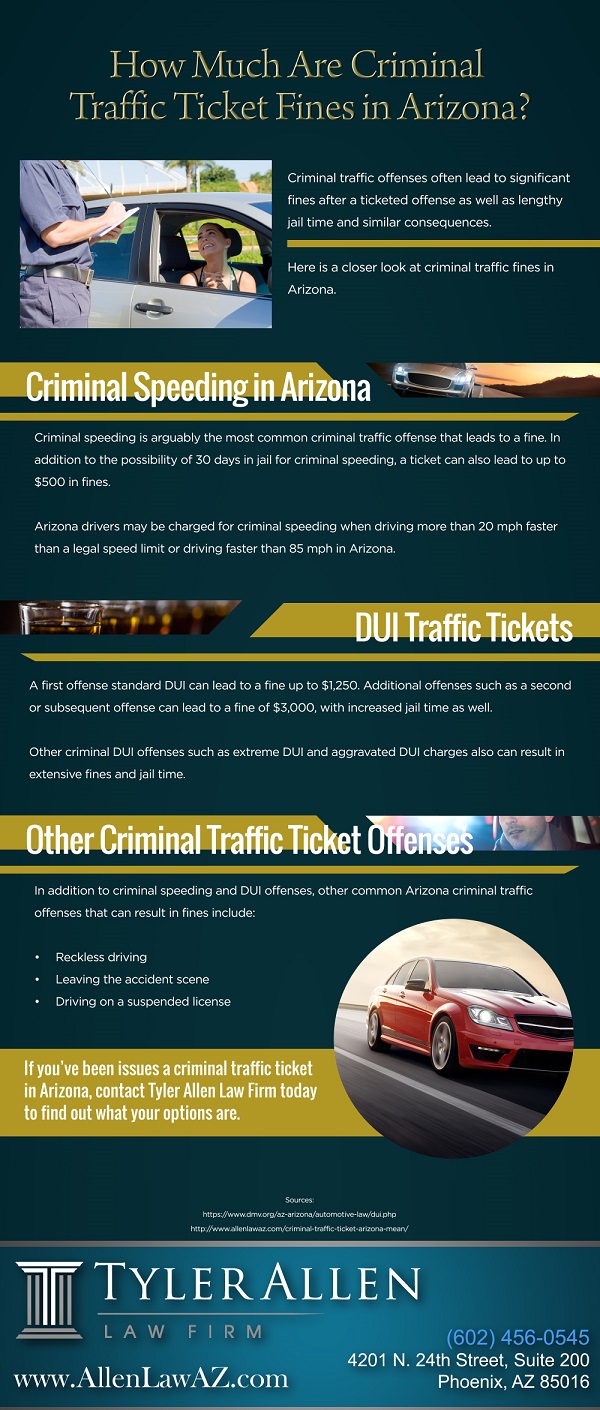
The immediate aftermath of a criminal speeding stop can be startling. Unlike a civil infraction where you might simply be issued a ticket, a criminal speeding charge can lead to immediate arrest. Your rental car could be impounded, leaving you stranded and scrambling for alternative transportation and accommodation. You will likely be required to appear in an Arizona court, which could mean extending your trip unexpectedly or, worse, having to travel back to the state at a later date, incurring significant additional expenses and disruptions. A criminal speeding conviction is a Class 3 misdemeanor in Arizona, which, while the lowest class of misdemeanor, still carries serious weight. Penalties can include fines of up to $500 (plus surcharges), up to 30 days in jail, and up to one year of probation. Although jail time is rare for first-time offenders, especially visitors, it remains a distinct possibility under the law.
Long-Term Impacts on Your Travel & Beyond
The consequences of an Arizona criminal speeding conviction can extend far beyond the immediate legal process. For drivers licensed in other states or countries, the conviction will typically be reported to their home licensing authority, leading to points on their driving record and potentially a suspension or revocation of their driver’s license. Your car insurance premiums are almost certain to increase significantly, and the criminal record itself can have broader implications. For instance, if you ever apply for certain jobs, professional licenses, or even visas for international travel, you may be asked to disclose any criminal convictions, and an Arizona misdemeanor would appear. This can complicate future travel plans and opportunities, tarnishing an otherwise clean record. The disruption, stress, and financial burden associated with a criminal speeding charge can overshadow the memories of your Arizona adventure for years to come.
Practical Tips for Avoiding Criminal Speeding on Your Arizona Journey
Preventing a criminal speeding charge is straightforward: drive responsibly and know the law. For visitors traversing Arizona’s diverse terrain, a few practical habits can make all the difference in ensuring a smooth and enjoyable trip free from legal troubles.
Adhering to Posted Speed Limits Diligently
This might seem obvious, but it is the most effective defense against any speeding charge. Pay close attention to all speed limit signs, especially when entering and exiting towns, construction zones, or school zones. Speed limits can change rapidly, particularly on highways that transition from open rural stretches into more developed areas like Scottsdale or Flagstaff. Always err on the side of caution; if you’re unsure, assume a lower limit. Remember the key thresholds: stay well below 85 mph on any highway and never exceed the posted limit by more than 35 mph.
Understanding Speed Limit Variations
Arizona’s speed limits vary significantly depending on the type of road and location. While many interstates have a maximum speed limit of 75 mph, urban freeways, even within cities like Phoenix, often have limits of 65 mph. Arterial roads in towns typically range from 35-55 mph, and residential areas and school zones can drop to 15-25 mph. Be particularly mindful of these changes; don’t assume the limit you saw 50 miles ago is still applicable. Reduced speed limits in construction zones are also strictly enforced for the safety of workers and drivers.
Utilize Technology Wisely
Modern vehicle technology and smartphone applications can be valuable allies. Many GPS navigation apps, such as Google Maps or Waze, display the current speed limit for the road you’re on, often with real-time updates. Use your car’s cruise control feature on highways to maintain a consistent and legal speed, helping to avoid inadvertently creeping above the limit. However, don’t rely solely on technology; always confirm limits with posted signs.
Drive Defensively and Be Aware of Your Surroundings
Adopt a defensive driving posture. Avoid tailgating, aggressive lane changes, and any behavior that could be interpreted as racing. Be mindful of other drivers, but do not let their speed dictate yours. If you notice a line of cars going significantly faster than the posted limit, it’s safer to maintain your legal speed rather than risk a ticket by following the flow of traffic. Be aware of law enforcement presence, especially in areas known for speed traps or near county lines. Focus on the road, minimize distractions, and give yourself plenty of time to reach your destination without feeling the need to rush.
If You’re Pulled Over in Arizona: A Visitor’s Guide to Responsible Conduct
Even the most cautious driver can find themselves pulled over by law enforcement. Knowing how to react calmly and respectfully can help de-escalate the situation and protect your rights, especially if you’re facing a potential criminal speeding charge as a visitor to Arizona.
Safely Pull Over and Cooperate
As soon as you notice flashing lights, signal safely and pull over to the right side of the road, in a well-lit area if possible. Turn off your engine, turn on your interior lights if it’s dark, and keep your hands visible on the steering wheel. Do not reach for your wallet or documents until the officer requests them. When the officer approaches, remain in your vehicle unless specifically instructed to exit. Be polite, answer questions truthfully, but avoid admitting guilt directly or making self-incriminating statements.
What to Say (and Not to Say)
You are required to provide your driver’s license, vehicle registration, and proof of insurance upon request. Beyond that, remember that anything you say can be used against you. While it’s important to be respectful, you are not obligated to explain why you were speeding or engage in extensive conversation. If asked a question that might incriminate you, you can politely state, “Officer, I prefer not to answer any questions without my attorney present.” This is your constitutional right. Do not argue with the officer or make excuses; it rarely helps and can often worsen the situation.
Seeking Legal Counsel
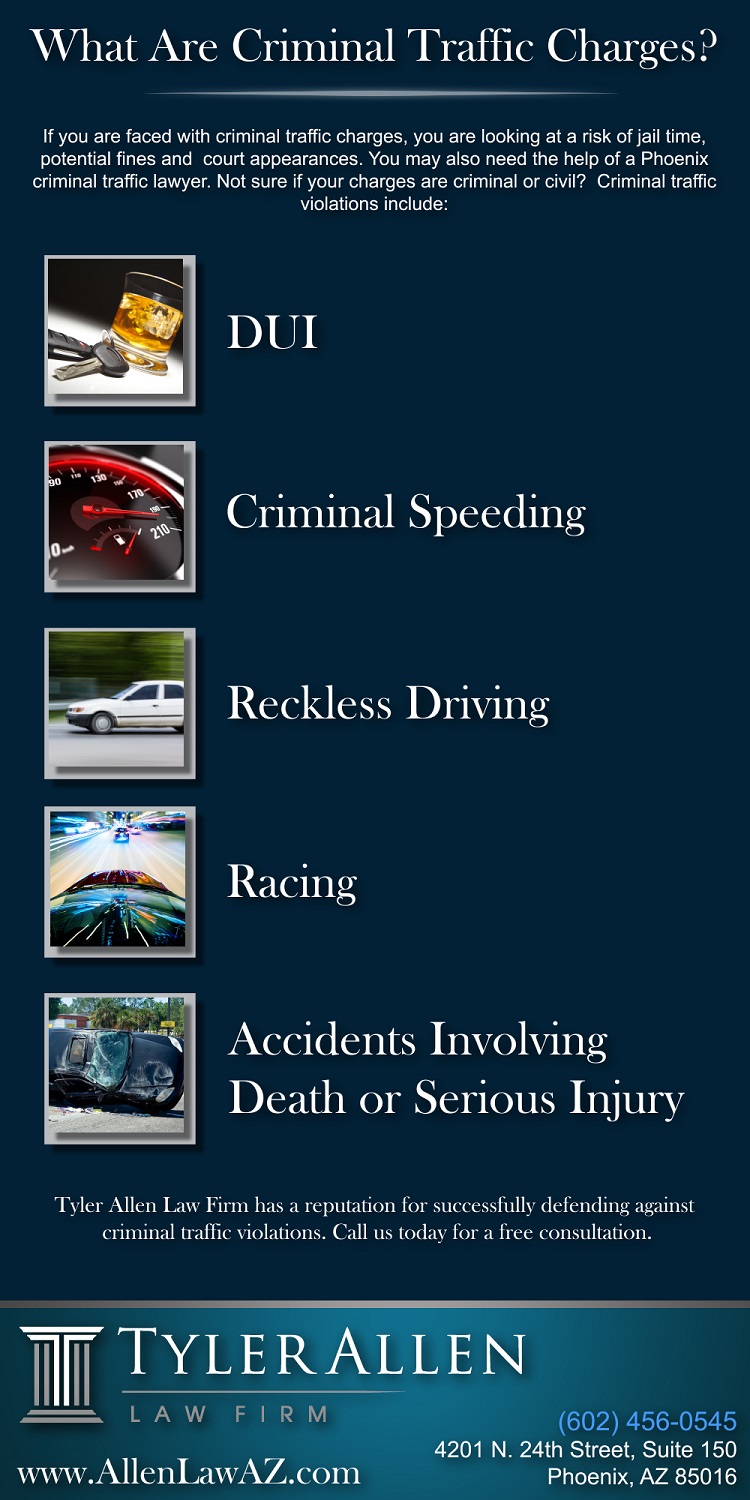
If the officer indicates you are being charged with criminal speeding, or if you are arrested, it is imperative to seek legal counsel immediately. For an out-of-state or international visitor, navigating Arizona’s criminal justice system can be daunting and complex. An experienced Arizona traffic attorney can explain your rights, represent you in court, and work to minimize the impact of the charge on your record and travel plans. Do not attempt to handle a criminal speeding charge on your own; the stakes are too high.
In conclusion, a road trip through Arizona offers unparalleled opportunities for discovery and adventure. By understanding and respecting the state’s stringent laws regarding criminal speeding, visitors can ensure their journey remains safe, enjoyable, and free from unforeseen legal complications. Drive responsibly, be aware of your surroundings, and cherish the stunning beauty that Arizona has to offer.
LifeOutOfTheBox is a participant in the Amazon Services LLC Associates Program, an affiliate advertising program designed to provide a means for sites to earn advertising fees by advertising and linking to Amazon.com. Amazon, the Amazon logo, AmazonSupply, and the AmazonSupply logo are trademarks of Amazon.com, Inc. or its affiliates. As an Amazon Associate we earn affiliate commissions from qualifying purchases.