
Understanding the current minimum wage in California is not merely about a figure; it’s about grasping a fundamental aspect of lifestyle in one of the world’s largest economies. California is renowned for its vibrant culture, innovative industries, and diverse landscapes, but also for its high cost of living. For millions of residents, visitors considering a long-term stay, or even businesses looking to establish a presence, the minimum wage dictates much about daily life, financial planning, and the overall quality of living. This article delves into the specifics of California’s minimum wage, exploring its nuances, its profound impact on the lifestyle of its inhabitants, and the broader economic considerations that shape the Golden State’s future. It’s a critical piece of information for anyone navigating the financial realities of this dynamic state, from budgeting for housing in Los Angeles to affording everyday essentials in San Francisco.

Understanding California’s Minimum Wage Landscape
California has long been at the forefront of progressive labor policies, and its approach to minimum wage reflects this. Unlike a static federal standard, California’s minimum wage is a dynamic and multifaceted system, influenced by both state mandates and local ordinances. This intricate structure means that what constitutes the “current” minimum wage can vary significantly depending on where one lives or works within the state. For individuals planning their lifestyle in California, deciphering this landscape is the first crucial step.
State vs. Local Ordinances
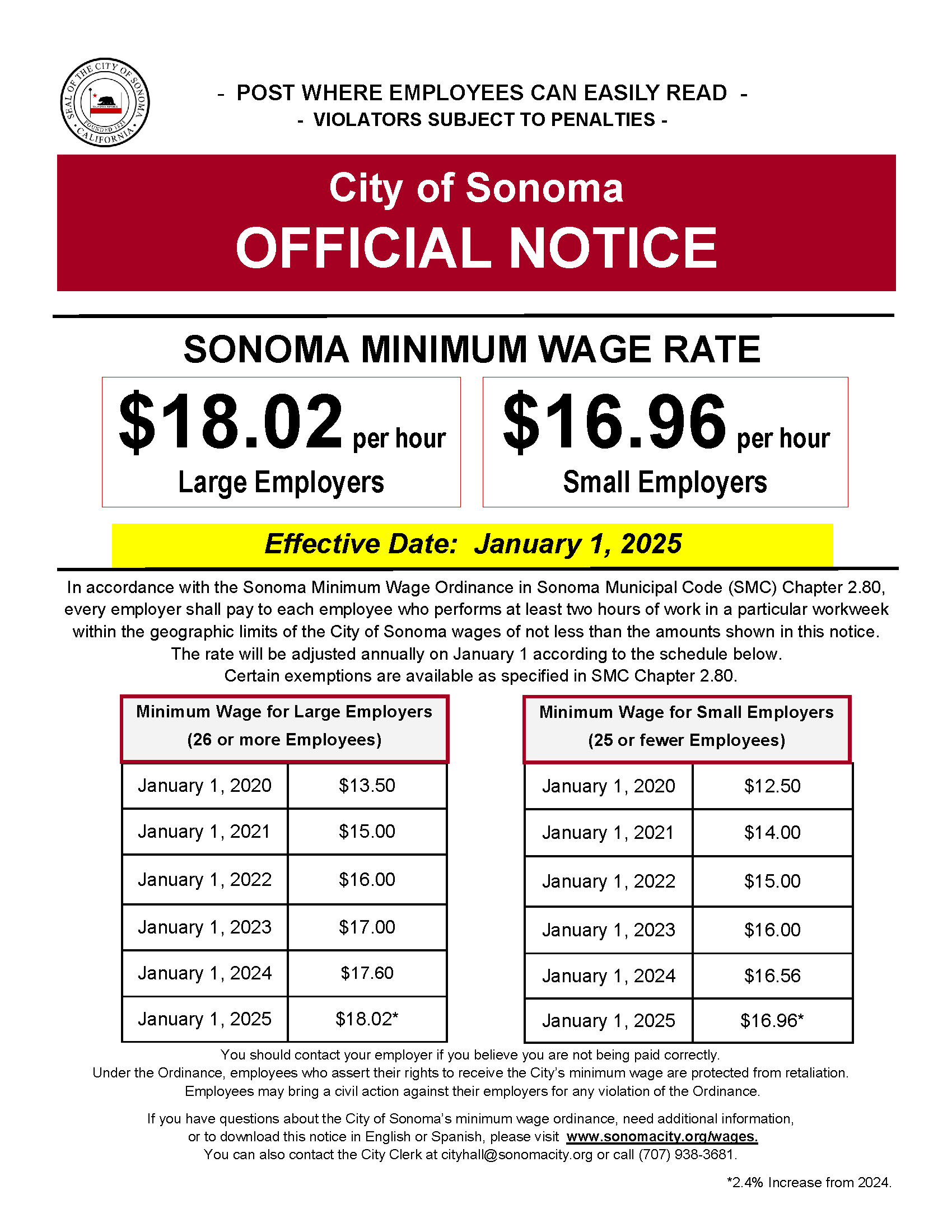
At the state level, California sets a baseline minimum wage that all employers must adhere to. This state-mandated wage typically sees annual adjustments, reflecting inflation and other economic factors, and has historically been among the highest in the United States. However, the picture becomes more complex when considering local ordinances. Many cities and counties across California have taken the initiative to establish their own minimum wage rates, often exceeding the state standard. For instance, major metropolitan areas like San Francisco, Oakland, Berkeley, and specific regions within Santa Clara County frequently implement higher minimum wages to better address their exceptionally high costs of living. This localized approach means that a worker in Sacramento might earn a different minimum wage than a peer in Los Angeles, even if both are operating under similar job descriptions. For residents, this patchwork of regulations necessitates a careful check of local laws, as it directly impacts their earning potential and, consequently, their lifestyle choices and financial planning within their specific community.
Annual Adjustments and Future Outlook
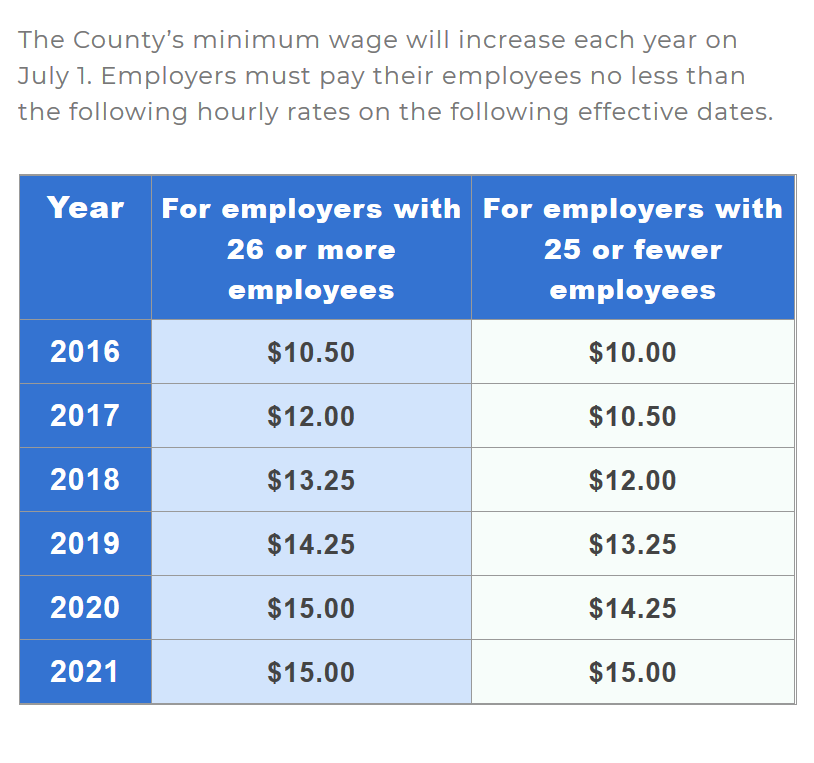
The process of adjusting California’s minimum wage is embedded in state law, typically tied to inflation metrics like the Consumer Price Index (CPI). This mechanism ensures that the minimum wage retains some purchasing power over time, a critical factor for maintaining a stable lifestyle amidst rising costs. These annual reviews provide a predictable framework for businesses and workers alike, allowing for some foresight in financial planning. However, the future outlook for California’s minimum wage is not just about automatic adjustments. Ongoing legislative debates, economic performance, and the advocacy of various interest groups continually shape its trajectory. Discussions about further increases, potentially specialized rates for specific industries (such as fast food or healthcare workers), and the broader economic implications for small businesses and consumers are constant. These policy shifts directly influence the financial landscape for millions of Californians, impacting everything from disposable income to the affordability of housing and essential services, thereby profoundly shaping their lifestyle prospects in the coming years.
The Impact of Minimum Wage on California Lifestyles
The minimum wage in California is more than just an hourly rate; it’s a critical determinant of lifestyle for a significant portion of the state’s population. In a state characterized by economic disparity and a notoriously high cost of living, understanding how this baseline income impacts daily life is essential. From the choice of neighborhood to the quality of healthcare and educational opportunities, the minimum wage casts a long shadow over the lifestyle realities of many Californians.
Cost of Living in California’s Major Cities
California’s major urban centers, such as San Francisco, Los Angeles, San Diego, and Oakland, are consistently ranked among the most expensive places to live globally. Housing costs, in particular, consume an enormous portion of income, often leaving minimum wage earners with very little disposable cash. For example, a single minimum wage worker attempting to rent an apartment in San Francisco would find it virtually impossible to afford even a studio apartment without significant financial assistance or multiple roommates. This reality forces many to commute long distances from more affordable outlying areas, sacrificing valuable personal time and increasing transportation costs. Even essential goods and services, from groceries to gasoline, tend to be pricier in these urban hubs. The impact on lifestyle is profound: limited access to cultural activities, fewer opportunities for dining out, and often, a persistent struggle to save for future goals or emergencies. This creates a distinct lifestyle for minimum wage earners, often characterized by frugality and a constant balancing act of essential needs.
Budgeting and Financial Planning for Residents
For individuals earning the minimum wage in California, meticulous budgeting and stringent financial planning are not options but necessities for survival. Every dollar must be accounted for, and discretionary spending is often a luxury. Financial planning often revolves around covering immediate needs rather than long-term investments or significant savings. This can mean delaying higher education, postponing major purchases like a car, or even forgoing medical treatments not covered by basic insurance. The absence of a substantial financial cushion also makes these individuals highly vulnerable to unexpected expenses, such as a car repair or a medical emergency, which can quickly derail their carefully constructed budgets and push them into precarious financial situations. The lifestyle dictated by minimum wage often involves making difficult choices, prioritizing immediate survival over comfort, leisure, or long-term financial security.
Affordability of Housing and Essential Services
Perhaps the most significant lifestyle challenge posed by California‘s high cost of living, especially for minimum wage earners, is the affordability of housing. The gap between the minimum wage and the average rent in metropolitan areas is vast, pushing many into overcrowded living situations, distant commutes, or even homelessness. Beyond housing, the cost of essential services like childcare, healthcare, and transportation also presents substantial hurdles. Quality childcare, for instance, can consume a significant portion of a minimum wage income, making it challenging for parents to work full-time. Access to adequate healthcare can be compromised, as even with state-subsidized programs, out-of-pocket expenses can be burdensome. Public transportation, while available in some urban centers, may not be comprehensive enough to cover extensive commutes, forcing reliance on expensive private vehicles. These factors collectively create a lifestyle where access to fundamental necessities and opportunities for advancement are severely constrained, highlighting the profound disparity between income and the cost of maintaining a basic, dignified existence in the state.
Minimum Wage and Workforce Dynamics
The minimum wage not only shapes individual lifestyles but also plays a crucial role in the broader workforce dynamics across California. Its levels and adjustments influence employment patterns, industry structures, and the competitive landscape for businesses, particularly within sectors heavily reliant on entry-level labor. Understanding these dynamics is key to comprehending the full economic and lifestyle implications of California’s wage policies.
Key Industries Affected
Several industries in California are particularly sensitive to changes in the minimum wage due to their business models and reliance on a large pool of hourly workers. The food service sector, including restaurants, cafes, and fast-food establishments, is perhaps the most prominent. As minimum wages rise, these businesses often face increased labor costs, which can lead to adjustments in staffing levels, menu prices, or even a shift towards more automated services. The retail sector, particularly small boutiques and local shops, also experiences significant impacts, influencing their ability to compete with larger chains or online retailers. Similarly, the hospitality industry, encompassing hotels, resorts, and various tourism-related services, frequently employs a substantial number of minimum wage earners. In cities like San Diego or Los Angeles, where tourism is a cornerstone of the local economy, wage increases can ripple through the entire service ecosystem, affecting everything from guest services to back-of-house operations. The lifestyle implications here are two-fold: for workers, higher wages mean improved living standards; for consumers, it might translate into slightly higher prices for goods and services they enjoy.
Small Businesses and Economic Considerations
Small businesses, often the backbone of local communities and providers of unique lifestyle offerings, are particularly vulnerable to minimum wage increases. Unlike large corporations with greater economies of scale, small businesses typically operate on tighter margins. A significant rise in labor costs can force them to make difficult choices, such as reducing staff hours, delaying expansion plans, or, in some cases, even closing down. This has a direct impact on local employment opportunities and the diversity of local economies, which in turn affects the lifestyle fabric of neighborhoods. For instance, a beloved local diner might struggle to remain competitive if its labor costs surge, potentially leading to its closure and the loss of a community staple. Economic considerations extend beyond direct costs. Advocates for higher minimum wages argue that increased purchasing power for workers stimulates local economies, as earners are more likely to spend their income locally, thereby boosting demand for goods and services. Conversely, critics voice concerns about inflation, job losses due to automation, and the potential for businesses to relocate to areas with lower labor costs. These complex economic trade-offs directly influence the types of businesses that can thrive in California, ultimately shaping the consumer choices and lifestyle options available to residents.
Navigating Lifestyle Choices on a Minimum Wage Income
Living on a minimum wage income in California demands exceptional resourcefulness and strategic planning to maintain a sustainable lifestyle. It’s a reality where every financial decision holds significant weight, and often, creativity becomes a vital tool for navigating daily life. This section explores the practical strategies and considerations for individuals striving to build a fulfilling lifestyle within the confines of a minimum wage budget in the Golden State.
Balancing Necessities and Discretionary Spending
The primary challenge for minimum wage earners is to meticulously balance essential needs against any form of discretionary spending. Necessities, including housing, food, transportation, and basic healthcare, consume the lion’s share of income. This leaves very little room for items or experiences that contribute to a broader quality of life, such as entertainment, dining out, hobbies, or even saving for a modest vacation. Lifestyle choices become highly selective; individuals might prioritize public parks over paid attractions, home-cooked meals over restaurant visits, or DIY projects over professional services. The goal is often to maximize value and stretch every dollar, which means extensive research into sales, discounts, and free community events. For many, the concept of “discretionary spending” is less about luxury and more about making intentional, often frugal, choices that provide mental breaks or small comforts without jeopardizing their core financial stability. This balancing act fundamentally shapes the day-to-day lifestyle, fostering a culture of thriftiness and resilience.
Strategies for Thrifty Living in a High-Cost State
Thrifty living in California is an art form for those on a minimum wage. Strategies often include seeking out affordable housing options, even if it means living with multiple roommates or in less desirable neighborhoods. Transportation is another major area for savings; many opt for extensive use of public transport, cycling, or ride-sharing to avoid the high costs of car ownership, insurance, and fuel. Food budgets are often managed through careful meal planning, grocery shopping at discount stores, and avoiding food waste. Accessing free or low-cost community resources, such as libraries, public recreation centers, and free cultural events, becomes crucial for leisure and personal development. Energy conservation at home, seeking out used goods rather than new, and becoming proficient in minor repairs are all common practices. These strategies, while demanding, enable individuals to carve out a viable lifestyle, demonstrating remarkable adaptability and an unwavering commitment to making ends meet in a financially challenging environment. For many, this frugal lifestyle isn’t a temporary phase but a long-term approach to life in California.
The Role of Public Assistance and Community Resources
For many minimum wage earners in California, public assistance programs and community resources are indispensable for maintaining a basic quality of life. State and federal initiatives, such as CalFresh (food stamps), Medi-Cal (health insurance), and housing assistance programs, provide a critical safety net, helping to alleviate some of the financial pressure of high living costs. Beyond government programs, a robust network of non-profit organizations and community-based services offers additional support, including food banks, affordable childcare options, legal aid, and job training. These resources are not merely supplemental; for many families and individuals, they are integral to their ability to cover essential needs and prevent homelessness or severe financial hardship. The availability and accessibility of these resources directly influence the lifestyle of minimum wage earners, offering a crucial lifeline that enables them to focus on basic survival and, for some, to work towards upward mobility. Understanding and utilizing these systems is a key component of navigating a minimum wage lifestyle in California.
Looking Ahead: Policy Debates and Lifestyle Implications
The discussion around California’s minimum wage is far from settled, with ongoing policy debates reflecting diverse economic philosophies and social priorities. These discussions are not abstract; their outcomes will profoundly shape the lifestyle of millions of Californians, influencing everything from household budgets to community stability and the overall economic landscape of the state.
Advocacy for a Living Wage
A central theme in the ongoing minimum wage debate is the push for a “living wage” — an hourly rate that allows individuals to afford basic necessities and achieve a reasonable quality of life without relying on public assistance. Advocates, including labor unions, community organizations, and social justice groups, argue that the current minimum wage, even with California’s higher state and local rates, often falls short of meeting the true cost of living in many parts of the state. They highlight that a higher living wage could alleviate poverty, reduce income inequality, improve public health outcomes, and stimulate local economies by boosting consumer spending. From a lifestyle perspective, achieving a living wage would mean less financial stress, greater access to healthy food, better housing options, and increased opportunities for education and leisure. It would enable individuals to move beyond mere survival to a place where they can invest in their futures and fully participate in their communities, fundamentally transforming their daily experiences and long-term prospects.
The Broader Economic Picture for California Residents
The implications of minimum wage policies extend beyond individual paychecks and into the broader economic picture for all California residents. Businesses, particularly small and medium-sized enterprises, grapple with increased labor costs, which can affect pricing, employment levels, and investment decisions. Policymakers must weigh the benefits of increased worker purchasing power against potential risks such as inflation, reduced competitiveness, or job displacement through automation. The outcome of these debates directly impacts the economic vitality of California and, by extension, the lifestyle quality of its entire population. A thriving economy, supported by fair wages and sustainable business practices, contributes to better public services, improved infrastructure, and a more equitable society. Conversely, an imbalanced approach could exacerbate existing inequalities or stifle economic growth. As California continues to evolve, the decisions made regarding its minimum wage will remain a critical factor in shaping the economic stability and lifestyle opportunities for everyone who calls the Golden State home.
LifeOutOfTheBox is a participant in the Amazon Services LLC Associates Program, an affiliate advertising program designed to provide a means for sites to earn advertising fees by advertising and linking to Amazon.com. Amazon, the Amazon logo, AmazonSupply, and the AmazonSupply logo are trademarks of Amazon.com, Inc. or its affiliates. As an Amazon Associate we earn affiliate commissions from qualifying purchases.