
For travelers venturing to the Sunshine State, understanding local nuances extends beyond mastering theme park maps or finding the best beachside restaurants. While Florida is renowned for its vibrant culture, stunning natural beauty, and endless recreational opportunities, it’s also a state with specific laws designed to ensure public safety and individual well-being. Among these is the Florida Baker Act, a critical piece of legislation that, while rarely encountered by the average tourist, is vital for any responsible traveler to be aware of. This guide aims to demystify the Baker Act, offering insights specifically tailored for those visiting Florida, ensuring that your trip remains as safe and informed as possible.
Understanding the Baker Act for Florida Visitors
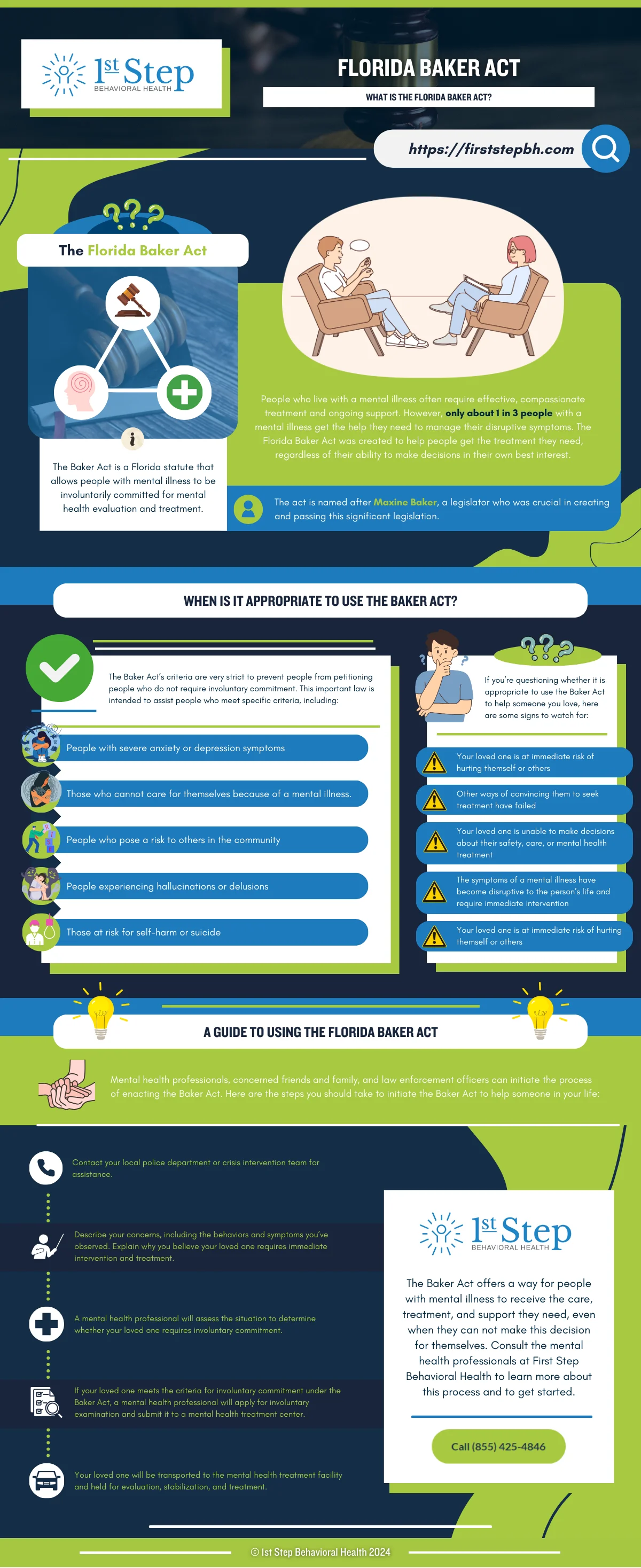
The Florida Mental Health Act, commonly known as the Baker Act, is a state law that allows for involuntary examination of individuals who are believed to have a mental illness and pose a danger to themselves or others. While it sounds formal and perhaps intimidating, its core purpose is to provide immediate, short-term stabilization and assessment for individuals experiencing acute mental health crises. For a traveler, understanding this law isn’t about anticipating trouble, but rather about being prepared and informed, much like knowing emergency service numbers or local traffic regulations.
What is the Baker Act?
The Baker Act permits a person to be taken into protective custody for an involuntary psychiatric examination if specific criteria are met. These criteria generally include:
- Reason to Believe Mental Illness: There must be evidence indicating the person has a mental illness.
- Danger to Self or Others: Due to that mental illness, the person must be a danger to themselves or others (e.g., suicidal threats, violent behavior).
- Refusal or Inability to Seek Voluntary Help: The person is unwilling or unable to determine for themselves that an examination is necessary.
Initiation of a Baker Act can come from various sources, including law enforcement officers, physicians, mental health professionals, or even court orders based on petitions from concerned citizens. Once initiated, the individual is transported to a designated Baker Act receiving facility, typically a hospital or a specialized mental health unit, for an examination lasting up to 72 hours. This period is strictly for assessment and stabilization, not long-term treatment. The goal is to determine if further voluntary or involuntary treatment is needed.
Why it Matters to Travelers in Florida
While the vast majority of tourists enjoy their Florida vacations without incident, life’s unpredictable nature means that mental health crises can arise anywhere, anytime – even away from home. Whether it’s a sudden onset of symptoms, an exacerbation of a pre-existing condition, or a reaction to stress, travel fatigue, or unexpected events, being in an unfamiliar environment can sometimes heighten vulnerabilities.
For a traveler, awareness of the Baker Act is crucial for several reasons:
- For Yourself: If you or a travel companion experience a mental health crisis, understanding the Baker Act means you’re aware of the process that might unfold if intervention is required. This knowledge can help reduce fear and confusion during what is already a distressing time.
- For Others: You might encounter someone in distress in a public place, or a travel companion might exhibit concerning behaviors. Knowing about the Baker Act allows you to understand the actions that local authorities might take and why they are taking them.
- Legal Protections: The Baker Act includes provisions for individuals’ rights, even during an involuntary examination. Knowing these rights is empowering, whether you’re the subject of an examination or advocating for a loved one.
- Cultural Context: Different regions have different approaches to mental health emergencies. In Florida, the Baker Act is the primary mechanism for urgent involuntary mental health assessment, making it an essential piece of local knowledge for any visitor.
Navigating Mental Health Crises While Traveling
Travel, by its very nature, can be both exhilarating and stressful. Changes in routine, sleep deprivation, dietary shifts, and the pressure of a new environment can sometimes trigger or exacerbate mental health challenges. For travelers, recognizing the signs of distress—in themselves or their companions—and knowing how to respond is paramount.
Recognizing Signs and Seeking Help
Early recognition is key. Be attuned to significant changes in behavior, mood, or thought patterns that are out of character for the individual. These might include:
- Increased anxiety or panic attacks: Especially if disproportionate to the situation.
- Severe mood swings: Rapid shifts from extreme highs to lows.
- Withdrawal: Isolating oneself from social interactions or activities.
- Loss of interest: No longer enjoying activities they usually love, including aspects of their trip.
- Disorientation or confusion: Difficulty recalling basic information or understanding surroundings.
- Paranoia or delusions: Unfounded suspicions or beliefs.
- Talk of self-harm or harming others: Any direct or indirect mention should be taken seriously.
If you observe these signs in yourself or a travel companion, don’t hesitate to seek help. For immediate, life-threatening emergencies, call 911. Local emergency services, including law enforcement and paramedics, are trained to assess situations and can initiate a Baker Act if the criteria are met. Alternatively, you can contact a local hospital’s emergency department or a mental health crisis hotline in Florida for guidance. Many counties in Florida have mobile crisis response teams that can provide on-site assessments.
The Role of Local Authorities and Healthcare
When a mental health crisis escalates to a point where the Baker Act is considered, local authorities—most often law enforcement—become involved. Their role is primarily to ensure safety, assess the situation based on the Baker Act criteria, and transport the individual to a designated Baker Act receiving facility. It’s important to remember that their primary goal is to facilitate an assessment and ensure the individual’s safety, not to criminalize mental illness.

Upon arrival at a Baker Act receiving facility, the individual will undergo a comprehensive psychiatric examination by qualified mental health professionals. This examination typically involves:
- Medical Assessment: To rule out any underlying physical conditions causing the symptoms.
- Psychiatric Evaluation: To diagnose any mental health conditions.
- Risk Assessment: To determine the level of danger to self or others.
During this period, the individual’s rights are protected, including the right to legal counsel, the right to communicate with family (unless clinically contraindicated), and the right to express their preferences regarding treatment. For non-residents, facilities will often attempt to contact next of kin or emergency contacts, especially if the individual is unable to communicate effectively. This stage is crucial for determining the next steps: release, voluntary admission for further treatment, or petition for involuntary placement.
Rights and Resources for Individuals Under a Baker Act
Being subject to an involuntary examination can be a frightening experience, especially when away from home. However, the Baker Act framework in Florida is designed with specific protections and resources to safeguard the rights and well-being of individuals in crisis. As a responsible traveler, understanding these ensures that you or your companion can navigate the process with as much dignity and agency as possible.
Important Considerations for Non-Residents
For individuals who are not residents of Florida, navigating the Baker Act process might present additional complexities. While the rights afforded to individuals under the Baker Act apply equally to residents and non-residents alike, practical considerations for tourists include:
- Insurance Coverage: Verify your travel health insurance or personal health insurance coverage for emergency mental health services in Florida. Some policies may have specific clauses or limitations for out-of-state or out-of-country treatment.
- Contacting Family/Support System: Ensure that your travel companions or family members back home are aware of the situation. Facilities will typically facilitate communication unless there’s a clinical reason not to. Having an emergency contact list readily available is always wise.
- Language Barriers: If English is not the individual’s primary language, request an interpreter. Florida healthcare facilities are generally equipped to provide language services.
- Return Travel: Should an individual require continued care or be released, arrangements for return travel must be considered. This might involve coordination with airlines, especially if the individual’s condition makes independent travel challenging. Some cases might require medical escort.
It is critical for travelers to understand that the Baker Act is a safety measure, not a punitive one. The process focuses on assessment and stabilization to prevent harm, which is a universal concern regardless of residency.
Accessing Support and Legal Counsel
Even within an involuntary examination, individuals have fundamental rights, which include:
- The Right to Counsel: Individuals have the right to legal representation. While the examination period is brief, an attorney can help ensure rights are protected and advocate for the least restrictive appropriate treatment.
- The Right to Communication: The individual generally has the right to communicate with family members, friends, or advocates, unless a medical professional determines that such communication would be harmful.
- The Right to Be Informed: Patients must be informed of their rights and the reasons for their involuntary examination.
- The Right to Refuse Treatment (with exceptions): While the examination itself is involuntary, specific treatments can often be refused unless there is an immediate danger to self or others.
Several organizations in Florida can provide support and information. The National Alliance on Mental Illness (NAMI) Florida chapter, for instance, offers advocacy and resources for individuals and families dealing with mental illness. Local county mental health service boards can also point to crisis intervention services and legal aid options. Seeking assistance from these resources can provide crucial guidance and support during a challenging time, helping to navigate the system effectively.
Promoting Responsible Tourism and Well-being
Responsible tourism extends beyond environmental consciousness and cultural respect; it also encompasses a commitment to personal well-being and preparedness. When visiting a destination like Florida, being aware of local laws like the Baker Act contributes to a safer, more informed, and ultimately more enjoyable travel experience for everyone.
Pre-Travel Preparation for Mental Health
Taking proactive steps before your trip can significantly mitigate potential risks related to mental health crises.
- Consult Your Doctor: If you have a pre-existing mental health condition, discuss your travel plans with your doctor or therapist. They can provide advice on managing your condition while traveling, adjust medication schedules for time zone changes, or provide a letter detailing your diagnosis and necessary medications.
- Carry Essential Information: Keep a copy of your prescriptions, your doctor’s contact information, and a list of emergency contacts readily accessible. Consider carrying a brief mental health history summary, especially if you have complex needs.
- Understand Your Insurance: Confirm that your travel insurance covers mental health emergencies and treatment in Florida. Understand the scope of coverage, deductibles, and direct billing options.
- Plan for Self-Care: Build in downtime, maintain hydration, and try to stick to a regular sleep schedule to minimize travel-related stress. Know your personal triggers and have strategies in place to manage them.
- Inform Travel Companions: If traveling with others, ensure at least one trusted companion is aware of your medical history and what to do in an emergency.

Post-Baker Act Support and Reintegration
Should an individual experience a Baker Act involuntary examination, either as the subject or a supporting companion, the aftermath requires careful attention and support.
- Follow-Up Care: Regardless of the outcome (release or voluntary admission), securing appropriate follow-up care is essential. This might involve continuing therapy, adjusting medication, or developing a safety plan. Facilities will often provide discharge planning, which is especially important for non-residents to coordinate with their home healthcare providers.
- Emotional Processing: Experiencing or witnessing a mental health crisis and an involuntary examination can be traumatic. Seek emotional support from family, friends, or mental health professionals. Debriefing the experience can aid in healing and understanding.
- Travel Adjustments: If a Baker Act has occurred, it may be necessary to adjust travel plans, such as delaying departure, seeking specialized travel assistance, or canceling further activities to prioritize recovery.
- Learn from the Experience: Use the experience as an opportunity to reinforce mental health coping strategies and to better prepare for future travel. Understanding the circumstances that led to the crisis can help prevent recurrence.
By integrating awareness of the Florida Baker Act into your travel preparation, you contribute to a more informed and secure journey. While mental health crises are not a common part of a vacation, being prepared for such possibilities exemplifies responsible tourism, ensuring that your experience in Florida remains safe, supportive, and focused on well-being for all.
LifeOutOfTheBox is a participant in the Amazon Services LLC Associates Program, an affiliate advertising program designed to provide a means for sites to earn advertising fees by advertising and linking to Amazon.com. Amazon, the Amazon logo, AmazonSupply, and the AmazonSupply logo are trademarks of Amazon.com, Inc. or its affiliates. As an Amazon Associate we earn affiliate commissions from qualifying purchases.