
Nestled in the heart of the Northern Rocky Mountains, Missoula, Montana, is a vibrant city that often sparks curiosity for travelers seeking authentic Western experiences. Its picturesque setting, surrounded by five mountain ranges, makes it a compelling destination for those drawn to the allure of rugged landscapes and outdoor adventure. Understanding its geographical placement is key to unlocking the richness of what Missoula has to offer, from its thriving local culture to its unparalleled access to nature’s grandeur.
Discovering Missoula’s Prime Location
Missoula occupies a strategically significant position within the state of Montana, serving as a hub for commerce, culture, and outdoor recreation in the western part of the state. Its unique geographical characteristics have shaped its development and continue to draw visitors from across the globe.
The “Garden City” of Montana
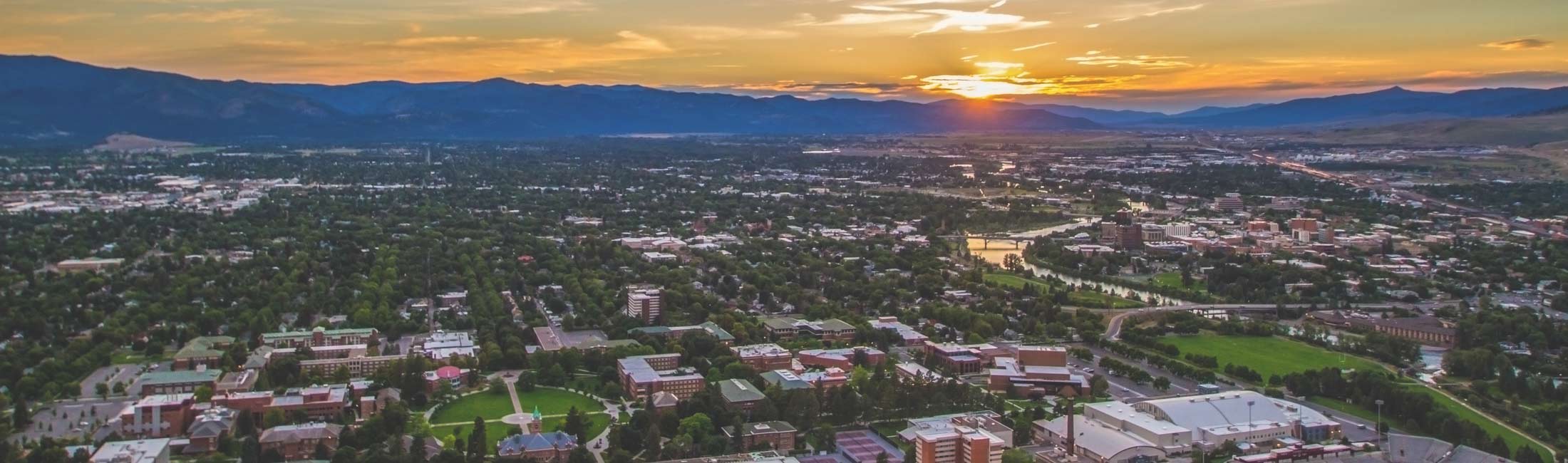
Often referred to as the “Garden City,” Missoula owes this moniker to its fertile valley floor and the abundance of natural beauty that graces its surroundings. Located in western Montana, it is the second-largest city in the state, a fact that often surprises those who envision Montana solely as a vast expanse of wilderness. This urban center, however, is intrinsically linked to its wilder neighbors, offering a harmonious blend of city amenities and untamed natural splendor. The city is situated at the confluence of the Clark Fork River and the Blackfoot River, a crucial geographical feature that has historically supported life and continues to be a focal point for recreational activities.
Gateway to the Northern Rockies
Missoula is more than just a city; it’s a gateway. Its location makes it an ideal jumping-off point for exploring some of the most iconic natural wonders in the United States. To the west lies Idaho, with its own array of wilderness and recreational opportunities. To the east, the vast expanse of Montana unfolds, leading towards legendary destinations like Glacier National Park and Yellowstone National Park. This strategic positioning allows visitors to easily access diverse landscapes, from alpine lakes and dense forests to rolling prairies and dramatic mountain peaks. The proximity to these natural treasures makes Missoula a vital stop for anyone planning an extended exploration of the Northern Rocky Mountain region.
Navigating Missoula’s Geographic Context
To truly appreciate Missoula, one must understand its placement not only within Montana but also within the broader context of the American West. Its relationship with surrounding natural features and transportation networks defines its character and accessibility.
The Heart of the Missoula Valley
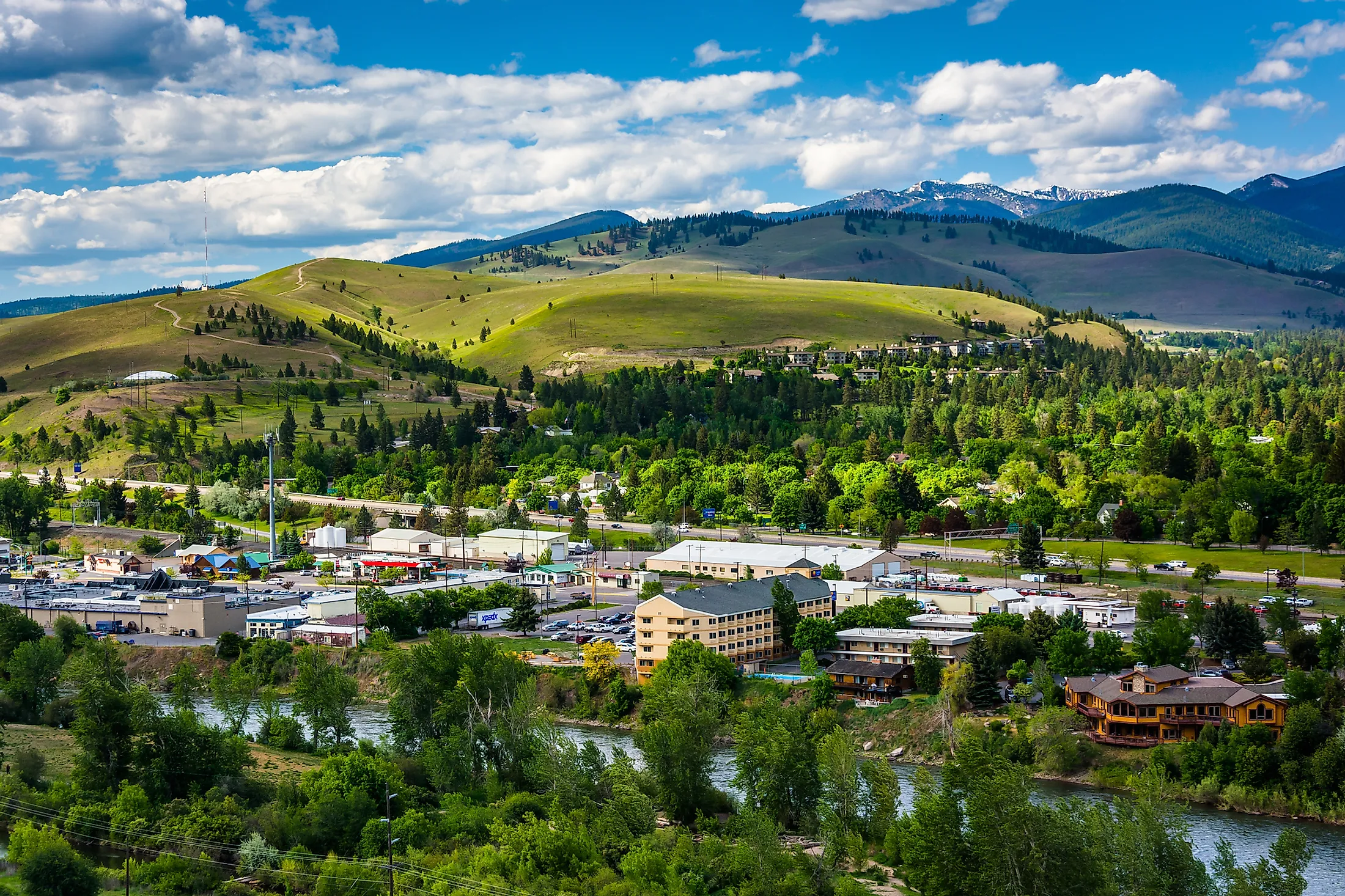
The city is cradled within the Missoula Valley, an expansive, bowl-shaped area defined by the surrounding mountain ranges: the Sapphire Mountains to the south, the Bitterroot Mountains to the southwest, the Gravelly Range to the southeast, and the Coeur d’Alene Mountains to the west. This geographical embrace provides a stunning backdrop and dictates much of the region’s climate and ecosystems. The valley floor itself is a testament to geological processes, sculpted by ancient glaciers and river systems. This unique topography creates microclimates that support a diverse range of flora and fauna, making it a haven for outdoor enthusiasts and nature lovers alike.
Proximity to Major Transportation Routes
Missoula is well-connected, making it accessible to travelers. It is situated along Interstate 90 (I-90), a major east-west thoroughfare that connects Seattle, Washington, to Boston, Massachusetts. This vital artery provides direct access to Butte, Montana, to the east, and Coeur d’Alene, Idaho, to the west. For air travelers, the Missoula Montana Airport (MSO) serves as a critical hub, offering commercial flights that connect the region to major cities across the United States, including Salt Lake City, Denver, and Minneapolis. Additionally, the city is served by Amtrak’s Empire Builder line, offering a scenic rail journey through the Northern Rockies. These transportation links are fundamental to understanding Missoula‘s role as a regional center and a welcoming point for visitors.
Experiencing Missoula: Location-Based Attractions
Missoula‘s geographic setting directly translates into a wealth of experiences for its visitors, offering a diverse range of activities deeply intertwined with its natural environment and local character.
Outdoor Adventures Await
The most compelling reason to visit Missoula is its unparalleled access to the great outdoors. The surrounding mountains are a playground for hikers, bikers, and climbers, with numerous trails catering to all skill levels. The Clark Fork River is renowned for its world-class fly-fishing, attracting anglers from around the world. Kayaking, rafting, and paddleboarding are popular summer activities on both the Clark Fork and the Blackfoot River, made famous by the film “A River Runs Through It.” For those seeking winter sports, nearby ski resorts offer opportunities for downhill skiing and snowboarding. The sheer abundance and accessibility of these outdoor pursuits are a direct result of Missoula‘s prime location amidst such breathtaking natural landscapes.
A Hub of Culture and Community
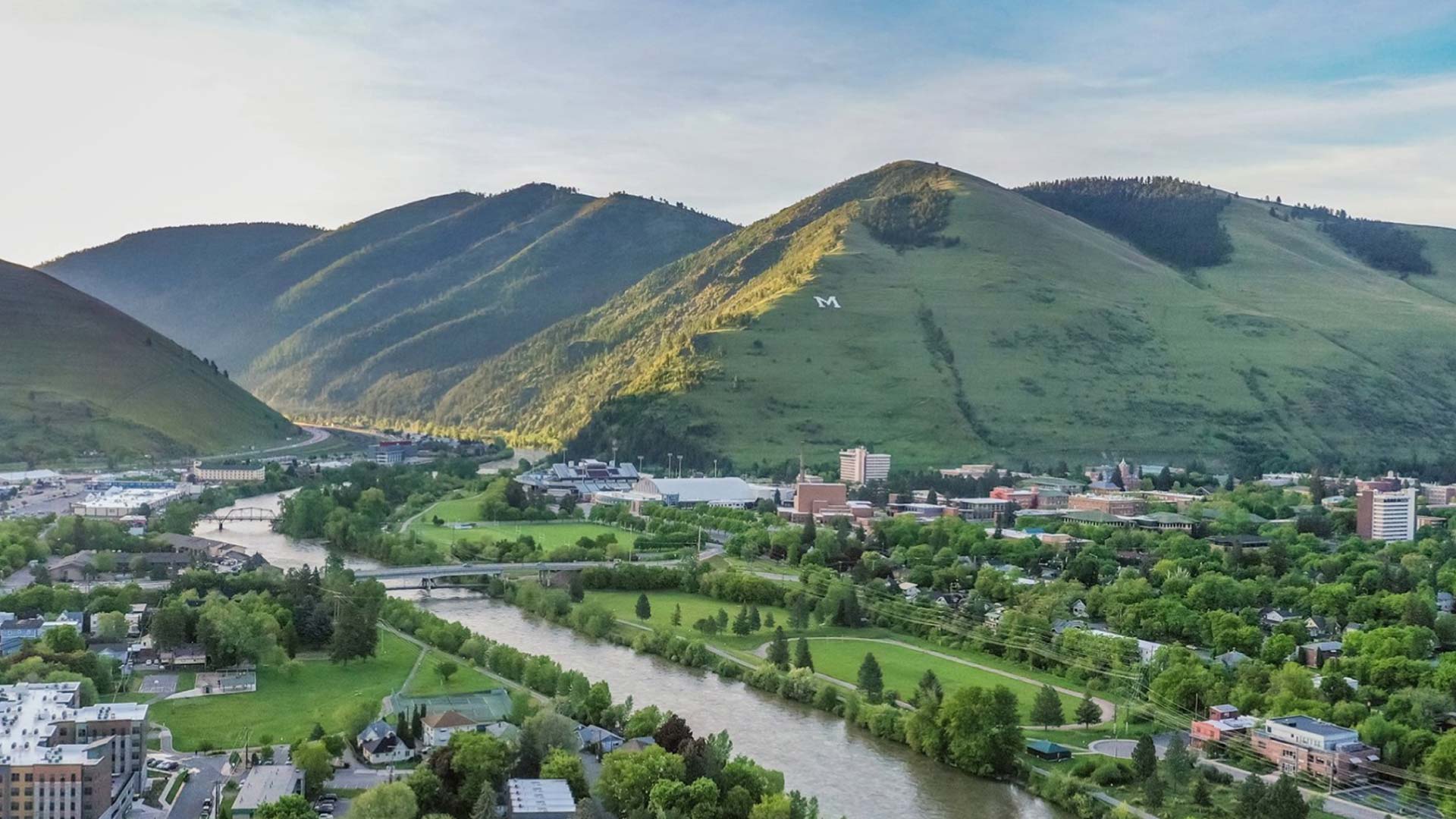
Beyond its natural beauty, Missoula boasts a vibrant cultural scene, fueled by its status as home to the University of Montana. This academic institution infuses the city with a youthful energy and a rich intellectual and artistic presence. Visitors can explore local art galleries, catch live music performances, and attend university events. The city’s downtown area is a lively district filled with independent shops, diverse restaurants, and craft breweries, reflecting the region’s growing reputation for artisanal food and drink. The farmers’ markets, especially during the summer months, offer a delightful opportunity to sample local produce and connect with the community. This cultural dynamism, while stemming from its university presence, is also fostered by its central location, which draws people from across the surrounding region.
Proximity to Iconic National Parks
The strategic location of Missoula makes it an ideal base for exploring some of America’s most treasured national parks. Glacier National Park, with its dramatic peaks, pristine lakes, and the famed Going-to-the-Sun Road, is a significant draw and is accessible via a scenic drive from Missoula. While further south, Yellowstone National Park, the world’s first national park, known for its geothermal wonders and abundant wildlife, is also within reach for a longer road trip. These iconic destinations, combined with the numerous national forests and wilderness areas surrounding Missoula, solidify its position as a premier destination for those who wish to immerse themselves in the natural heritage of the American West. Understanding where Missoula is in Montana is the first step to planning an unforgettable journey through this spectacular region.
LifeOutOfTheBox is a participant in the Amazon Services LLC Associates Program, an affiliate advertising program designed to provide a means for sites to earn advertising fees by advertising and linking to Amazon.com. Amazon, the Amazon logo, AmazonSupply, and the AmazonSupply logo are trademarks of Amazon.com, Inc. or its affiliates. As an Amazon Associate we earn affiliate commissions from qualifying purchases.