
When tourists envision Florida, images often conjure up pristine beaches, thrilling theme parks, and vibrant cities. Yet, beneath the surface of the Sunshine State’s dazzling attractions lies a rich natural heritage, epitomized by its official state flower. Understanding this emblem offers a deeper insight into Florida’s identity, its natural beauty, and its profound connection to a vital industry that has shaped its landscape and culture for centuries. For visitors seeking to immerse themselves in the authentic spirit of Florida, discovering its state flower is more than a botanical fact; it is an invitation to explore the sensory delights and cultural narratives woven into the fabric of this unique destination.
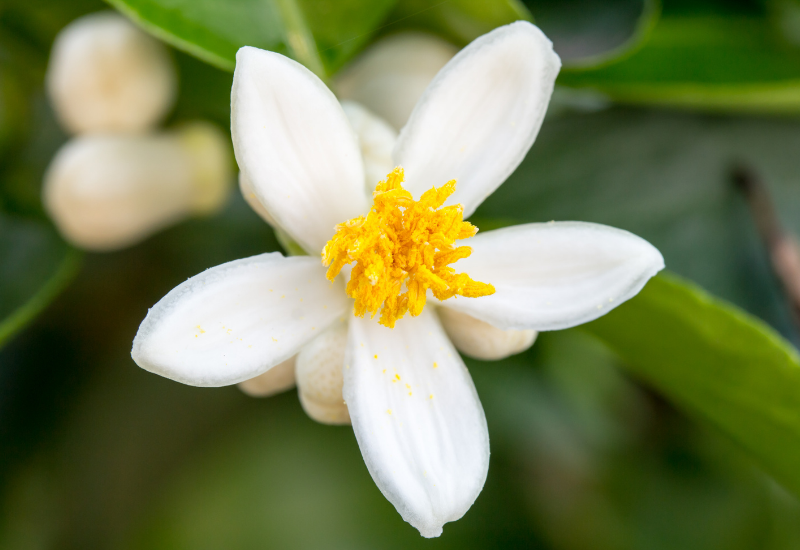
Unveiling Florida’s Floral Emblem: The Orange Blossom
The official state flower of Florida is the Orange Blossom. Adopted in 1909, this fragrant bloom represents much more than just a pretty flower; it embodies the essence of Florida’s agricultural legacy, its vibrant climate, and its symbolic promise of prosperity and natural beauty. For tourists, the orange blossom offers a unique sensory experience, connecting them directly to the state’s agricultural roots and its famous citrus industry.
A Symbol of the Sunshine State’s Identity
The choice of the orange blossom as Florida’s state flower was a deliberate and fitting one, reflecting the state’s deep ties to citrus cultivation. Florida has long been synonymous with oranges, grapefruits, and other citrus fruits, which thrive in its subtropical climate. The blossom, preceding the fruit, symbolizes new beginnings, purity, and fertility—qualities that resonate with the state’s continuous growth and its allure as a place of renewal and vibrant life. For visitors, encountering the orange blossom, either in person during its blooming season or through its pervasive cultural presence, provides an immediate and authentic connection to Florida’s core identity. It’s a reminder that beyond the bustling resorts of Orlando and the cosmopolitan vibe of Miami, the state’s heart beats with the rhythm of nature and agriculture.
The Fragrant Icon: A Sensory Experience for Tourists
One of the most captivating aspects of the orange blossom is its intoxicating fragrance. A sweet, delicate, and distinctly refreshing scent, it permeates the air during the blooming season, typically from late winter through early spring. This natural perfume is a significant draw for eco-tourists and those seeking a unique sensory experience. Imagine strolling through an orange grove, bathed in warm sunlight, with the air heavy with the sweet aroma of thousands of blossoms. This olfactory delight is an unforgettable part of a Florida spring, offering a tranquil counterpoint to more high-energy tourist activities. The scent is often used in local perfumes, candles, and other artisanal products, allowing visitors to take a piece of Florida’s natural essence home with them. It’s a subtle yet profound way to engage with the local environment, transforming a simple walk into a memorable journey through nature’s own perfumery.
The Orange Blossom’s Cultural Significance in Florida Tourism
The orange blossom’s influence extends far beyond its botanical existence; it is deeply embedded in Florida’s cultural narrative, significantly impacting its tourism landscape. From agricultural heritage to culinary traditions, the blossom and its fruit offer numerous avenues for visitors to engage with local culture.
From Agriculture to Aesthetic Appeal
Florida’s history is inextricably linked to its citrus industry. What began as a vital agricultural pursuit blossomed into a cultural icon. The vast orange groves, once solely economic powerhouses, now serve as scenic attractions, drawing tourists eager to witness the source of Florida’s famous produce. The picturesque rows of citrus trees, especially when adorned with white blossoms, provide stunning backdrops for photographs and offer a serene escape from urban environments. This transition from purely utilitarian to aesthetically valued landscapes highlights how natural elements can shape and enhance a region’s tourism appeal. Tour operators often include visits to working groves or citrus-themed visitor centers, allowing guests to learn about the cultivation process and appreciate the journey from blossom to juice.
Local Festivals and Traditions Celebrating Citrus
The importance of citrus to Florida is celebrated through various local festivals and traditions, offering tourists vibrant cultural experiences. Towns across the state, particularly in central Florida where citrus farming is historically prominent, host events that pay homage to the orange and its blossom. These festivals often feature parades, live music, craft fairs, and, of course, plenty of citrus-themed food and drink. For example, the Florida Citrus Festival in Winter Haven is a long-standing tradition that showcases the industry’s bounty. Participating in such events allows tourists to mingle with locals, experience authentic Floridian hospitality, and gain a deeper understanding of the community’s heritage and pride. These celebrations transform a simple agricultural product into a focal point of shared identity and joyous communal gathering.
Culinary Delights: Incorporating Citrus into Florida Cuisine
The culinary landscape of Florida is richly infused with the flavors of its citrus bounty, offering tourists a delicious way to experience the state’s natural heritage. While the orange blossom itself is not typically consumed, its fruit is a cornerstone of Floridian cuisine. From fresh-squeezed orange juice, a staple at breakfast tables across the state, to sophisticated dishes incorporating citrus notes, the flavor profile is unmistakable. Restaurants, especially those focusing on farm-to-table concepts, proudly feature local oranges, grapefruits, and tangerines in salads, marinades, desserts, and craft cocktails. Iconic Florida dishes often get a citrusy twist, and innovative chefs constantly find new ways to highlight these vibrant flavors. Tourists can explore farmers’ markets in cities like Tampa or St. Augustine to sample fresh produce directly from growers, or indulge in a classic Key lime pie, a testament to the state’s love affair with tangy citrus. This culinary exploration provides a flavorful pathway to understanding Florida’s agricultural and cultural identity.
Experiencing Florida’s Citrus Heritage
For tourists eager to delve deeper into the world of Florida’s orange blossom and its associated culture, there are numerous engaging opportunities that go beyond simply admiring the flower. These experiences offer immersive insights into the state’s citrus heritage and natural beauty.
Visiting Orange Groves and U-Pick Farms
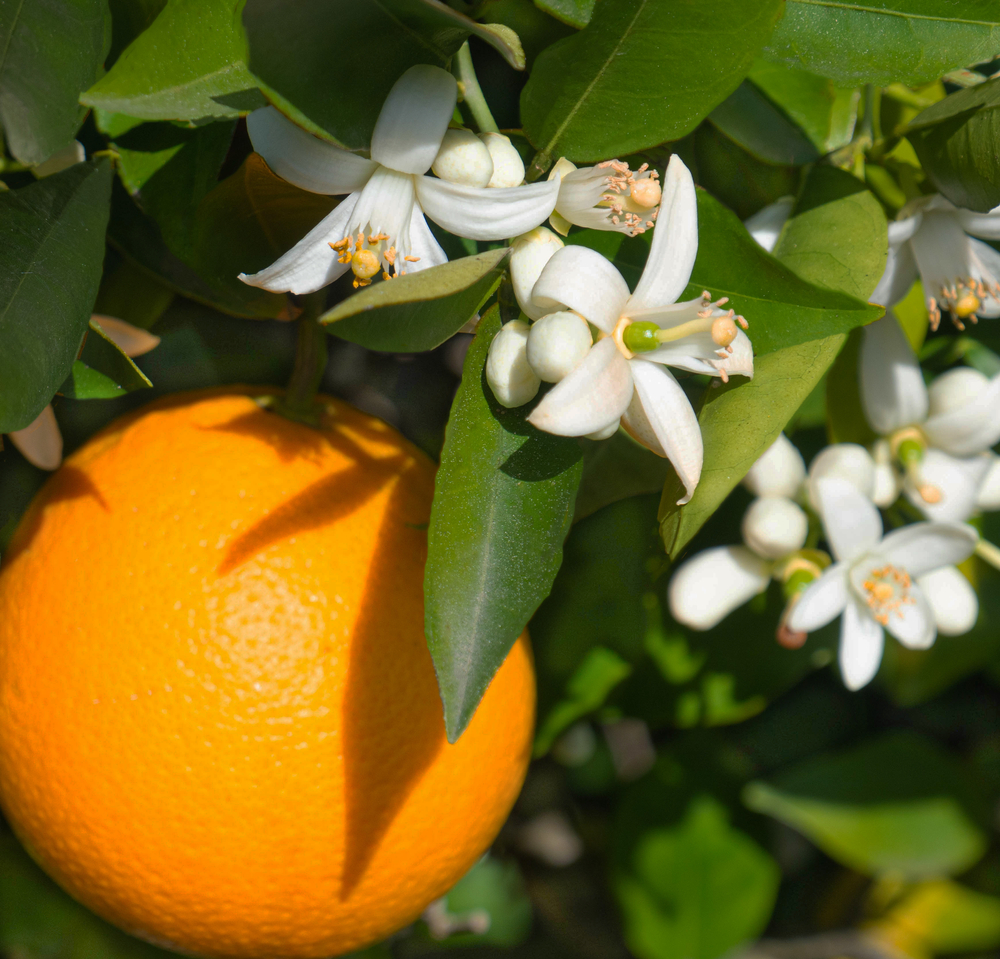
One of the most direct ways to experience Florida’s citrus culture is by visiting an orange grove or a U-pick farm. These destinations, often family-owned, provide an intimate look at the cultivation process and offer the unique pleasure of picking your own fresh fruit. Many groves offer guided tours where visitors can learn about the history of citrus in Florida, the various types of oranges, and the challenges and rewards of farming. During the blooming season, the scent of orange blossoms fills the air, creating an unforgettable sensory backdrop. Guests can often sample freshly squeezed juices, jams, and other citrus-infused products directly from the source. Farms like these, particularly around central Florida in areas close to Orlando, serve as authentic tourism attractions, providing educational value alongside recreational enjoyment.
Botanical Gardens and Conservation Efforts
While orange groves showcase commercial citrus, Florida’s botanical gardens provide a broader context for the orange blossom within the state’s diverse flora and conservation efforts. Gardens such as Bok Tower Gardens in Lake Wales, Leu Gardens in Orlando or the Naples Botanical Garden feature extensive collections of native and exotic plants, often including citrus trees among them. These settings allow visitors to appreciate the orange blossom’s beauty within a carefully curated landscape and understand its ecological role. Beyond aesthetics, many botanical gardens are involved in plant conservation, educating the public about sustainable practices and the importance of preserving Florida’s unique ecosystems. For tourists interested in horticulture or environmental stewardship, these gardens offer inspiring and informative experiences.
Souvenirs and Products Inspired by the Orange Blossom
The appeal of the orange blossom is expertly captured in a wide array of souvenirs and products, allowing tourists to take a tangible piece of their Florida experience home. From perfumes and essential oils that bottle the blossom’s enchanting fragrance to locally crafted soaps, lotions, and candles, these items evoke the natural beauty of the state. Beyond personal care, visitors can find orange blossom honey, a prized delicacy produced by bees pollinating citrus groves, offering a distinct taste of Florida’s nectar. Art prints, jewelry, and decorative items featuring the delicate flower also serve as elegant mementos. These products, available in gift shops, farmers’ markets, and specialty stores across the state, particularly in tourist hubs like Key West or St. Augustine, not only support local artisans but also act as charming reminders of the state’s unique floral emblem and its pervasive cultural presence.
Planning Your Florida Trip Around Floral Beauty and Citrus Culture
Integrating the orange blossom and Florida’s citrus culture into your travel itinerary can transform a standard vacation into a rich, immersive experience. Thoughtful planning can ensure you maximize your encounter with this significant aspect of the state.
Best Times to Witness the Bloom
To fully appreciate the orange blossom, timing your visit is crucial. The peak blooming season typically occurs from late February through early April. During these months, the citrus groves are awash in white blossoms, and the air is fragrant with their sweet scent. While the exact timing can vary slightly each year based on weather conditions, visiting Florida during spring offers the best chance to witness this natural spectacle. This period also coincides with pleasant weather across much of the state, making it ideal for outdoor activities and exploring attractions beyond the groves. Keeping an eye on local agricultural reports or contacting specific groves can help pinpoint the optimal viewing times.
Eco-Tourism and Sustainable Practices
Embracing Florida’s citrus heritage aligns perfectly with eco-tourism principles. Many orange groves and botanical gardens emphasize sustainable farming practices and conservation efforts. Tourists can support these initiatives by choosing tours and products from environmentally conscious businesses. Engaging in activities like U-pick, where you directly harvest your fruit, reduces packaging and transportation needs. Learning about water conservation in agriculture or the role of pollinators in the ecosystem adds an educational dimension to your trip, fostering a greater appreciation for the natural environment. Destinations like Everglades National Park or the Florida Keys are renowned for their commitment to preserving natural beauty, and understanding the state flower’s role in the broader ecosystem deepens this connection. By choosing responsibly, visitors contribute to the ongoing health and beauty of Florida’s natural landscape.
Integrating Local Flora into Your Itinerary
Beyond specific citrus experiences, integrating a general appreciation for Florida’s diverse local flora can greatly enrich your travel. Include visits to state parks, nature preserves, or local gardens in your itinerary. Many parks feature interpretive trails that highlight native plants and their importance to the ecosystem. Even casual strolls through historic districts, like those in Tallahassee or Jacksonville, might reveal charming garden spaces featuring native blooms. Look for guided nature walks or educational programs offered by local tourism boards. By actively seeking out opportunities to connect with the natural world, visitors gain a more holistic understanding of Florida that extends beyond its most famous attractions, revealing a state brimming with botanical wonders and ecological significance.
Beyond the Blossom: Other Noteworthy Florida Flora
While the orange blossom rightly holds its place as Florida’s state flower, the state’s natural landscape is a tapestry woven with an incredible array of other fascinating flora. For the curious tourist, exploring this wider botanical diversity offers even more insights into Florida’s unique ecosystems.
Diverse Ecosystems and Native Plants
Florida’s geography, stretching from temperate zones in the north to subtropical regions in the south, creates a remarkable range of ecosystems, each supporting distinct plant communities. From the pine flatwoods and cypress swamps of the interior to the coastal mangroves and hardwood hammocks, the state is a botanical wonderland. Native plants like the saw palmetto, resurrection fern, and various species of palms define much of the natural scenery. Orchids, air plants (bromeliads), and carnivorous plants thrive in specific microclimates, offering intricate beauty for those who seek them out. Exploring state parks and natural preserves provides excellent opportunities to witness this biodiversity firsthand and learn about the delicate balance that sustains these unique environments. These areas often have well-maintained trails and interpretive signs to guide visitors through the flora.
Wildlife Attraction: The Role of Flowers in Florida’s Biodiversity
Florida’s flowers are not just beautiful; they play a crucial role in supporting the state’s rich biodiversity. Many native plants are vital food sources and habitats for local wildlife. Nectar-rich blossoms attract a myriad of pollinators, including bees, butterflies, and hummingbirds, which are essential for the health of many ecosystems. For instance, the abundant wildflowers found in meadows and prairies provide sustenance for Florida’s butterfly populations, including the iconic monarch. The dense foliage of native shrubs and trees offers shelter for birds and small mammals. Tourists interested in wildlife viewing will find that understanding the local flora enhances their experience, as identifying key plant species can often lead to spotting the animals that depend on them. Observing these intricate relationships between plants and animals provides a profound appreciation for the interconnectedness of Florida’s natural world, offering a complete picture of its living landscape.
LifeOutOfTheBox is a participant in the Amazon Services LLC Associates Program, an affiliate advertising program designed to provide a means for sites to earn advertising fees by advertising and linking to Amazon.com. Amazon, the Amazon logo, AmazonSupply, and the AmazonSupply logo are trademarks of Amazon.com, Inc. or its affiliates. As an Amazon Associate we earn affiliate commissions from qualifying purchases.