
Navigating the world of employment, especially when it comes to defining “full-time hours,” can often feel like trying to decipher a complex map. For those residing in or considering a move to the Lone Star State, understanding what constitutes full-time work in Texas is a crucial piece of information. While there isn’t a single, universally mandated definition of full-time hours that applies to every single employer and situation, there are common understandings and legal considerations that shape this definition. This exploration will delve into the nuances of full-time hours in Texas, touching upon how it impacts benefits, overtime, and even the general lifestyle of its residents, all within the vibrant context of Texas‘s diverse offerings.
The concept of full-time employment is more than just a number of hours worked; it’s a gateway to a suite of benefits and protections that significantly shape an individual’s work-life balance and financial security. In Texas, as in most of the United States, the standard full-time workweek is often considered to be 40 hours. This benchmark serves as a baseline for many employers when determining eligibility for benefits such as health insurance, paid time off, and retirement plans. However, the reality on the ground can be more varied, influenced by industry, company policy, and the specific nature of the employment agreement.
Understanding the 40-Hour Benchmark and Beyond
The widely accepted standard for a full-time workweek in the United States is 40 hours. This is a figure deeply ingrained in labor laws and employer practices. In Texas, this benchmark is generally adopted by most businesses. Working 40 hours per week typically qualifies an employee as full-time, making them eligible for the benefits package offered by their employer. These benefits can be substantial, encompassing health insurance premiums that are partially or fully covered, paid vacation days and sick leave, and contributions to 401(k) plans. For many, the security and stability offered by these benefits are as important as the hourly wage itself, contributing to a sense of well-being that extends beyond the workplace and into their personal lives, perhaps influencing their choices for weekend getaways or family adventures across the state.
The Employer’s Discretion and Company Policy
While the 40-hour week is a common standard, it’s important to recognize that Texas law does not explicitly define a specific number of hours that must be worked to be considered full-time for all purposes. Instead, the definition often rests with individual employers and their established company policies. Many companies may adopt a slightly different threshold, perhaps considering 35 or 37.5 hours per week as full-time. This discretion allows businesses to tailor their employment classifications to their operational needs. For instance, a resort in the Texas Hill Country might have fluctuating staffing needs depending on the season, influencing how they define full-time roles. Similarly, a bustling hotel in downtown Dallas might operate with a more rigid, 40-hour-per-week definition to ensure consistent service levels. The key takeaway is that prospective employees should always clarify the company’s specific definition of full-time hours during the hiring process. This clarification is vital, especially when considering long-term stays or business accommodations where understanding the employer’s benefits structure is paramount.
The Impact on Benefits and Entitlements
The classification of an employee as full-time in Texas has significant implications for their access to various benefits. Health insurance is often a primary concern. Under the Affordable Care Act (ACA), large employers (those with 50 or more full-time equivalent employees) are required to offer health insurance to employees who work an average of 30 hours per week or more. This means that even if a company considers 35 hours full-time, employees reaching that threshold may still qualify for health insurance under federal mandates. Beyond health insurance, full-time status typically unlocks other valuable entitlements. Paid time off, including vacation days and sick leave, is usually accrued based on hours worked or tenure, with full-time employees typically accumulating these benefits at a faster rate. Retirement plans, such as 401(k)s, also often have a full-time employment requirement for participation and employer matching contributions. These benefits are crucial for establishing a stable financial foundation, allowing individuals to plan for their future, whether that involves saving for a down payment on a home in Austin or planning an extended luxury travel experience.
Overtime Considerations in Texas
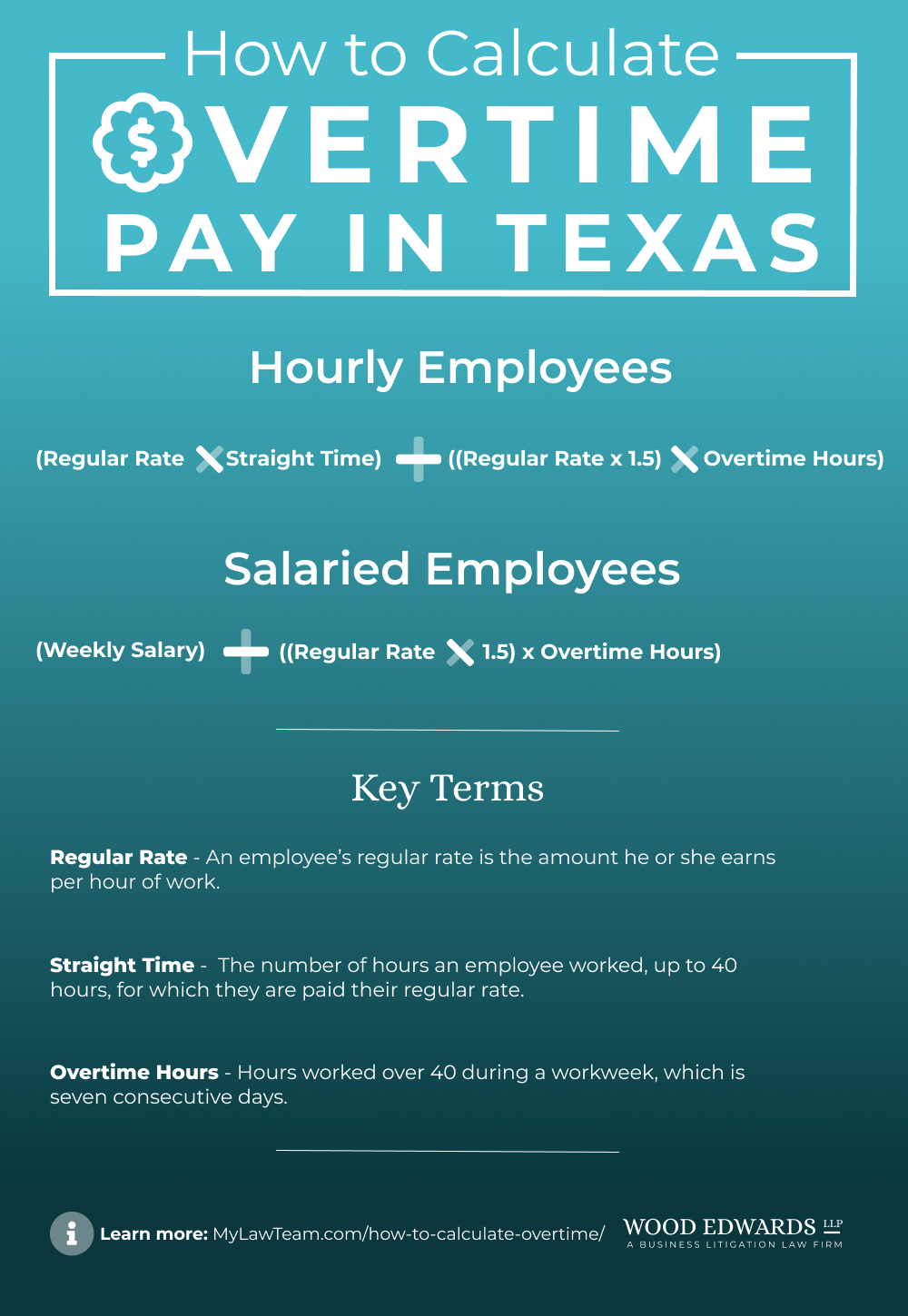
A direct consequence of defining full-time hours is how overtime is handled. In Texas, as in the rest of the United States, the Fair Labor Standards Act (FLSA) governs overtime pay. Generally, non-exempt employees who work more than 40 hours in a workweek are entitled to overtime pay. This overtime rate is typically one and a half times their regular hourly rate. This is a critical protection for full-time workers, ensuring they are compensated fairly for any extra hours they dedicate to their jobs. Understanding this distinction is vital for both employers and employees. For instance, a tour guide leading extended excursions around San Antonio might find themselves working beyond the standard 40 hours, and their compensation should reflect this through overtime pay if they are non-exempt. The FLSA also outlines specific exemptions to overtime pay, typically for certain executive, administrative, and professional roles, which are often held by salaried employees who are already considered full-time.

The Role of Exempt vs. Non-Exempt Status
The distinction between exempt and non-exempt employees is fundamental to understanding overtime eligibility in Texas. Non-exempt employees are entitled to overtime pay for hours worked over 40 in a workweek. Most hourly wage earners fall into this category. Conversely, exempt employees are generally paid a fixed salary and are not eligible for overtime pay, regardless of the number of hours they work. The FLSA sets specific criteria for an employee to be considered exempt, which typically involves a minimum salary threshold and performing certain job duties that are executive, administrative, or professional in nature. For example, a manager overseeing operations at a resort near Galveston might be classified as exempt, receiving a salary irrespective of whether they work 40 or 60 hours in a week. This classification is determined by the employer based on federal guidelines and the specific responsibilities of the role. When exploring job opportunities in Texas, understanding whether a position is classified as exempt or non-exempt is crucial for assessing potential earnings and work-life balance.
Workweek Definition and Averaging
In Texas, a workweek is defined as a fixed and regularly recurring period of 168 hours, consisting of seven consecutive 24-hour periods. This period does not need to coincide with a calendar week. For overtime purposes, hours worked are calculated on a weekly basis. Employers cannot average hours worked over multiple weeks to avoid paying overtime. For instance, if an employee works 30 hours one week and 60 hours the next, they would be due overtime pay for the 20 hours worked over 40 in the second week. This rule prevents employers from manipulating schedules to circumvent overtime obligations. This strict adherence to a weekly calculation is a cornerstone of labor protections, ensuring that employees who put in extra effort are appropriately compensated, contributing to a more stable and predictable income, which can, in turn, influence lifestyle choices like booking a family trip to the Texas State Parks.
Full-Time Hours and Lifestyle Implications in Texas
The definition of full-time hours in Texas directly influences an individual’s lifestyle, impacting their financial stability, leisure time, and overall quality of life. A full-time position typically offers a steadier income and access to benefits that contribute to long-term security. This stability can empower individuals to engage more fully in the vibrant culture and diverse attractions that Texas has to offer, from exploring the historic Alamo in San Antonio to enjoying the live music scene in Austin.
The Balance Between Work and Leisure
For many residents, the 40-hour workweek, or a similar definition of full-time, strikes a balance between professional commitment and personal pursuits. Having a consistent work schedule allows for better planning of leisure activities, whether it’s attending a local festival in Houston, visiting a renowned museum, or simply spending quality time with family. The availability of paid time off, a common perk of full-time employment, further enhances this balance, providing opportunities for extended vacations or restorative breaks. For those who enjoy budget travel or luxury travel, having a full-time job with benefits can make these aspirations more attainable. It allows for the saving of money for a dream vacation to the Texas Gulf Coast or the exploration of the natural beauty of places like Big Bend National Park.
Impact on Accommodation and Long-Term Stays
The stability offered by full-time employment can also influence decisions regarding accommodation. Individuals who have a secure full-time job may feel more comfortable committing to long-term stays in apartments or rental properties, especially in popular cities like Austin or Dallas. Understanding the full-time hour requirements for employer-sponsored housing benefits or for qualifying for certain rental agreements becomes important in these scenarios. Furthermore, the financial security derived from full-time work can enable individuals to explore various accommodation options, from budget-friendly guesthouses to more luxurious resorts, depending on their personal lifestyle preferences. For those considering a business stay, knowing the typical full-time hours and associated benefits can help in budgeting and planning their trip effectively. The availability of serviced apartments or villas for longer durations might also become a more feasible option for full-time employees seeking a home away from home while on extended assignments or during personal travel.
Exploring Texas’s Diverse Offerings
Ultimately, understanding what constitutes full-time hours in Texas is about more than just ticking a box for employment classification; it’s about enabling a fulfilling life within the state. The structure of full-time work, with its associated benefits and predictable schedule, empowers individuals to not only earn a living but also to actively participate in and enjoy the rich tapestry of experiences Texas offers. Whether it’s indulging in the culinary delights of Houston, marveling at the architecture in Fort Worth, or soaking in the natural landscapes, a stable employment situation allows residents and visitors alike to fully immerse themselves in the unique lifestyle and attractions of the Lone Star State. The clarity around full-time hours contributes to a sense of security that allows for the exploration of everything from charming boutique hotels in small towns to expansive resorts designed for ultimate relaxation, all accessible through well-planned and financially sound decisions made possible by a stable career foundation.
LifeOutOfTheBox is a participant in the Amazon Services LLC Associates Program, an affiliate advertising program designed to provide a means for sites to earn advertising fees by advertising and linking to Amazon.com. Amazon, the Amazon logo, AmazonSupply, and the AmazonSupply logo are trademarks of Amazon.com, Inc. or its affiliates. As an Amazon Associate we earn affiliate commissions from qualifying purchases.