
California, a land of breathtaking natural beauty, iconic landmarks, and vibrant lifestyle options, draws millions of visitors each year. From the sun-kissed beaches of Southern California to the majestic forests of Northern California, the state offers an unparalleled array of travel experiences, luxury hotels, and unique cultural immersion through its diverse tourism scene. Yet, beneath this allure lies a formidable challenge: the increasing prevalence of devastating wildfires. These fires not only threaten the state’s natural ecosystems and communities but also significantly impact the travel and accommodation industries, raising crucial questions for prospective visitors and residents alike. Understanding the root causes of wildfires in California is essential for appreciating the scale of the problem and the ongoing efforts to mitigate its impact, ensuring the state remains a premier destination for years to come.
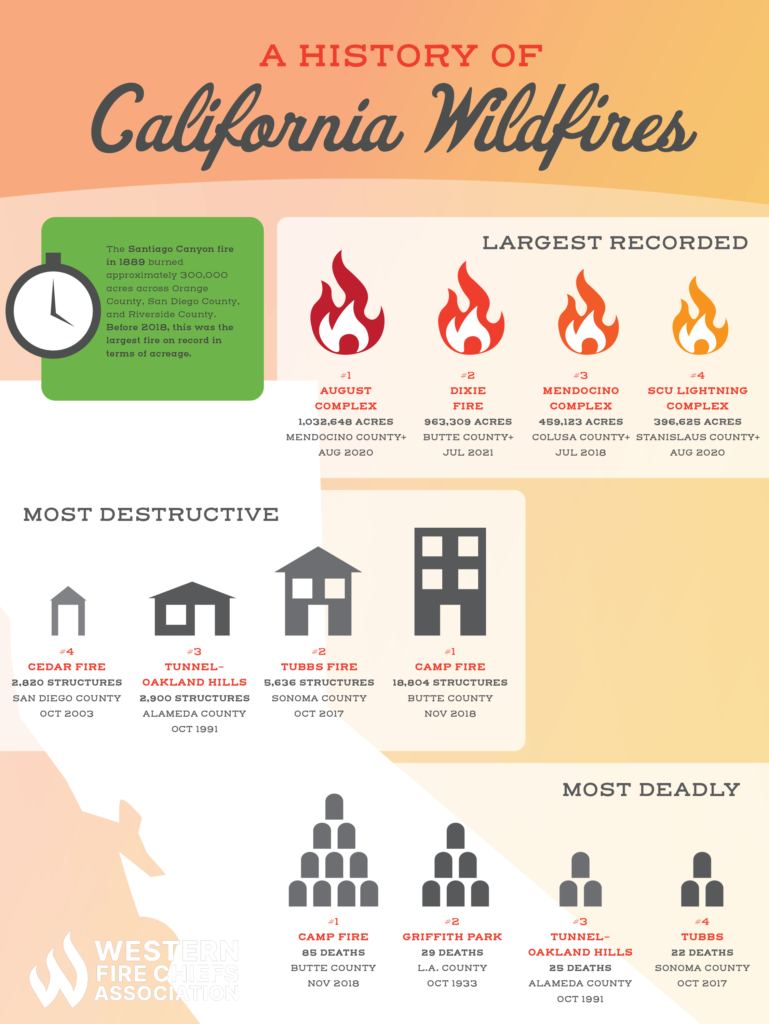
Wildfires in California are not a new phenomenon; they are an inherent part of the state’s ecological cycle, particularly in its Mediterranean climate. However, in recent decades, the frequency, intensity, and destructiveness of these fires have escalated dramatically, transforming fire season into a year-round concern. The causes are complex, a dangerous cocktail of natural predisposition exacerbated by a changing climate and a myriad of human activities. Unraveling these factors provides critical insight into how we can better protect California’s invaluable landscapes, its cherished communities, and the very fabric of its tourism economy.
The Intertwined Dance of Nature and Climate
California’s unique geography and climate inherently set the stage for wildfires, but global climate change has become a relentless accelerant, turning natural events into catastrophic infernos.
Arid Landscapes and Seasonal Winds: California’s Natural Predisposition
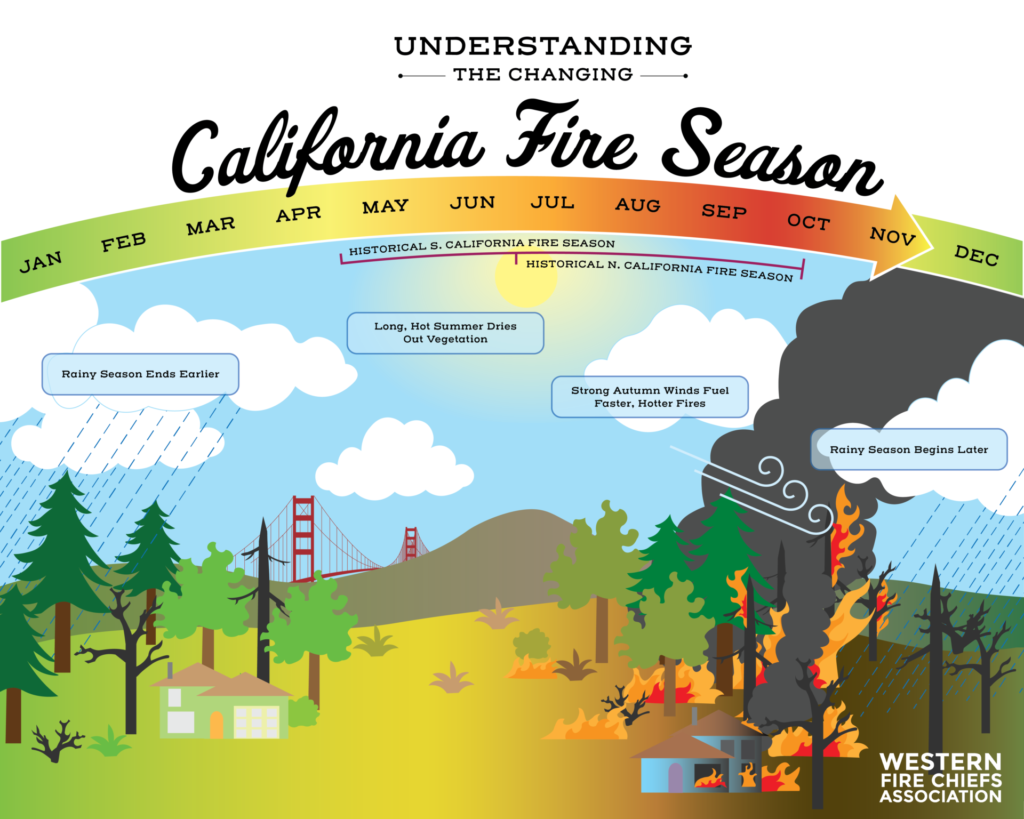
California’s natural landscape is a mosaic of diverse ecosystems, many of which are fire-adapted and fire-dependent. The state is characterized by a Mediterranean climate, meaning hot, dry summers and mild, wet winters. This pattern, while ideal for grapevines in Napa Valley or the cultivation of citrus in inland valleys, creates prime conditions for wildfires. As the long summer months progress, vegetation – including chaparral, brush, and extensive forests – dries out, turning into highly combustible fuel. This accumulated “fuel load” is a natural outcome of plant growth in an environment where decomposition is slow.
Adding to this natural volatility are California’s infamous seasonal winds. The Santa Ana winds in Southern California and the Diablo winds in Northern California are powerful, dry, downslope winds that typically occur in the fall. As these winds sweep across the landscape, they desiccate vegetation even further, effectively preheating it. More critically, they act as massive bellows, fanning nascent flames into raging infernos and carrying embers great distances, leading to rapid fire spread and unpredictable behavior. These winds can transform a small, manageable spark into a multi-acre blaze in mere minutes, making containment efforts incredibly challenging. The interplay of dry fuel, topography, and these powerful winds creates a perfect storm for wildfire proliferation, an ecological reality that has shaped the region for millennia.
The Escalating Threat of Climate Change
While naturally predisposed to fire, the unprecedented scale and intensity of recent wildfires can largely be attributed to the undeniable effects of climate change. Rising global temperatures have significantly altered California’s environmental dynamics, pushing its natural fire cycle beyond historical norms. One of the most critical impacts is the increase in average temperatures, which leads to more rapid evaporation of moisture from soil and vegetation. This prolonged drying effect extends the fire season, effectively turning it into a year-round threat rather than a seasonal occurrence.
Furthermore, climate change is a key driver behind the prolonged and more intense droughts that have plagued California in recent years. Less precipitation means less water available to plants, leading to widespread tree mortality and an even greater accumulation of extremely dry, combustible fuel. Scientists have observed that warmer temperatures lead to earlier snowmelt in the Sierra Nevada mountains, significantly reducing the amount of moisture available later in the dry season to inhibit fire. The compounding effect of hotter temperatures, extended droughts, and an abundance of parched vegetation creates an environment where fires ignite more easily, spread faster, and burn with greater intensity. This intensification makes even naturally occurring ignitions, such as lightning strikes, far more dangerous than they would have been a few decades ago. The consequences ripple through the travel sector, impacting everything from air quality in major cities like Los Angeles and San Francisco to the accessibility of natural attractions like Yosemite National Park and Lake Tahoe, which can experience closures or severe smoke impacts during fire events.
Human Activities: Unintentional Sparks, Devastating Consequences
While natural conditions and climate change create the canvas for wildfires, human activities are the predominant source of ignitions, often turning potential into devastating reality. These human-caused fires account for a vast majority of ignitions in California, highlighting the critical role of vigilance and responsibility.
Infrastructure Failures and Equipment Malfunctions
One of the most significant human-caused ignition sources in California wildfires stems from failing or improperly maintained infrastructure, particularly electrical utility equipment. Power lines, transformers, and other components, especially when exposed to high winds, dry vegetation, and aging infrastructure, can generate sparks. Downed power lines, either from falling trees or structural failure, are a particularly notorious cause, capable of igniting extensive fires. For instance, investigations into some of California’s most destructive wildfires, such as those that swept through Sonoma County and Napa Valley, have pointed directly to faulty equipment owned by utilities like Pacific Gas and Electric (PG&E).
The risk posed by electrical infrastructure is amplified in areas where the wildland-urban interface (WUI) is expanding, with homes and businesses built closer to forested and chaparral areas. As communities grow, the intricate web of power lines often traverses high-fire-risk zones, increasing the probability of an ignition point directly adjacent to highly flammable fuel. Utilities have been under immense pressure to upgrade their systems, implement Public Safety Power Shutoffs (PSPS) during high-wind events, and clear vegetation around lines, but the sheer scale of the network and the challenging terrain make this an ongoing and costly endeavor. These infrastructure-related fires not only devastate homes and landscapes but can also disrupt essential services, impacting tourism by closing roads, evacuating popular resorts, and limiting access to attractions.
Recreational Activities and Negligence
Beyond infrastructure, human carelessness and recreational activities are frequent culprits in igniting wildfires. The very allure of California’s natural beauty, which draws countless visitors for camping, hiking, and outdoor adventure, simultaneously introduces fire risk. Unattended campfires, or those not properly extinguished, are a common source of accidental ignitions. A single ember from a seemingly doused fire can smolder for hours before flaring up, especially in dry, windy conditions.
Discarded cigarettes, flicked carelessly from car windows or left smoldering on trails, present another easily preventable but frequent cause. Even seemingly innocuous activities can trigger fires: sparks from grinding or welding equipment used in construction or maintenance, hot catalytic converters on vehicles parked over dry grass, malfunctioning outdoor equipment like lawnmowers or chainsaws, and even target shooting can create sparks that quickly escalate into a blaze. The use of illegal fireworks, particularly around holiday periods, also contributes significantly to ignitions. The sheer volume of people recreating in California’s wilderness areas, from national forests to state parks, means that even a small percentage of negligent actions can have catastrophic consequences. Tourists and locals alike are urged to practice extreme caution, adhere to fire bans, and educate themselves on responsible outdoor etiquette to minimize these preventable ignitions, protecting both lives and the stunning natural backdrops that define a California experience.
Arson: The Deliberate Act of Destruction
While many human-caused wildfires are accidental, a disturbing proportion are the result of deliberate arson. These malicious acts of fire-setting represent a profound threat, as they are often unpredictable, widely distributed, and extremely challenging to prevent. Arsonists may act for a variety of reasons, including thrill-seeking, spite, covering up other crimes, or even psychological disturbances. Regardless of the motive, the consequences are invariably devastating, leading to widespread destruction of homes, natural habitats, and lives.
Investigating and prosecuting arson cases is complex, requiring specialized forensic techniques and extensive law enforcement efforts. The intentional setting of fires often occurs in remote or secluded areas, making detection difficult until the fire has already grown considerably. The deliberate nature of arson makes these fires particularly insidious, as they bypass all preventative measures aimed at accidental ignitions. They introduce a factor of malevolence into the fire equation, adding another layer of vulnerability for communities and natural landscapes already struggling with environmental and accidental risks. While thankfully not the majority of ignitions, the threat of arson remains a dark and persistent element in California’s wildfire challenge, underscoring the need for community vigilance and robust law enforcement.
The Broader Impact on California’s Charm and Travel Scene
California’s identity is inextricably linked to its natural beauty and iconic destinations. Wildfires, regardless of their cause, exert a profound influence on the state’s travel and tourism sectors, affecting everything from visitor experiences to the long-term sustainability of local economies.
Safeguarding Iconic Destinations and Natural Wonders
The recurring threat of wildfires casts a long shadow over California’s most cherished landmarks and natural attractions. Popular destinations such as Yosemite National Park, Sequoia National Park, and the stunning coastal stretch of Big Sur are frequently impacted by fires or the smoke they produce. These events often lead to temporary closures of parks, trails, and roads, forcing visitors to alter or cancel their travel plans. The air quality in regions like Lake Tahoe or even metropolitan areas can become dangerously unhealthy due to wildfire smoke, deterring tourists and impacting outdoor activities.
Beyond immediate disruptions, wildfires inflict lasting damage on the very landscapes that draw millions. Ancient groves of giant sequoias, vibrant ecosystems, and unique flora and fauna can be irreparably harmed. The long-term recovery of these natural wonders is a slow process, sometimes taking decades or even centuries. For those who seek the tranquility of nature or the thrill of outdoor adventure, the sight of charred forests or the lingering scent of smoke can diminish the experience. The challenge for California’s tourism industry is to balance the celebration of its natural assets with the urgent need for their protection and the transparent communication of risks to travelers.
The Resilience of California’s Tourism and Accommodation Sector
Despite the daunting challenges posed by wildfires, California’s tourism and accommodation sectors have demonstrated remarkable resilience. Communities directly impacted by fires, such as Malibu after the Woolsey Fire or Santa Rosa and surrounding areas in Sonoma County during the Kincade and Glass Fires, have shown incredible resolve in rebuilding and welcoming visitors back. Resorts and boutique hotels, even those touched by fire, often invest heavily in fire-resistant construction and landscaping, enhance safety protocols, and implement sophisticated air filtration systems to ensure guest comfort and safety during periods of poor air quality.
For travelers, this resilience means that while fire season demands increased awareness, it doesn’t necessarily mean abandoning travel plans to California. Many regions remain untouched by specific fires, and even those affected often recover quickly. Hotels and tourism operators are increasingly adept at providing up-to-date information on local conditions, offering flexible booking options, and highlighting areas that are safe and welcoming. The commitment to rebuilding and sustaining the vibrant hospitality industry is strong, recognizing its vital role in local economies and the overall appeal of the Golden State.

Planning Your California Adventure in a Fire-Prone Landscape
For any traveler considering a trip to California, understanding the reality of wildfires is an important part of responsible planning. It means more than just checking the weather; it involves staying informed about fire advisories, air quality reports, and any specific restrictions in national parks or forests. Websites like Cal Fire and the National Interagency Fire Center provide real-time updates. Respecting fire bans, being mindful of activities that could spark a fire (especially during dry, windy conditions), and having alternative plans in case of closures are all crucial steps. By adopting a mindset of informed and responsible tourism, visitors can still enjoy the vast majority of California’s wonders while contributing to the safety and well-being of its communities and natural environments.
In conclusion, the causes of wildfires in California are a multifaceted challenge, rooted in the state’s natural geography and climate, drastically intensified by global climate change, and predominantly triggered by human actions—both accidental and intentional. From the seasonal Santa Ana winds to faulty power lines and discarded cigarettes, each factor plays a role in transforming California’s sun-drenched landscapes into fire-prone zones. However, understanding these causes is the first step toward effective mitigation, improved preparedness, and fostering a culture of fire safety. For those who love California, whether residents or visitors seeking its unique charm and experiences, being informed and responsible is paramount to safeguarding this extraordinary state for future generations of adventurers and dreamers.
LifeOutOfTheBox is a participant in the Amazon Services LLC Associates Program, an affiliate advertising program designed to provide a means for sites to earn advertising fees by advertising and linking to Amazon.com. Amazon, the Amazon logo, AmazonSupply, and the AmazonSupply logo are trademarks of Amazon.com, Inc. or its affiliates. As an Amazon Associate we earn affiliate commissions from qualifying purchases.