
When planning a getaway to a luxury resort or a city-center hotel, the terminology used for meal plans can often be confusing. Between “Room Only,” “Bed and Breakfast,” and the elusive “All-Inclusive,” many travelers find themselves questioning the value and utility of “Half Board.” Understanding exactly what this meal plan entails is crucial for budgeting and scheduling your trip, whether you are heading to the sun-drenched coasts of Spain or the bustling streets of Tokyo.
In the hospitality industry, Half Board is one of the most popular options for guests who want a balance between convenience and culinary exploration. It provides a structured dining experience without the total confinement of staying on-site for every single meal. This guide will delve deep into the mechanics of Half Board, comparing it to other plans and helping you decide if it is the right choice for your next stay at a property like the Four Seasons Resort Maui or a boutique hotel in Paris.
Decoding the Half Board Experience
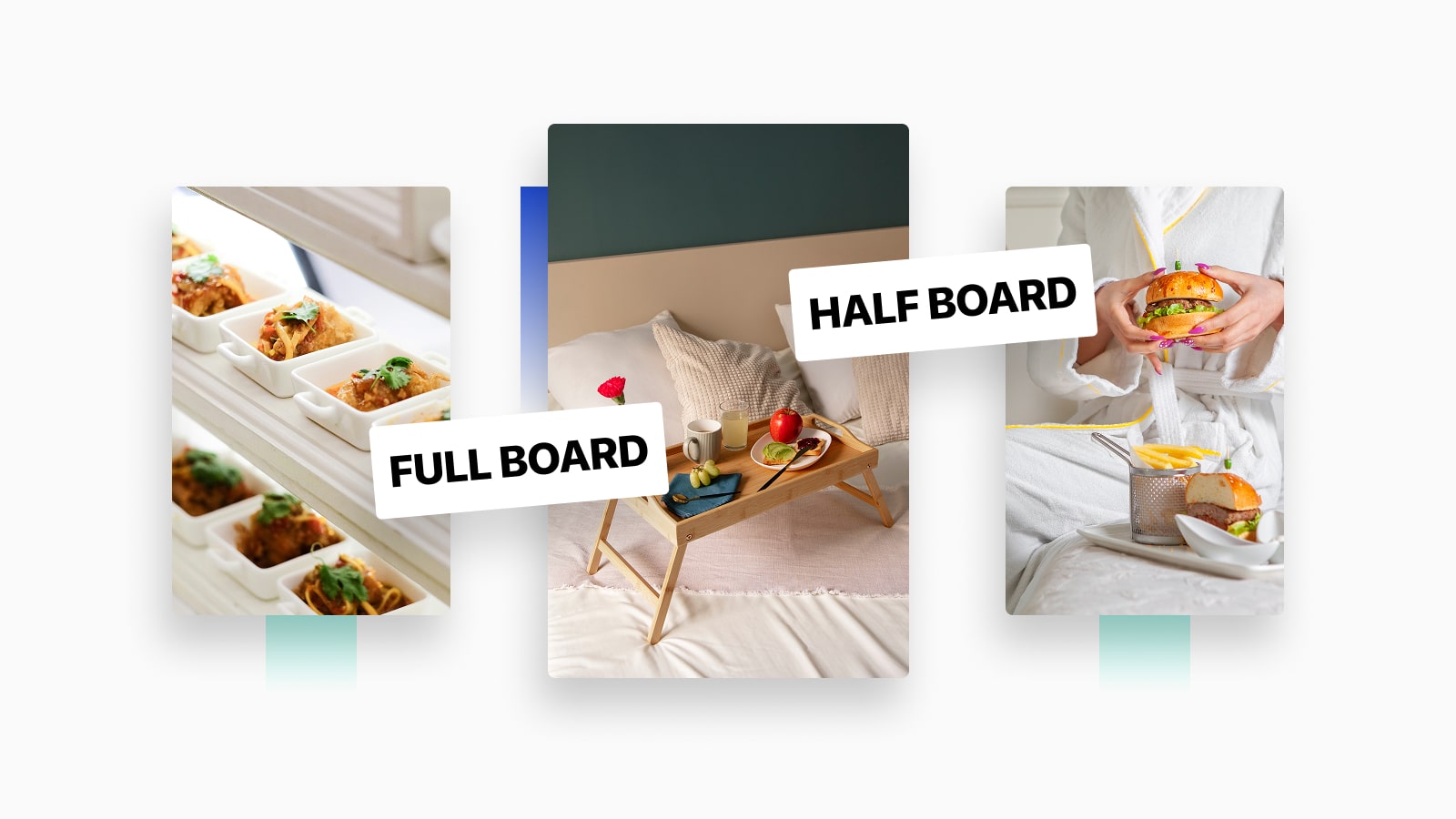
At its core, Half Board (often abbreviated as HB) is a hotel meal plan that includes two meals a day within the booking price. Almost universally, these two meals are breakfast and dinner. This arrangement is designed for travelers who plan to spend their daylight hours exploring local attractions like the Colosseum or lounging on a beach, returning to the hotel in the evening for a reliable, pre-paid meal.
What is Typically Included?
The breakfast component of a Half Board plan is usually a buffet-style affair. Depending on the caliber of the hotel—such as the Burj Al Arab in Dubai—this can range from a simple continental spread of pastries and coffee to an extravagant display of international cuisines, live cooking stations, and fresh juices.
For the second meal, which is almost always dinner, hotels typically offer a themed buffet or a set “table d’hôte” menu. In larger resorts in Greece or Turkey, the dinner buffet is a central social event, featuring local delicacies and international favorites. If the hotel has multiple “à la carte” restaurants, Half Board guests might receive a credit toward their meal or a specific discounted menu, rather than the standard buffet.
What is Excluded from Half Board?
The most significant exclusion in a Half Board plan is lunch. The expectation is that guests will be out and about, perhaps grabbing a quick bite at a local cafe near the Eiffel Tower or enjoying street food in Bangkok.
Furthermore, drinks are rarely included in the Half Board price, especially during dinner. While coffee, tea, and water are standard during breakfast, you should expect to pay extra for soda, wine, beer, or even bottled water during your evening meal. This is a common point of confusion for guests staying at resorts like the Hilton Hawaiian Village, where a glass of wine at dinner can significantly add to the final bill.
Comparing Half Board with Other Meal Plans
To truly understand the value of Half Board, one must look at it in the context of the wider hospitality landscape. Hotels globally, from the United Kingdom to Australia, use these standardized categories to help guests manage their expectations and expenses.
Half Board vs. Full Board
The difference between Half Board and Full Board is quite simple: one extra meal. Full Board includes breakfast, lunch, and dinner. This plan is ideal for guests who do not intend to leave the hotel grounds frequently, such as those staying at a remote safari lodge in South Africa or an isolated wellness retreat in Bali. Half Board offers more flexibility for the active traveler, whereas Full Board offers the security of knowing all sustenance is accounted for.
The All-Inclusive Alternative
While Full Board covers the three main meals, “All-Inclusive” takes it several steps further. An All-Inclusive package, common in Mexico and the Dominican Republic, includes all meals, snacks, and—most importantly—alcoholic and non-alcoholic beverages throughout the day. If you are staying at a massive complex like the Hard Rock Hotel Cancun, All-Inclusive removes the need to carry a wallet. Half Board, by contrast, is a more “civilized” middle ground for those who appreciate hotel dining but still want to sample a local bistro or vineyard.

Bed and Breakfast (B&B)
For many urban explorers visiting London or New York City, Bed and Breakfast is the standard. It provides the fuel for the morning and leaves the rest of the day open. Half Board is essentially an upgrade from B&B, providing that safety net of a guaranteed dinner, which can be particularly comforting in expensive cities or when traveling with children.
Is Half Board Right for You? Pros and Cons
Choosing a meal plan is a strategic decision. Whether you are booking a suite at the Marina Bay Sands in Singapore or a cozy room in Austria, the choice between Half Board and other options depends on your travel style.
Advantages of the Half Board Plan
- Cost Predictability: One of the biggest draws is knowing that two-thirds of your daily food requirements are paid for in advance. This is especially beneficial in high-cost destinations like Switzerland or Norway, where dining out at restaurants every night can be prohibitively expensive.
- Convenience for Families: Traveling with kids can be exhausting. After a long day visiting the Disneyland Park or the British Museum, the last thing many parents want to do is search for a kid-friendly restaurant. Having a buffet waiting back at the hotel simplifies the evening routine significantly.
- Quality and Variety: Many high-end hotels, such as the Atlantis The Palm, pride themselves on their buffet offerings. You might find a wider variety of food on a hotel buffet than you would on a standard menu in a local tavern.
Potential Disadvantages
- Lack of Flexibility: The biggest “con” is the schedule. Hotel dinner service usually runs during specific hours. If you find yourself enjoying a late sunset at Santorini or a long show in Las Vegas, you might miss the meal you’ve already paid for.
- The “Drink” Trap: As mentioned, drinks are usually extra. For some, the cost of several beverages over a week can make the Half Board plan less of a bargain than it initially appeared.
- Missing Local Culture: If you eat dinner at your hotel every night, you might miss out on the local dining scene. Sampling pasta in a hidden alley in Rome or sushi in Osaka is a major part of the travel experience that Half Board can inadvertently discourage.
Strategic Tips for Navigating Half Board Accommodations
If you decide that Half Board is the best fit for your stay at a resort like the Grand Hyatt Kauai, there are several ways to maximize the value of your plan.
Swapping Dinner for Lunch
Some hotels are flexible with their Half Board policies. If you know you have a special late-night event planned, ask the concierge or the restaurant manager if you can swap your dinner for lunch on a specific day. While not all hotels—like the Ritz-Carlton properties—allow this, many Mediterranean resorts are happy to accommodate this request, allowing you to explore the local nightlife without wasting your meal credit.
Understanding the Beverage Policy
Always clarify the beverage policy upon arrival. Some hotels offer a “Half Board Plus” option, which might include a limited selection of drinks (like a glass of local wine or a soft drink) with dinner. If you are staying at a resort in Portugal or Croatia, these “Plus” options can be a very cost-effective middle ground.
Managing Your Daily Schedule
To get the most out of Half Board, plan your heavy “exploration” days accordingly. If you are visiting a major landmark like the Great Wall of China or the Grand Canyon, you will likely be away for the entire day. In these cases, a light, inexpensive lunch packed from a local market can tide you over until the substantial hotel dinner, effectively keeping your daily food spend very low.
Half Board Around the World: What to Expect
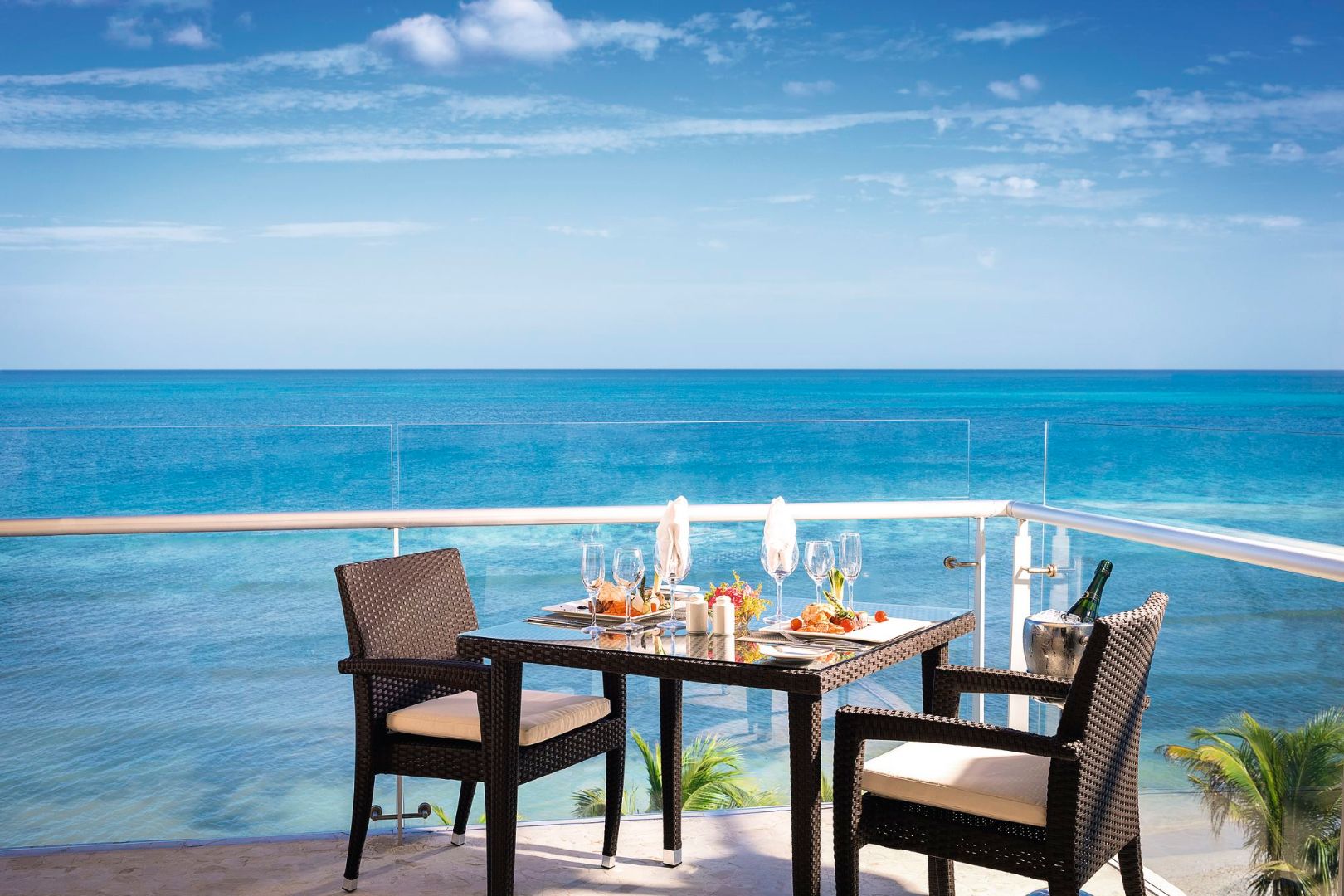
The experience of Half Board can vary significantly depending on the country and the specific hotel brand. In Italy, Half Board (known as mezza pensione) often features high-quality multi-course meals that showcase regional flavors. In contrast, a Half Board stay at a massive resort in the Maldives, such as the Conrad Maldives Rangali Island, is often a necessity rather than a choice, as there are no “local restaurants” to walk to.
In North America, the Half Board concept is less common in city hotels but very popular in mountain resorts in places like Aspen or Banff. Here, the focus is on hearty, high-protein meals to help guests recover from a day of skiing or hiking.
Ultimately, Half Board is about providing a “home base” for your palate. It offers a sense of security and a fixed cost that can make a vacation much more relaxing. Whether you are looking at a luxury stay at the Bellagio Hotel or a family-friendly resort in Florida, weighing the benefits of this meal plan against your personal travel goals will ensure you have the most fulfilling—and delicious—experience possible.
LifeOutOfTheBox is a participant in the Amazon Services LLC Associates Program, an affiliate advertising program designed to provide a means for sites to earn advertising fees by advertising and linking to Amazon.com. Amazon, the Amazon logo, AmazonSupply, and the AmazonSupply logo are trademarks of Amazon.com, Inc. or its affiliates. As an Amazon Associate we earn affiliate commissions from qualifying purchases.