
The concept of a homestead exemption is a cornerstone of property ownership in Texas, offering significant financial relief to homeowners. It’s a legal provision designed to protect a portion of a homeowner’s equity from creditors and to reduce the property tax burden. For anyone owning a home in the Lone Star State, understanding how homestead exemption works is crucial for maximizing financial benefits and ensuring peace of mind. This article delves into the intricacies of this vital Texas law, exploring its benefits, eligibility requirements, and how to secure this valuable protection.
Understanding the Core Concepts of Homestead Exemption
At its heart, Texas homestead exemption serves two primary purposes: protecting homeowners from losing their primary residence due to certain debts and providing a reduction in property taxes. It’s not a one-time grant but an ongoing benefit that requires proper application and maintenance.
Protection Against Creditors
One of the most significant aspects of homestead exemption is its robust protection against forced sale by most creditors. Texas law is particularly protective of the homestead, deeming it a fundamental right to shelter. This means that if a homeowner faces financial difficulties, their primary residence is shielded from being seized and sold to satisfy many types of debts.
However, it’s essential to understand the limitations of this protection. Certain types of liens and debts are exceptions to the homestead protection. These typically include:
- Purchase Money Mortgages: Debts incurred to buy the home itself are always enforceable against the homestead.
- Property Taxes: Unpaid property taxes are a direct lien on the property, and failure to pay can lead to foreclosure.
- Home Equity Loans and Lines of Credit: Loans secured by the equity in the home are also exceptions, provided they meet strict Texas constitutional requirements.
- Federal Tax Liens: Liens placed by the federal government for unpaid taxes are generally not subject to state homestead exemptions.
- Liens for Work Performed on the Homestead: If a contractor performs work on the home and is not paid, they may be able to place a lien on the property.
- Certain Spousal and Child Support Obligations: In some cases, unpaid child support or alimony can become a valid claim against the homestead.
It’s crucial to differentiate between these exceptions and debts that are dischargeable in bankruptcy or that a creditor cannot force a sale for. The homestead protection prevents creditors from forcing the sale of the home to satisfy unsecured debts, such as credit card balances or medical bills, up to the value of the protected homestead.
Property Tax Relief
Beyond creditor protection, homestead exemption significantly reduces a homeowner’s annual property tax bill. This is achieved through two main mechanisms: the homestead exemption itself, which removes a portion of the home’s appraised value from taxation, and tax freezes, which limit future tax increases.
Homestead Tax Exemption
Every homeowner who qualifies for homestead exemption in Texas is entitled to an automatic exemption on the first $5,000 of their home’s appraised value for school district taxes. This means that for the purpose of calculating school taxes, the taxable value of the home is $5,000 lower.
Beyond this basic exemption, many local taxing units, such as cities, counties, and special districts, offer additional homestead exemptions. These are often referred to as “over $5,000” exemptions and can range from a few thousand dollars to a significant percentage of the home’s value. The availability and amount of these additional exemptions vary by taxing unit and are determined by the governing bodies of those entities.
Homestead Tax Freeze
For homeowners aged 65 or older, or those with a disability, Texas offers an additional, highly valuable benefit: a homestead tax freeze. Once a qualified individual claims this exemption, their property taxes for school district purposes cannot increase as long as they continue to own and reside in the home.
Furthermore, if a homeowner qualifies for a tax freeze and the taxing unit later adopts an additional homestead exemption, the tax freeze will also apply to that additional exemption. This effectively caps the homeowner’s school district tax liability at the amount they were paying when they first qualified for the freeze. This provision is a critical safeguard for seniors and individuals with disabilities, providing financial stability and predictability in their housing costs. It’s important to note that while school district taxes are frozen, taxes levied by local entities like cities or counties may still increase, though they would be subject to their own applicable homestead exemptions.
Eligibility Requirements for Homestead Exemption in Texas
To benefit from Texas homestead exemption, homeowners must meet specific criteria. These requirements ensure that the exemption is granted only to those who genuinely use the property as their primary residence.
Primary Residence
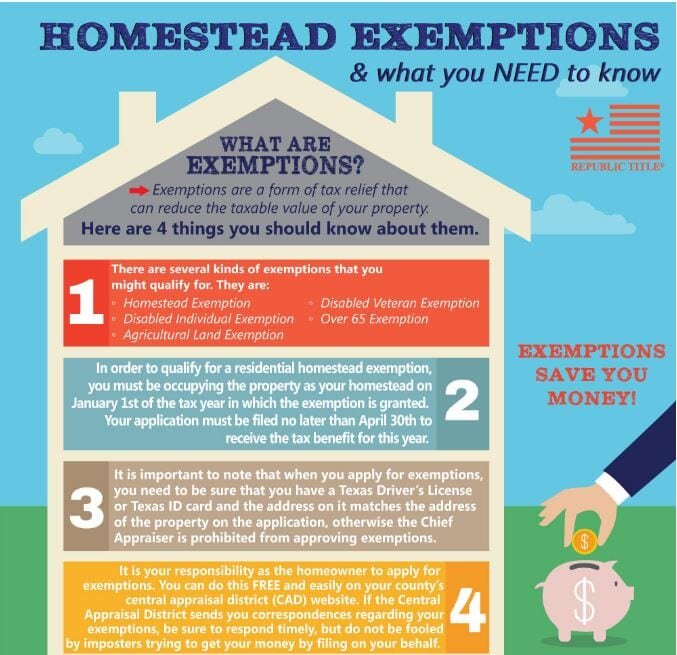
The most fundamental requirement is that the property must be the homeowner’s principal residence. This means the homeowner must actually live in the home and intend to make it their permanent dwelling. A person cannot claim homestead exemption on multiple properties simultaneously. If a homeowner owns more than one property, they must designate which one will serve as their homestead. This designation is crucial, as claiming homestead exemption on a property that is not your primary residence can lead to penalties and the loss of benefits.
Ownership and Occupancy
The applicant must own the property and occupy it as their home. This typically means having a legal interest in the property, such as holding the deed. The intent to occupy is also a key factor. For example, a property under construction that is intended to be a future primary residence may not immediately qualify until it is occupied. Similarly, a vacation home or a rental property, even if owned by the individual, cannot be designated as a homestead.
Types of Properties That Can Qualify
The homestead exemption applies to various types of residential properties in Texas, including:
- Single-family homes: The most common type of property to qualify.
- Condominiums: Owners of condominiums can claim homestead exemption on their unit.
- Townhouses: Similar to condominiums, townhouses also qualify.
- Manufactured homes: Provided they are permanently affixed to land owned by the homeowner, manufactured homes can also be eligible.
- Certain Dwellings on Leased Land: In some specific circumstances, a dwelling on leased land might qualify, but this often involves complex legal considerations.
The acreage limit for a homestead is also defined by law. For a rural homestead, the exemption applies to up to 200 acres for a single person or 100 acres for a married couple, along with the improvements on that land. For an urban homestead, the exemption applies to up to 10 acres of land, including the improvements, within a city or town.
How to Apply for Homestead Exemption in Texas
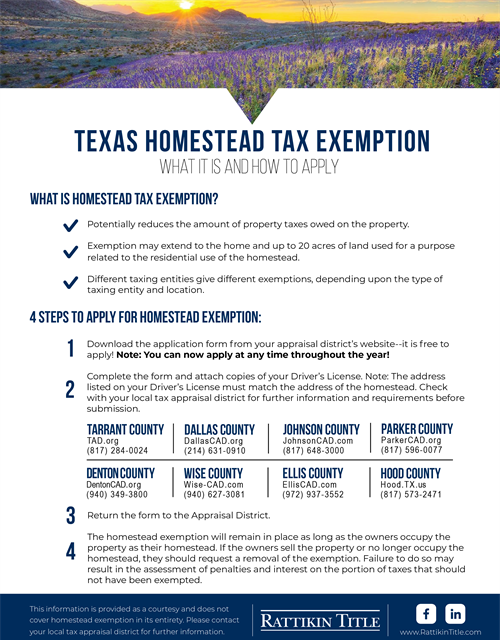
Securing homestead exemption in Texas is a straightforward process, but it requires timely action and proper documentation. The application is typically filed with the county appraisal district where the property is located.
The Application Process
- Obtain the Application Form: The application for homestead exemption can usually be downloaded from the website of your local county appraisal district or obtained in person at their office.
- Complete the Application: The form will require your name, property address, appraisal district account number, and other identifying information. You will also need to certify that the property is your principal residence.
- Provide Supporting Documentation: You may be asked to provide proof of residency, such as a driver’s license with the property address, a utility bill, or a voter registration card. If you are 65 or older or have a disability and are applying for the tax freeze, you will need to provide proof of age (e.g., a driver’s license, birth certificate) or a disability certification.
- File the Application: The completed application and supporting documents must be filed with your county appraisal district. The deadline for filing is typically April 30th for the tax year in question, though it’s always best to check with your specific appraisal district for exact dates.
- Renewal: Once granted, most homestead exemptions do not require annual renewal, as they automatically continue as long as you continue to own and occupy the property as your residence. However, exemptions for individuals with disabilities or those over 65 may require periodic re-certification.
Deadlines and Important Considerations
- Filing Deadline: The deadline for filing a homestead exemption application is generally April 30th of the tax year for which you are seeking the exemption. For example, to receive the exemption for the 2023 tax year, you would typically need to file by April 30, 2023.
- Late Filings: In some cases, late filings may be permitted under specific circumstances, but it’s always best to adhere to the standard deadline to avoid any complications.
- Changing Residency: If you move to a new home within Texas, you will need to file a new homestead exemption application for your new primary residence. You should also officially cancel the homestead exemption on your previous residence if you no longer occupy it.
- Divorce: In cases of divorce, if the property is jointly owned and one party vacates, the remaining occupant may need to re-apply or ensure the exemption remains valid for their primary residence.
Understanding Variations and Additional Exemptions
Beyond the standard homestead exemption, Texas offers several other specific exemptions that homeowners may qualify for, providing further property tax relief.
Additional Exemptions for Specific Groups
- Disabled Veterans: Texas provides significant property tax exemptions for disabled veterans, with the amount of exemption varying based on the percentage of disability. This can include exemptions on the full value of a homestead for 100% disabled veterans.
- Surviving Spouses: Surviving spouses of qualifying disabled veterans or surviving spouses of individuals who were 65 or older and had a homestead tax freeze may also be eligible for certain property tax benefits.
- Members of the U.S. Armed Forces: Active duty military personnel may have special provisions related to their homestead exemptions, particularly concerning their absence from the state due to military orders.

Agricultural and Timber Land Exemptions
While not directly part of the residential homestead exemption, it’s worth noting that Texas offers special appraisal programs for agricultural and timber land. If a portion of a property is used for agricultural or timber production, it can be appraised at its “use value” rather than its market value, significantly reducing property taxes. This is often referred to as “1-d-1” or agricultural appraisal and is separate from the homestead exemption but can be utilized in conjunction with it if the primary residence is located on such land.
The homestead exemption in Texas is a powerful tool for homeowners, offering both crucial protection from creditors and substantial relief from property taxes. By understanding the eligibility requirements and the application process, Texans can ensure they are taking full advantage of this vital legal benefit, making homeownership more secure and affordable.
LifeOutOfTheBox is a participant in the Amazon Services LLC Associates Program, an affiliate advertising program designed to provide a means for sites to earn advertising fees by advertising and linking to Amazon.com. Amazon, the Amazon logo, AmazonSupply, and the AmazonSupply logo are trademarks of Amazon.com, Inc. or its affiliates. As an Amazon Associate we earn affiliate commissions from qualifying purchases.