
When embarking on a journey, whether for leisure or business, the intricacies of hotel stays can sometimes feel overwhelming. Beyond booking the perfect room and anticipating the delightful amenities, understanding the financial aspects of your accommodation is crucial. One term that frequently surfaces in hotel contexts, yet might leave some travelers scratching their heads, is “hotel folio.” This seemingly simple word encapsulates a vital document that serves as the financial chronicle of your stay.
At its core, a hotel folio is an itemized statement of all charges incurred by a guest during their occupancy at a hotel. Think of it as your personal bill, detailing every expense from the nightly room rate to that delightful cocktail enjoyed at the bar, or the morning newspaper delivered to your door. It’s the ultimate record that allows you to reconcile your spending and ensure accuracy before settling your account. Understanding what a hotel folio is, how to read it, and why it’s important can significantly enhance your travel experience, prevent unexpected surprises, and empower you to manage your budget more effectively.
This comprehensive guide will delve deep into the world of hotel folios, exploring their purpose, typical contents, and how they tie into the broader landscape of travel and accommodation. We’ll navigate through the various aspects of hotel expenses, from the most common to the less anticipated, and provide practical advice for travelers to make the most of their understanding of this essential document.
The Anatomy of a Hotel Folio: What to Expect
A hotel folio is far more than just a list of numbers; it’s a narrative of your stay, presented in a structured and organized manner. When you check out of a hotel, whether it’s a bustling city center property like the [Grand Hyatt Hotel] in [New York City] or a serene beachfront resort in [Maui], you’ll typically be presented with this document. Its primary function is to provide transparency and accountability for all services and goods consumed during your time at the establishment.
Key Components of Your Folio
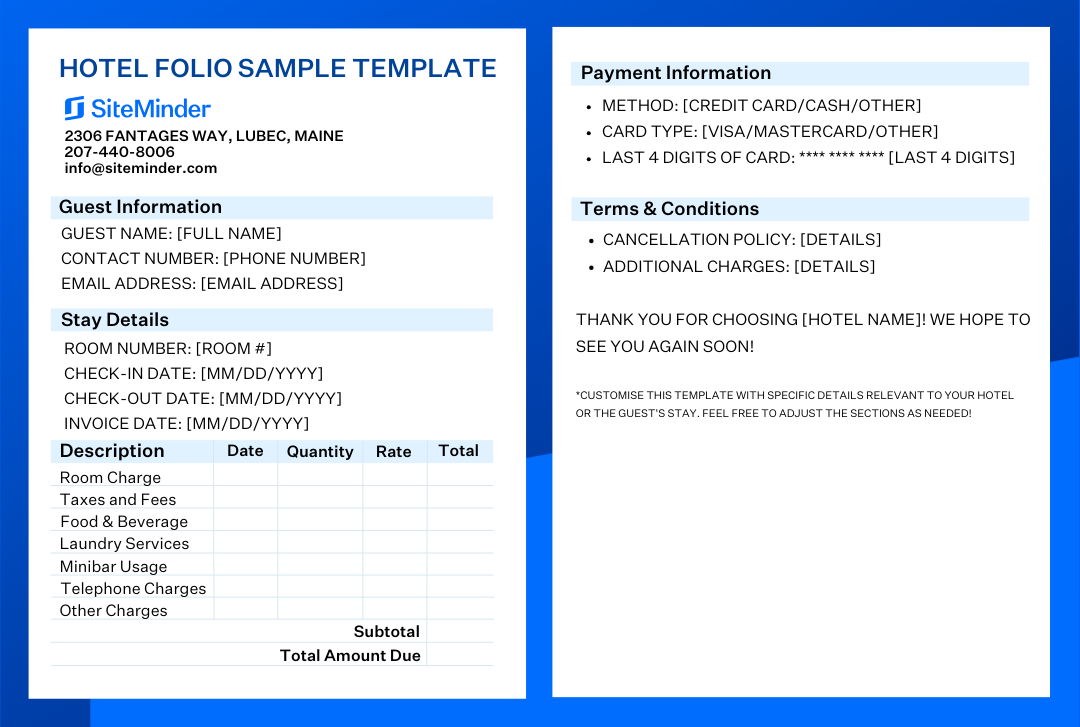
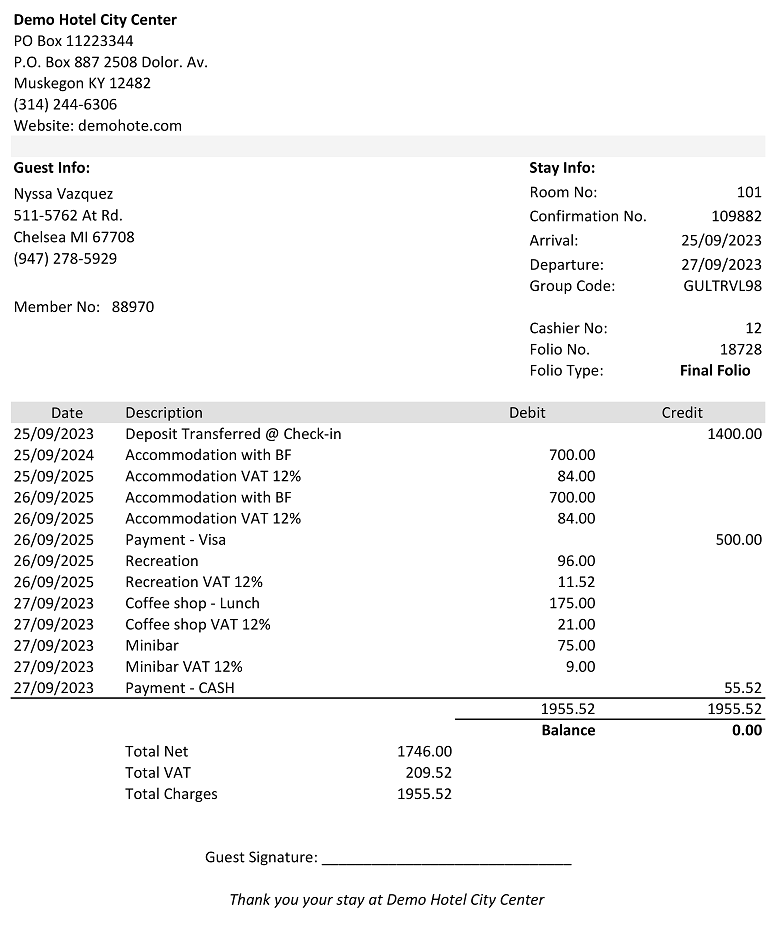
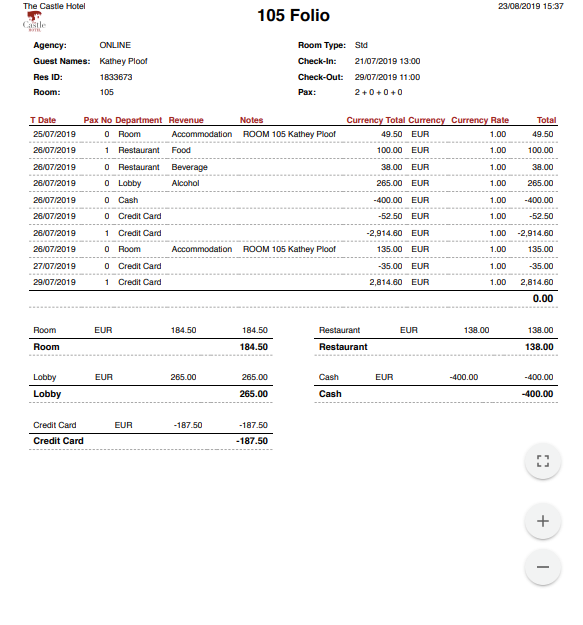
While the exact layout can vary slightly from one hotel chain to another, most hotel folios share a common set of elements:
- Guest Information: This section usually includes your name, room number, and the dates of your stay. It’s the initial identifier that links the folio directly to you.
- Room Charges: This is the most significant portion of your folio. It will clearly state the nightly rate of your room, along with any applicable taxes and fees. If you’ve opted for a room upgrade or a special package, this will be reflected here. For instance, a stay in a luxury suite at the [Burj Al Arab Jumeirah] in [Dubai] will have a distinct room charge compared to a standard room.
- Ancillary Charges: This is where the folio itemizes all the additional expenses beyond the room itself. This can encompass a wide range of services and goods, including:
- Food and Beverage: This covers everything from room service orders, meals in hotel restaurants, and drinks at the bar. If you enjoyed a fine dining experience at a restaurant within the [Ritz Paris], each charge would be itemized.
- Mini-Bar Consumption: Any items you’ve taken from your in-room mini-bar will be listed, often with a markup.
- In-Room Movies and Pay-Per-View: Charges for entertainment accessed through your room’s television.
- Laundry and Dry Cleaning Services: If you utilized these hotel services, their costs will be included.
- Spa and Wellness Services: Treatments booked at the hotel’s spa, like a massage or facial, will be detailed. A rejuvenating spa experience at a [Four Seasons Resort] will have its own line item.
- Phone Calls: Charges for any outgoing calls made from your room phone.
- Valet Parking or Self-Parking Fees: If you parked your vehicle at the hotel.
- Gift Shop Purchases: Any souvenirs or items bought from the hotel’s retail outlets.
- Other Services: This could include anything from airport transfers to concierge services.
- Taxes and Fees: All applicable local, state, and national taxes are itemized. This also includes resort fees or other mandatory charges that the hotel levies.
- Payments and Credits: This section details any payments you’ve already made, such as an initial deposit or advance payments. It will also show any credits applied to your account.
- Total Balance Due: The final amount you owe the hotel after all charges, payments, and credits have been accounted for.
Understanding these components is the first step towards mastering your hotel folio. It allows you to quickly scan the document and verify that each charge is legitimate and reflects what you actually consumed or used.
Why is a Hotel Folio Important? Benefits for Travelers
The hotel folio is more than just a receipt; it’s a critical tool for travelers, offering several significant benefits that contribute to a smoother and more secure travel experience. Ignoring it can lead to misunderstandings and potential financial discrepancies.
Ensuring Accuracy and Preventing Errors
The most immediate benefit of a hotel folio is its role in ensuring the accuracy of your bill. Hotels are busy places, and human error can occur. A meticulously itemized folio allows you to:
- Verify Room Charges: Double-check that the nightly rate aligns with your booking confirmation. This is particularly important if you booked through a third-party website or secured a special promotional rate.
- Identify Unfamiliar Charges: You might discover a charge for a mini-bar item you didn’t touch or a service you didn’t request. Without the folio, these errors could go unnoticed. For example, if you stayed at the [Waikiki Beach Marriott Resort & Spa] and found a charge for a cocktail you never ordered, the folio would be your evidence to dispute it.
- Confirm Package Inclusions: If you booked a package that included meals or specific activities, the folio should reflect these inclusions and their absence as separate charges.
Budget Management and Financial Planning
For travelers who are mindful of their spending, the hotel folio is an invaluable tool for budget management.
- Real-time Spending Overview: While you can track spending as you go, the folio provides a consolidated view of all expenses incurred at the hotel. This allows you to see how much you’ve spent on accommodation-related items, helping you stay within your pre-determined budget for the trip.
- Understanding Ancillary Costs: Many travelers underestimate the cost of on-site amenities. The folio clearly outlines expenses for food, drinks, and services, offering a realistic picture of how these costs can add up. This knowledge is empowering for future trip planning, allowing for more accurate budgeting for destinations like [Paris] or [Tokyo].
- Reconciliation with Travel Cards: If you’re using a travel credit card or debit card, the folio helps you reconcile your hotel expenses with your bank statements or credit card statements, ensuring everything matches up.
Dispute Resolution and Accountability
In the unfortunate event of a billing dispute, your hotel folio is your primary piece of evidence.
- Evidence for Discrepancies: If you need to dispute a charge with the hotel management or your credit card company, the folio serves as concrete proof of the items and services billed. This is essential when dealing with significant expenses, such as those incurred during a long stay at a resort like [The Greenbrier] in [West Virginia].
- Hotel Accountability: The existence of a detailed folio holds the hotel accountable for its billing practices. It demonstrates a commitment to transparency, which is a hallmark of reputable establishments.
The importance of the hotel folio cannot be overstated. It is your right as a guest to receive and review this document, and doing so diligently can save you time, money, and unnecessary stress.
Navigating Hotel Folios: Tips for Smart Travelers
Understanding what a hotel folio is and why it’s important is one thing; effectively using it to your advantage is another. Here are some practical tips for travelers to navigate their hotel folios with confidence and ease.
Proactive Review During Your Stay
Don’t wait until check-out to scrutinize your folio. Many hotels offer ways to review your charges during your stay, which can be incredibly beneficial.
- In-Room Televisions: Many modern hotels integrate folio review options into their in-room entertainment systems. You can often access a real-time summary of your charges by navigating through the TV menu.
- Hotel Apps and Online Portals: Increasingly, hotels are providing guest portals or mobile applications where you can track your expenses. Downloading your hotel’s app before your trip can give you this advantage.
- Requesting an Interim Folio: If you’re staying for an extended period, such as a week at a luxury villa in [Bali], or if you’ve incurred significant charges early in your stay, don’t hesitate to ask the front desk for an interim folio. This allows you to catch any errors before they become a larger issue.
The Check-Out Process: A Final Review
Even if you’ve reviewed your folio during your stay, a final, careful review at the front desk is essential before settling your bill.
- Take Your Time: Don’t feel rushed. Politely inform the front desk staff that you would like a moment to review your folio.
- Ask Questions: If anything is unclear, ask for an explanation. Whether it’s a charge for a service you don’t recognize or a tax that seems unusually high, the staff should be able to clarify. For instance, if you’re checking out of the [Bellagio] in [Las Vegas] and have a question about a resort fee, inquire about its specific inclusions.
- Dispute Discrepancies Immediately: If you find an error, bring it to the attention of the front desk staff right away. Most reputable hotels are keen to resolve billing issues promptly and professionally. Having your booking confirmation and any relevant receipts handy can aid in this discussion.
Understanding Common Folio Pitfalls
Be aware of common areas where discrepancies or unexpected charges might arise:
- Mini-Bar Auto-Replenishment: Some mini-bars are equipped with sensors that automatically charge your account when items are removed, even if you don’t intend to purchase them. Always check the mini-bar inventory and alert housekeeping if you plan to remove items without consuming them.
- Complimentary vs. Charged Services: Clarify which services are truly complimentary. For example, Wi-Fi might be free in public areas but charged in rooms, or vice-versa. A guided tour booked through the concierge might be a charged service.
- Resort Fees: These mandatory fees, common in many tourist destinations, are often not included in the initial room rate quoted by booking sites. They are usually clearly itemized on the folio and cover amenities like pool access, gym use, and local calls.
By adopting these proactive strategies and exercising diligence, travelers can transform the hotel folio from a potentially confusing document into a powerful tool for a seamless and financially sound trip. Whether you are a seasoned globetrotter exploring the historical sites of [Rome] or a family on a budget vacation to the [Disney World] resorts, mastering the hotel folio is a skill that pays dividends.
LifeOutOfTheBox is a participant in the Amazon Services LLC Associates Program, an affiliate advertising program designed to provide a means for sites to earn advertising fees by advertising and linking to Amazon.com. Amazon, the Amazon logo, AmazonSupply, and the AmazonSupply logo are trademarks of Amazon.com, Inc. or its affiliates. As an Amazon Associate we earn affiliate commissions from qualifying purchases.