
The Boston Marathon bombing on April 15, 2013, stands as a profoundly tragic event in the recent history of the United States. What began as a day of athletic achievement and communal celebration quickly devolved into a scene of chaos and sorrow when two pressure-cooker bombs detonated near the finish line of the iconic race. This senseless act of terrorism not only claimed innocent lives and left hundreds injured, but it also left an indelible mark on the spirit of the city and its people. While the pain of that day can never be fully erased, the city of Boston, the Commonwealth of Massachusetts, and indeed the entire nation, responded with an overwhelming display of resilience, unity, and courage that became famously known as “Boston Strong.”
This article seeks to respectfully address the central question of who was killed in the Boston Bombing, honoring their memories, and then transition to how Boston remembers them, and how visitors today can experience a city that has channeled its grief into an enduring spirit of strength, community, and vibrant life. It explores the memorials, the landmarks, and the everyday vibrancy that demonstrate Boston’s unwavering character, offering a perspective for travelers interested in understanding the city’s unique blend of historical significance, modern appeal, and an unforgettable story of overcoming adversity.
Remembering the Victims: A City United in Grief and Resilience
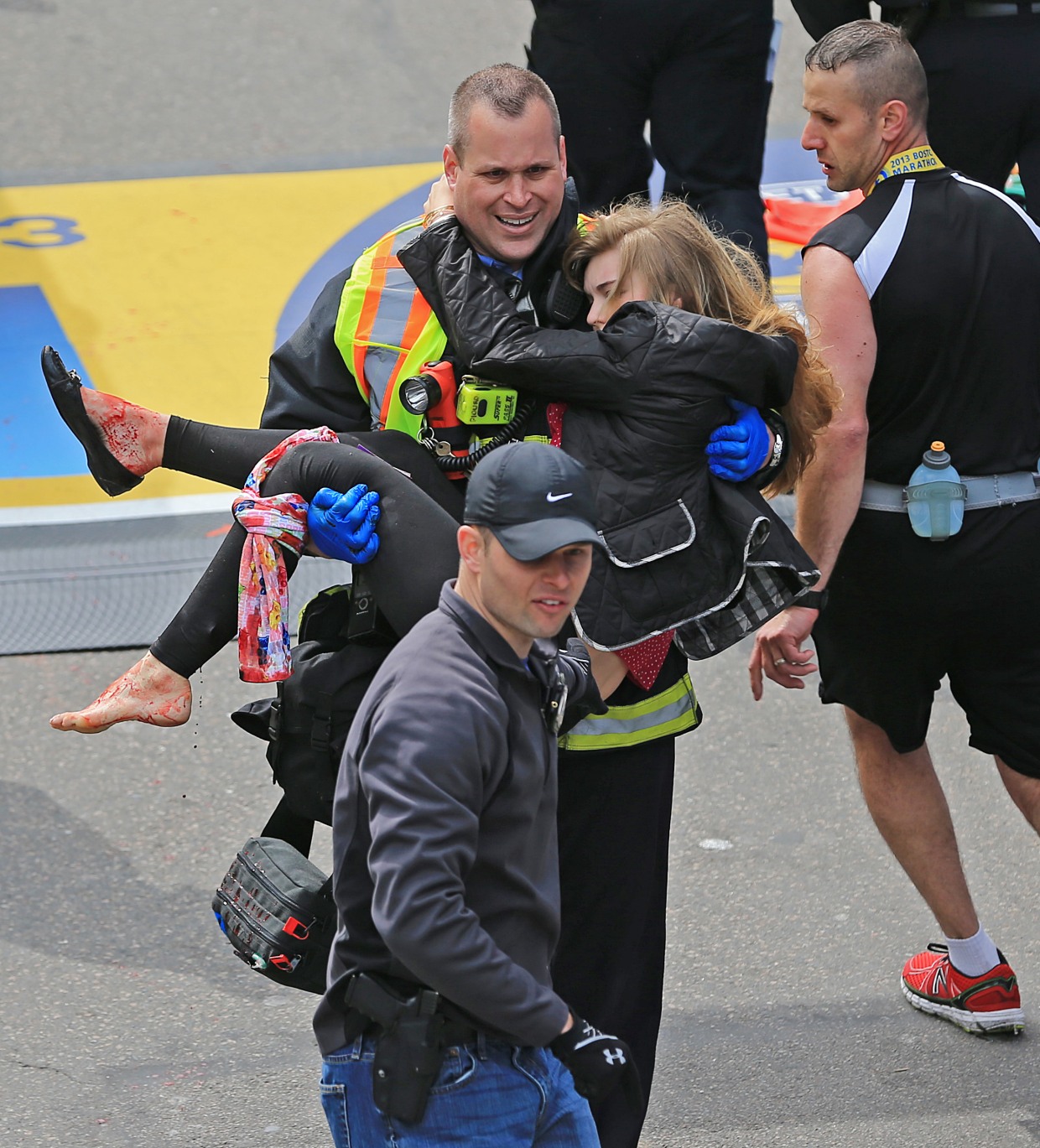
The immediate aftermath of the bombings was a period of intense grief, fear, and uncertainty. However, it was swiftly followed by an extraordinary outpouring of compassion, heroism, and solidarity. Emergency responders, medical personnel, volunteers, and ordinary citizens acted with incredible bravery, rushing towards danger to aid the injured. The days that followed saw the community rally around the victims and their families, showcasing the profound depth of human kindness and the unbreakable spirit of Bostonians.
The Lives Lost: A Profound Loss for Boston and Beyond
The Boston Marathon bombing resulted in the deaths of three spectators at the finish line and a police officer during the subsequent manhunt. These individuals represented a cross-section of humanity, each with their own dreams, families, and contributions to the world. Their premature deaths were a profound loss, not just for their loved ones, but for the entire community that grieved their passing.
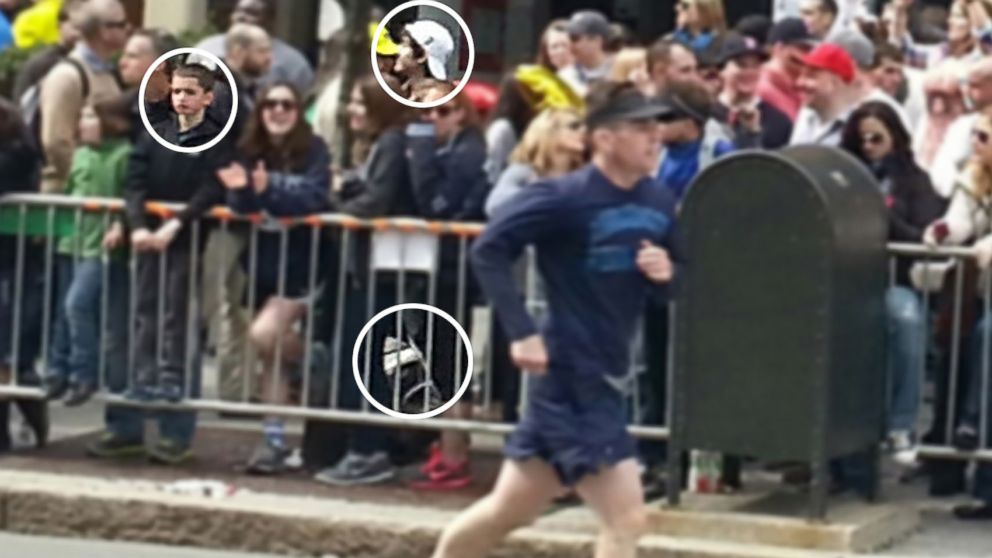
- Martin Richard: An 8-year-old boy from Dorchester, Massachusetts, Martin was at the finish line with his family to cheer on runners. His mother and sister were also severely injured in the blast. Martin was known for his kind spirit, his love of sports, and a powerful message he had created for a school project a year before his death, advocating for peace by writing, “No more hurting people. Peace.” His youthful innocence and the tragic circumstances of his death deeply affected the nation, making him a poignant symbol of the senseless violence of the attack.
- Krystle Campbell: A 29-year-old restaurant manager from Medford, Massachusetts, Krystle was at the finish line with a friend, waiting to cheer on her boyfriend. Described by her family and friends as a vibrant, generous, and loving woman with a big heart, Krystle had an infectious smile and a strong sense of community. She had worked hard since high school to build a career in hospitality and was deeply cherished by those around her. Her loss was a devastating blow to her family and the community she served.
- Lingzi Lu: A 23-year-old graduate student from China, Lingzi was studying mathematics and statistics at Boston University. She was at the finish line with friends, watching the race. Lingzi was a bright and ambitious student with a passion for life and a promising future ahead of her. She had come to Boston to pursue her education and experience American culture. Her parents traveled from China to Boston following the tragedy, and her memory became a symbol of the global impact of the attack and the shared humanity of all victims.
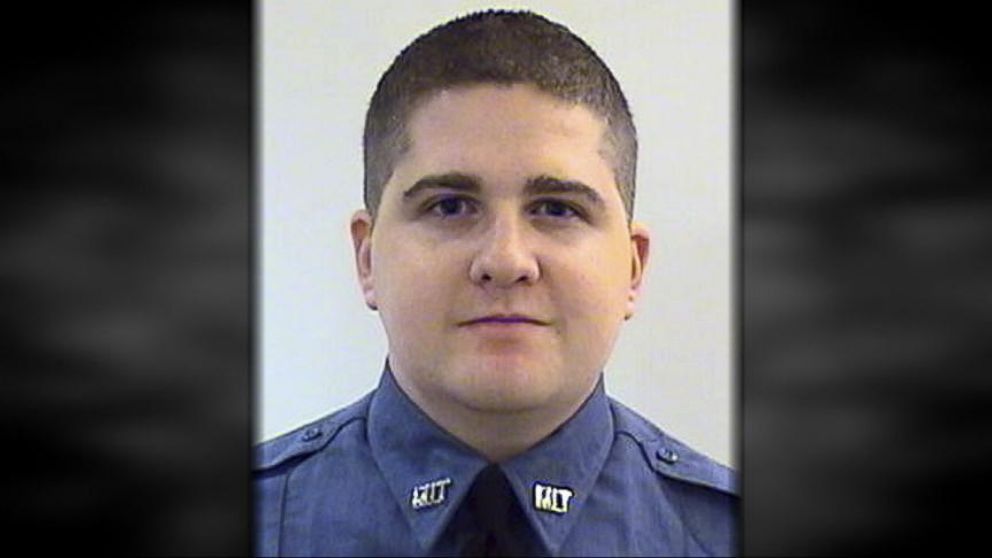
- Sean Collier: A 27-year-old police officer at the Massachusetts Institute of Technology (MIT), Sean was ambushed and killed by the bombers three days after the marathon attack, during their attempt to evade capture. Officer Collier was known for his dedication to public service, his friendly demeanor, and his commitment to his community. He had a strong desire to help others and was an exemplary officer. His death, while not directly from the marathon bombs, was a direct consequence of the terrorists’ actions and is intrinsically linked to the tragic events of that week, adding to the profound sorrow felt by the region.
In addition to these four individuals, more than 260 people were injured, many suffering life-altering wounds, including the loss of limbs. The stories of survival, recovery, and adaptation among the injured have been equally powerful, demonstrating extraordinary courage and resilience.
The Spirit of Boston: A Community’s Response
In the face of such profound tragedy, Boston did not crumble; instead, it stood united. The phrase “Boston Strong” emerged as a rallying cry, symbolizing the city’s refusal to be defeated by fear and its collective determination to heal and move forward. This spirit manifested in numerous ways:
- Heroism of First Responders: Police officers, firefighters, and paramedics, many of whom had just completed the marathon themselves, rushed into the chaos to save lives, displaying unparalleled courage.
- Medical Excellence: Boston’s world-renowned hospitals, including Massachusetts General Hospital and Brigham and Women’s Hospital, activated emergency protocols, providing immediate and expert care that saved countless lives. The coordinated response of medical professionals was widely lauded.
- Community Solidarity: Ordinary citizens opened their homes to stranded runners, donated blood, volunteered their time, and contributed to fundraising efforts like The One Fund Boston, which provided financial assistance to victims and their families. This spontaneous outpouring of support showcased the deep bonds within the community.
- Resilience of the Boston Marathon: The marathon itself returned the following year with even greater participation and enthusiasm, sending a powerful message that the event, and the city, would not be intimidated. It became a celebration of endurance, remembrance, and the unyielding spirit of human endeavor.
The legacy of the Boston Bombing is complex. It is a story of immense sorrow and senseless violence, but it is also a powerful narrative of human resilience, community strength, and unwavering hope. For those visiting Boston today, understanding this history provides a deeper appreciation for the city’s enduring character.
Places of Reflection and Remembrance in Boston
For travelers who wish to understand the impact of the Boston Marathon bombing and witness the city’s response, several places offer opportunities for quiet reflection and remembrance. These sites not only honor the victims but also stand as testaments to Boston’s remarkable journey of healing and hope.
The Boston Marathon Memorial
Located on Boylston Street, near the site of the two explosions, the Boston Marathon Memorial serves as a permanent tribute to those who lost their lives and those who were injured. Dedicated in 2019, the memorial consists of two distinct areas, one for each bomb site. Designed by landscape architect Elizabeth Endo, the twin memorials feature bronze sculptural elements by Pablo Eduardo, each representing the resilience of the victims and the city.
The design incorporates polished granite stones that glow at night, symbolizing the enduring light of the victims’ spirits. Each memorial includes three tall, bronze spires that represent the strength and resilience of those affected, along with bronze medallions commemorating the three spectators who died that day: Martin Richard, Krystle Campbell, and Lingzi Lu. A separate tribute for MIT Officer Sean Collier is located on the MIT campus. The memorial on Boylston Street also features plaques honoring the emergency responders, volunteers, and medical professionals who provided aid. Visitors can spend a moment of quiet reflection here, observing the flowers and tributes often left by passersby, and feel the powerful sense of remembrance that permeates the area. It is a poignant reminder of the lives lost and the city’s commitment to never forget.
Other Significant Landmarks and Sites in Boston
Beyond the official memorial, several other locations in Boston hold a significant connection to the events of 2013, offering additional layers of context for visitors:
- Copley Square: This historic public square, situated just beyond the marathon finish line, became the immediate focal point of the tragedy. It was here that many of the injured were first treated, and it later served as an impromptu memorial site where people left flowers, candles, cards, and running shoes in tribute. Today, Copley Square remains a vibrant hub, home to the Boston Public Library and Trinity Church, but its significance as a place of shared grief and subsequent healing endures.
- Boston Public Library: A magnificent architectural landmark on the edge of Copley Square, the Boston Public Library became a place of refuge for many during the chaos. Its grand halls and serene reading rooms provided a stark contrast to the unfolding tragedy outside. Today, it stands as a symbol of intellectual freedom and a cornerstone of the community, welcoming visitors to explore its rich history and stunning architecture.
- Boylston Street: The entire stretch of Boylston Street, particularly between Exeter and Fairfield streets, where the bombs detonated, is imbued with meaning. Once the scene of unimaginable horror, it has been rebuilt and revitalized. Today, it bustles with shops, restaurants, and cafes, representing the city’s determination to reclaim and celebrate life. Walking along Boylston Street, one can observe the contrast between its somber past and its vibrant present.
- Massachusetts Institute of Technology (MIT): The campus in Cambridge is where MIT Officer Sean Collier was tragically killed. MIT has a lasting memorial to Officer Collier, reflecting the deep impact his loss had on the university community and the city. While not directly related to the marathon finish line, it’s an important site for understanding the full scope of the tragedy and the heroism displayed during those harrowing days.
Visiting these sites offers a powerful opportunity to reflect on the events of 2013, to honor the memories of those affected, and to witness firsthand how Boston has rebuilt and strengthened its resolve. It’s a journey that combines historical awareness with an appreciation for human resilience.
Experiencing Modern Boston: A City of Enduring Charm and Innovation
While the memory of the Boston Marathon bombing is a part of the city’s modern history, it does not define Boston. Today, Boston remains one of the United States’ most captivating destinations, seamlessly blending its rich colonial past with cutting-edge innovation and a vibrant contemporary culture. Travelers seeking to immerse themselves in history, enjoy world-class cuisine, or simply soak in the dynamic atmosphere will find Boston incredibly welcoming and rewarding.
Iconic Landmarks and Attractions for Every Traveler
Boston’s unique character offers an array of experiences for every type of traveler, from history buffs and art enthusiasts to foodies and families.
- The Freedom Trail: For those interested in America’s foundational history, the Freedom Trail is a must-do. This 2.5-mile red-lined path connects 16 historically significant sites, including the Massachusetts State House, Old North Church, Paul Revere House, and the USS Constitution. Walking the trail is like stepping back in time, offering insights into the American Revolution and the city’s pivotal role in shaping the nation.
- Faneuil Hall Marketplace: A bustling hub of activity, Faneuil Hall Marketplace combines history with modern commerce. Comprising Quincy Market, North Market, and South Market, it’s a fantastic place to sample local and international foods, shop for souvenirs, and enjoy street performers. It embodies the vibrant community spirit that has long characterized Boston.
- New England Aquarium: Perfect for family trips or marine life enthusiasts, the New England Aquarium is home to thousands of aquatic creatures, including sharks, turtles, penguins, and seals. Its giant ocean tank offers a mesmerizing journey through an underwater world.
- Museum of Fine Arts: As one of the largest art museums in the United States, the Museum of Fine Arts boasts an encyclopedic collection spanning ancient to contemporary works. From Egyptian artifacts and Impressionist masterpieces to extensive American art, it offers a rich cultural experience for art lovers.
- Boston Common and Public Garden: These iconic green spaces offer a tranquil escape from the urban bustle. Boston Common, America’s oldest park, is ideal for leisurely strolls and people-watching, while the adjacent Public Garden is famous for its Swan Boats and meticulously maintained flowerbeds, offering picturesque views throughout the seasons.
Culinary Delights and Accommodation in Boston
Boston’s thriving culinary scene is another major draw, offering everything from classic New England seafood to diverse international cuisine.
- Seafood Delights: No visit to Boston is complete without indulging in its renowned seafood. Fresh lobster rolls, creamy clam chowder, and oysters are staples, best enjoyed at waterfront restaurants or classic eateries like Neptune Oyster in the North End.
- North End: Boston’s oldest residential neighborhood is also its vibrant Italian district. Here, visitors can savor authentic Italian pasta, pastries from legendary bakeries like Mike’s Pastry or Modern Pastry, and experience a rich cultural tapestry.
- Diverse Dining: Beyond seafood and Italian, Boston boasts an eclectic dining scene, with options ranging from upscale fine dining in the Seaport District to casual gastropubs in various neighborhoods.
When it comes to accommodation, Boston offers a wide range of hotels and lodging options to suit every budget and lifestyle, from luxury travel to budget-friendly stays, and catering to family trips or business stays.
- Luxury Stays: Iconic hotels like the Fairmont Copley Plaza, directly overlooking Copley Square, offer opulent rooms and historic charm. The Boston Harbor Hotel provides breathtaking waterfront views and top-tier amenities.
- Boutique Hotels: Charming boutique hotels can be found in historic neighborhoods like Beacon Hill or the South End, offering unique character and personalized service.
- Family-Friendly Options: Many hotels near attractions like the New England Aquarium or the Children’s Museum cater to families with spacious suites and kid-friendly amenities.
- Business Stays: Downtown and Seaport District hotels provide convenient access to convention centers and corporate offices, often equipped with business centers and meeting facilities.
The accommodation landscape in Boston is as diverse as its attractions, ensuring that every visitor can find the perfect base for their exploration of this dynamic city.
In conclusion, while the question “Who Was Killed In Boston Bombing?” brings to mind a profound tragedy, it also opens a window to understanding the indomitable spirit of Boston. The city remembers its victims not with despair, but with memorials that inspire reflection, and by continuing to thrive as a vibrant, welcoming, and endlessly fascinating destination. Visitors to Boston today will discover a city rich in history, innovation, and an unparalleled sense of community, all underpinned by a powerful story of resilience that continues to inspire the world. To visit Boston is to experience a living testament to the human spirit’s capacity to overcome adversity, to remember, and to move forward with strength and hope.
LifeOutOfTheBox is a participant in the Amazon Services LLC Associates Program, an affiliate advertising program designed to provide a means for sites to earn advertising fees by advertising and linking to Amazon.com. Amazon, the Amazon logo, AmazonSupply, and the AmazonSupply logo are trademarks of Amazon.com, Inc. or its affiliates. As an Amazon Associate we earn affiliate commissions from qualifying purchases.