
The Blue Hawaii cocktail is more than just a drink; it is a vibrant, liquid embodiment of tropical escapism, a glass-encased dream of sun-drenched beaches and gentle ocean breezes. For countless travelers, sipping a Blue Hawaii marks the quintessential beginning or highlight of a vacation, especially in its namesake paradise. This iconic cocktail, with its dazzling cerulean hue and refreshingly sweet-tart profile, has woven itself into the fabric of global tourism, becoming a potent symbol of relaxation and exotic indulgence. Understanding “what is in a Blue Hawaii” goes beyond a simple list of ingredients; it delves into its fascinating origins, its cultural significance, and its enduring appeal as a cornerstone of the tropical drink lexicon.
The Allure of the Blue Hawaii: A Tropical Icon
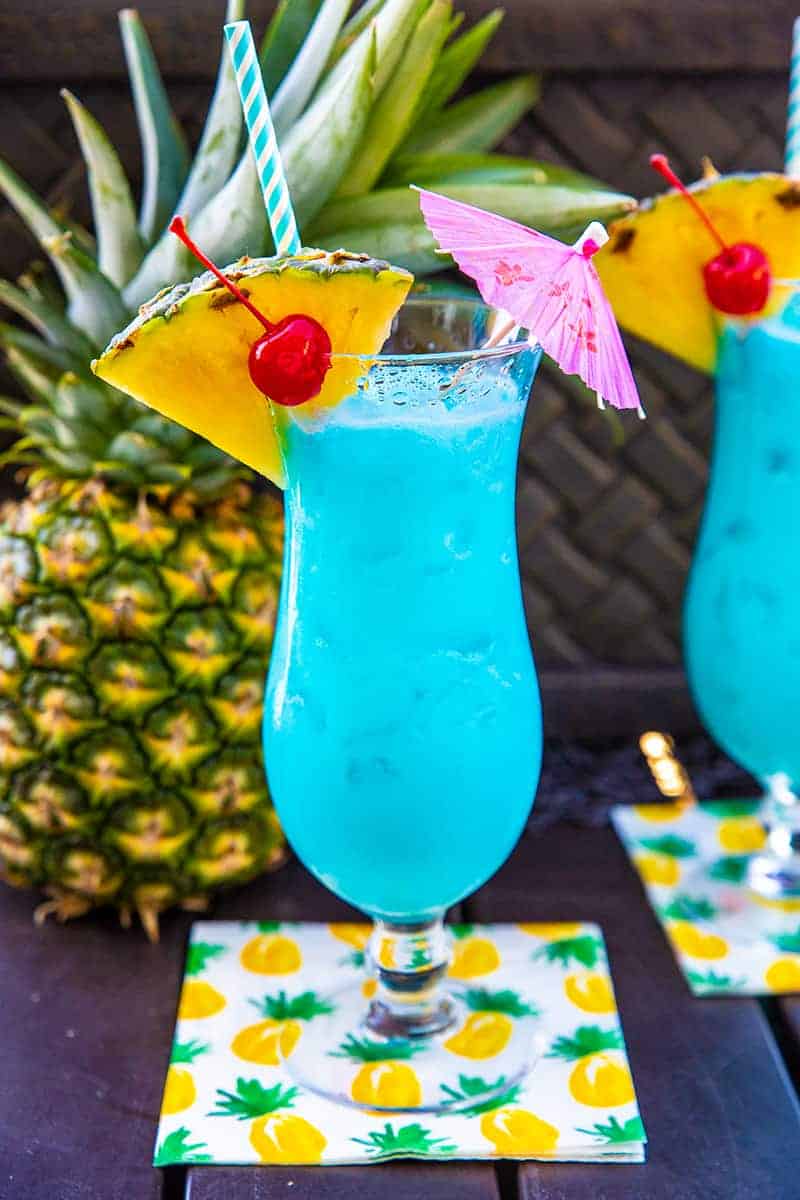
Few cocktails possess the immediate visual impact and universal recognition of the Blue Hawaii. Its striking blue color, reminiscent of the Pacific Ocean on a clear day, instantly transports the drinker to an idyllic setting, even if they’re miles away from the nearest beach. This drink isn’t just a beverage; it’s an experience, a miniature vacation in a glass, profoundly influencing the perception of tropical leisure.
Origins and Evolution: A Sip of Waikiki History
The story of the Blue Hawaii begins in 1957, not on a remote island, but within the bustling confines of the Hilton Hawaiian Village in Waikiki, Honolulu. It was here that legendary bartender Harry Yee, a true pioneer of the tiki cocktail movement, was tasked by a Bols liqueur sales representative to create a new drink featuring their Blue Curaçao product. Yee, known for his innovative approach and flair, combined the vibrant blue liqueur with vodka, light rum, pineapple juice, and a sour mix, inadvertently crafting a legend.
The initial inspiration for the drink’s name was simple: a tribute to the beautiful island state itself. Its vibrant color immediately linked it to the deep blues of the surrounding ocean. At a time when Hawaii was on the cusp of statehood and gaining increasing popularity as a tourist destination, the Blue Hawaii emerged as the perfect liquid ambassador, encapsulating the exotic allure that drew visitors from around the globe. Its immediate success at the Hilton Hawaiian Village quickly led to its spread across other resorts and bars, cementing its place as a must-try for any visitor.
Beyond the Beach: Global Appeal and Adaptation
While born in Hawaii, the Blue Hawaii’s appeal rapidly transcended its birthplace. Its easily replicable formula and striking appearance made it a favorite in resort towns, cruise ships, and vacation spots worldwide. From the Caribbean to the Mediterranean, any establishment catering to tourists seeking a taste of paradise found a ready audience for the blue-hued concoction.
Its status as a vacation staple is undeniable. The Blue Hawaii signals leisure, fun, and indulgence. It’s often the first drink ordered upon arrival at a tropical destination, a symbolic shedding of everyday worries and an embrace of the holiday spirit. Bartenders everywhere know the recipe by heart, and its image is synonymous with beachfront bars and poolside relaxation. This global adaptation underscores its power as a universal symbol of escape, transcending its specific origins to become a general icon of tropical indulgence.
Deconstructing the “Blue” and the “Hawaii”: Key Ingredients
At its heart, the Blue Hawaii is a meticulously balanced blend of spirits, liqueurs, and fruit juices that come together to create its distinctive flavor and appearance. Understanding each component is key to appreciating the cocktail’s genius.
The Essential Spirits: Rum and Vodka
The foundation of the Blue Hawaii rests upon a dual spirit base:
- Light Rum: Typically, a white or silver rum is preferred. This spirit provides a subtle, sweet sugarcane backbone without overpowering the other delicate flavors. Its clean profile allows the tropical notes to shine, while still contributing to the cocktail’s alcoholic kick. Light rum is a classic choice for many tropical drinks, offering versatility and a smooth finish.
- Vodka: The inclusion of vodka adds another layer of alcoholic strength without introducing additional flavors. Vodka is a neutral spirit, meaning it allows the other ingredients—particularly the fruit juices and the Blue Curaçao—to dominate the taste profile. This ensures the drink remains refreshing and fruit-forward, rather than spirit-heavy.
The combination of these two spirits creates a potent yet palatable base, making the drink enjoyable even for those who might not typically favor stronger cocktails, as the alcohol is well-integrated and masked by the fruitiness.
The Vibrant Hue: Blue Curaçao
The most visually defining ingredient, and indeed what gives the Blue Hawaii its signature color, is Blue Curaçao.
- What it is: Curaçao is an orange-flavored liqueur made from the dried peel of the Laraha citrus fruit, which is grown on the island of Curaçao. While typically clear or orange, the blue variety is infused with food coloring to achieve its distinctive electric blue shade.
- Its Role: Beyond its aesthetic contribution, Blue Curaçao provides a delightful citrusy sweetness to the cocktail. It bridges the gap between the spirits and the fruit juices, offering a unique flavor that is both sweet and slightly bitter, adding complexity and depth. Without Blue Curaçao, the drink would simply be another tropical fruit cocktail, lacking its iconic appearance and specific taste profile.
Tropical Sweetness and Tang: Pineapple Juice and Sweet and Sour Mix
The fruit components are crucial for balancing the spirits and liqueurs, providing the tropical sweetness and refreshing tartness that define the drink.
- Pineapple Juice: Freshly squeezed pineapple juice is paramount for an authentic Blue Hawaii. Its natural sweetness and tangy acidity are the heart of the tropical flavor. It provides body and a characteristic fruity aroma that is instantly recognizable and universally loved in tropical concoctions. The quality of the pineapple juice significantly impacts the overall taste, making fresh or high-quality canned juice a non-negotiable for a superior drink.
- Sweet and Sour Mix: This component, typically a blend of lemon or lime juice and simple syrup, adds the necessary tartness to cut through the sweetness of the pineapple and Blue Curaçao. A well-balanced sweet and sour mix prevents the drink from being cloyingly sweet, ensuring a crisp, refreshing finish. Many professional bartenders prefer to make their own fresh sweet and sour mix, using freshly squeezed citrus for optimal flavor.
Garnish and Presentation: The Final Flourish
The visual appeal of the Blue Hawaii extends beyond its color to its traditional garnishes, which are integral to the overall experience.
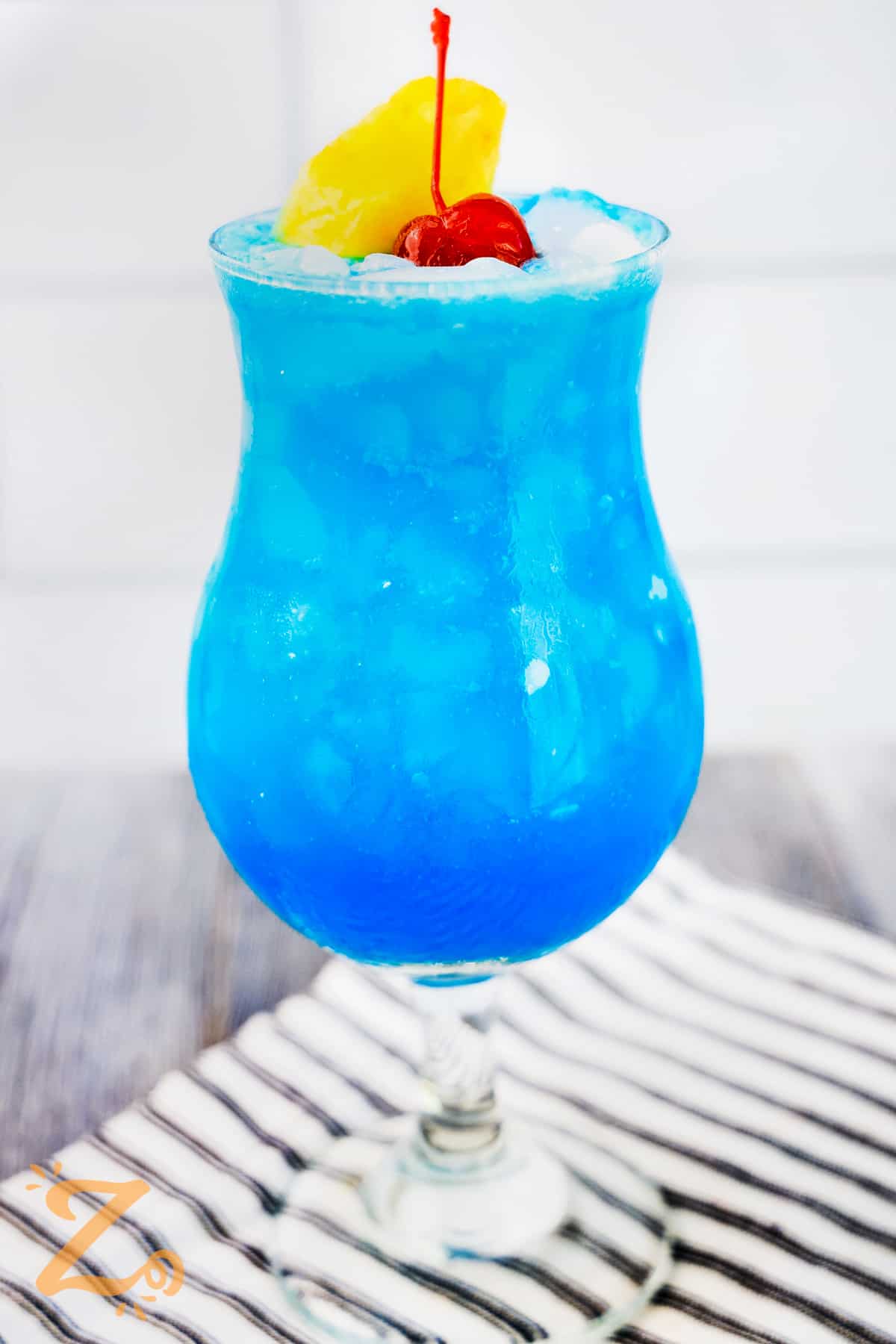
- Pineapple Wedge and Cherry: A fresh pineapple wedge, often perched on the rim of the glass, offers an additional burst of tropical aroma and flavor. A maraschino cherry, typically red, provides a vibrant contrast against the blue, adding a touch of classic tropical kitsch.
- Cocktail Umbrella: The small paper cocktail umbrella, while purely decorative, is an iconic symbol of tropical drinks and leisure. It completes the visual narrative of escapism and fun, making the [Blue Hawaii](https://lifeoutofthebox.com/blue-hawaii] instantly recognizable as a vacation drink.
- Glassware: Traditionally served in a hurricane glass or a tall highball glass, the choice of vessel enhances the drink’s presentation, allowing its vibrant color to be fully appreciated.
The Blue Hawaii as a Culinary Tourism Experience
For tourists, food and drink are often inseparable from the travel experience, serving as conduits to local culture and memorable moments. The Blue Hawaii exemplifies this, acting as a significant touchpoint in culinary tourism.
More Than a Drink: A Cultural Ambassador
The Blue Hawaii is far more than a simple alcoholic beverage; it’s a cultural icon, especially for those visiting the Hawaiian Islands or other tropical destinations. It serves as a tangible representation of the “Aloha Spirit” – a welcoming, relaxed, and joyful approach to life. Sipping a Blue Hawaii allows tourists to immerse themselves in the laid-back, paradise image that Hawaii has cultivated globally.
It’s a symbol of celebration, of being on vacation, of letting go of stress and embracing the moment. For many, it’s the taste of relaxation, embodying the very essence of a tropical getaway. Its vibrant color is often mirrored in the clear waters and bright skies of these destinations, creating a harmonious sensory experience that deeply connects the drink to its environment. This makes it an essential part of the “food activities” for tourists, on par with trying local dishes or attending a luau.
Where to Savor the Authentic Blue Hawaii
While the Blue Hawaii can be found almost anywhere with a bar, experiencing it in its natural habitat, or at least in a setting that enhances its tropical appeal, is part of the tourism experience.
- In Hawaii: The ultimate experience involves sipping a Blue Hawaii on a beach in Waikiki, perhaps even at the historic Hilton Hawaiian Village where it was invented. Throughout Honolulu and on other islands like Maui or Oahu, beachside bars, resort lounges, and fine dining establishments all offer their rendition of the classic. Bartenders in Hawaii often take pride in crafting this local specialty, sometimes using fresh, locally sourced pineapple juice that elevates the flavor significantly.
- Tropical Resorts Globally: Beyond Hawaii, any high-end resort or cruise line with a focus on tropical leisure will feature the Blue Hawaii prominently on its menu. These establishments understand that the drink is a core part of the “vacation vibe” they aim to cultivate. Look for bars that emphasize fresh ingredients and skilled mixologists for the best experience.
Crafting Your Own Tropical Escape: Home Bartending Tips
For those wishing to replicate the magic at home, crafting a Blue Hawaii can be a delightful activity, bringing a taste of vacation to any occasion.
- Ingredients:
- 1 oz (30ml) Light Rum
- 1 oz (30ml) Vodka
- 0.5 oz (15ml) Blue Curaçao
- 3 oz (90ml) Pineapple Juice (freshly squeezed for best results)
- 1 oz (30ml) Sweet and Sour Mix (or 0.5 oz fresh lemon/lime juice + 0.5 oz simple syrup)
- Instructions:
- Fill a highball or hurricane glass with ice.
- Combine all liquid ingredients in a shaker filled with ice.
- Shake well until thoroughly chilled.
- Strain the mixture into the prepared glass.
- Garnish with a fresh pineapple wedge, a maraschino cherry, and a cocktail umbrella.
Using premium spirits and fresh juices will always yield a superior drink, transforming a simple cocktail into a mini-culinary journey.
The Enduring Legacy of the Blue Hawaii
The Blue Hawaii’s journey from a resort bar experiment to a global icon is a testament to its timeless appeal and its ability to evoke the spirit of paradise. Its legacy continues to shape tropical drink culture and influence tourist perceptions.
A Staple in Tiki Culture
The Blue Hawaii holds a significant place within the broader pantheon of tiki cocktails, alongside classics like the Mai Tai and the Zombie, pioneered by legends such as Donn Beach and Trader Vic. While perhaps less complex than some of its older tiki brethren, its vibrant color and straightforward tropical profile made it an instant hit during the post-war tiki boom. It contributed to the era’s fascination with Polynesian aesthetics and exotic drinks, solidifying the idea of the “vacation cocktail.” Its bright, appealing look perfectly matched the playful and escapist ambiance of tiki bars.
The Future of a Classic: Innovation and Tradition
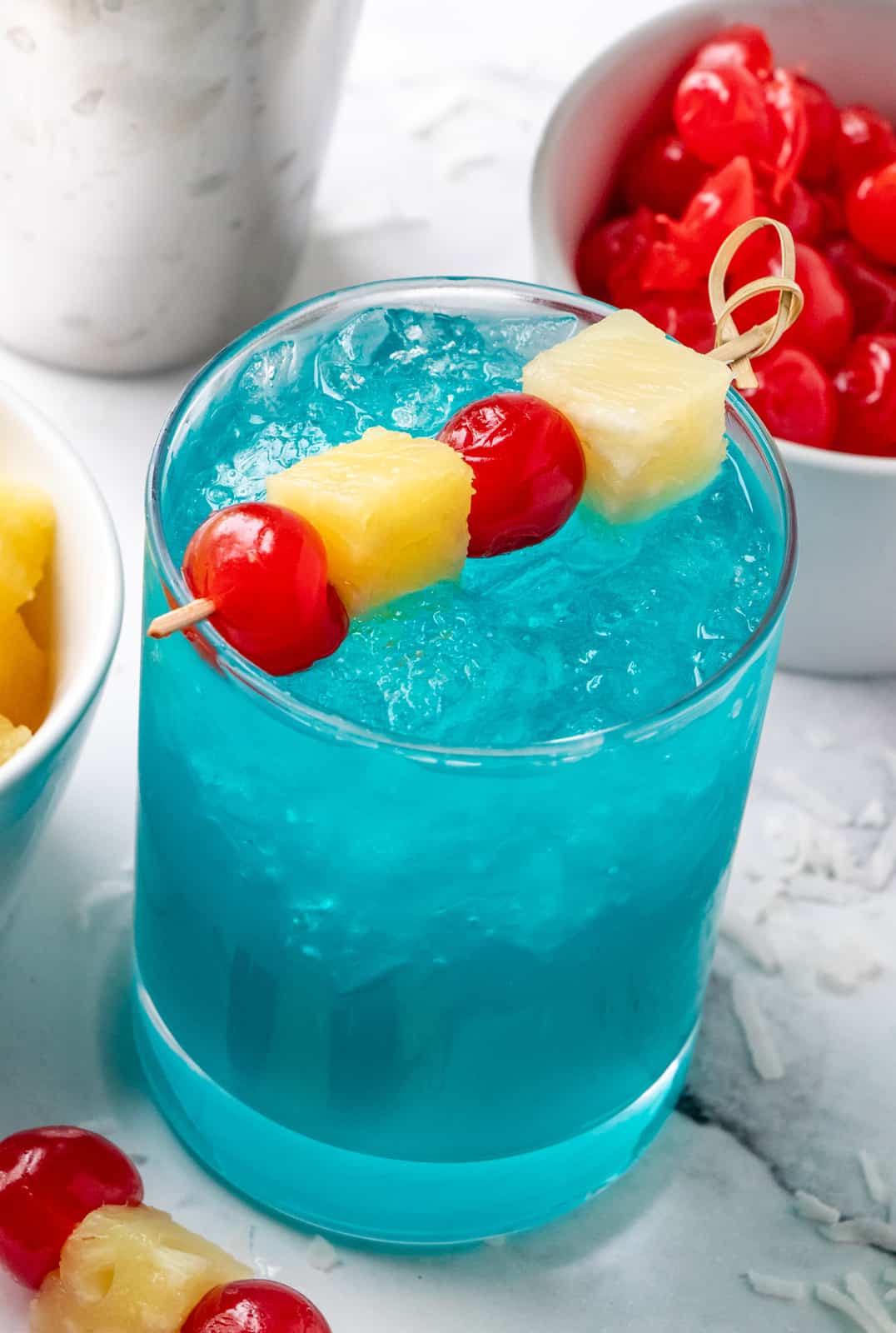
Despite the ever-evolving landscape of mixology, the classic Blue Hawaii formula remains largely untouched, a testament to its perfect balance. However, contemporary bartenders occasionally offer innovative twists. Some variations might experiment with different rums (aged vs. light), introduce additional fruit purees like coconut or mango, or swap out the sweet and sour for fresh lime and artisanal syrups. High-end establishments might use freshly muddled pineapple or craft their own Blue Curaçao substitutes with natural blue colorants for a more sophisticated take.
Yet, the core appeal of the Blue Hawaii lies in its accessible, familiar profile and stunning visual. It is a drink that doesn’t need reinvention to remain relevant; its connection to carefree holidays and tropical bliss ensures its enduring popularity. For tourists and armchair travelers alike, “what is in a Blue Hawaii” will always be more than just ingredients; it’s a taste of sunshine, a splash of ocean blue, and a promise of paradise found.
LifeOutOfTheBox is a participant in the Amazon Services LLC Associates Program, an affiliate advertising program designed to provide a means for sites to earn advertising fees by advertising and linking to Amazon.com. Amazon, the Amazon logo, AmazonSupply, and the AmazonSupply logo are trademarks of Amazon.com, Inc. or its affiliates. As an Amazon Associate we earn affiliate commissions from qualifying purchases.