
Boston, Massachusetts, is a city steeped in history, renowned for its intellectual prowess, vibrant arts scene, and pivotal role in American independence. Yet, for many, the city evokes a peculiar culinary image, encapsulated in its endearing, if somewhat enigmatic, nickname: “Beantown.” This moniker, often a source of amusement or curiosity for visitors, is far more than a whimsical label; it is a delicious testament to Boston’s colonial past, its enduring culinary traditions, and the very fabric of its local culture. To understand why Boston is Beantown is to embark on a flavorful journey through time, exploring the forces that made a humble legume an integral part of one of America’s most iconic cities.

A Culinary Chronicle: The Origins of Beantown
The story of “Beantown” is inextricably linked to the practicalities and preferences of colonial life, a period when sustenance was often dictated by necessity, availability, and the prevailing cultural norms. It’s a tale that begins not with haute cuisine, but with hearty, wholesome fare designed to nourish and sustain a growing populace.
The Humble Bean’s Rise to Prominence
The bean, specifically the navy bean (also known as the pea bean), became a cornerstone of the New England diet for several compelling reasons. During the colonial era, trade routes were vital, and Boston’s bustling port was a hub for goods from around the world. One key commodity was molasses, a byproduct of sugar cane processing from the Caribbean plantations. This sweet, dark syrup was cheap, readily available, and a crucial ingredient in many colonial dishes, including the soon-to-be-famous baked beans.
Beyond trade, the Puritan settlers of Boston and throughout New England observed the Sabbath with strict religious devotion. Cooking on Sundays was largely forbidden, leading to the ingenious practice of preparing meals on Saturday that could be left to cook slowly overnight or easily reheated the following day. Baked beans, requiring long, slow simmering, fit this requirement perfectly. A large pot of beans could be set to bake in a brick oven on Saturday, providing a warm, nutritious, and convenient meal for Sunday. This tradition became deeply ingrained, linking baked beans to the very rhythm of weekly life.
Furthermore, beans were an incredibly economical and accessible food source. They were easy to store, provided substantial protein, and could be grown or acquired without great expense, making them a dietary staple for families of all economic strata. When combined with molasses and often a piece of salt pork, they offered a complete, energy-rich meal that was both satisfying and affordable. This combination of religious practice, economic necessity, and readily available ingredients laid the foundation for beans to become a culinary icon in Boston.
Boston Baked Beans: A Signature Dish
The dish that cemented Boston’s association with beans is, of course, Boston Baked Beans. Far from a simple stew, this dish is a masterclass in slow cooking and flavor development, reflecting the ingenuity of early American cooking.
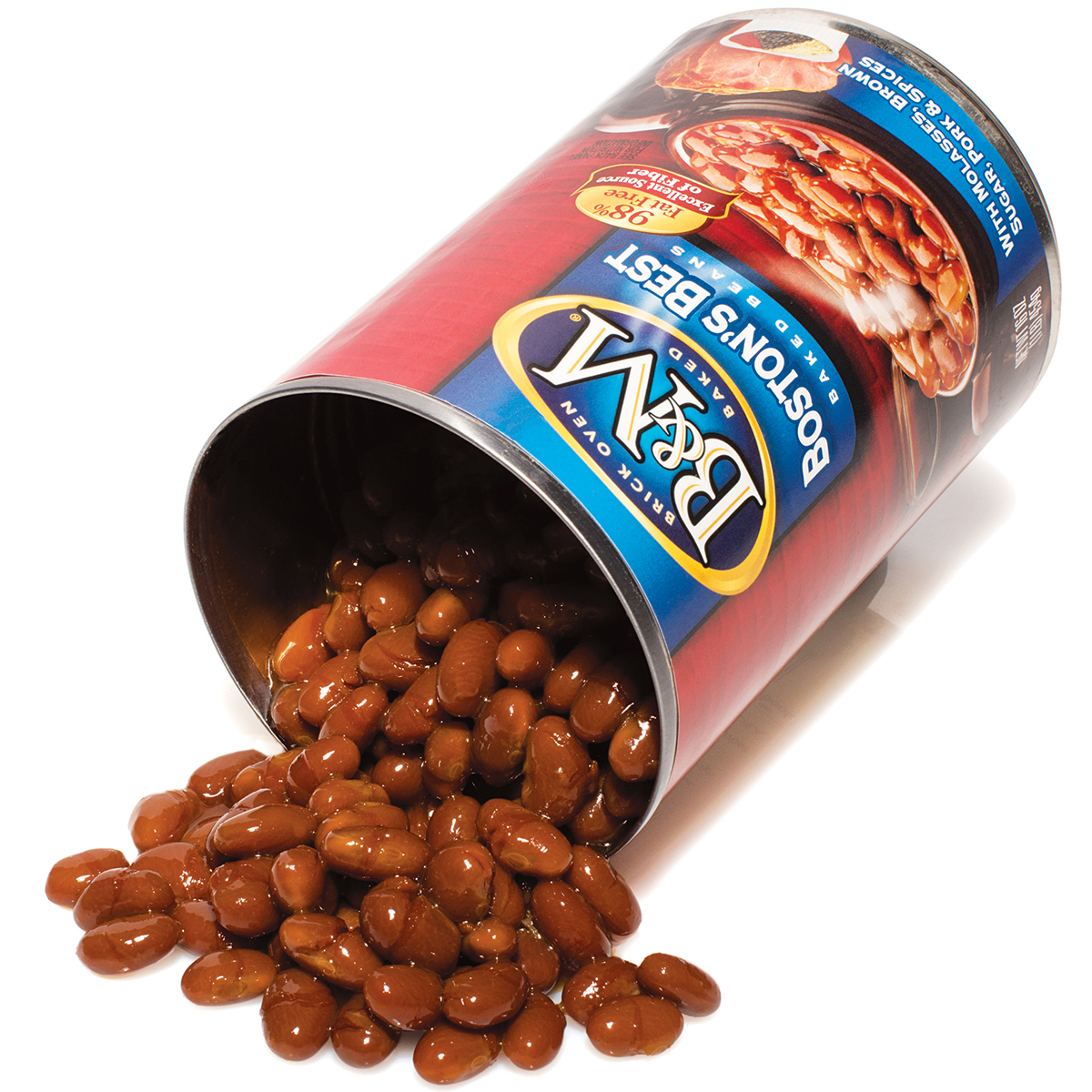
The traditional recipe calls for small, white navy beans, which are first soaked overnight and then simmered until tender. The real magic happens in the baking process. The beans are combined with a rich, savory-sweet sauce made primarily from molasses, often with the addition of brown sugar, mustard, salt, and pepper. Crucially, a piece of salt pork or bacon is usually buried within the beans, rendering its fat and infusing the entire dish with a distinctive smoky, umami depth. This mixture is then transferred to a bean pot, a traditional ceramic vessel designed for slow cooking, and baked for many hours—sometimes six to eight, or even longer—at a low temperature. This extended baking time allows the flavors to meld, the beans to become incredibly tender, and the sauce to thicken into a glossy, caramelized glaze.
Boston Baked Beans were not just a meal; they were a social and cultural institution. They were a common sight at community gatherings, church suppers, and family meals, providing warmth and sustenance during the long New England winters. The communal act of sharing this slow-cooked delicacy fostered a sense of togetherness and tradition. It was a dish that embodied comfort, resilience, and the enduring spirit of the region.
More Than Just a Meal: Beantown’s Cultural Echoes
While the culinary heritage is undeniable, the transformation of “baked beans” into “Beantown” signifies a deeper cultural embedding, illustrating how a staple food can evolve into a symbol of identity. The nickname is a shorthand for Boston’s unique character and its proud connection to its past.
Nickname and Identity
The nickname “Beantown” didn’t emerge immediately with the first pot of baked beans. It gained widespread currency in the late 19th and early 20th centuries, likely popularized by tourists and outsiders who observed the city’s distinctive culinary tradition. It was a charming, slightly folksy label that captured a defining characteristic of Boston life. While some Bostonians may sometimes view the nickname with a touch of ambivalence, perhaps finding it a bit too quaint or reductive for a city of such historical and intellectual gravitas, it is nonetheless deeply etched into the public consciousness. For many, it’s a badge of honor, a simple, warm reminder of their city’s unique roots.
The adoption of “Beantown” as a popular identifier speaks volumes about the dish’s pervasive presence. It wasn’t merely a food; it was a cultural touchstone. It became a recognized symbol, effortlessly connecting a complex metropolitan area to a comforting, historical image. This affection for the traditional extends beyond food, permeating various aspects of Boston’s identity, from its historic architecture to its steadfast community spirit.
Beyond the Plate: Beans in Bostonian Life
The legacy of baked beans in Boston extends beyond just the traditional dish. It’s a testament to how local culture can preserve and celebrate its culinary heritage. Today, while perhaps not every household has a pot of beans baking on a Saturday, the tradition is upheld in many classic Boston eateries, diners, and specialty food shops.
The cultural significance is also reflected in the enduring popularity of other dishes that complement Boston Baked Beans, such as traditional New England brown bread, often steamed in a can, and various codfish cakes. These pairings speak to a broader New England culinary identity that values simple, wholesome ingredients prepared with time-honored methods. Local markets often feature artisan versions of these staples, ensuring that the flavors of colonial Boston continue to thrive. Food festivals and community events occasionally highlight these traditional foods, allowing both residents and visitors to reconnect with this delicious past. The name “Beantown” acts as a culinary compass, guiding curious palates towards an authentic taste of Boston’s heritage.
Experiencing Beantown Today: Food, History, and Local Flavor
For visitors eager to delve into Boston’s unique cultural tapestry, experiencing the “Beantown” legacy firsthand is an essential part of the journey. It’s an opportunity to taste history and connect with the city’s soul.
Where to Taste Authentic Boston Baked Beans
To truly understand “Why is Boston Beantown?”, one must taste the dish itself. While many restaurants may offer a version, seeking out establishments known for their commitment to traditional New England cuisine is key. Classic diners, family-run eateries, and historic restaurants often pride themselves on their authentic Boston Baked Beans, slow-cooked to perfection.
Look for places that describe their beans as “homemade” or “traditional,” often served alongside brown bread and perhaps some grilled hot dogs or sausages. Some establishments might even serve them as part of a classic “Friday Night Fish Fry” or “Saturday Night Supper.” Don’t be afraid to ask locals for their favorite spots; word-of-mouth recommendations often lead to the most authentic culinary gems. Sampling this iconic dish provides not just a meal, but a direct link to the city’s culinary roots and its “Beantown” identity.
Delving Deeper into Boston’s Culinary History
Beyond eating, exploring the broader context of Boston’s colonial foodways offers a richer understanding of the “Beantown” moniker. Consider taking a culinary walking tour that focuses on the city’s historic districts. Many such tours delve into the lives of early Bostonians, discussing what they ate, how they cooked, and the significance of various foods, including beans, to their survival and culture.
Visiting historical sites along the Freedom Trail can also provide insights. Places like the Paul Revere House offer glimpses into domestic life in colonial Boston, where baked beans would have been a common sight on the dinner table. Engaging with historical interpreters at these sites can shed light on the economic and social conditions that made certain foods, like beans, so important. Understanding the challenges and ingenuity of early settlers makes the “Beantown” nickname resonate with even greater historical depth. It helps paint a vivid picture of a bustling port city where trade, tradition, and practicality converged to create a unique culinary heritage.
Beantown’s Enduring Legacy: A Symbol of Resilience and Tradition
The journey of the bean from a simple colonial staple to the namesake of a major American city is a powerful narrative of cultural evolution, reflecting Boston’s enduring character. The nickname “Beantown” is more than just a quaint label; it’s a symbol of resilience, tradition, and the deep historical roots that define Boston.
From Necessity to Delicacy
The story of Boston Baked Beans began out of necessity. In an era of limited resources and strict religious observances, the dish provided an economical, nourishing, and convenient meal. It was a pragmatic solution to the challenges of colonial life. Over centuries, however, this humble dish transcended its utilitarian origins. It became a beloved comfort food, a culinary tradition passed down through generations, and eventually, a delicacy celebrated for its rich flavor and historical significance. This transformation mirrors Boston itself: a city that grew from a pragmatic Puritan settlement into a sophisticated urban center, yet always retaining a deep respect for its founding principles and heritage. The slow-cooked nature of the beans also symbolizes the deliberate, thoughtful character often associated with Boston – a city that builds on its past with careful consideration.

The Future of a Foodie Moniker
Today, while Boston is a global city at the forefront of innovation in biotechnology, education, and finance, its “Beantown” moniker serves as a charming anchor to its rich past. It’s a conversation starter, a nod to local identity, and a gentle reminder of the traditions that continue to shape the city’s spirit. Far from being a relic of the past, the “Beantown” nickname helps preserve a tangible link to Boston’s colonial narrative, offering a unique lens through which to appreciate its history, culture, and culinary distinctiveness.
For visitors and residents alike, “Why is Boston Beantown?” invites a delightful exploration of local culture, food, and the intricate web of historical events that shaped this remarkable city. It is a testament to the fact that sometimes, the most profound aspects of a place can be found in the simplest, most enduring traditions – traditions as comforting and deeply rooted as a slow-baked pot of beans. The nickname ensures that the humble legume’s extraordinary journey remains a celebrated part of Boston’s identity for generations to come.
LifeOutOfTheBox is a participant in the Amazon Services LLC Associates Program, an affiliate advertising program designed to provide a means for sites to earn advertising fees by advertising and linking to Amazon.com. Amazon, the Amazon logo, AmazonSupply, and the AmazonSupply logo are trademarks of Amazon.com, Inc. or its affiliates. As an Amazon Associate we earn affiliate commissions from qualifying purchases.