
The allure of the Last Frontier, Alaska, extends far beyond its breathtaking landscapes and abundant wildlife. For culinary adventurers, a unique experience awaits in the form of the Alaska Roll. While the name might evoke images of icy waters and snow-capped mountains, the Alaska Roll is, in fact, a delightful and distinctive sushi creation. This article delves into the heart of this popular maki, exploring its origins, core ingredients, variations, and why it has become a beloved fixture in sushi menus, particularly in regions that cherish its Alaskan namesake.
The Genesis of the Alaska Roll
The exact origin of the Alaska Roll is somewhat shrouded in the mists of culinary history, much like the elusive northern lights. However, its emergence is widely attributed to the ingenuity of sushi chefs seeking to incorporate local, fresh ingredients into traditional Japanese cuisine. As sushi gained popularity throughout the United States, regional variations began to flourish, drawing inspiration from local produce and seafood.
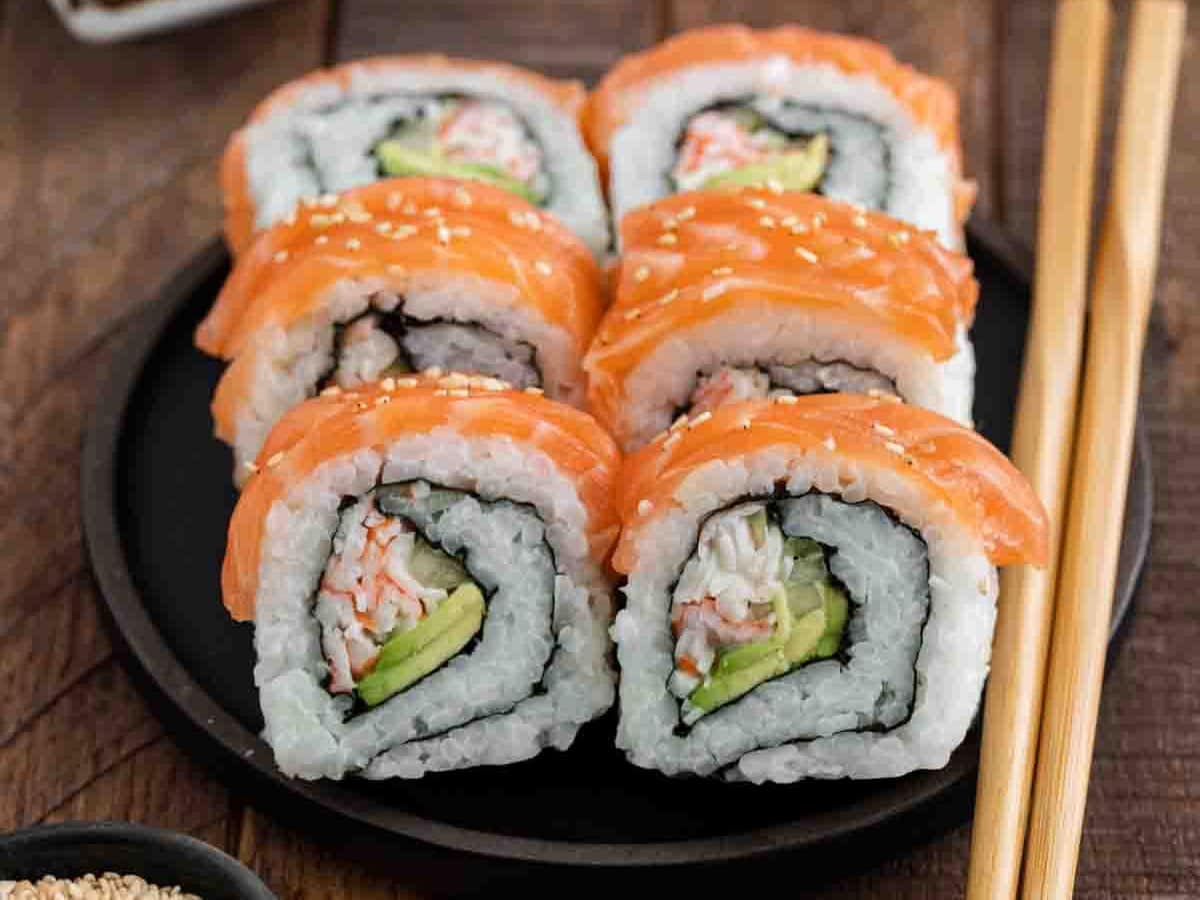
The Alaska Roll likely rose to prominence in the latter half of the 20th century, coinciding with a growing appreciation for seafood from the Pacific Northwest and Alaska. The name itself suggests a direct connection to the region, celebrated for its rich fishing grounds. Chefs, keen to offer a taste of Alaska on a plate, developed a roll that featured ingredients readily associated with the state’s bountiful waters.
Unlike some other popular rolls that might incorporate more exotic or complex flavor profiles, the Alaska Roll often emphasizes simplicity and the inherent quality of its core components. This straightforward approach allows the natural flavors of the seafood to shine, making it an accessible yet sophisticated choice for sushi enthusiasts. It represents a fusion of culinary traditions, where the meticulous art of Japanese sushi-making meets the robust, fresh ingredients of Alaska.
The Quintessential Ingredients
At its heart, the Alaska Roll is characterized by a specific combination of ingredients that define its unique identity. While variations do exist, the foundational elements remain consistent, providing a recognizable and satisfying flavor profile.
Salmon: The Star of the Show
The undisputed protagonist of the Alaska Roll is salmon. Alaska is world-renowned for its pristine waters and the exceptional quality of its salmon. Varieties such as sockeye, king (chinook), or coho salmon are often preferred for their rich flavor and firm texture. Whether used raw or lightly smoked, the salmon provides a succulent, oceanic depth to the roll. The choice of salmon can subtly influence the final taste, with sockeye offering a slightly bolder flavor and king salmon a richer, fattier profile. The freshness of the salmon is paramount; sushi-grade fish is essential to ensure safety and optimal taste.
Avocado: Creamy Counterpoint
Complementing the richness of the salmon is avocado. This creamy, buttery fruit provides a delightful textural contrast and a mild, sweet flavor that balances the more intense notes of the fish. The smooth, almost velvety texture of ripe avocado melds beautifully with the rice and salmon, creating a harmonious bite. Its presence softens the overall profile of the roll, making it highly approachable, even for those new to raw fish. The vibrant green of the avocado also adds a visually appealing element to the roll.
Cucumber: A Refreshing Crunch
To further enhance the textural experience and introduce a refreshing element, cucumber is a common inclusion. Thinly julienned cucumber adds a subtle crispness and a clean, watery flavor that cuts through the richness of the salmon and avocado. This adds another layer of complexity to the roll, preventing it from becoming too heavy and ensuring each bite is lively and engaging.
Sushi Rice and Nori: The Foundation
As with any sushi roll, the foundation is expertly seasoned sushi rice and a sheet of nori (seaweed). The rice, a short-grain Japanese variety, is seasoned with a mixture of rice vinegar, sugar, and salt, providing a slightly tangy and sweet base. The nori, toasted to a crisp yet pliable state, encases the ingredients, holding them together and imparting its characteristic umami flavor. The balance of these elements is crucial for a well-constructed Alaska Roll.
Popular Variations and Enhancements
While the classic Alaska Roll is a masterpiece in its own right, culinary creativity has led to numerous popular variations. These adaptations often build upon the core ingredients, introducing new flavors and textures to cater to diverse palates.
Smoked Salmon Alaska Roll
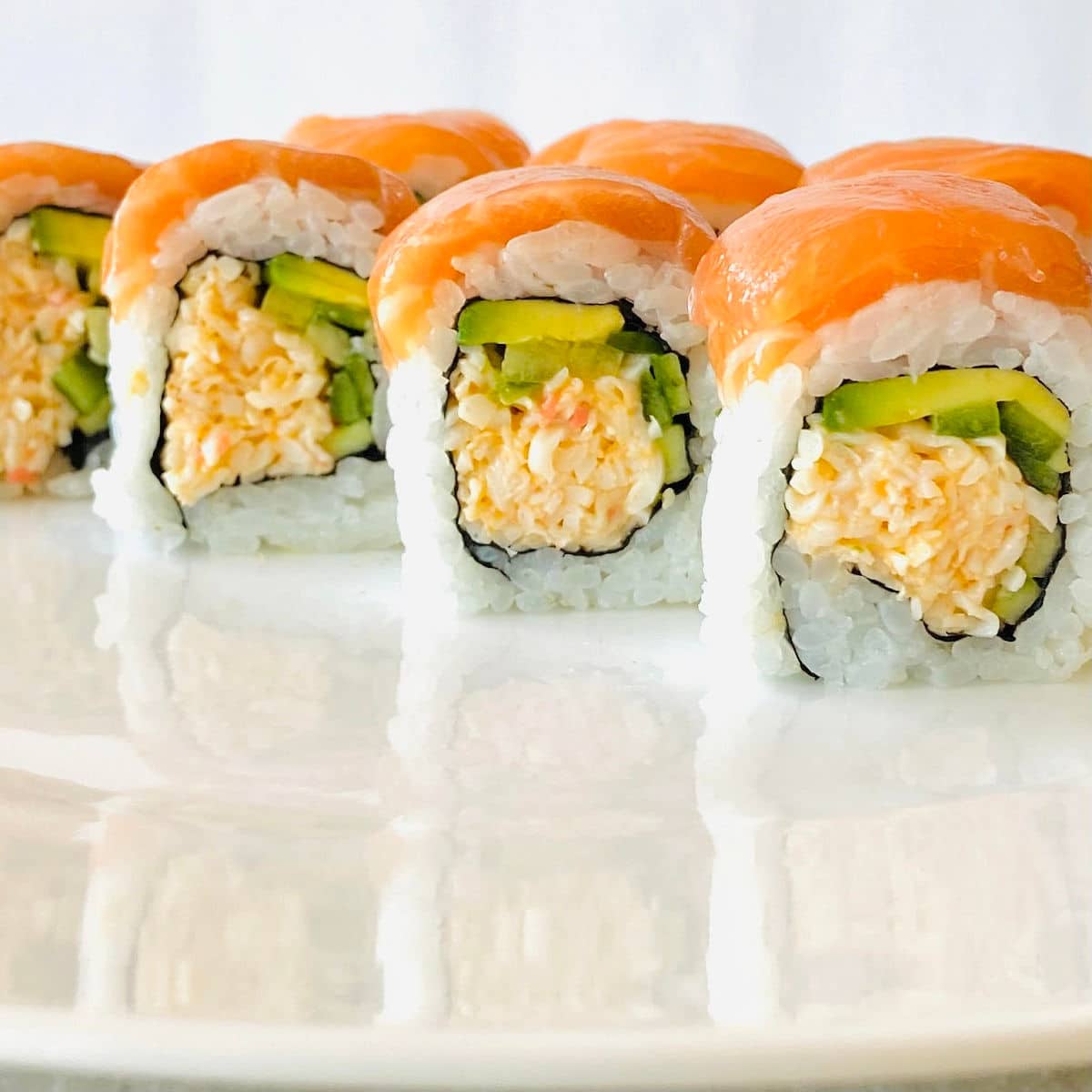
One of the most frequent and beloved variations features smoked salmon. Lightly smoked Alaska salmon imparts a deeper, more complex flavor profile with hints of wood smoke. This variation can be particularly appealing to those who enjoy a more pronounced smoky essence in their seafood. The smoking process also alters the texture slightly, making it firmer and less prone to breaking apart. This version often highlights the heritage of preserving seafood in Alaska through traditional smoking methods.
Spicy Alaska Roll
For those who prefer a bit of heat, the Spicy Alaska Roll is a popular choice. This variation typically involves tossing the salmon in a spicy mayonnaise-based sauce, often incorporating sriracha or other chili pastes. This adds a fiery kick that contrasts wonderfully with the cool, creamy avocado and the refreshing cucumber. The spice level can often be customized, allowing diners to adjust the heat to their preference.
Inside-Out Rolls (Uramaki)
Many Alaska Rolls are prepared in the uramaki style, also known as an inside-out roll. In this preparation, the rice is on the outside, encasing the nori and the fillings. The rice is often coated with sesame seeds, adding a nutty flavor and a pleasant crunch. This presentation is visually striking and offers a different textural experience, with the soft rice exterior giving way to the savory fillings within.
Additional Fillings
Beyond the core ingredients, chefs may introduce other complementary elements. These can include:
- Cream Cheese: A popular addition, particularly in Western-style sushi, cream cheese adds an extra layer of richness and creaminess, similar to a Philadelphia Roll.
- Scallions: Finely chopped scallions can add a mild oniony bite and freshness.
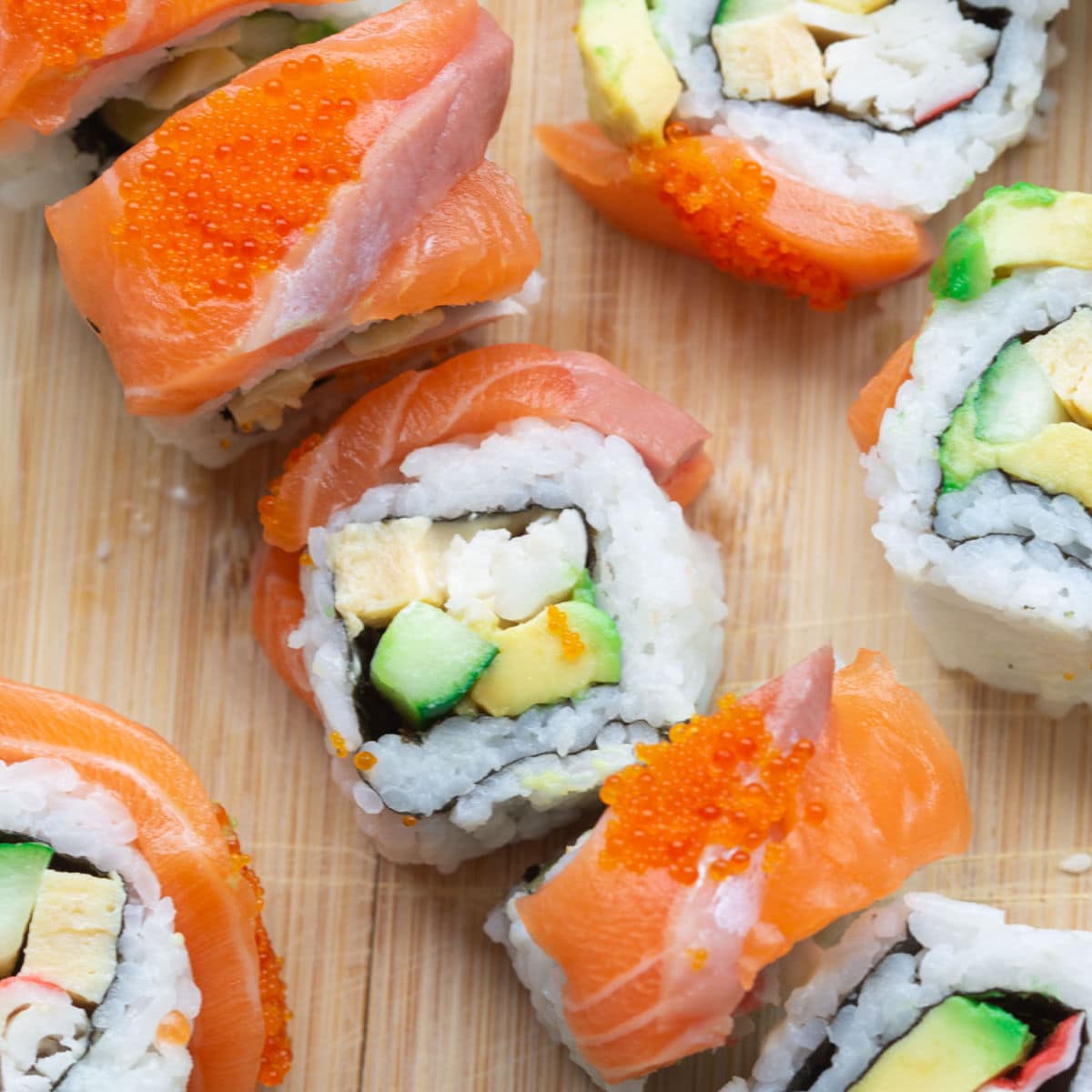
- Masago or Tobiko: Fish roe, such as masago or tobiko, may be sprinkled on the outside of an uramaki roll or mixed into the spicy mayo for added texture and a burst of briny flavor.
- Tempura Flakes: For an added crunch, tempura flakes can be incorporated into the spicy mayo or sprinkled on top.
These variations demonstrate the adaptability of the Alaska Roll, showcasing how a simple concept can be endlessly reimagined while still paying homage to its Alaska roots.
The Alaska Roll Experience
Enjoying an Alaska Roll is more than just a meal; it’s an experience that connects diners to the culinary heritage and natural bounty of Alaska. The roll’s popularity is a testament to its balanced flavors, appealing textures, and the high-quality ingredients it typically features.
A Taste of the Pacific Northwest
The Alaska Roll serves as a culinary ambassador, bringing the flavors of the Pacific Northwest and Alaska to tables around the world. The use of fresh salmon, a cornerstone of the region’s economy and culture, is a direct link to the pristine waters and sustainable fishing practices that define Alaska. Each bite offers a subtle hint of the ocean, a refreshing departure from landlocked culinary experiences.
Accessibility and Appeal
One of the key reasons for the Alaska Roll‘s widespread appeal is its inherent accessibility. The combination of salmon, avocado, and cucumber is generally palatable to a broad audience, including those who might be hesitant about trying more adventurous sushi options. The creamy avocado and the well-seasoned rice create a comforting base, while the salmon provides a satisfying umami flavor. This makes the Alaska Roll an excellent entry point for individuals exploring the world of sushi.
Pairing and Presentation
The Alaska Roll pairs wonderfully with traditional sushi accompaniments such as soy sauce, pickled ginger (gari), and wasabi. The pickled ginger serves as a palate cleanser between bites, while wasabi offers a pungent kick that can accentuate the flavors of the fish. Many restaurants present the Alaska Roll with artistic flair, often garnished with a sprinkle of sesame seeds, a dollop of spicy mayo, or a delicate sprig of parsley.
Beyond the Roll
While the Alaska Roll is a specific creation, its popularity reflects a broader appreciation for the diverse and delicious seafood that Alaska has to offer. When you enjoy an Alaska Roll, you’re not just savoring a delicious dish; you’re partaking in a culinary tradition that celebrates the unparalleled natural resources of this magnificent state. Whether you find yourself in a bustling city sushi bar or a cozy restaurant in Juneau, the Alaska Roll offers a consistent and delightful taste of the Last Frontier. It’s a reminder that culinary exploration can be as adventurous and rewarding as exploring the wild landscapes that inspired it.
LifeOutOfTheBox is a participant in the Amazon Services LLC Associates Program, an affiliate advertising program designed to provide a means for sites to earn advertising fees by advertising and linking to Amazon.com. Amazon, the Amazon logo, AmazonSupply, and the AmazonSupply logo are trademarks of Amazon.com, Inc. or its affiliates. As an Amazon Associate we earn affiliate commissions from qualifying purchases.