
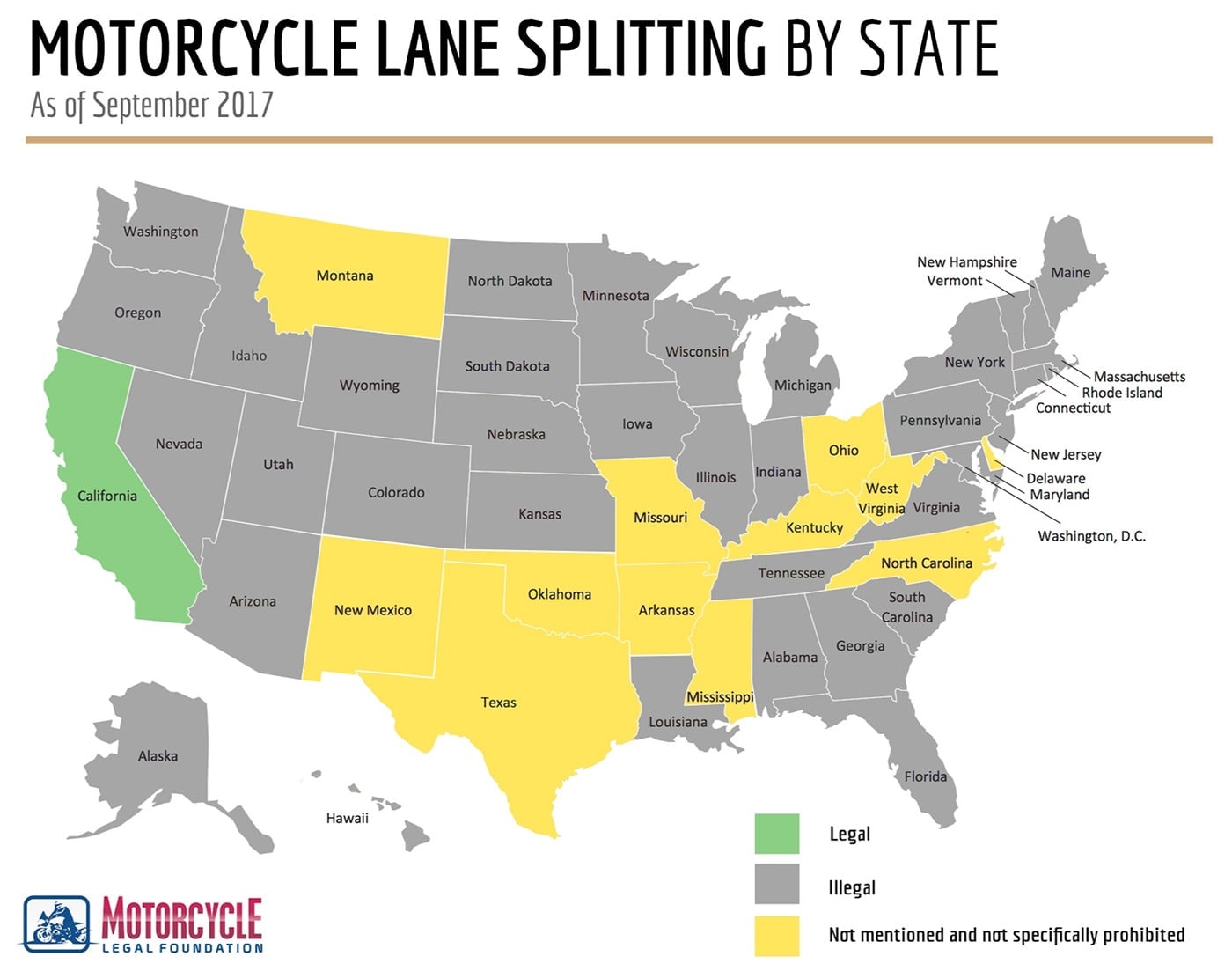
For motorcycle enthusiasts planning an unforgettable journey through the sun-drenched landscapes and bustling urban centers of California, a crucial question often arises: is lane splitting legal? The short answer is yes, California stands as a unique state where this practice is officially recognized and permitted. Understanding the nuances of lane splitting is not just about adhering to the law; it’s about embracing a significant aspect of California’s motorcycling culture and ensuring a safe, efficient, and enjoyable travel experience. This guide delves into everything a visitor or new resident needs to know about navigating the Golden State’s roads on two wheels, especially when encountering traffic.

Exploring California on Two Wheels: The Legal Landscape of Lane Splitting
California holds the distinction of being the first and, for a long time, the only U.S. state to explicitly legalize lane splitting. While many other states either prohibit it or have ambiguous laws, California’s approach acknowledges the practical benefits for motorcyclists and overall traffic flow. This legal clarity is a significant draw for riders from around the globe who wish to experience the state’s iconic routes, from the coastal beauty of the Pacific Coast Highway to the winding roads of the Sierra Nevada mountains.
The legal framework for lane splitting in California was solidified in 2016 with Assembly Bill 51. This bill officially defined lane splitting as “driving a motorcycle, which has two wheels in contact with the ground, between stopped or moving vehicles in the same lane.” Crucially, it empowers the California Highway Patrol (CHP) to develop guidelines for safe lane splitting. These guidelines, while not law, offer best practices to minimize risks. For any tourist or motorcyclist traversing California, familiarity with these guidelines is paramount. They emphasize sensible speeds, adequate space, and constant awareness of surrounding traffic. The underlying principle is that while lane splitting is legal, it must always be done with safety as the primary concern.
Historical Context and Evolution
The practice of lane splitting has existed in California for decades, long before formal legislation. Its tacit acceptance stemmed from studies suggesting it could reduce traffic congestion and decrease the likelihood of motorcyclists being rear-ended in heavy traffic. The 2016 law simply codified an existing practice, providing clearer definitions and allowing for official safety guidelines. This historical progression highlights California’s forward-thinking approach to motorcycle safety and urban mobility, distinguishing it from most other jurisdictions. For visitors, understanding this history provides context to the local riding culture and the expectations of other drivers.
Essential Tips for Lane Splitting Safely in California
While legal, lane splitting is not without its risks, especially for those unfamiliar with the practice or California’s unique traffic dynamics. For tourists planning to rent a motorcycle or bring their own, mastering safe lane splitting techniques is crucial for a stress-free adventure. The key is defensive riding and acute situational awareness.
Adhering to CHP Guidelines
The California Highway Patrol advises against lane splitting at excessive speeds relative to the surrounding traffic. Generally, a speed differential of no more than 10-15 mph faster than the flow of traffic is recommended. Moreover, lane splitting is typically safer in congested traffic, not at freeway speeds where vehicles might unpredictably change lanes. Avoid splitting lanes when traffic is moving faster than 30 mph, as the risk of collisions increases significantly. Riders should also avoid splitting lanes next to large trucks, buses, or other wide vehicles, as they offer limited visibility and maneuvering space. Always ensure there is ample room to react and brake.
Rider Visibility and Awareness
Being seen is paramount. Riders should wear bright, reflective gear, especially when lane splitting. Operating headlights during the day is also a simple yet effective measure. Before initiating a lane split, check mirrors and blind spots meticulously. Head checks are indispensable. Assume other drivers do not see you. Many drivers in California are accustomed to lane splitting, but distracted driving remains a significant hazard. A quick tap of the horn can alert drivers, but do not rely solely on sound. Maintain a focused gaze far ahead, scanning for potential lane changes or hazards.
Maintaining Control and Respectful Engagement
Smooth, controlled movements are essential. Avoid sudden swerving or aggressive acceleration. Remember that lane splitting is a privilege, not a right to assert dominance. If you encounter a driver who is intentionally blocking your path, it’s safer to de-escalate and find another opportunity to split lanes or wait. Aggressive behavior only increases risks and contributes to a negative perception of motorcyclists. A polite nod or wave to a driver who provides space can also foster positive interactions on the road, contributing to a better atmosphere for all.
Beyond the Freeways: Where Lane Splitting Makes Sense for Your California Adventure
Lane splitting is most commonly associated with congested freeways and urban traffic. For a tourist, this means navigating city centers like Los Angeles, San Francisco, or San Diego during peak hours. However, understanding where and when to employ this technique can significantly enhance the efficiency and enjoyment of your trip, whether you’re commuting through a metropolis or heading to a popular attraction.
Urban Congestion and Commuter Routes
When traveling through major metropolitan areas, lane splitting can be a significant time-saver. Imagine being stuck in gridlock on the 405 freeway in Los Angeles or navigating the approach to the Golden Gate Bridge in San Francisco. In such scenarios, lane splitting allows motorcyclists to bypass queues, reduce travel times, and avoid the fatigue associated with stop-and-go traffic. This is particularly valuable for tourists on a schedule, maximizing time spent at destinations rather than in traffic. However, exercise extreme caution in downtown areas with narrow lanes, pedestrians, and frequent turns, where lane splitting might be less advisable.

Avoiding Engine Overheating
Beyond mere convenience, lane splitting offers a practical benefit for air-cooled motorcycles. Idling in heavy traffic, especially on a hot California day, can lead to engine overheating. By keeping the motorcycle moving and airflow consistent, lane splitting helps maintain optimal engine temperatures, preventing potential mechanical issues that could derail a carefully planned trip. This is an often-overlooked advantage, particularly for those riding classic or custom bikes.
Considerations for Scenic Routes
While lane splitting is primarily a tool for traffic, its principles of awareness and control are universally applicable. On scenic routes, such as those through Yosemite National Park or along the Pacific Coast Highway, you’re less likely to need to split lanes. However, should you encounter unexpected bottlenecks due to accidents, construction, or sudden influxes of visitors, the knowledge of safe lane splitting could still prove useful, enabling you to navigate minor disruptions more efficiently. Always prioritize the beauty of the ride and safety over speed on these picturesque roads.
Understanding Local California Road Culture: The Unwritten Rules of Lane Splitting
Beyond the letter of the law and official guidelines, an unwritten code of conduct governs lane splitting in California. This local road culture is something a visitor quickly learns to appreciate and adapt to, as it influences interactions with other drivers and the overall flow of traffic.
Driver Expectations and Cooperation
Most California drivers are accustomed to seeing motorcycles lane splitting. Many are even cooperative, consciously moving to the left or right of their lane to create more space for an approaching motorcyclist. This courtesy, often referred to as “parting the Red Sea,” is a testament to the ingrained nature of lane splitting in the state’s driving habits. As a rider, acknowledging these gestures with a wave or nod fosters goodwill and contributes to safer roads for everyone.
Avoiding Surprises
Despite general awareness, it’s crucial never to assume that all drivers are paying attention or will react predictably. New drivers, visitors from other states, or those simply distracted by their phones might not see a lane-splitting motorcycle until it’s too late. Therefore, a defensive mindset is paramount. Avoid splitting between lanes where a car might suddenly decide to merge, such as near freeway on-ramps or exits. The key is to be predictable in your own movements while expecting the unpredictable from others.
The Nuance of Lane Choice
When splitting, motorcyclists often choose the gap between the two leftmost lanes. This is often because the far-left lane (the fast lane) tends to have more predictable traffic flow and fewer exits, reducing the chance of unexpected lane changes from the right. However, this is not a hard-and-fast rule, and riders must assess the safest path based on current traffic conditions, driver behavior, and their own comfort level. Flexibility and adaptability are hallmarks of skilled California lane splitters.
Maximizing Your California Motorcycle Experience: Gear, Routes, and Readiness
For any motorcycle tourist, a trip to California is an unparalleled adventure. Incorporating the unique aspect of lane splitting into your travel plans requires preparation, the right gear, and a well-thought-out itinerary to make the most of your time.
Essential Gear for the California Rider
Beyond standard riding gear (helmet, jacket, gloves, pants, boots), consider items that enhance visibility, especially if you plan to lane split. High-visibility vests or jackets, reflective tape on your helmet, and ensuring your motorcycle’s lights are in perfect working order are simple yet effective measures. A communication system in your helmet can also be beneficial for GPS navigation or communicating with riding partners, reducing distractions. Given California’s diverse climate, from cool coastal mornings to hot desert afternoons, layering clothing is essential.
Planning Your Routes with Lane Splitting in Mind
When planning your motorcycle tour, consider the times of day you’ll be traveling through urban centers. If you anticipate heavy traffic, mentally prepare for lane splitting and factor in the need for extra vigilance. However, also seek out the myriad of incredible non-freeway roads California offers – from the twisties of Malibu Canyon to the majestic beauty of Highway 1 along the coast. While lane splitting is an urban tool, these routes define the true spirit of motorcycle touring in the state. Always check local road conditions and potential closures, especially during winter months in mountainous regions.
Motorcycle Rentals and Preparation
If you’re renting a motorcycle in California, ensure you are familiar with its controls and handling before hitting congested areas. Most rental agencies cater to experienced riders, but a quick practice ride in a less busy area can build confidence. Discuss lane splitting with your rental provider; they might offer specific advice or local tips. Ultimately, safe and responsible riding, whether splitting lanes or cruising open roads, is the hallmark of an exceptional California motorcycle adventure. Embracing the unique aspects of California’s road culture, including legal lane splitting, enhances the overall tourism experience, allowing riders to navigate efficiently and enjoy more of what this incredible state has to offer.
LifeOutOfTheBox is a participant in the Amazon Services LLC Associates Program, an affiliate advertising program designed to provide a means for sites to earn advertising fees by advertising and linking to Amazon.com. Amazon, the Amazon logo, AmazonSupply, and the AmazonSupply logo are trademarks of Amazon.com, Inc. or its affiliates. As an Amazon Associate we earn affiliate commissions from qualifying purchases.