
Los Angeles, often simply referred to as L.A., is more than just a city; it’s a sprawling tapestry of cultures, dreams, and unparalleled experiences. As one of the most iconic urban centers in the United States and indeed the world, its population is a crucial element that shapes its character, defines its challenges, and fuels its vibrant appeal for both residents and millions of travelers each year. Understanding the demographics of Los Angeles offers profound insights into its dynamic economy, diverse cultural landscape, and the very fabric of life in this global metropolis.
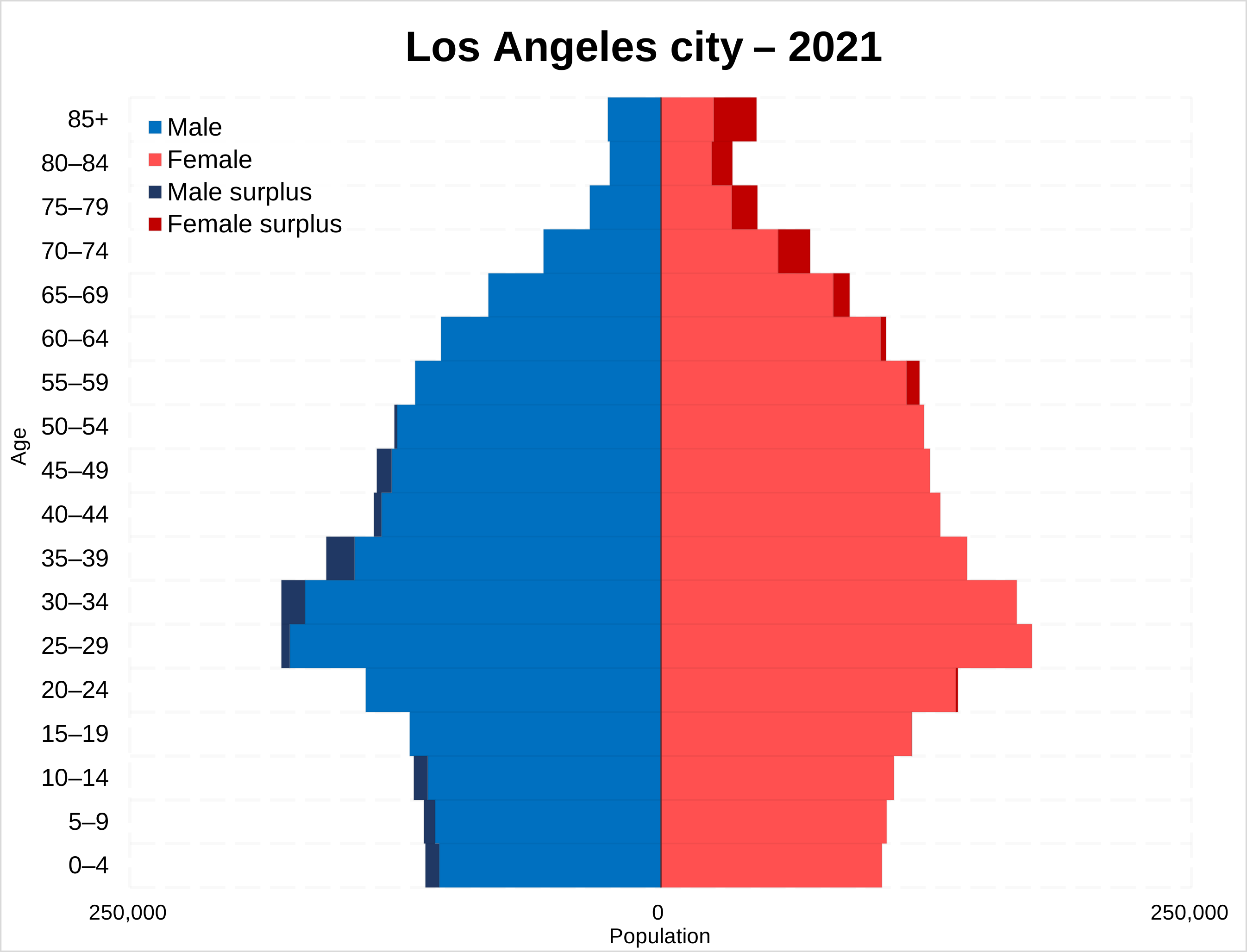
At its heart, the question “What is Los Angeles population?” is complex, encompassing not just the city proper but also the larger Los Angeles County and the expansive Los Angeles-Long Beach-Anaheim metropolitan area. Each layer tells a different story of growth, diversity, and impact, especially when viewed through the lens of travel, tourism, and lifestyle. For those planning a visit, seeking accommodation, or simply curious about the engine that drives this city, a deep dive into its population figures and characteristics is essential.
The Dynamic Demographics of Los Angeles
The story of Los Angeles’ population is one of continuous growth, remarkable diversity, and constant evolution. It’s a magnet for individuals seeking opportunity, sunshine, and a slice of the California dream, making it a critical hub for global travel and diverse lifestyles.
A Snapshot of the Numbers
When discussing the population of Los Angeles, it’s important to distinguish between the city itself, the broader Los Angeles County, and the even larger Combined Statistical Area (CSA).
The City of Los Angeles is the most populous city in California and the second-most populous city in the United States. Its population consistently hovers around 3.9 million residents. This figure alone solidifies its status as a major urban center, comparable to some national populations.
Expanding beyond the city limits, Los Angeles County is truly immense, home to over 10 million people. This makes it the most populous county in the United States, boasting a population larger than most U.S. states. This vast area encompasses 88 incorporated cities, from the coastal beauty of Santa Monica to the urban intensity of Downtown LA, and everything in between.
Further still, the Los Angeles-Long Beach-Anaheim Metropolitan Statistical Area (often simply referred to as the Greater Los Angeles Area) expands this reach to include parts of Orange County and Riverside County, bringing the total population to approximately 13 million people. If we consider the even larger Los Angeles-Long Beach-Anaheim Combined Statistical Area, which integrates the nearby Riverside-San Bernardino-Ontario and Oxnard-Thousand Oaks-Ventura metropolitan areas, the population approaches an staggering 18 million. These numbers illustrate the sheer scale of the region, making it a powerful economic engine and a melting pot of cultures.
A Melting Pot of Cultures
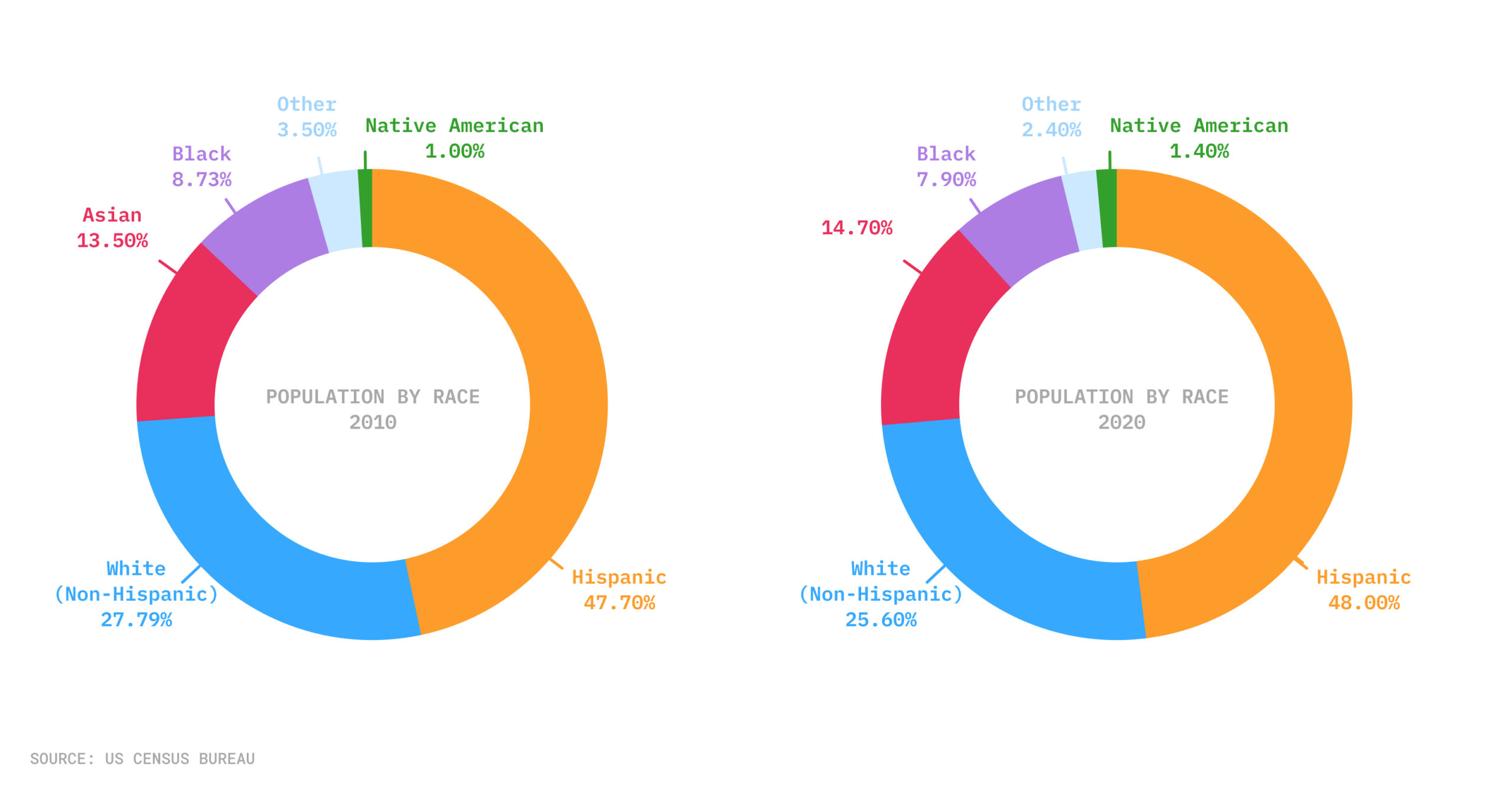
What truly distinguishes Los Angeles’ population is its unparalleled diversity. It is often cited as one of the most ethnically diverse cities in the world, a truly global city where more than 224 languages are spoken, and over 140 nationalities are represented. This rich tapestry of cultures is not merely a statistic; it’s a living, breathing aspect of the city that profoundly impacts its appeal as a travel destination.
The influence of this diversity is evident everywhere, from the incredible array of authentic international cuisines found across countless neighborhoods to the vibrant cultural festivals that fill the annual calendar. Visitors can explore the historic heart of Olvera Street, immerse themselves in the bustling markets of Chinatown, savor the flavors of Koreatown, or experience the dynamic arts scene in Little Tokyo. This cultural mosaic offers an enriching experience for any traveler, making a trip to Los Angeles feel like a journey around the world. The diverse population also fosters a dynamic environment for businesses, startups, and creative industries, attracting talent from every corner of the globe.
Economic Drivers and Influx
The continuous influx of people into Los Angeles is largely driven by its robust and diverse economy. Renowned globally as the entertainment capital, with Hollywood at its core, the city attracts aspiring actors, filmmakers, musicians, and artists from around the world. Major studios like Universal Studios Hollywood and Warner Bros. Studio Tour Hollywood are not just tourist attractions but also significant employers.
Beyond entertainment, Los Angeles is a hub for technology, aerospace, fashion, international trade, and healthcare. Its strategic location on the Pacific Rim makes the Port of Los Angeles and the Port of Long Beach vital gateways for global commerce. These industries create a high demand for skilled professionals, drawing both internal migration from other U.S. states and significant international immigration. This constant flow of new residents contributes to the city’s youthful energy and entrepreneurial spirit, fueling a vibrant lifestyle and a competitive market for accommodation and services.
Population Density and Urban Sprawl: Navigating the City of Angels
The sheer size and population of Los Angeles present unique geographical and logistical considerations. Its vast urban sprawl, combined with significant population density in certain areas, shapes everything from daily commutes to the visitor experience.
Understanding Los Angeles’ Unique Geography
Los Angeles’ layout is heavily influenced by its geography. Nestled between mountain ranges (like the Santa Monica Mountains and the San Gabriel Mountains) and the Pacific Ocean, the city has expanded across valleys and plains, creating a sprawling metropolis. This physical constraint has led to pockets of high-density urban development, particularly in areas like Downtown LA, while other regions maintain a more suburban feel, even within city limits. The varied topography also contributes to the distinct character of its numerous neighborhoods, each offering a different ambiance and set of attractions.
The Commute and Transportation Challenges
One of the most widely discussed aspects of life in Los Angeles, significantly impacted by its population, is traffic congestion. The city is famous (or infamous) for its sprawling freeway system, and navigating these thoroughfares during peak hours can be a challenge. For travelers, understanding this reality is crucial for planning itineraries.
Fortunately, Los Angeles has an increasingly robust public transportation system, the Metro Rail and bus network. While not as extensive as in some older global cities, it connects key areas like Downtown LA, Hollywood, and parts of the San Fernando Valley. Ride-sharing services are also prevalent and offer convenient options. For those planning an extended stay or wanting to explore beyond central tourist zones, renting a car might be essential, but always factor in travel times and parking availability, especially near popular landmarks such as the Hollywood Walk of Fame or the Santa Monica Pier.

Diverse Neighborhoods, Diverse Experiences
The population distribution across Los Angeles creates a mosaic of distinct neighborhoods, each with its own personality and appeal. From the glittering luxury of Beverly Hills and Bel Air, known for their opulent hotels and celebrity homes, to the bohemian vibe of Venice Beach with its boardwalk performers and street art, the choices are endless.
Downtown LA has transformed into a vibrant cultural and entertainment hub, boasting world-class museums like The Broad and the Walt Disney Concert Hall, as well as numerous dining and nightlife options. Hollywood remains iconic for its film history and attractions, while Santa Monica offers a quintessential beach city experience with its pier, beaches, and upscale shopping. This diversity means that every visit can be unique, catering to different interests and budgets, whether you’re seeking luxury travel or a more budget-friendly adventure.
Los Angeles Population and its Impact on Tourism and Lifestyle
The sheer number of people living in and visiting Los Angeles has a profound impact on its tourism industry and the general lifestyle experienced by both residents and guests.
Attractions and Overcrowding: When to Visit
Popular attractions in Los Angeles can draw massive crowds, especially during peak tourist seasons (summer, major holidays). Landmarks like Griffith Observatory, Universal Studios Hollywood, and even further south, Disneyland Park in Anaheim, often experience high visitor volumes. Planning your visit during off-peak seasons (late fall to early spring, excluding holidays) or opting for weekday visits can significantly enhance your experience, allowing for shorter lines and more enjoyable exploration. Advanced booking for tours, timed entry tickets, and popular restaurants is always advisable, regardless of the season.
Accommodation Choices Reflecting Demand
The substantial population and high demand from tourists and business travelers translate into a vast and varied accommodation landscape. From ultra-luxury resorts to boutique hotels, serviced apartments, and budget-friendly motels, Los Angeles offers options for every type of traveler and budget.
In Beverly Hills, iconic properties like The Beverly Hills Hotel and Waldorf Astoria Beverly Hills cater to those seeking exclusive, high-end experiences. Downtown LA has seen a resurgence in its hotel scene, with major brands such as The Ritz-Carlton and JW Marriott offering modern amenities and convenient access to cultural venues. Along the coast, hotels in Santa Monica provide stunning ocean views and direct beach access. For longer stays or family trips, vacation rentals and serviced apartments have become increasingly popular, offering more space and a home-away-from-home feel. The sheer volume of residents also means a robust market for long-term stay options, from luxury villas in Malibu to comfortable apartments in West Hollywood.
Culinary Scene and Cultural Vibrancy
The incredibly diverse population directly fuels Los Angeles’ status as a world-class culinary destination. Every ethnicity represented contributes to an astounding array of food experiences, from Michelin-starred fine dining to hole-in-the-wall ethnic eateries, and a thriving food truck culture. Exploring the culinary landscape is a journey in itself, offering authentic tastes from nearly every corner of the globe.
Beyond food, the city’s cultural vibrancy is undeniable. Its diverse communities host countless festivals, art shows, concerts, and performances year-round. Venues like the Hollywood Bowl, the Greek Theatre, and the Crypto.com Arena regularly feature top international artists and sporting events. The energy generated by millions of people living, working, and creating together is palpable and infectious, offering endless opportunities for unique experiences.
Lifestyle Diversity: From Luxury to Bohemian
Los Angeles’ population diversity also translates into an unparalleled range of lifestyles. The city caters to luxury travelers seeking exclusive shopping on Rodeo Drive, high-end spa treatments, and private tours. Simultaneously, it embraces budget travelers who prefer exploring free attractions like Runyon Canyon Park for hiking, enjoying street art, or discovering affordable, delicious eats.
Family trips find ample entertainment at theme parks like Universal Studios Hollywood or the Aquarium of the Pacific in Long Beach. Business stays are facilitated by state-of-the-art conference facilities and numerous business-oriented hotels. This adaptability is a direct consequence of a massive, varied population that demands a broad spectrum of services and experiences, making Los Angeles a destination that truly has something for everyone.
Planning Your Los Angeles Experience: Insights for Visitors
Understanding the population dynamics of Los Angeles is key to planning an enjoyable and efficient visit. By considering the size, density, and diversity of its populace, travelers can optimize their itineraries, manage expectations, and truly immerse themselves in what the city has to offer.
Strategic Itinerary Planning
Given the city’s vastness and population density, strategic planning is paramount. Group attractions by geographical area to minimize travel time. For instance, combine a visit to The Getty Center with exploration of Santa Monica and Malibu, or a day at Universal Studios Hollywood with a stroll down the Hollywood Walk of Fame and a visit to Griffith Observatory. Booking tours and popular restaurant reservations well in advance is highly recommended, especially during peak times, to avoid long waits due to high demand. Utilizing online resources and local guides can provide invaluable tips for navigating crowds and discovering hidden gems.
Transportation Smarts
As previously mentioned, transportation is a major consideration. While public transport offers options, for ultimate flexibility, a rental car is often preferred, particularly if you plan to explore beyond central tourist districts. However, be prepared for traffic and ensure your accommodation offers parking. Alternatively, a combination of ride-sharing services and the Metro Rail can be an effective way to get around, especially for trips to Downtown LA or Hollywood. Many visitors also opt for hop-on, hop-off bus tours that cover major attractions without the hassle of driving or parking.
Embracing the Local Culture
Perhaps the most rewarding aspect of visiting a city with such a significant and diverse population is the opportunity to embrace its rich local culture. Don’t shy away from exploring neighborhoods beyond the major tourist traps. Venture into different ethnic enclaves to sample authentic cuisine, browse unique shops, and experience the local way of life. Attend a community festival, explore local art galleries, or simply strike up a conversation with a resident. The vibrant tapestry of cultures that defines Los Angeles is its greatest asset, offering an immersive and unforgettable experience for any traveler willing to look beyond the surface.
In conclusion, the population of Los Angeles is far more than just a number; it is the beating heart of a global city. It dictates the scale of its infrastructure, shapes its economy, fuels its cultural dynamism, and profoundly influences the travel and lifestyle experiences available within its sprawling confines. For anyone planning to visit or simply curious about this iconic metropolis, understanding its demographic landscape is the first step toward appreciating the incredible allure and complexity of the City of Angels.
LifeOutOfTheBox is a participant in the Amazon Services LLC Associates Program, an affiliate advertising program designed to provide a means for sites to earn advertising fees by advertising and linking to Amazon.com. Amazon, the Amazon logo, AmazonSupply, and the AmazonSupply logo are trademarks of Amazon.com, Inc. or its affiliates. As an Amazon Associate we earn affiliate commissions from qualifying purchases.