
The vast and often untamed frontier of what we now know as Texas was a crucial battleground for colonial powers centuries ago. Far from being random outposts, the missions and presidios established across this rugged landscape by the Spanish Empire were strategically vital, multifaceted institutions designed to achieve a complex array of geopolitical, religious, and economic objectives. These enduring structures, which today stand as powerful landmarks and captivating tourist attractions, tell a story of ambition, conflict, and cultural fusion that irrevocably shaped the destiny of the region.
Understanding their establishment requires a journey back to the late 17th and 18th centuries, a period when the burgeoning Spanish Empire, extending north from Mexico City through New Spain, found itself increasingly concerned about rival European incursions and the need to solidify its claims over vast territories. Simultaneously, the Catholic Church sought to expand its spiritual influence, viewing the indigenous populations as souls ripe for conversion. Thus, missions and presidios emerged as the twin pillars of Spanish colonization, each serving distinct yet interdependent roles in a grand strategy to pacify, Christianize, and integrate the frontier into the Spanish realm.
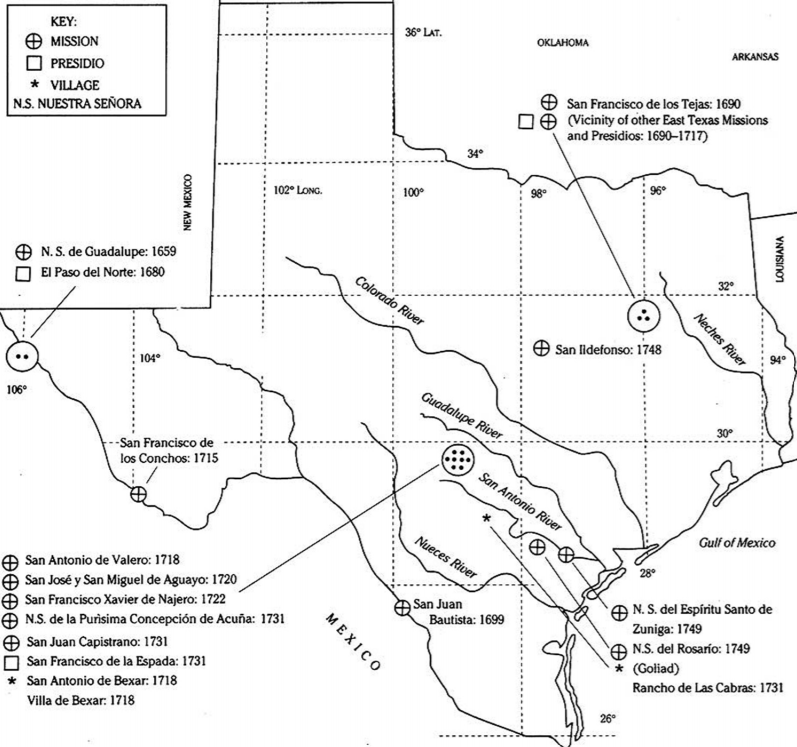
The Strategic Imperatives: Spanish Colonial Ambitions
The primary drivers behind the establishment of missions and presidios in Texas were deeply rooted in the geopolitical landscape of the era. Spain sought to protect its vast territorial claims, convert Native American populations to Catholicism, and establish a permanent economic foothold in the region.
Protecting the Northern Frontier: Geopolitical Chessboard
By the late 17th century, Spain’s dominion over New Spain was immense, but its northern frontier, including present-day Texas, remained sparsely settled and largely unexplored by Europeans. This began to change dramatically with the unexpected landing of French explorer René-Robert Cavelier, Sieur de La Salle, on the Texas coast in 1685. La Salle’s attempt to establish a French colony near Matagorda Bay, though ultimately unsuccessful, sent shockwaves through the Spanish colonial administration. The threat of French expansion from Louisiana into what Spain considered its rightful territory was a powerful catalyst.
Missions and presidios, therefore, became instruments of asserting sovereignty. By building permanent settlements, flying the Spanish flag, and engaging with local indigenous groups, Spain aimed to create a buffer zone against foreign encroachment. These installations served as visible markers of Spanish presence, designed to deter rivals and secure lines of communication and trade within the empire. They were strategically placed along rivers, trade routes, or near important tribal centers, making them vital points in a vast network of defense and administration. For travelers interested in the intricate history of territorial claims, visiting these sites offers a tangible connection to a period of intense international rivalry.
Securing the Soul: Religious Conversion and Cultural Integration
Beyond geopolitical concerns, a fundamental objective of the Spanish Crown was the spiritual conversion of indigenous peoples. For Spain, the spread of Catholicism was not merely a religious duty but also a crucial component of colonization. Missions, run primarily by Franciscan friars, were the primary vehicles for this effort. These institutions aimed to gather Native Americans, teach them the Christian faith, and assimilate them into Spanish colonial society.
The friars believed that by teaching European agricultural techniques, crafts, and the Spanish language, they could transform nomadic hunter-gatherers into settled, tax-paying Spanish subjects. This process of acculturation involved not just religious instruction but also the restructuring of daily life, diet, and social customs. While often well-intentioned from the Spanish perspective, this forced assimilation inevitably led to the erosion of traditional indigenous cultures. Today, the surviving mission architecture and interpretive centers provide profound insights into this complex cultural exchange, highlighting the resilience of indigenous communities and the enduring impact of Spanish influence on the local culture of Texas.
Economic and Agricultural Foundations
Missions and presidios were also designed to be self-sufficient economic units, ultimately contributing to the Spanish colonial economy. The friars, with the labor of converted Native Americans, developed extensive agricultural systems, raising livestock, cultivating crops like corn, beans, and cotton, and establishing workshops for carpentry, weaving, and blacksmithing. This productivity was crucial for sustaining the mission communities, but it also provided food and supplies for the presidios and, eventually, for Spanish civilian settlements.
The development of irrigation systems, farming techniques, and craft production within the mission compounds transformed parts of the Texas landscape. These economic activities were essential for the long-term viability of Spanish presence in the remote frontier. Furthermore, the presidios, while primarily military, also facilitated trade and provided security for overland routes, encouraging the growth of ranching and other industries. For those interested in the economic history of colonial frontiers, exploring these sites reveals the ingenuity and resourcefulness required to build sustainable communities in challenging environments. Many of the techniques and products introduced still have a subtle influence on Texan local food and activities today.
The Dual Pillars: Understanding Missions and Presidios
While often mentioned together, missions and presidios had distinct functions, yet their proximity and interdependence were key to the success of Spanish colonization efforts. They were two sides of the same coin, each indispensable for the other’s survival and effectiveness.
Missions: Centers of Faith, Education, and Community
The mission was primarily a religious institution, designed to evangelize and civilize Native American populations. Physically, a typical mission was a fortified compound, often consisting of a church, living quarters for the friars and indigenous converts, workshops, storerooms, and agricultural fields, all usually enclosed by a defensive wall. Life within the mission was highly structured, governed by the rhythm of daily prayers, work, and instruction.
Native Americans who chose or were compelled to enter the missions, known as “neophytes,” received religious instruction, learned Spanish, and were taught European trades and agricultural methods. In exchange, they received protection from hostile tribes, a stable food supply, and often refuge from disease or hardship. Notable examples include the missions that now form the San Antonio Missions National Historical Park – Mission San Antonio de Valero (the Alamo), Mission Concepción, Mission San José, Mission San Juan Capistrano, and Mission Espada – which stand as testament to this ambitious program. Each of these sites offers a unique travel experience, allowing visitors to walk through centuries-old churches, explore historic grounds, and imagine the daily lives of their inhabitants. The architecture, from ornate façades to sturdy stone walls, reflects both Spanish influence and indigenous craftsmanship.
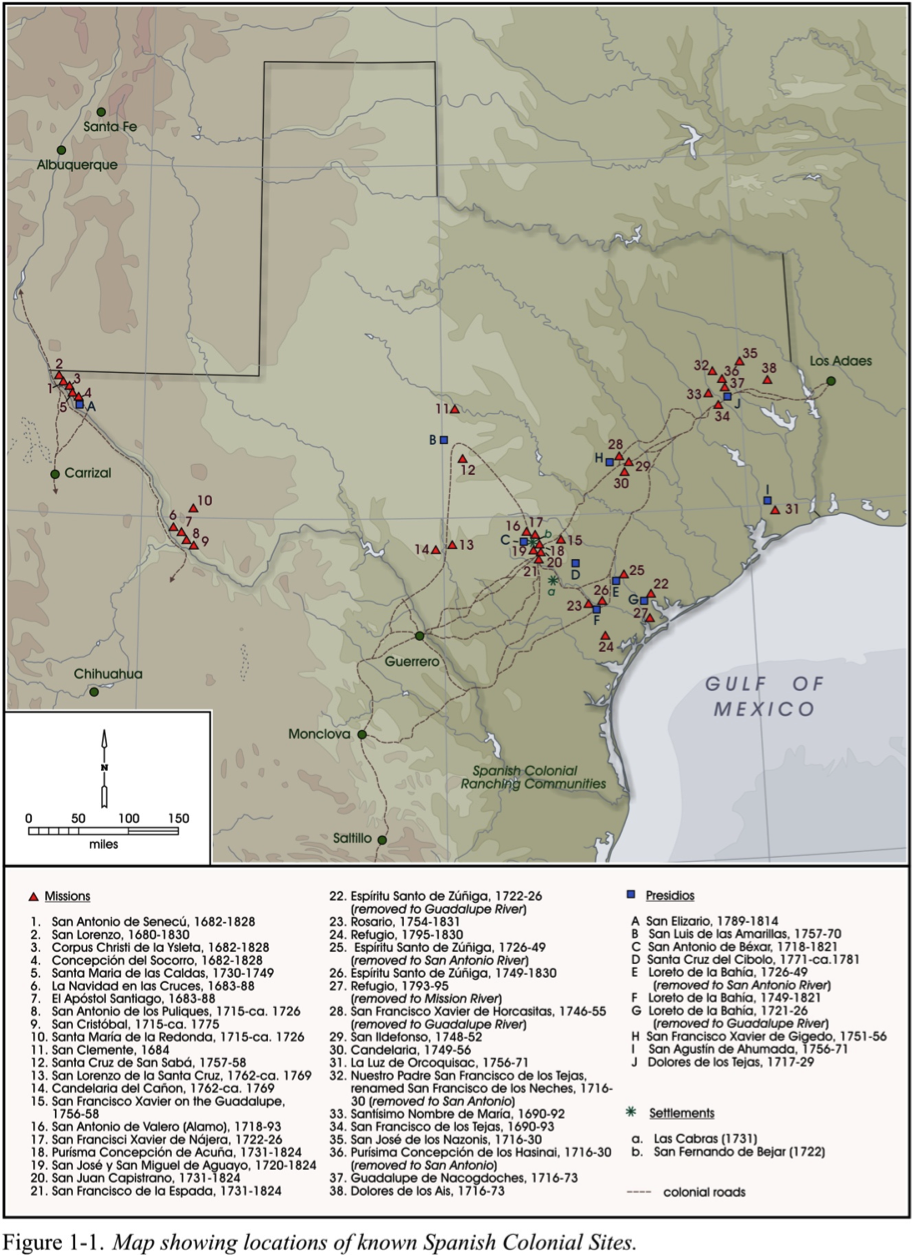
Presidios: Military Fortifications and Administrative Hubs
Presidios were military garrisons, essentially forts, established to protect the missions, civilian settlements, and Spanish territorial claims. Manned by soldiers from New Spain (often local recruits), they were critical for maintaining order, deterring raids from unpacified Native American tribes (such as the Apache and Comanche), and guarding vital supply routes. Beyond their defensive role, presidios also served as administrative centers, housing governors, magistrates, and other colonial officials. They were points of contact for trade, justice, and communication on the frontier.
A typical presidio included barracks, a commandant’s house, a chapel, storage facilities, and sometimes a small civilian village that grew up around it, often enclosed by a palisade or stone wall. The soldiers’ duties extended beyond defense; they also escorted missionaries, protected supply trains, and conducted reconnaissance patrols. The Presidio San Antonio de Bexar, established in 1718 alongside Mission San Antonio de Valero, was a prime example, growing into the foundational civilian settlement of San Antonio. Another significant example is Presidio La Bahía near modern-day Goliad, a remarkably well-preserved example of an 18th-century Spanish fort that still stands today, offering an incredible historical experience for visitors. These sites provide a window into military life on the frontier and the harsh realities faced by those tasked with defending the empire.
A Symbiotic Relationship: Growth and Defense
The success of Spanish colonization in Texas depended on the close working relationship between missions and presidios. Missions relied on presidios for protection against hostile tribes, while presidios relied on missions for spiritual support, a potential source of food and supplies, and a means to “civilize” the indigenous population, thereby reducing the need for constant military intervention. This symbiotic relationship fostered the growth of civilian settlements, laying the groundwork for future Texan cities.
The missionaries often sought the establishment of a presidio nearby for security, and the soldiers often benefited from the agricultural output and religious services provided by the missions. This integrated system of religious and military outposts formed the backbone of Spanish efforts to control and develop the frontier. Exploring these adjacent sites, such as the missions and the former site of the presidio in downtown San Antonio, highlights this close interdependence. For those planning a travel itinerary, considering tours that encompass both a mission and a presidio can provide a comprehensive understanding of this unique colonial strategy.
Iconic Landmarks and Lasting Legacies
The missions and presidios, once critical outposts on a distant frontier, have evolved into some of Texas’s most cherished historical landmarks. They serve as tangible links to a complex past, offering profound insights into the origins of Texan identity and culture.
Notable Missions and Presidios: A Glimpse into the Past
While many missions and presidios were established, a few stand out for their historical significance and their remarkably preserved status as tourist attractions:
- The Alamo (Mission San Antonio de Valero): Originally a mission, it is arguably the most famous site in Texas, renowned for its role in the Texas Revolution. While its primary historical association is with the 1836 battle, its origins as a Spanish mission (founded in 1718) are foundational to understanding its place in Texan history. Visiting the Alamo offers a poignant experience, connecting visitors to centuries of dramatic events.
- San Antonio Missions National Historical Park: This UNESCO World Heritage Site includes Mission Concepción, Mission San José, Mission San Juan Capistrano, and Mission Espada. Each mission is an architectural marvel, showcasing distinctive Spanish colonial design and intricate carvings. They offer a comprehensive look at mission life, from the grist mills and aqueducts of Mission Espada to the impressive rose window of Mission San José. Visitors can explore these sites via walking, biking, or driving, making for an enriching travel experience that highlights local history and culture.
- Presidio La Bahía and Mission La Bahía (Goliad): Located near modern-day Goliad, this site is unique as one of the best-preserved Spanish presidios in the United States. Its accompanying mission (now Mission Nuestra Señora del Espíritu Santo de Zuñiga) offers a perfect example of the mission-presidio complex, demonstrating their close relationship. The presidio’s stone walls, chapel, and barracks evoke a vivid sense of frontier life and provide a compelling destination for history enthusiasts.
- Presidio San Luis de las Amarillas (San Sabá): Though largely in ruins today, this presidio, established in 1757, tells a dramatic story of Spanish attempts to establish a foothold in Comanche territory and the perils of frontier expansion. While less visually complete than other sites, its historical narrative is incredibly rich.
The Enduring Cultural Tapestry of Texas
The Spanish missions and presidios left an indelible mark on the cultural landscape of Texas. From the names of cities like San Antonio, El Paso, and Nacogdoches to the architectural styles, legal systems, and ranching traditions, Spanish influence is woven into the very fabric of the state. The blending of indigenous, Spanish, and later Anglo-American cultures created the unique Tex-Mex heritage that is celebrated today through local cuisine, music, and art.
These historical foundations provide a rich context for understanding current Texan identity. The stories of endurance, conflict, and adaptation that unfolded within the mission walls and presidio barracks are central to the state’s narrative. For those embarking on a journey through Texas, understanding this legacy enriches every travel experience, from savoring authentic Tex-Mex food to admiring the intricate details of a centuries-old church.
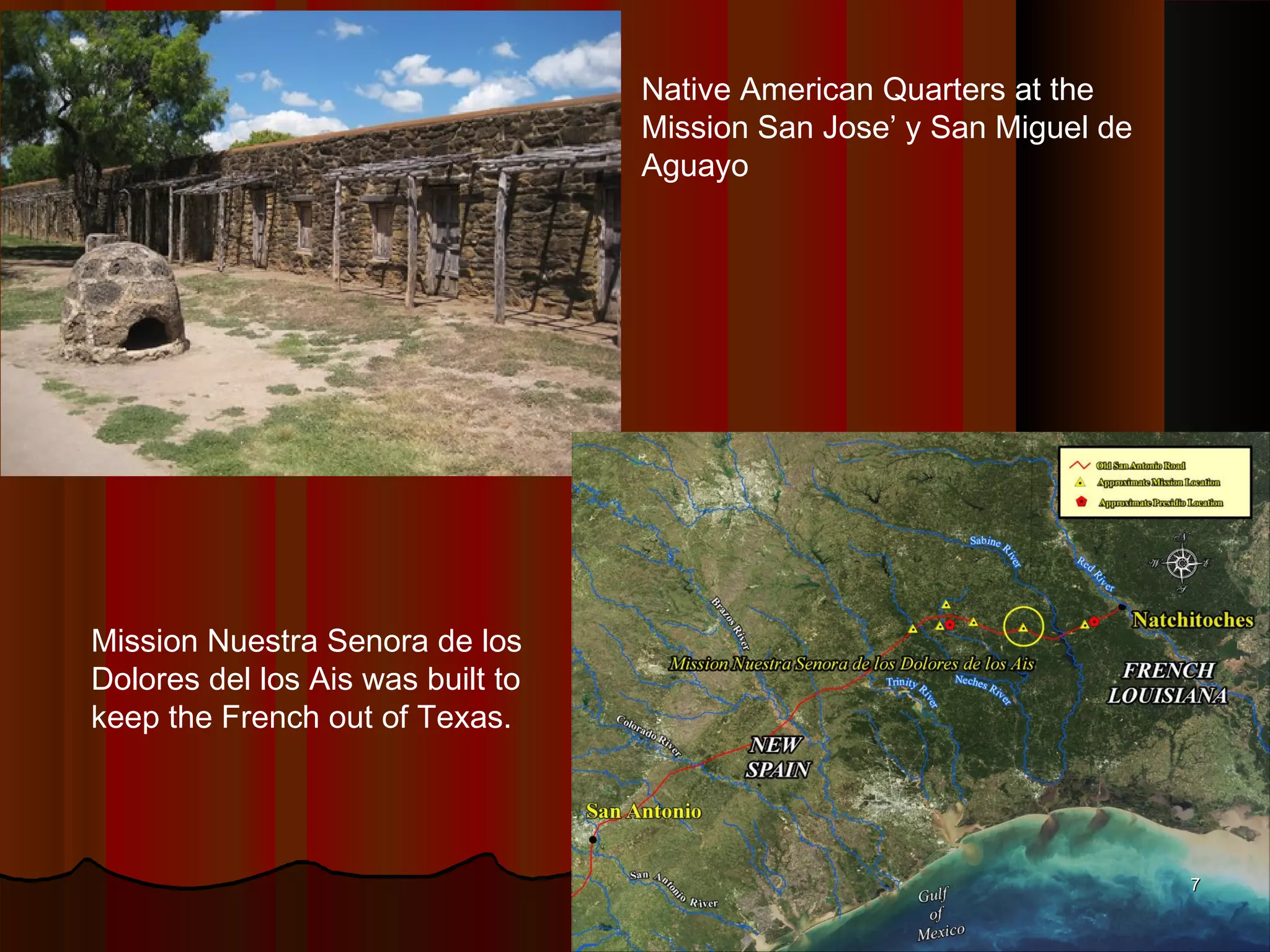
Experiencing History: Visiting Missions and Presidios Today
Today, these historical sites are not just relics of the past; they are vibrant attractions offering educational and inspiring experiences for travelers of all ages. Many of them are part of state or national parks, offering well-maintained facilities, interpretive centers, and guided tours. Visitors can:
- Explore Architecture and Art: Admire the distinctive Spanish colonial style, the detailed frescoes, and the craftsmanship that has withstood centuries.
- Learn About Daily Life: Exhibits and reconstructions often depict the daily routines of missionaries, soldiers, and indigenous converts.
- Connect with Nature: Many sites are set within beautiful natural surroundings, offering opportunities for hiking, photography, and quiet reflection.
- Understand Cultural Heritage: These sites are crucial for understanding the complex history of indigenous peoples, Spanish colonizers, and the subsequent development of Texas.
For anyone planning a trip to Texas, including these missions and presidios in your itinerary is highly recommended. Whether you’re seeking a family-friendly educational outing, a deep dive into American history, or simply an appreciation for stunning historical architecture, these sites offer a rich tapestry of experiences. Consider staying in a nearby hotel or resort in cities like San Antonio or Goliad to fully immerse yourself in the historical tourism and local culture these destinations provide. Guides are readily available, and many sites offer comprehensive information to enhance your visit, making it a perfect blend of history, culture, and travel.
The missions and presidios were far more than mere buildings; they were ambitious expressions of Spanish imperial power, religious fervor, and a complex effort to transform a vast wilderness into a settled frontier. Their establishment was a calculated move in a grand geopolitical game, aimed at securing territory, converting souls, and fostering economic self-sufficiency. Today, these remarkable landmarks stand as enduring testaments to the intertwined destinies of various peoples and cultures, inviting us to explore their stories and appreciate their profound impact on the identity of modern Texas. They offer not just a glimpse into the past, but an opportunity for rich cultural tourism and an unforgettable travel experience.
LifeOutOfTheBox is a participant in the Amazon Services LLC Associates Program, an affiliate advertising program designed to provide a means for sites to earn advertising fees by advertising and linking to Amazon.com. Amazon, the Amazon logo, AmazonSupply, and the AmazonSupply logo are trademarks of Amazon.com, Inc. or its affiliates. As an Amazon Associate we earn affiliate commissions from qualifying purchases.