
The demographic landscape of Louisiana is a rich tapestry woven from centuries of diverse cultural influences, economic shifts, and natural events. Understanding the population of this unique Southern state offers profound insights into its vibrant heritage, its present-day realities, and its future trajectories. From the historic shores of the Gulf of Mexico to the bustling heart of New Orleans, Louisiana boasts a population that is as resilient and dynamic as the bayous that define its geography.
Historical Demographic Trends
The story of Louisiana’s population is intrinsically linked to its colonial past and its strategic importance. Initially inhabited by indigenous peoples, the state’s demographic makeup began to transform with the arrival of the French and later the Spanish. This period saw the establishment of settlements and the introduction of enslaved Africans, whose descendants form a crucial part of the state’s cultural and demographic identity.
Colonial Era and Early Growth
During the French colonial period, the population was small, comprised primarily of settlers, traders, and enslaved people. The strategic location at the mouth of the Mississippi River attracted various groups, including German immigrants in the 18th century who settled along the riverbanks, contributing to the agricultural development of areas like Acadiana. The cession to Spain and subsequent re-acquisition by the French before becoming a United States territory influenced migration patterns and cultural assimilation.
19th Century and Beyond
The 19th century witnessed significant population growth, driven by westward expansion and the burgeoning agricultural economy, particularly cotton and sugar cane. This era also saw the continued migration of African Americans, both enslaved and later freed, profoundly shaping the state’s demographics. The Civil War and Reconstruction brought further social and demographic changes. Throughout the 20th century, Louisiana’s population continued to evolve, influenced by industrialization, urbanization, and the Great Migration of African Americans to northern cities.
Contemporary Population Statistics
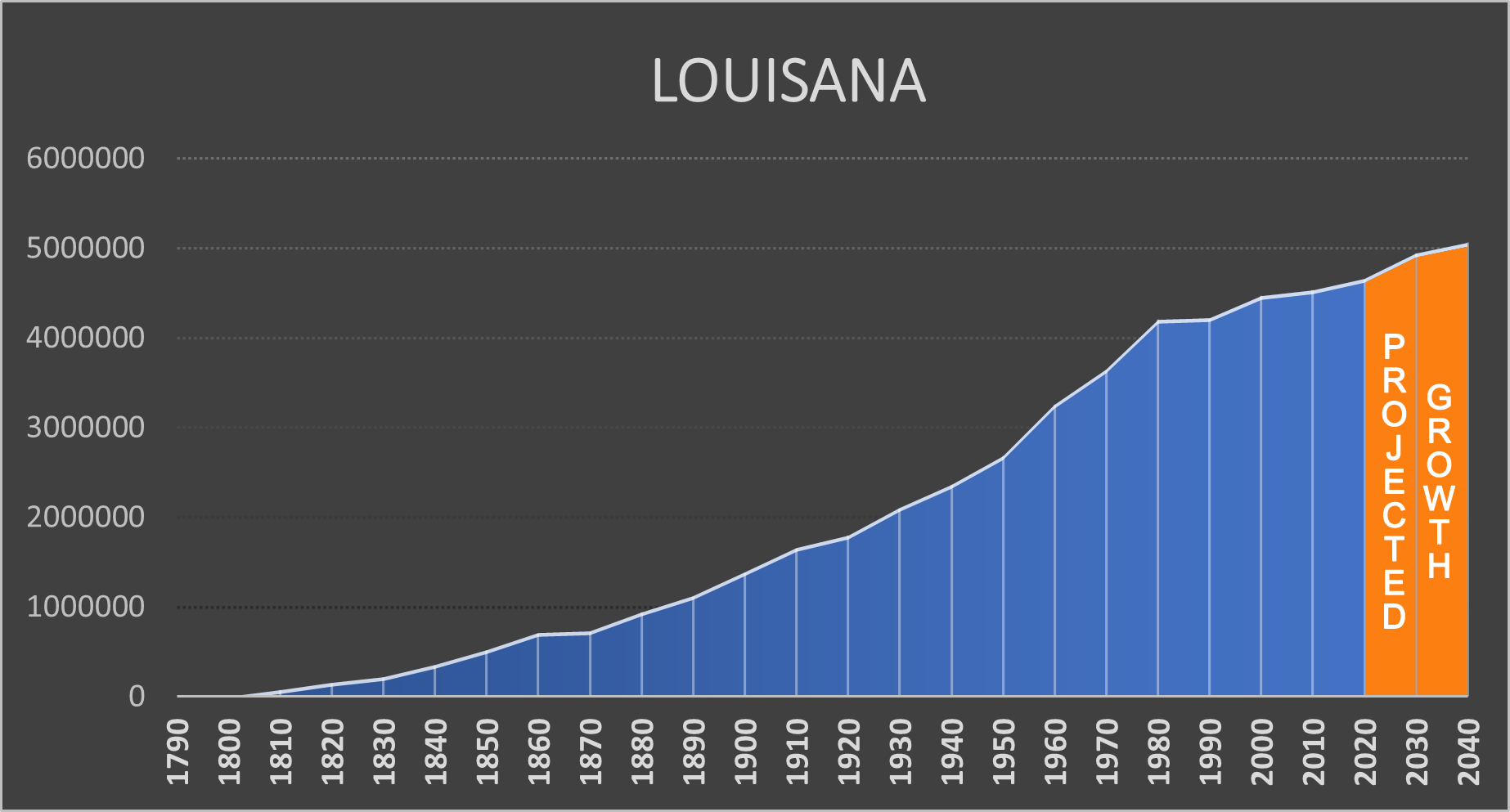
As of recent estimates, the population of Louisiana hovers around 4.6 million people. This figure represents a complex interplay of birth rates, death rates, and migration. The state’s population has experienced periods of both growth and decline, often influenced by economic conditions and major events.
Key Demographic Indicators
The median age in Louisiana is generally in line with the national average, but specific age distributions can vary significantly between urban and rural areas. The racial and ethnic composition is notably diverse. African Americans constitute a significant portion of the population, reflecting the state’s historical legacy. The Hispanic or Latino population has also seen growth in recent decades, contributing to the state’s multicultural fabric. White residents remain the largest single group, with a significant proportion identifying as of French or Acadian descent, particularly in the southern part of the state. The Asian population, while smaller, is also a growing demographic, with concentrations in certain parishes.
Population Distribution and Urbanization
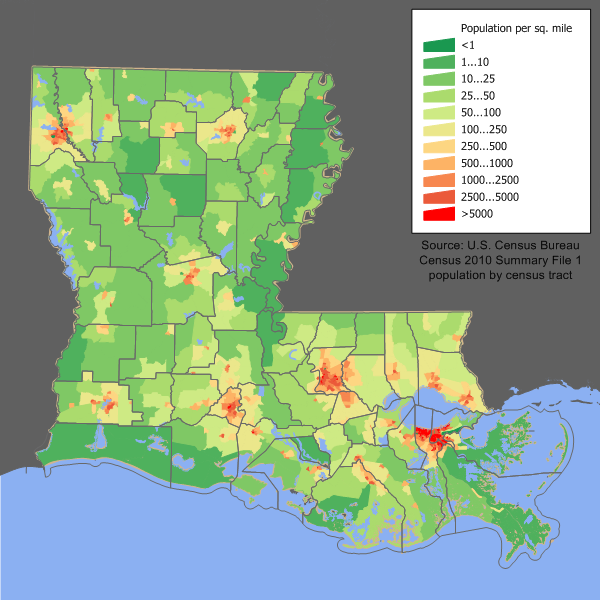
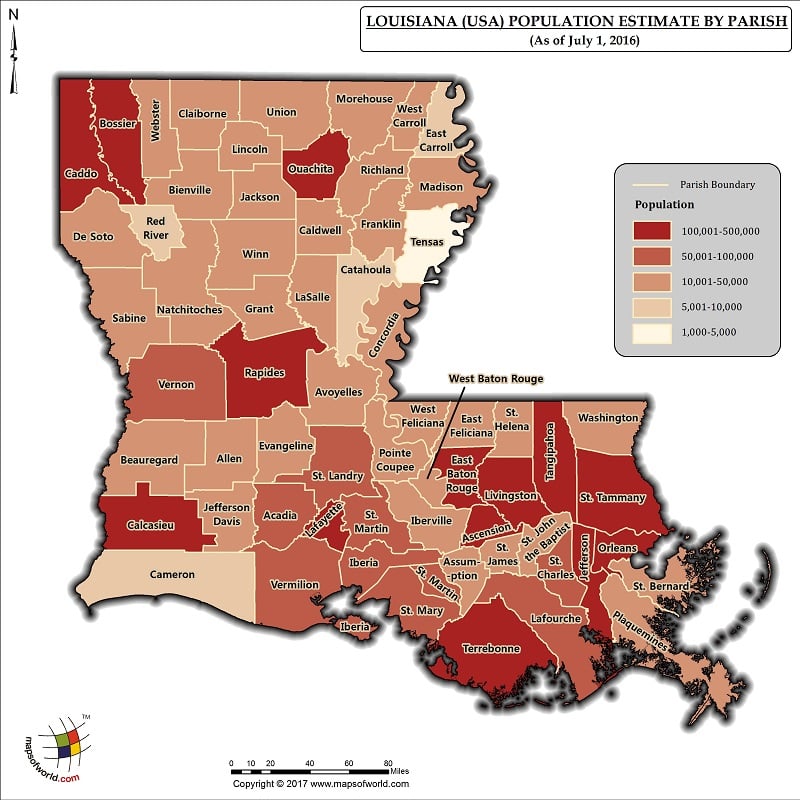
Louisiana’s population is not evenly distributed. Major urban centers like New Orleans, Baton Rouge, and Shreveport are hubs of economic activity and cultural diversity, drawing a significant portion of the state’s residents. These metropolitan areas are characterized by higher population densities and a more varied demographic profile compared to the more sparsely populated rural areas, particularly in the northern and western parts of the state. The coastal regions, while economically vital for industries like fishing and oil, have faced demographic challenges due to environmental factors and the impacts of hurricanes.
Cultural Mosaic and Population Identity
The population of Louisiana is renowned for its unique cultural identity, a vibrant blend shaped by its diverse ancestral roots. This cultural richness is a direct reflection of the different groups that have settled and contributed to the state’s heritage.
Ethnic and Racial Diversity
The state’s population is a mosaic of ethnicities and races, each contributing distinct traditions, languages, and cuisines. The legacy of African slavery is deeply imprinted on the state’s culture, particularly in the music, food, and religious practices found in communities across Louisiana. The enduring influence of French, Spanish, and Acadian settlers is evident in the distinctive dialects, architecture, and culinary traditions, most famously in Creole and Cajun cultures. The growing Hispanic and Asian populations are adding new dimensions to this cultural landscape, fostering a dynamic and evolving state identity.
Language and Heritage
While English is the predominant language, Louisiana’s linguistic heritage is remarkably rich. French, in its various dialects such as Louisiana French and Cajun French, is still spoken by significant communities, particularly in southern parishes. Creole, a distinct language born from the mixing of French, Spanish, African, and indigenous languages, is also a vital part of the state’s heritage. Efforts to preserve and promote these linguistic traditions are ongoing, reflecting a deep respect for the multicultural roots of Louisiana’s people.
Economic Factors Influencing Population Dynamics
The economic health of Louisiana plays a pivotal role in shaping its population trends. Employment opportunities, industry growth, and economic stability are key drivers of in-migration and out-migration.
Industry and Employment
Historically, Louisiana’s economy has been heavily reliant on industries such as agriculture, oil and gas, and shipping. These sectors have historically attracted workers and influenced population concentrations. In recent decades, the state has sought to diversify its economy, with growth in sectors like healthcare, manufacturing, and technology. The presence of major ports, such as the Port of South Louisiana, continues to be a significant economic engine, drawing a workforce from various backgrounds. Conversely, economic downturns or the decline of certain industries can lead to job losses and subsequent population decreases as residents seek opportunities elsewhere.
Cost of Living and Migration
The cost of living in Louisiana, particularly in major urban centers, can influence migration patterns. While some areas may offer more affordable housing and a lower cost of living compared to national averages, others, especially desirable urban locales, can see rising costs that might deter potential new residents or encourage existing ones to relocate. The availability of affordable housing and economic opportunity are crucial factors for sustaining and growing the state’s population.
Future Population Outlook
Predicting future population trends for Louisiana involves considering a confluence of factors, including economic development, environmental challenges, and social trends.
Challenges and Opportunities
Louisiana faces unique challenges, including coastal erosion, the increasing frequency and intensity of hurricanes, and the ongoing need for economic diversification. These environmental and economic pressures can impact where people choose to live and work within the state. However, the state also presents significant opportunities, particularly in its rich cultural heritage, which attracts tourism and creative industries. Investments in education, infrastructure, and sustainable development are crucial for fostering population growth and retention.
Demographic Projections
Demographic projections suggest that Louisiana’s population is likely to remain relatively stable, with potential for modest growth if economic conditions are favorable and environmental challenges are effectively managed. The continued diversification of the population is expected, with ongoing contributions from various ethnic and racial groups. The youth population and the overall age structure will continue to be important factors in the future workforce and social services landscape of the state. Understanding these demographic dynamics is essential for policymakers, businesses, and communities aiming to shape a prosperous future for Louisiana.
LifeOutOfTheBox is a participant in the Amazon Services LLC Associates Program, an affiliate advertising program designed to provide a means for sites to earn advertising fees by advertising and linking to Amazon.com. Amazon, the Amazon logo, AmazonSupply, and the AmazonSupply logo are trademarks of Amazon.com, Inc. or its affiliates. As an Amazon Associate we earn affiliate commissions from qualifying purchases.