
California, a state synonymous with innovation, diverse landscapes, and a vibrant lifestyle, also stands at the forefront of progressive labor policies within the United States. For anyone considering a visit, relocating, or engaging with the state’s dynamic economy – whether as a traveler, a prospective employee in the hospitality sector, or an entrepreneur – understanding the intricacies of its minimum wage laws is paramount. The year 2024 brings significant changes to the minimum wage landscape across the Golden State, impacting everything from the cost of a gourmet meal in San Francisco to the affordability of a stay in a luxury resort in Palm Springs. These shifts reflect a broader effort to address the state’s notoriously high cost of living, influencing the economic fabric that underpins its famed tourism and hospitality industries.
For travelers, knowing the local economic conditions can offer insight into service prices, tipping customs, and even the availability of certain amenities, particularly in popular tourist destinations like Los Angeles or San Diego. For those eyeing a temporary work stint or a long-term move, the minimum wage dictates potential earnings and, by extension, the lifestyle one can afford, from budget-friendly adventures to opulent experiences. This comprehensive guide will break down the 2024 minimum wage in California, exploring its various facets and implications for tourism, accommodation, and the overall lifestyle experience in one of the world’s most visited regions.
Understanding California’s Dynamic Minimum Wage Landscape
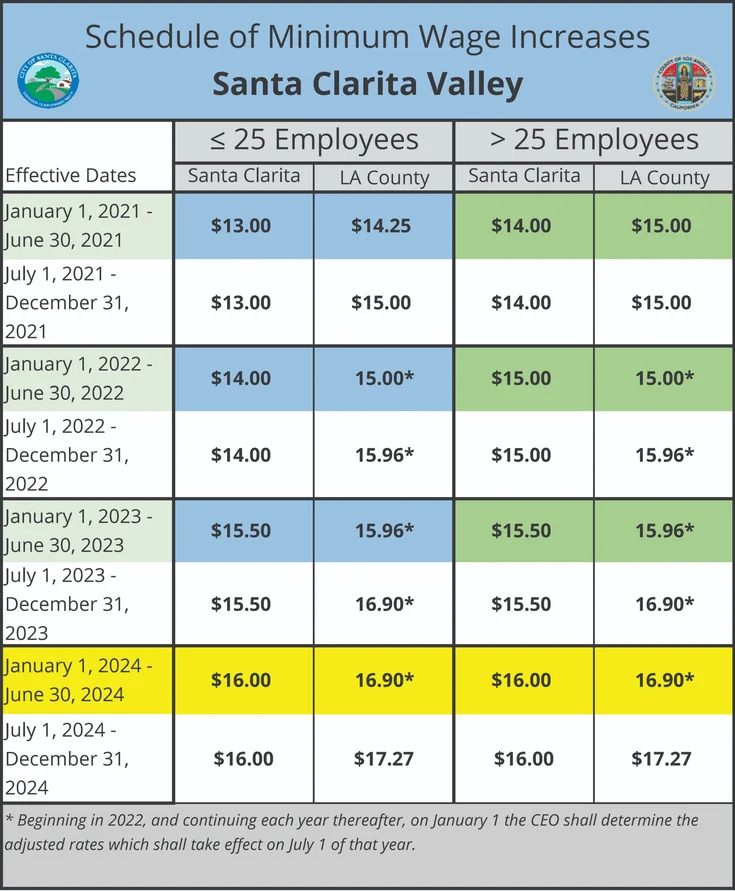
California’s approach to the minimum wage is not a one-size-fits-all model. While there is a statewide minimum, numerous cities and counties have enacted their own higher minimum wage ordinances, creating a complex, tiered system. This layered structure aims to better align wages with the varying costs of living across different regions within the state, from the bustling metropolitan areas to more rural communities. For 2024, this dynamic framework sees significant updates, particularly impacting large sectors of the workforce.
As of January 1, 2024, the statewide minimum wage in California increased to $16.00 per hour for all employers, regardless of their size. This marks a substantial increase from previous years and solidifies California’s position among states with the highest baseline minimum wages. This universal rate provides a floor for wages across the state, ensuring that even in areas without local ordinances, workers benefit from a living wage aimed at combating the rising expenses inherent in Californian life. This figure serves as the foundational benchmark for the vast majority of workers, encompassing roles across many industries, including those supporting the extensive tourism and accommodation sectors. From the front-desk staff at a boutique hotel in Napa Valley to the concierges assisting guests in downtown San Jose, this $16.00 per hour rate sets a critical standard.
The rationale behind these consistent increases is rooted in the state’s commitment to improving economic equity and worker welfare. With housing costs, transportation, and daily necessities continuously climbing, especially in prime tourist destinations and major cities, the adjustment aims to provide workers with greater purchasing power. This, in turn, can have a subtle yet significant impact on local economies, potentially boosting consumer spending in attractions, restaurants, and local businesses that cater to both residents and visitors. Understanding this baseline is the first step for anyone navigating the economic environment of California, whether planning a dream vacation or seeking employment within its vibrant hospitality sector.
Sector-Specific Minimum Wage Adjustments
Beyond the general statewide minimum, California has introduced targeted minimum wage increases for specific industries in 2024, acknowledging the unique challenges and demands faced by workers in these crucial sectors. These adjustments are particularly relevant to the state’s robust tourism economy, as they directly impact major service industries.
Fast Food Worker Minimum Wage
One of the most notable legislative changes for 2024 is the Fast Food Worker Minimum Wage Act (AB 1228). Effective April 1, 2024, this law mandates a minimum wage of $20.00 per hour for employees of large fast-food chains across the state. This applies to limited-service restaurants that are part of a national chain with at least 60 establishments nationwide. This specific increase acknowledges the significant workforce within the fast-food industry and its integral role in both daily life and catering to the millions of tourists who visit California annually.
For travelers, this means a potential, albeit likely small, adjustment in the prices of quick meals from popular chains, reflecting the increased labor costs. However, it also signifies a crucial improvement in the quality of life for a substantial segment of the state’s service workforce. Imagine visiting Disneyland in Anaheim or exploring Universal Studios Hollywood in Los Angeles; the individuals serving your meals at these popular destinations are now subject to this enhanced wage, underscoring California’s commitment to fair compensation even in high-volume, quick-service environments. This specific wage hike differentiates California’s labor landscape significantly and is a key point for anyone considering employment in or simply experiencing the state’s food service industry.
Healthcare Worker Minimum Wage
Another significant, albeit more complex, industry-specific change in 2024 is the Healthcare Minimum Wage (SB 525). This legislation establishes varying minimum wages for healthcare workers, generally starting at $23.00 per hour for larger healthcare facilities and escalating to $25.00 per hour by 2026, with different schedules for smaller, rural, or county-run facilities. While perhaps less directly visible to the average tourist than fast-food wages, this change has a profound impact on a critical sector that supports the well-being of residents and provides essential services in every community, including popular tourist hubs.
Though not directly related to the provision of travel or accommodation services, a healthy and adequately compensated healthcare workforce contributes to the overall stability and desirability of a region. For those considering a longer-term stay, retirement, or even medical tourism in California, the robust support for healthcare workers is an indirect indicator of the state’s commitment to a high quality of life for its residents. The presence of well-compensated professionals across all sectors enhances the overall societal fabric, contributing to safer, cleaner, and more efficiently run communities, which in turn benefit the tourism experience.

The Patchwork of Local Minimum Wage Ordinances
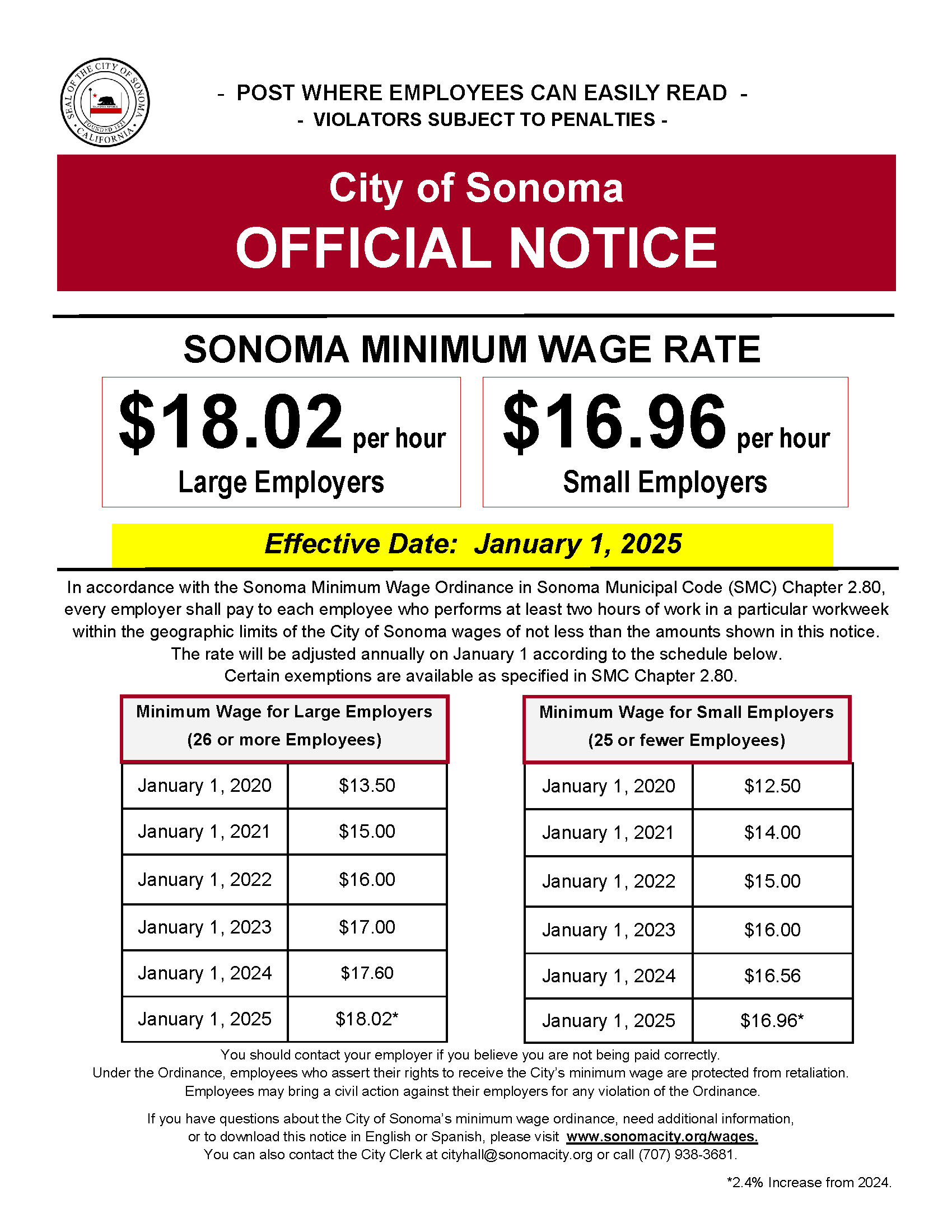
While the statewide minimum wage and sector-specific rates provide a baseline, the true complexity of California’s wage landscape emerges at the municipal level. Many cities and counties throughout the state have taken the initiative to establish their own minimum wages that exceed the state mandate, reflecting local economic conditions and the unique cost of living pressures within their jurisdictions. This creates a fascinating, albeit intricate, patchwork of wage requirements that can significantly vary from one city to the next, sometimes even within the same metropolitan area.
For travelers and those planning long-term stays, understanding these local nuances is crucial. A server at a restaurant in Santa Monica might earn a different minimum wage than a server just a few miles inland in another part of Los Angeles County that doesn’t have a specific city ordinance. These local ordinances are typically adjusted annually, often tied to inflation or a consumer price index, ensuring that wages keep pace with local economic realities.
Prominent examples of cities with robust local minimum wage ordinances include:
- San Francisco: Consistently one of the highest in the nation, San Francisco’s minimum wage typically leads the charge, often exceeding $18.00 per hour. This reflects the city’s exceptionally high cost of living, particularly for housing. For visitors, this means that while luxury accommodations and dining experiences might come with a higher price tag, the service staff are compensated at a rate designed to help them afford to live and work in the city.
- Berkeley: Across the bay, Berkeley also maintains a strong minimum wage, often on par with or slightly below San Francisco’s rate. This commitment to higher wages aligns with its progressive ethos and contributes to its unique cultural and economic environment.
- Oakland: Another Bay Area city, Oakland has also implemented its own higher minimum wage, further illustrating the regional approach to wage setting.
- Los Angeles: The City of Los Angeles has its own minimum wage, which often surpasses the state minimum, though it may not be as high as San Francisco’s. This impacts a vast number of workers in the sprawling entertainment and tourism capital.
- San Diego: As a major tourist destination with a significant military presence, San Diego also maintains a local minimum wage higher than the statewide standard, impacting its vibrant tourism and hospitality sectors.
For those considering employment in California’s hospitality industry, researching the specific minimum wage for a particular city or county is essential. What might be a competitive wage in one area could be insufficient to cover living expenses in another. Similarly, for visitors, understanding that prices in tourist hotspots like Malibu or Lake Tahoe might reflect these higher labor costs can help in budget planning, whether for a luxurious stay at a resort or a more budget-conscious trip. This intricate system underscores California’s dedication to local governance and its responsiveness to distinct community needs, making it a unique economic landscape to navigate.
Cost of Living and Lifestyle Implications in California
The narrative around California’s minimum wage is inextricably linked to its formidable cost of living. Despite the state boasting some of the highest minimum wages in the United States, the everyday expenses for housing, transportation, food, and healthcare often outpace earnings, particularly in major metropolitan and coastal areas. This dynamic has profound implications for both residents and visitors, shaping the lifestyle choices available and the overall economic experience in the Golden State.
For individuals working in the hospitality, tourism, or service industries, even with the increased minimum wages, affording a comfortable lifestyle in prime locations like Santa Monica, San Francisco, or parts of Orange County remains a significant challenge. Housing, in particular, stands out as the most substantial burden, with rental prices and home values far exceeding national averages. This often necessitates longer commutes from more affordable inland communities or the adoption of shared living arrangements, impacting quality of life and personal finance management. Many workers essential to the state’s tourism infrastructure, from hotel staff to restaurant employees, face these realities daily.
From a traveler’s perspective, the high cost of living translates into generally higher prices for accommodations, dining, and many services. Whether you’re booking a suite at a Grand Hyatt Hotel in Sacramento or enjoying a meal at a charming eatery in Sonoma Valley, the operational costs, including labor, are inherently elevated. This is a critical factor for budget travelers who might find their funds stretch further in other destinations. However, for those embarking on a luxury travel experience, California still offers unparalleled options, from exclusive villas in Beverly Hills to private yacht charters along the Pacific Coast. The minimum wage, while designed to support workers, simultaneously contributes to the premium associated with many Californian experiences.
The lifestyle implications extend beyond mere economics; they touch upon the very fabric of California’s culture. The ongoing debate around minimum wage and affordability reflects a societal commitment to ensuring that even in an expensive state, opportunities for a decent living are accessible. It influences the demographic composition of communities, the vibrancy of local businesses, and the sustainability of its thriving industries, including the colossal tourism sector. Visitors often remark on the exceptional service quality in California, which, in part, can be attributed to a workforce that is often better compensated than in many other parts of the country, despite the persistent affordability challenges they face.
Navigating California’s Economic Landscape for Visitors and Prospective Residents
Understanding California’s minimum wage structure is more than just knowing a number; it’s about appreciating the complex economic ecosystem that defines this vibrant state. For both visitors planning their next adventure and individuals considering a move, grasping these financial realities is key to a fulfilling and well-prepared experience.
For travelers, particularly those on a budget, awareness of the higher cost of living and, consequently, higher prices for goods and services in California’s major cities and tourist hotspots is crucial.
- Budgeting for Accommodation: While luxury resorts and upscale hotels like the Ritz-Carlton or Four Seasons Hotels and Resorts are prevalent, budget-friendly options exist, often found slightly outside city centers or in less trendy neighborhoods. Considering apartments or guesthouses for longer stays can also offer better value. Websites dedicated to accommodation reviews and comparisons can be invaluable tools for finding deals.
- Dining Out: The increased minimum wage for fast-food workers and generally higher labor costs mean that even casual dining can be pricier than in other states. Exploring local markets, packing picnics for visits to Yosemite National Park or beaches in San Diego, and utilizing self-catering options in rental accommodations can help manage food expenses.
- Experiences and Attractions: Many of California’s most iconic landmarks, like the Golden Gate Bridge or the Hollywood Sign, are free to view, but organized tours and theme park tickets can be significant expenditures. Researching free activities and leveraging city passes can offer a rich experience without breaking the bank.
For prospective residents or those seeking employment in California, the implications of the minimum wage are even more direct.
- Employment Opportunities: Industries like hospitality, tourism, retail, and healthcare are significant employers. The sector-specific minimum wages, especially for fast food and healthcare, offer competitive starting points. However, a realistic understanding of the cost of living in potential cities of residence is vital.
- Location, Location, Location: The vast differences in local minimum wages and cost of living mean that choosing where to live and work can profoundly impact one’s financial well-being. A $16.00/hour job in a less expensive Central Valley city like Fresno may offer a more sustainable lifestyle than a $20.00/hour job in San Francisco if housing costs are not properly accounted for.
- Long-Term Stay Planning: For individuals considering a long-term stay, understanding the nuances of the labor market and local economic conditions can inform decisions about career paths, housing, and overall lifestyle planning. Resources that provide comparisons of rental costs, transportation expenses, and job market trends for various Californian cities are indispensable.
In essence, California’s minimum wage policies for 2024 are a testament to its commitment to worker welfare amidst a challenging economic landscape. While they contribute to a higher cost of doing business and, subsequently, higher prices for consumers and travelers, they also aim to foster a more equitable society. For anyone engaging with California, whether for leisure or livelihood, a nuanced understanding of these economic underpinnings will enhance their experience and decision-making, allowing them to fully appreciate the unique opportunities and challenges that define the Golden State.
Conclusion
The year 2024 marks a significant chapter in California’s ongoing effort to establish fair and equitable labor standards. With a statewide minimum wage of $16.00 per hour and specific mandates elevating wages for fast-food workers to $20.00 per hour and introducing structured increases for healthcare workers, the state continues to lead the nation in progressive wage policies. This complex tapestry of regulations, further enriched by numerous local city and county ordinances, creates a dynamic economic environment that profoundly impacts residents, businesses, and the millions of tourists who flock to the Golden State annually.
For travelers, these minimum wage adjustments contribute to the overall cost of visiting and experiencing California, influencing everything from hotel rates and dining expenses to the price of attractions in iconic destinations like Anaheim and San Francisco. However, they also underscore the state’s commitment to supporting the workforce that provides the exceptional service and memorable experiences for which California is renowned. Understanding this interplay is essential for effective budget planning, whether for a luxurious escape or a budget-friendly adventure.
For those considering working or establishing a long-term stay in California, the 2024 minimum wage figures offer both opportunities and challenges. While higher wages provide a stronger economic foundation, they must be weighed against the state’s exceptionally high cost of living, particularly in prime urban and coastal areas. Strategic planning regarding location, housing, and career choices becomes paramount to navigating California’s vibrant yet demanding economic landscape successfully.
Ultimately, California’s 2024 minimum wage is more than just a legal requirement; it reflects a core aspect of the state’s lifestyle, tourism, and accommodation sectors. It’s a testament to a society striving for balance—supporting its workforce while continuing to attract global visitors to its celebrated landmarks and diverse experiences. As California continues to evolve, its progressive labor policies will remain a critical element in shaping its future, impacting every facet of life and leisure within its borders.
LifeOutOfTheBox is a participant in the Amazon Services LLC Associates Program, an affiliate advertising program designed to provide a means for sites to earn advertising fees by advertising and linking to Amazon.com. Amazon, the Amazon logo, AmazonSupply, and the AmazonSupply logo are trademarks of Amazon.com, Inc. or its affiliates. As an Amazon Associate we earn affiliate commissions from qualifying purchases.