
As 2025 approaches, prospective visitors and current residents alike often ponder the economic shifts that will shape their experiences in the Golden State. Beyond the allure of sun-drenched beaches, iconic landmarks, and world-class culinary scenes, understanding the financial dynamics, particularly the minimum wage, provides a crucial backdrop for planning any journey or long-term stay in California. For those deeply entrenched in the travel, tourism, and hospitality sectors, or individuals simply looking to enjoy a quintessential California lifestyle, the evolving minimum wage significantly impacts everything from the cost of a hotel room to the price of a memorable dining experience, and even the livelihoods of the dedicated staff who make these experiences possible.
California has long been at the forefront of progressive labor policies, striving to ensure that workers can afford to live in one of the nation’s most expensive states. The minimum wage isn’t merely a number; it’s a foundational element that influences consumer prices, business operations, and the overall economic health of its vibrant cities and rural communities. In an environment where travel and lifestyle choices are often dictated by budget and value, gaining insight into the projected minimum wage for 2025 and its potential ripple effects is indispensable for informed decision-making. This article will delve into what to expect regarding California’s minimum wage in the coming year, how it might influence the hospitality industry, and what it means for budgeting your next unforgettable trip or managing your cost of living within this captivating state.
Understanding California’s Evolving Minimum Wage in 2025
California’s approach to minimum wage is multifaceted, often involving a statewide standard alongside various local and industry-specific adjustments. This creates a complex but dynamic economic environment that distinguishes it from many other states. For 2025, while the precise figures are subject to final legislative and inflationary adjustments, trends indicate a continued upward trajectory.
The Statewide Standard and Local Variations
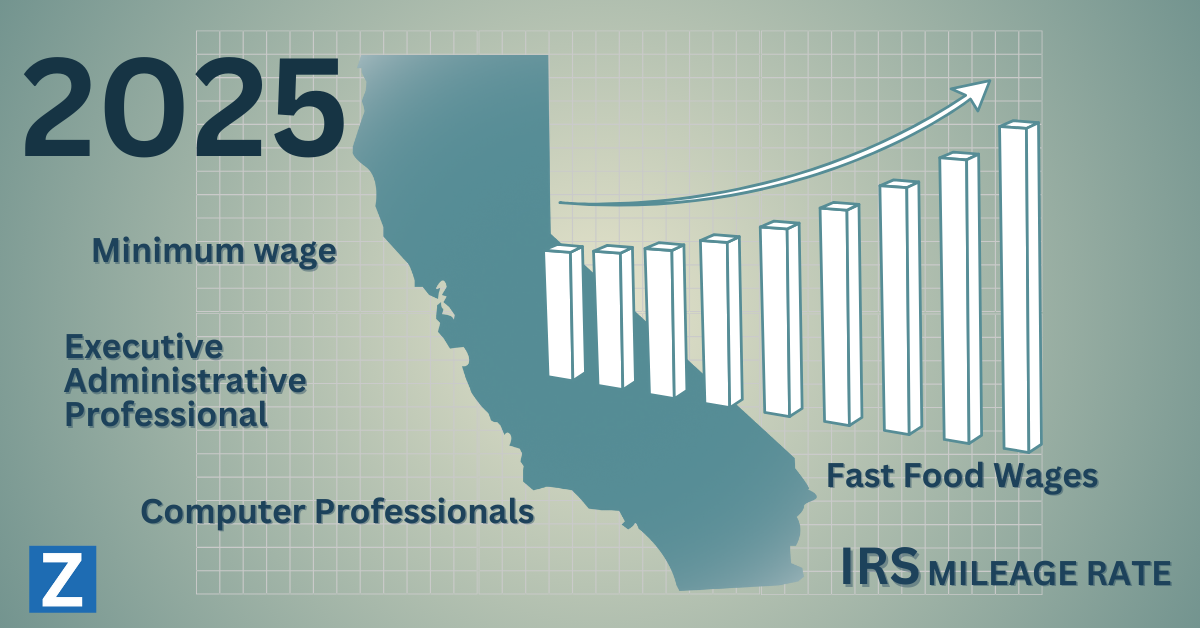
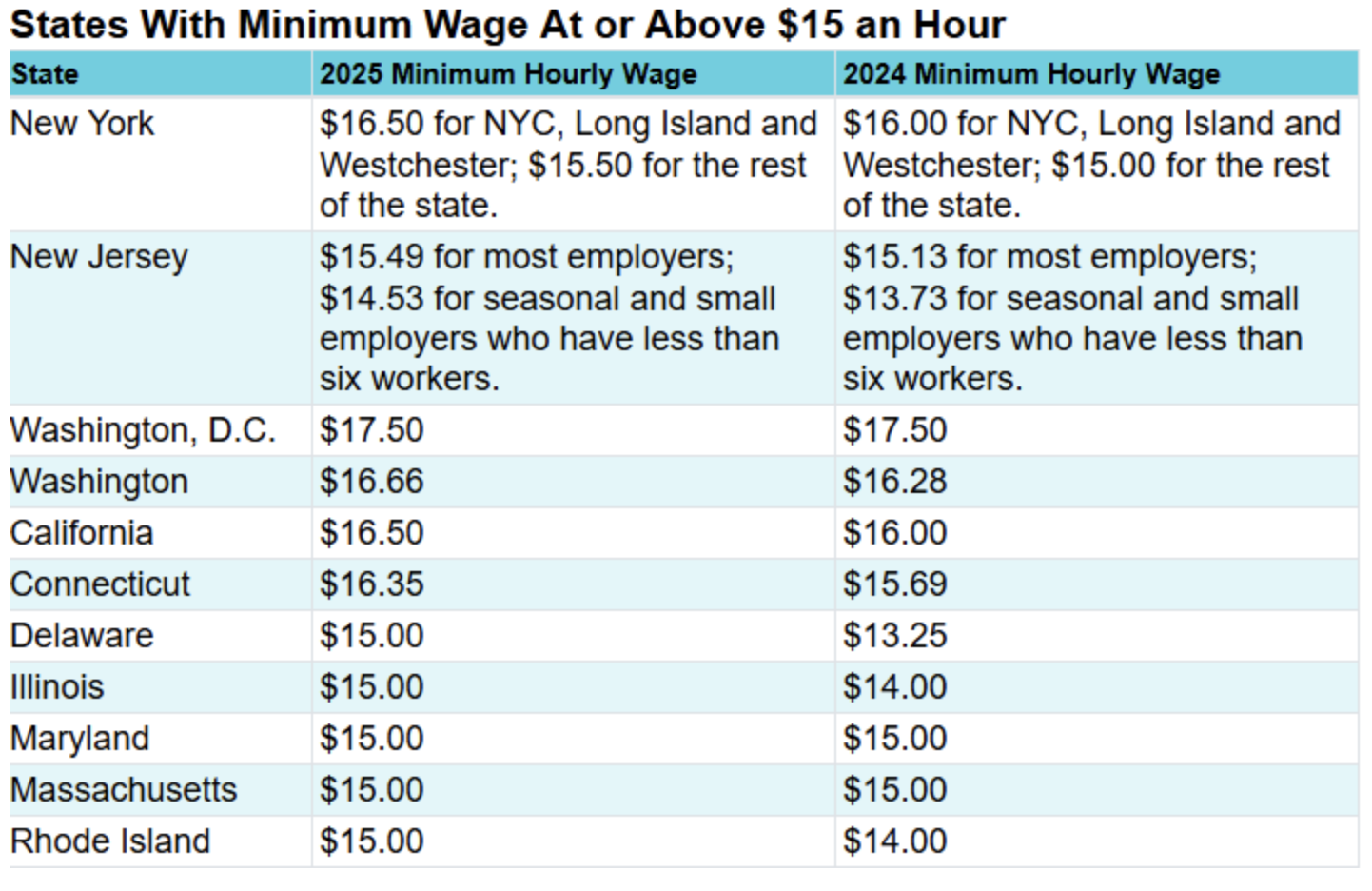
As of early 2024, California’s statewide minimum wage stands at $16.00 per hour for all employers, regardless of size. This rate is typically adjusted annually based on inflation, often tied to the Consumer Price Index (CPI). Based on historical increases and current economic forecasts, it is reasonable to anticipate a slight increase for the statewide minimum wage in 2025, potentially reaching around $16.50 to $17.00 per hour. This projected figure serves as the baseline for most hourly workers across the state, including those in numerous hospitality roles.
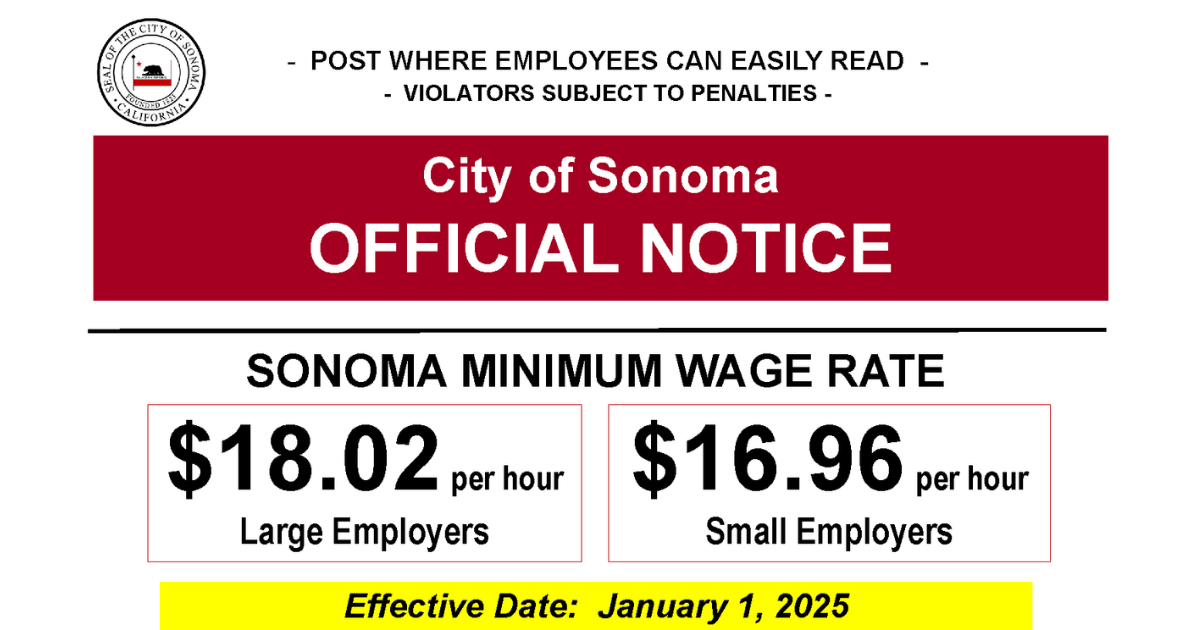
However, the statewide rate is often just the starting point. Many cities and counties in California have enacted their own higher minimum wages, reflecting local costs of living and economic conditions. Popular tourist destinations and major metropolitan areas frequently boast rates significantly above the state minimum. For instance, cities like Los Angeles, San Francisco, San Jose, Oakland, and Santa Monica are well-known for their elevated minimum wage ordinances. In 2025, these local minimum wages are also expected to see their own annual adjustments, potentially pushing rates in these high-cost areas well into the $18.00 to $20.00+ per hour range.
For travelers, this means the cost of services can vary considerably depending on whether you’re staying in downtown San Francisco, exploring the attractions of Southern California like Disneyland Park or Universal Studios Hollywood, or venturing into more rural parts of Napa Valley or near Yosemite National Park. These local variations underscore the importance of understanding the specific economic context of your chosen destination within the Golden State. The California Department of Industrial Relations is the official resource for the most up-to-date and specific figures for both statewide and local minimum wage laws.
Industry-Specific Minimum Wages
Beyond the general statewide and local minimums, California has also pioneered industry-specific minimum wage laws, notably impacting the fast-food and healthcare sectors. These targeted policies reflect a recognition of the unique challenges faced by workers in these high-demand industries and their vital role in daily life.
For fast-food workers, a significant change took effect in 2024, raising their minimum wage to $20.00 per hour for certain chains. This specific rate is also subject to annual adjustment, suggesting that in 2025, this segment of the workforce could see their wages climb further, potentially towards the $20.50 to $21.00 per hour mark. This directly affects the operating costs of countless restaurants, from roadside diners to major chains, impacting the prices consumers pay for quick meals and casual dining experiences throughout their California travels.
Similarly, healthcare workers are also covered by new minimum wage legislation that phases in higher rates over several years. While the full implementation will stretch beyond 2025, many healthcare employees will already be earning significantly more than the general state minimum wage in the coming year, with rates often starting at $21.00 or $23.00 per hour, depending on the type of facility and its size. While less directly tied to tourism activities like booking a stay at a Luxury Resort Collection or visiting the Hollywood Walk of Fame, these higher wages contribute to the overall cost of living and doing business in California, which can indirectly influence pricing in related service industries and the local economy. These industry-specific wages are a testament to California’s commitment to fair labor practices, even as they introduce additional layers of economic consideration for businesses and consumers.
The Ripple Effect: Minimum Wage on California’s Hospitality and Tourism Sector
The minimum wage, particularly in a high-cost-of-living state like California, is not just a payroll line item for businesses; it’s a fundamental economic lever that pulls through the entire hospitality and tourism ecosystem. From the moment a traveler books a flight to the farewell toast at a coastal restaurant, increased labor costs can reshape the entire experience.
Impact on Hotel and Accommodation Pricing
Hotels and other accommodation providers are among the most labor-intensive businesses in the hospitality sector. Housekeepers, front desk agents, concierges, maintenance staff, and administrative teams all contribute to the seamless operation of resorts, Boutique Hotel Network properties, and Coastal Retreats. As the minimum wage rises, so does the cost of employing these essential workers. For hotels in cities like San Diego or Sacramento, where local minimums might exceed the state average, these costs are even more pronounced.
In response to higher labor expenses, hotels often face the difficult decision of adjusting their room rates. Travelers planning their 2025 visits to California should anticipate that accommodation, whether an Urban Stays apartment in Los Angeles or a luxurious suite in Palm Springs, might see incremental price increases. These adjustments are not solely about covering wages but also maintaining profitability and investing in property upkeep and amenities that guests expect. While guests might pay a little more, the benefit can often be reflected in higher quality service from a more stable and experienced workforce, as competitive wages help hotels retain skilled staff, leading to improved guest satisfaction and overall experience. When searching for deals, it’s wise to consider that rates might inherently factor in these operational shifts.
Influence on Dining and Attraction Costs
The culinary scene is an integral part of the California travel experience, from Michelin-starred restaurants to bustling food trucks near the Santa Monica Pier. With the industry-specific minimum wage for fast-food workers already set to $20.00 per hour for certain chains, and other restaurant employees falling under the statewide or local minimums, dining out costs are certainly affected. Restaurants, especially those with tight margins, must pass on some of these increased labor costs to consumers through menu price adjustments. This means that your avocado toast in San Francisco or your seafood dinner in Malibu might come with a slightly higher price tag in 2025.
Similarly, popular tourist attractions, from theme parks like Disneyland Park to historical sites such as Alcatraz Island, employ a vast number of hourly workers for guest services, operations, security, and maintenance. These attractions typically adjust their ticket prices annually to account for various operational costs, including labor. As minimum wages continue to climb, visitors to California’s world-renowned landmarks and entertainment venues should be prepared for potential increases in admission fees, merchandise, and on-site food and beverage prices. Budgeting for these experiences will require a keen eye on projected costs for 2025 to ensure a fulfilling and financially manageable trip.
Attracting and Retaining Talent in a Competitive Market
While higher minimum wages translate to increased operational costs for businesses, they also play a critical role in attracting and retaining talent within the highly competitive California job market. In a state with a high cost of living, a fair wage is essential for workers to meet their basic needs. For hotels, resorts, restaurants, and tour operators, offering competitive wages helps reduce employee turnover, leading to a more experienced, skilled, and motivated workforce.
This stability and professionalism can significantly enhance the visitor experience. A front desk agent who has been with a hotel for years understands the property inside and out, offering invaluable insights and personalized service. A well-paid chef is more likely to innovate and take pride in their craft, elevating the dining experience. Ultimately, the investment in higher wages can translate into improved service quality, greater efficiency, and a more positive overall impression for tourists exploring destinations from Big Sur to Lake Tahoe. For businesses, this means balancing the increased financial outlay with the long-term benefits of a happy and dedicated team.
Lifestyle and Budgeting in the Golden State: What Travelers and Residents Need to Know
For anyone considering a trip or a long-term stay in California in 2025, the evolving minimum wage landscape provides essential context for financial planning. It’s about understanding how to optimize your experience, whether you’re seeking luxury or adventure on a shoestring.
Budgeting for a California Vacation: From Luxury to Economical Stays
Planning a California vacation requires careful budgeting, and the 2025 minimum wage figures will undeniably influence various aspects of your expenses. From luxury travelers indulging in five-star resorts and gourmet dining to budget-conscious adventurers exploring national parks and hostels, everyone will encounter the downstream effects.
- Accommodation: Expect hotel rates, especially in high-wage cities like San Francisco or Los Angeles, to reflect higher labor costs. Savvy travelers might consider booking accommodations further in advance, exploring alternatives like vacation rentals or serviced apartments, or opting for properties slightly outside the most expensive city centers. For example, staying in a neighboring town might offer better value while still providing easy access to major attractions.
- Dining: Casual dining and fast-food options will likely see noticeable price adjustments due to specific industry wage laws. For those on a tight budget, consider utilizing grocery stores for some meals, packing picnics for day trips to places like the Golden Gate Bridge, or seeking out local eateries away from primary tourist hubs, where prices might be more competitive.
- Activities and Attractions: Factor in potential increases for theme park tickets, museum admissions, and guided tours. Look for bundled passes or off-season discounts where available. Many of California’s most breathtaking experiences, such as exploring Yosemite National Park or driving the scenic Big Sur coast, are free or have modest entrance fees, offering fantastic value.
- Transportation: While not directly tied to minimum wage, the overall cost of living and operating a business in California contributes to higher fuel prices, ride-share costs, and public transportation fares. Factor this into your travel budget, especially if planning extensive road trips across Northern California or Southern California.
The Cost of Living for Hospitality Workers and Local Communities
For the individuals who form the backbone of California’s tourism and hospitality industries, the minimum wage is not an abstract economic figure but a direct determinant of their quality of life. Despite California’s higher wages, the state also grapples with one of the highest costs of living in the nation, particularly concerning housing. A higher minimum wage aims to bridge the gap between earnings and expenses, enabling workers to afford rent, groceries, transportation, and other necessities.
This economic reality for hospitality workers profoundly impacts the local communities they inhabit. When workers can afford to live closer to their jobs, it reduces commuting times and traffic congestion, fostering a more sustainable urban environment. It also means they can contribute more to their local economies, supporting small businesses and cultural initiatives. While travelers might experience slightly higher prices, it’s important to recognize that these costs often translate into a more stable and vibrant community for the very people who enhance their travel experiences. Supporting businesses that pay fair wages means indirectly contributing to the well-being of the local population, promoting a more equitable and sustainable tourism model.
Exploring California’s Landmarks and Attractions Responsibly
As you plan your 2025 California adventure, understanding the economic landscape encourages a more responsible approach to tourism. Choosing to patronize businesses that visibly invest in their employees, whether through fair wages or other benefits, contributes positively to the local economy.
Embrace opportunities to engage with local cultures and support independent businesses, from family-run restaurants to artisan shops. When visiting iconic landmarks like the Golden Gate Bridge or the Santa Monica Pier, consider the vibrant ecosystem of people and businesses that maintain these attractions and enrich the visitor experience. Responsible tourism in California means appreciating not just the stunning scenery and attractions, but also the human element that makes the Golden State so extraordinary. Being mindful of these economic factors allows for a deeper, more meaningful connection with the destination and its people.
Preparing for Your California Experience in 2025
Navigating the Golden State in 2025, with its dynamic minimum wage policies, requires a proactive approach to planning, whether you’re seeking a short getaway or considering a new chapter of life. The interplay between labor costs and consumer prices is a delicate balance that shapes every aspect of the California experience.
Tips for Smart Spending on Travel and Accommodation
To make the most of your travel budget in 2025, consider these smart spending strategies. Book flights and accommodations well in advance, especially if traveling during peak seasons or to popular destinations like San Diego or Napa Valley. Explore different types of accommodation, from charming Boutique Hotel Network properties to budget-friendly hostels or vacation rentals, to find options that align with your financial comfort zone. Utilize public transportation where available, particularly in major cities like Los Angeles and San Francisco, to save on rental cars and parking fees. Seek out free attractions, of which California boasts many, from its stunning beaches and hiking trails to numerous free museums and art galleries. Remember that higher minimum wages often lead to better service; view any slight price increases as an investment in a higher quality experience provided by valued employees.
Supporting Local Businesses and Sustainable Tourism
Ultimately, a trip to California in 2025 is an opportunity to immerse yourself in a state known for its innovation, natural beauty, and progressive values. By understanding the impact of its minimum wage policies, travelers can make more informed choices that align with responsible and sustainable tourism. Choose hotels and restaurants that are known for fair labor practices, shop at local markets, and engage with small businesses. This not only enriches your personal experience by exposing you to authentic California culture but also ensures that your tourism dollars contribute positively to the communities you visit and the livelihoods of the people who call the Golden State home. Enjoy your journey through California, equipped with a deeper appreciation for its vibrant economy and the dedicated individuals who make every visit extraordinary.
LifeOutOfTheBox is a participant in the Amazon Services LLC Associates Program, an affiliate advertising program designed to provide a means for sites to earn advertising fees by advertising and linking to Amazon.com. Amazon, the Amazon logo, AmazonSupply, and the AmazonSupply logo are trademarks of Amazon.com, Inc. or its affiliates. As an Amazon Associate we earn affiliate commissions from qualifying purchases.