
The economic landscape of any region is significantly shaped by its minimum wage policies. For travelers and those involved in the tourism industry within California, understanding these figures is not just a matter of civic awareness but also a practical consideration for budgeting and understanding the cost of services. California’s minimum wage is a dynamic element, subject to regular adjustments that reflect economic conditions and legislative priorities. This article delves into the current minimum wage in California, its implications for various sectors, and how it might affect your travel plans or business considerations within the Golden State.

Understanding California’s Minimum Wage Structure
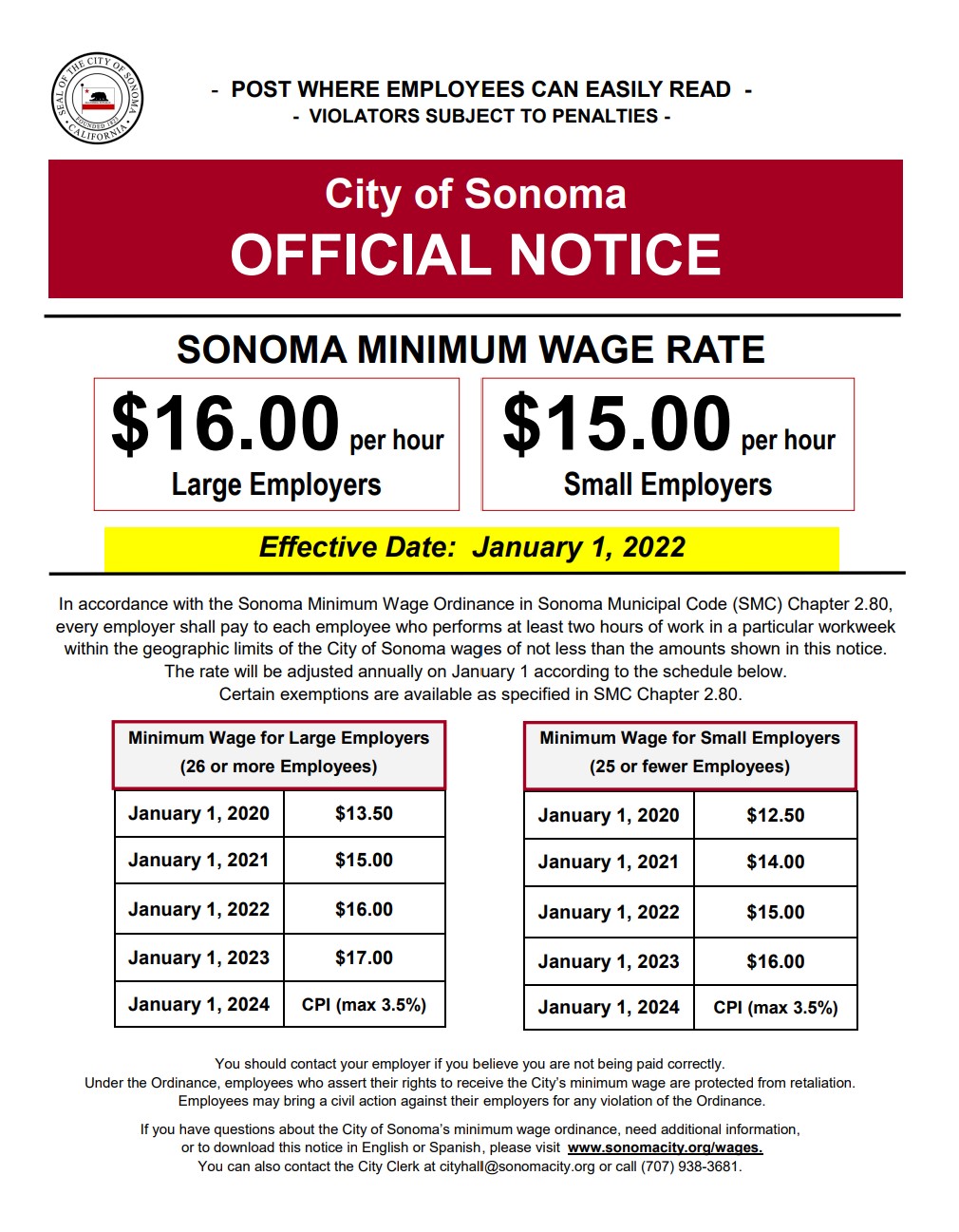
California operates on a statewide minimum wage that applies to all employers, regardless of industry. However, it’s crucial to note that many cities and counties within California have enacted their own minimum wage ordinances, which are often higher than the state minimum. This creates a tiered system where the highest applicable minimum wage—whether state, city, or county—must be paid. For businesses, this means meticulous attention to location-specific regulations. For travelers, it offers insight into the operational costs of the services they utilize, indirectly influencing prices for accommodation, dining, and activities.
The Statewide Minimum Wage
As of the most recent adjustments, California’s statewide minimum wage is set at a significant figure designed to provide a baseline living standard. This rate is periodically reviewed and updated by the state legislature. Employers are mandated to pay at least this amount per hour to all eligible employees. The rationale behind this figure is multifaceted, aiming to combat poverty, reduce income inequality, and stimulate consumer spending. For the hospitality sector, which is a cornerstone of California’s economy, this directly impacts labor costs.
Local Ordinances and Their Impact
The complexity arises with local minimum wage laws. Major metropolitan areas like Los Angeles, San Francisco, and San Diego, along with numerous smaller cities, have established higher minimum wage rates. These local ordinances are often a response to the higher cost of living in these particular areas. For instance, an employee working in San Francisco will likely earn a higher minimum wage than an employee in a more rural part of the state, provided that the local rate exceeds the state minimum. This divergence means that businesses operating across different jurisdictions within California must track and adhere to multiple wage requirements.
How Minimum Wage Affects Tourism and Hospitality
The tourism and hospitality industries are intrinsically linked to minimum wage policies. Hotels, restaurants, theme parks like Disneyland Resort, and transportation services all rely heavily on a workforce that often earns at or near the minimum wage.
Impact on Accommodation Costs
For hotels and resorts, labor is a significant operating expense. An increase in the minimum wage directly translates to higher payroll costs for front desk staff, housekeeping, maintenance, and food and beverage employees. To absorb these increased costs, businesses may resort to several strategies:
- Price Adjustments: This is often the most immediate response. Hotels might increase room rates to offset higher labor expenses. Travelers could see a noticeable difference in the cost of a night’s stay, particularly in areas with high local minimum wages.
- Operational Efficiencies: Businesses might invest in technology or streamline processes to reduce the need for certain types of labor. This could involve self-check-in kiosks at hotels or more automation in food service.
- Service Level Adjustments: In some instances, particularly for budget-friendly accommodations, a higher minimum wage might lead to a slight reduction in staffing levels, potentially affecting the breadth of services offered. However, premium hotels and resorts generally maintain their service standards, absorbing costs through other means or through higher pricing.
Dining and Entertainment Expenses
Similarly, restaurants, cafes, and entertainment venues are directly affected. Higher wages for servers, kitchen staff, bartenders, and support personnel can lead to increased menu prices. This means that enjoying a meal out or attending a show in California might become more expensive as minimum wage rates rise. For travelers on a budget, understanding this correlation can help in planning their dining and entertainment expenditures.
The Value Proposition for Tourists
While higher wages can lead to increased costs for consumers, there’s also a perspective that a higher minimum wage contributes to a more robust local economy. This can lead to better-trained and more motivated service staff, potentially improving the overall quality of service experienced by tourists. A stable workforce, less prone to high turnover due to better pay, can enhance customer experiences, from a welcoming hotel check-in to an efficiently served meal.
Factors Influencing Future Minimum Wage Adjustments
California’s minimum wage is not static. Several factors influence its trajectory, offering a glimpse into potential future changes.
Economic Indicators
The state’s minimum wage is often tied to inflation or other economic indicators. The California Department of Industrial Relations monitors various economic data to inform potential adjustments. When inflation is high, or economic growth is robust, there is often increased pressure to raise the minimum wage to ensure that workers’ purchasing power keeps pace with the cost of living.
Legislative Action and Advocacy
The state legislature plays a pivotal role in setting and adjusting the minimum wage. Labor unions and advocacy groups actively lobby for increases, arguing for the necessity of a “living wage.” Conversely, business groups may express concerns about the economic impact of rapid or significant wage hikes. These competing interests contribute to ongoing debate and policy development.
Cost of Living Considerations
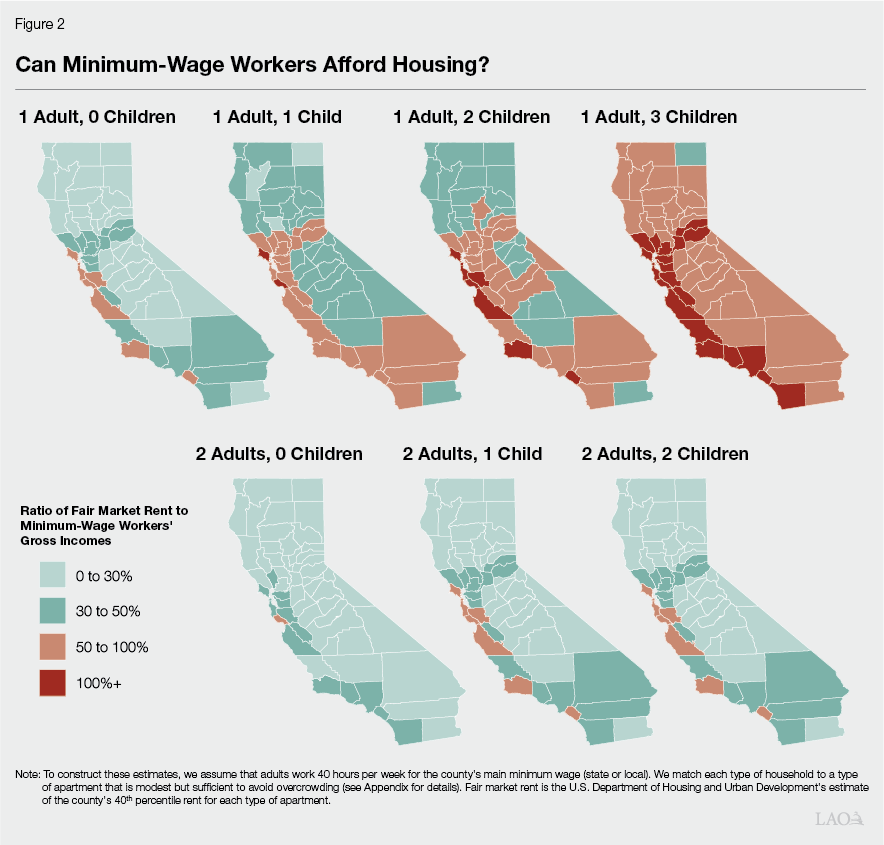
California is known for its high cost of living, particularly in major urban centers. Minimum wage discussions frequently center on whether the current wage is sufficient to cover basic necessities like housing, food, transportation, and healthcare in different parts of the state. This drives the impetus for local ordinances that often outpace the statewide minimum.
Navigating California with Current Wage Information
For both travelers and businesses operating within California, staying informed about minimum wage laws is essential.
For the Traveler
When planning a trip to California, consider how minimum wage might affect your budget.
- Budgeting for Services: Be prepared for potentially higher prices for accommodation, dining, and attractions in cities with high local minimum wages. Researching the specific rates for the areas you plan to visit can be helpful.
- Understanding Value: While costs might be higher, remember that these rates often reflect a commitment to better worker compensation, which can translate into improved service quality.
- Exploring Diverse Regions: Traveling to less densely populated areas or smaller towns might offer slightly different pricing structures due to potentially lower local minimum wages, though the statewide minimum still applies.
For Businesses and Operators
For those managing businesses in the tourism or hospitality sector in California, compliance is paramount.
- Staying Updated: Regularly check official state and local government websites for the latest minimum wage announcements. The California Department of Industrial Relations is a key resource.
- Jurisdictional Awareness: Clearly understand which minimum wage applies to your specific business location(s). This is critical for accurate payroll processing.
- Strategic Planning: Incorporate potential minimum wage increases into your long-term financial planning. This includes evaluating pricing strategies, operational efficiencies, and staffing models.
- Employee Relations: A competitive wage, often exceeding the minimum, can be a significant factor in attracting and retaining skilled employees, which is crucial for delivering excellent customer experiences in the highly competitive California market.
In conclusion, the minimum wage in California is a significant economic lever that impacts daily life and the broader tourism industry. While the statewide rate provides a baseline, local ordinances create a nuanced environment. Understanding these rates offers valuable insight for travelers budgeting their trips and for businesses navigating the operational realities of the Golden State.
LifeOutOfTheBox is a participant in the Amazon Services LLC Associates Program, an affiliate advertising program designed to provide a means for sites to earn advertising fees by advertising and linking to Amazon.com. Amazon, the Amazon logo, AmazonSupply, and the AmazonSupply logo are trademarks of Amazon.com, Inc. or its affiliates. As an Amazon Associate we earn affiliate commissions from qualifying purchases.