
California, a state synonymous with innovation, stunning natural beauty, and a vibrant cultural landscape, often stands at the forefront of progressive policies, including labor laws. For anyone planning a trip, considering a move, or even just curious about the economic dynamics of the Golden State, understanding the minimum wage is crucial. It’s not merely a number; it’s a foundational element that impacts everything from the cost of your morning coffee in Los Angeles to the nightly rate of a hotel room in San Francisco, and profoundly influences the daily lives of millions. On a website dedicated to travel, hotels, and lifestyle, dissecting California’s minimum wage offers unique insights into how to budget for your next adventure, what to expect from the service industry, and the broader economic landscape that shapes your experience.

The minimum wage in California is designed to provide a floor for workers’ earnings, aiming to ensure a basic standard of living in a state known for its high cost of living. However, unlike many other states, California’s minimum wage isn’t a single, static figure across all corners of its vast and diverse geography. Instead, it’s a dynamic, multi-layered system that combines a statewide standard with numerous local ordinances, often resulting in significantly higher wages in popular tourist destinations and bustling urban centers. This complexity is vital for travelers and residents alike to grasp, as it directly translates into varying prices for goods and services, and diverse economic realities for the individuals who power the state’s massive tourism and hospitality industries.
This article delves into the specifics of California’s minimum wage, exploring its current rates, recent adjustments, and the nuances of local variations. More importantly, we’ll connect these figures to the core themes of travel, accommodation, and lifestyle, offering a comprehensive look at how minimum wage policies influence your experience as a visitor or long-term guest in this iconic state. From the bustling streets of Hollywood to the serene vineyards of Napa Valley, the minimum wage plays an unseen yet undeniable role in the fabric of California’s economy and your journey through it.
Understanding California’s Minimum Wage Landscape
Navigating the minimum wage in California requires an understanding of its multi-tiered structure. It’s not just a single statewide mandate but a tapestry woven with local policies that often supersede the state’s baseline. This intricate system reflects California’s commitment to adapting labor standards to local economic realities, which can vary dramatically from one county to another.
The Current Statewide Standard
As of January 1, 2024, the statewide minimum wage in California stands at $16.00 per hour for all employers, regardless of their size. This unified rate marks a significant increase from previous years and represents a continued effort by the state legislature to ensure that all workers receive a fair wage, especially in an economy characterized by rising living costs. This $16.00 per hour figure serves as the foundational minimum for the entire state. If a local ordinance does not exist or sets a lower rate, the state minimum wage applies. This universal baseline is crucial for many industries, including agriculture, retail, and manufacturing, providing a predictable standard for employers and employees alike.
However, it’s essential to recognize that this statewide figure is often just the starting point. California has a proactive approach to minimum wage adjustments, with regular reviews and increases designed to keep pace with inflation and economic changes. These incremental adjustments are often pre-scheduled, offering some predictability for businesses and workers. For travelers, this means that the base cost of labor for many services you encounter – from gas station attendants to independent boutique staff – is at least $16.00 an hour, which indirectly contributes to the overall pricing structure you observe.
Local Ordinances: A Layer of Complexity
One of the most distinctive aspects of California’s minimum wage landscape is the prevalence of local ordinances. Many cities and counties across the state have established their own minimum wage rates that are higher than the statewide standard. These local measures are often a response to the particularly high cost of living in specific urban and suburban areas, aiming to provide a more realistic living wage for residents.
For instance, major metropolitan areas and popular tourist destinations frequently implement higher minimum wages. As of early 2024, cities like San Francisco (at $18.07 per hour as of July 1, 2023), Oakland (at $16.52 per hour as of January 1, 2024), and San Jose (at $17.55 per hour as of January 1, 2024) boast rates well above the state minimum. Even more strikingly, places like West Hollywood have implemented some of the highest local minimum wages, reaching $19.00 per hour for general employees and specifically for hotel workers as of early 2024. Los Angeles City and Los Angeles County (for unincorporated areas) also have their own rates, often updated annually around July 1st.
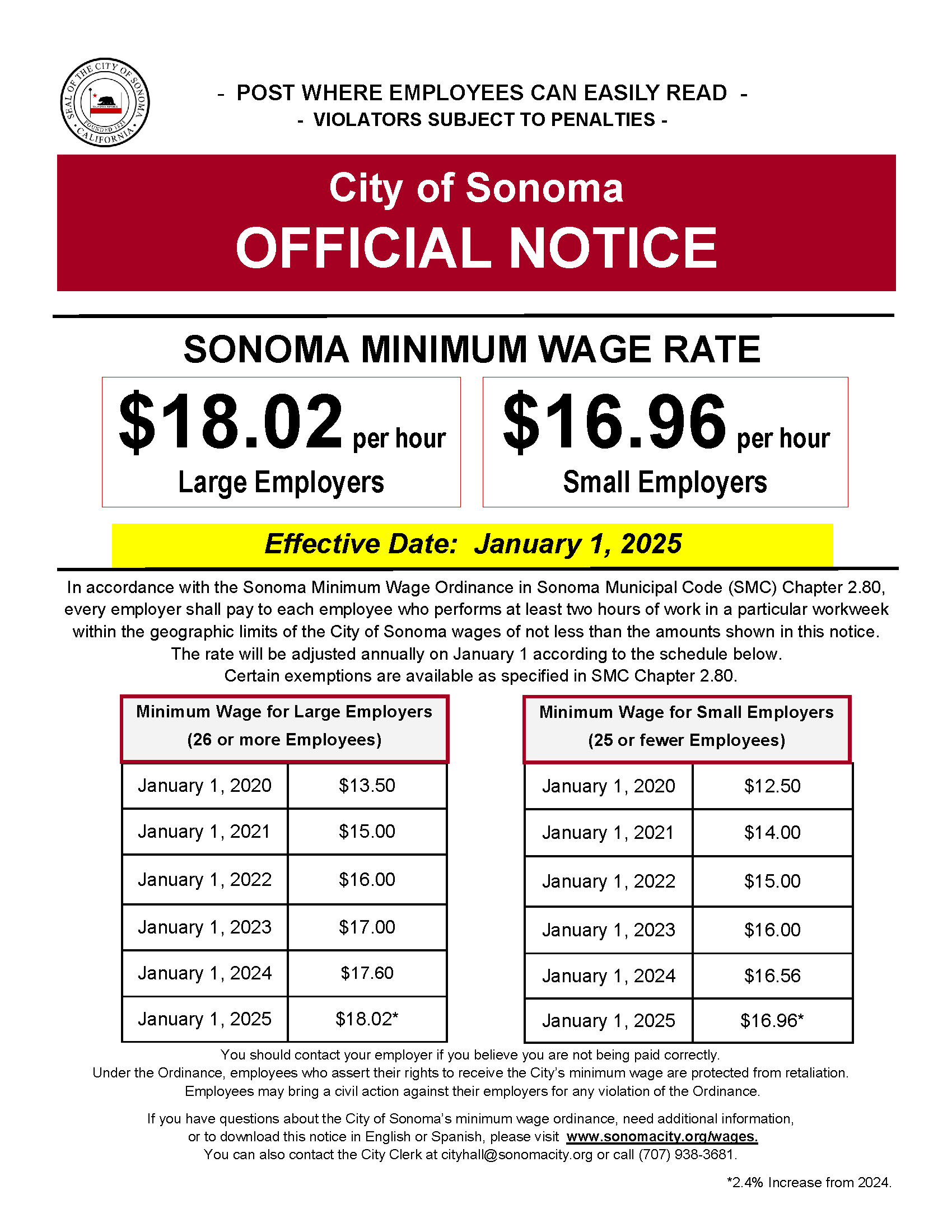
These local variations mean that the cost of labor for a hotel maid, a restaurant server, or a tour guide can differ significantly even within a relatively short distance. A traveler moving from Sacramento to Berkeley, for example, might encounter different labor costs factored into their expenses. Understanding which local ordinances apply in your chosen destination is not just an academic exercise; it’s a practical consideration that can influence your travel budget, especially when planning long-term stays or considering specific service-oriented experiences.
Key Exemptions and Special Considerations
While the $16.00 statewide minimum wage and various local ordinances cover the vast majority of workers, there are a few important exemptions and special considerations within California’s labor laws. These typically apply to specific types of employees or industries, and understanding them adds another layer of nuance to the state’s minimum wage framework.
One notable consideration is for salaried employees. To be exempt from minimum wage and overtime requirements, salaried employees must meet specific criteria, including earning a salary that is at least twice the state minimum wage for full-time employment (40 hours per week). This threshold adjusts as the minimum wage increases, ensuring that only higher-earning salaried positions fall outside the hourly wage requirements.
Furthermore, California has introduced sector-specific minimum wages that are particularly relevant to the service industry. As of April 1, 2024, fast food workers employed by national chains (with more than 60 locations nationwide) are guaranteed a minimum wage of $20.00 per hour. This landmark legislation aims to address the specific economic challenges faced by a significant portion of the service workforce. For tourists, this means that even a quick meal at a chain restaurant will be prepared and served by individuals earning a notably higher wage, potentially impacting food prices.
Another significant development is the new minimum wage schedule for healthcare workers (SB 525), which aims to incrementally raise their wages to $25.00 per hour by 2026, with variations based on the type and size of the healthcare facility. While less directly tied to tourism, it underscores California’s proactive approach to ensuring fair compensation for essential service providers across different sectors.
For those planning to experience California from a lifestyle perspective, perhaps through volunteer work or specific internships, it’s also important to research whether minimum wage laws apply. Generally, most employees are covered, but specific volunteer roles or government-funded programs might have different stipulations. These exemptions and special rules are designed to tailor labor laws to distinct economic realities and workforce needs, contributing to the overall complexity and dynamism of California’s minimum wage environment.
The Ripple Effect: Minimum Wage and the California Tourism & Hospitality Sector
The robust minimum wage policies in California have a profound and multifaceted impact on the state’s vibrant tourism and hospitality sector. This isn’t just about higher paychecks for hotel staff and restaurant workers; it’s a systemic influence that touches everything from operating costs for businesses to the quality of service experienced by visitors, and ultimately, the prices they encounter. Understanding this ripple effect is key to appreciating the economic landscape that underpins your California adventure.
Impact on Hotel and Accommodation Costs
One of the most immediate and tangible effects of California’s minimum wage, especially in high-cost-of-living areas with local ordinances, is on the price of accommodation. Hotels, resorts, and even short-term rental properties rely heavily on a service-oriented workforce, including housekeepers, front desk staff, maintenance teams, and food and beverage employees. As the minimum wage increases, particularly in cities like West Hollywood where hotel workers have a specifically high minimum wage, labor costs for these establishments naturally rise.
These increased labor costs are often, at least in part, passed on to consumers through higher room rates. When you book a stay at a luxury resort in Beverly Hills or a boutique hotel near the Santa Monica Pier, a portion of your nightly rate directly contributes to compensating the dedicated staff who ensure your stay is comfortable and enjoyable. This dynamic explains, in part, why accommodation in popular California destinations can be more expensive compared to other parts of the country or world where labor costs are lower.
Beyond just the raw cost, there’s also an argument for enhanced service quality. When workers are paid a more livable wage, it can lead to higher employee morale, reduced turnover, and a more experienced, dedicated workforce. This can translate into better service, attentiveness, and a more welcoming atmosphere for guests, ultimately enriching the travel experience. For travelers seeking high-quality service and amenities, the investment in competitive wages by hotels and resorts contributes directly to the elevated standards that California’s hospitality industry often boasts.
Dining Out and Entertainment Expenses
Just as with accommodation, dining out and enjoying entertainment in California are also influenced by minimum wage policies. Restaurants, cafes, bars, and entertainment venues employ a vast number of hourly workers, from chefs and servers to bartenders and ticket takers. With the statewide minimum wage at $16.00 per hour and even higher in many cities – coupled with the $20.00 per hour minimum for fast food workers at large chains – the cost of labor is a significant component of their operational expenses.
This directly translates to the prices on menus and tickets. A meal at a Michelin-starred restaurant in San Francisco, a casual brunch spot in San Diego, or even a quick bite at a popular fast-food chain will likely reflect these higher labor costs. While some of these costs might be absorbed by businesses, a portion is invariably passed on to the consumer. For instance, the new fast-food minimum wage sparked widespread discussion about potential price increases for popular menu items across the state.
Similarly, tickets to attractions like theme parks (Disneyland, Universal Studios Hollywood), museums, and live performance venues also incorporate labor costs into their pricing. The staff ensuring your safety, guiding your experience, or serving you refreshments are all compensated under California’s wage laws. This means that while enjoying world-class entertainment, you are also indirectly contributing to a more equitable wage for the workers who make these experiences possible. For budget travelers, this underscores the importance of factoring in higher dining and entertainment expenses when planning a trip to California.
Workforce Dynamics and Service Quality
Beyond direct financial impacts, California’s minimum wage significantly shapes workforce dynamics and, consequently, the quality of service across the tourism and hospitality sectors. Higher wages can attract a more skilled and stable workforce, reducing turnover and increasing employee retention. This stability often leads to a more experienced and professional staff base, which can greatly enhance the visitor experience.
Imagine a knowledgeable concierge at your Grand Hyatt Hotel in Downtown Los Angeles, a server who knows the menu inside out, or a tour guide with years of experience navigating the streets of Santa Barbara. These individuals are more likely to stay in their roles when they feel adequately compensated, allowing them to hone their skills and provide superior service. For travelers, this translates into more efficient check-ins, more personalized recommendations, and a generally higher standard of customer interaction.
However, the ripple effect isn’t without its challenges. Businesses, especially smaller establishments, sometimes struggle to absorb significantly higher labor costs, leading to difficult decisions regarding staffing levels, automation, or even operational hours. This could, in some niche cases, lead to fewer staff during off-peak hours or increased reliance on self-service options. Nevertheless, the prevailing trend in California’s tourism industry, particularly in its high-end and luxury segments, is to maintain high service standards, leveraging competitive wages to attract and retain the best talent. This commitment ensures that visitors continue to enjoy the exceptional experiences that define a California getaway.
Navigating California as a Traveler: Budgeting for Your Trip
Understanding California’s minimum wage policies isn’t just an exercise in economic literacy; it’s a practical tool for planning a successful and enjoyable trip. The higher cost of living, driven in part by robust labor laws, inevitably translates into higher expenses for travelers. However, with smart budgeting and strategic choices, you can still experience the best of the Golden State without breaking the bank.
Planning for Higher Costs in Popular Destinations
When planning your itinerary for California, especially if your destinations include iconic cities like San Francisco, Los Angeles, San Jose, or coastal enclaves like Santa Monica and Laguna Beach, you should anticipate higher costs for almost every aspect of your travel. Accommodation, dining, transportation (especially ride-sharing services that account for driver wages), and entertainment will generally be pricier than in regions with lower minimum wages.
This means that a standard travel budget might need to be adjusted upwards for a California trip. For instance, a hotel room that might cost $150 in a city in Nevada could easily be $250-$300 or more in a prime California location, reflecting not only demand but also the underlying labor costs for the staff. Similarly, a casual meal that’s $15 in some states could easily be $20-$25 in California. Even the price of a barista-made coffee at a local cafe will subtly reflect the minimum wage paid to the staff.
It’s advisable to research average costs for your specific destinations well in advance. Websites that compare accommodation prices, restaurant menus, and attraction fees can provide realistic expectations. Factor in not just the base price, but also taxes and potential service charges or tips, which can further inflate costs. For those considering long-term stays or digital nomad lifestyles, understanding the local minimum wage is even more critical, as it shapes the entire economic environment you’ll be living within.
Smart Strategies for Budget-Conscious Explorers
Despite the higher costs, California remains an incredibly accessible destination for travelers of all budgets. The key is to employ smart strategies that allow you to enjoy the state’s beauty and culture without overspending.
One effective strategy is to travel during the off-season. While popular times like summer and holidays see peak prices, visiting in the spring, fall, or even winter (for non-ski destinations) can result in significant savings on flights and accommodation. This is particularly true for coastal areas and theme park destinations.
Accommodation choices play a huge role. Instead of always opting for luxury hotels, consider staying in well-reviewed mid-range hotels, apartments, or even hostels, especially if you’re traveling solo or in a small group. Booking in advance, sometimes months ahead, can also lock in better rates. Exploring areas just outside the immediate city center, perhaps a short drive or public transit ride away, can also yield more affordable options while still offering convenient access to attractions. Many travelers also opt for long-term stay accommodations like serviced apartments or villas, which often provide better value for extended trips, allowing for self-catering and reducing dining-out expenses.
Dining wisely is another crucial aspect. While enjoying California’s diverse culinary scene is a must, balance fine dining experiences with more budget-friendly options. Explore local markets for fresh produce to prepare your own meals if your accommodation has a kitchen. Take advantage of food trucks, casual eateries, and happy hour deals. Picnics at scenic spots like Golden Gate Park or along the Pacific Coast Highway can be both economical and memorable. Remember the $20 fast food minimum wage—even these options might be pricier than expected.
Finally, leverage free and low-cost attractions. California is rich with natural beauty, and many of its most stunning landmarks – from the majestic Yosemite National Park (though park entrance fees apply) to the beautiful beaches of Malibu – are free or inexpensive to experience. Hiking trails, scenic drives, public parks, and window shopping in vibrant neighborhoods offer endless entertainment without significant cost. Many museums also offer free days or evenings, so check schedules in advance. By combining thoughtful planning with an awareness of the economic factors at play, including the minimum wage, you can craft a California adventure that aligns with your budget and exceeds your expectations.
Beyond the Basics: Minimum Wage and California’s Economic Future
The minimum wage in California is more than just a current hourly rate; it’s a reflection of ongoing policy debates and an indicator of the state’s economic trajectory. Its continued evolution is likely to shape the landscape of tourism, accommodation, and lifestyle for years to come, influencing everything from investment decisions by hotel chains to the everyday experiences of visitors and residents.
California consistently reviews and adjusts its minimum wage, often linking increases to inflation or other economic indicators. This proactive approach means that the baseline for labor costs will continue to rise incrementally, ensuring that wages keep pace with the cost of living. For the tourism and hospitality sector, this translates into a perpetual need for businesses to adapt their operational models, potentially fostering innovation in efficiency and service delivery. It also underscores California’s commitment to a strong social safety net and an equitable economy, themes that resonate with many modern travelers and lifestyle enthusiasts.
Looking ahead, visitors to California can anticipate a continuing trend of robust service industries powered by fairly compensated workers. While this may mean slightly higher prices for some goods and services compared to other regions, it also contributes to the overall quality and reliability of the experiences offered. From the world-class amenities of its resorts to the personalized service at its boutique hotels and the vibrant energy of its culinary scene, California’s dedication to fair labor practices is intertwined with its reputation for excellence. For those planning to explore this dynamic state, understanding the “what is minimum wage in California?” question isn’t just about a number; it’s about grasping a fundamental aspect of the state’s economy that impacts every journey and every stay.
LifeOutOfTheBox is a participant in the Amazon Services LLC Associates Program, an affiliate advertising program designed to provide a means for sites to earn advertising fees by advertising and linking to Amazon.com. Amazon, the Amazon logo, AmazonSupply, and the AmazonSupply logo are trademarks of Amazon.com, Inc. or its affiliates. As an Amazon Associate we earn affiliate commissions from qualifying purchases.