
Florida, the Sunshine State, is a beacon for travelers worldwide, renowned for its pristine beaches, world-class attractions, and vibrant culture. From the theme park capital of Orlando to the art deco charm of Miami, and the historic allure of St. Augustine, this southeastern state in the United States offers an unparalleled array of experiences. For both visitors planning their next adventure and those curious about the economic heartbeat of this tourism-driven state, understanding the financial landscape is key. One fundamental aspect of this landscape, particularly relevant to the service industry that underpins much of Florida’s appeal, is the minimum wage.
The year 2024 marks another significant step in Florida’s minimum wage progression, impacting thousands of workers in the hospitality, retail, and service sectors. For anyone venturing into the state, whether for a luxury escape at a resort like The Breakers Palm Beach or a budget-friendly family trip exploring the wonders of Walt Disney World Resort, the minimum wage indirectly shapes the cost of services, the quality of experiences, and the overall economic vitality they encounter. This article delves into what the minimum wage in Florida is for 2024, exploring its implications for travelers, workers, and the broader tourism economy, providing a holistic view from the perspective of travel, accommodation, and lifestyle.
Understanding Florida’s Minimum Wage Landscape
Florida has been on a structured path to gradually increase its minimum wage over several years, a process set in motion by a statewide ballot initiative. This progressive approach is designed to provide a more livable wage for its residents, many of whom are employed in the critical service industries that cater to the state’s massive tourism influx. The scheduled increases reflect a broader economic strategy aimed at boosting worker purchasing power while attempting to manage potential impacts on businesses.
The Current Figures for 2024
As of September 30, 2024, the minimum wage in Florida is scheduled to increase to $13.00 per hour. This marks another annual increment, building upon previous increases. Prior to this, from September 30, 2023, the minimum wage stood at $12.00 per hour. For tipped employees, the minimum cash wage (before tips) also sees an adjustment. In 2024, the direct cash wage for tipped employees will be $9.98 per hour, as long as their tips bring their total hourly earnings to at least $13.00 per hour. This structure is designed to ensure that even those in roles heavily reliant on gratuities still meet the baseline minimum earning standard.
It’s crucial for businesses, especially those in the hospitality and tourism sectors, to adhere to these figures. For travelers, understanding this helps contextualize prices for services, from your barista at a cafe in South Beach to the hotel staff ensuring your stay at a Waldorf Astoria Orlando is seamless. The minimum wage is a foundational aspect of the labor market, directly influencing the operational costs for hotels, restaurants, attractions, and various service providers across the state.
Historical Context and Future Projections
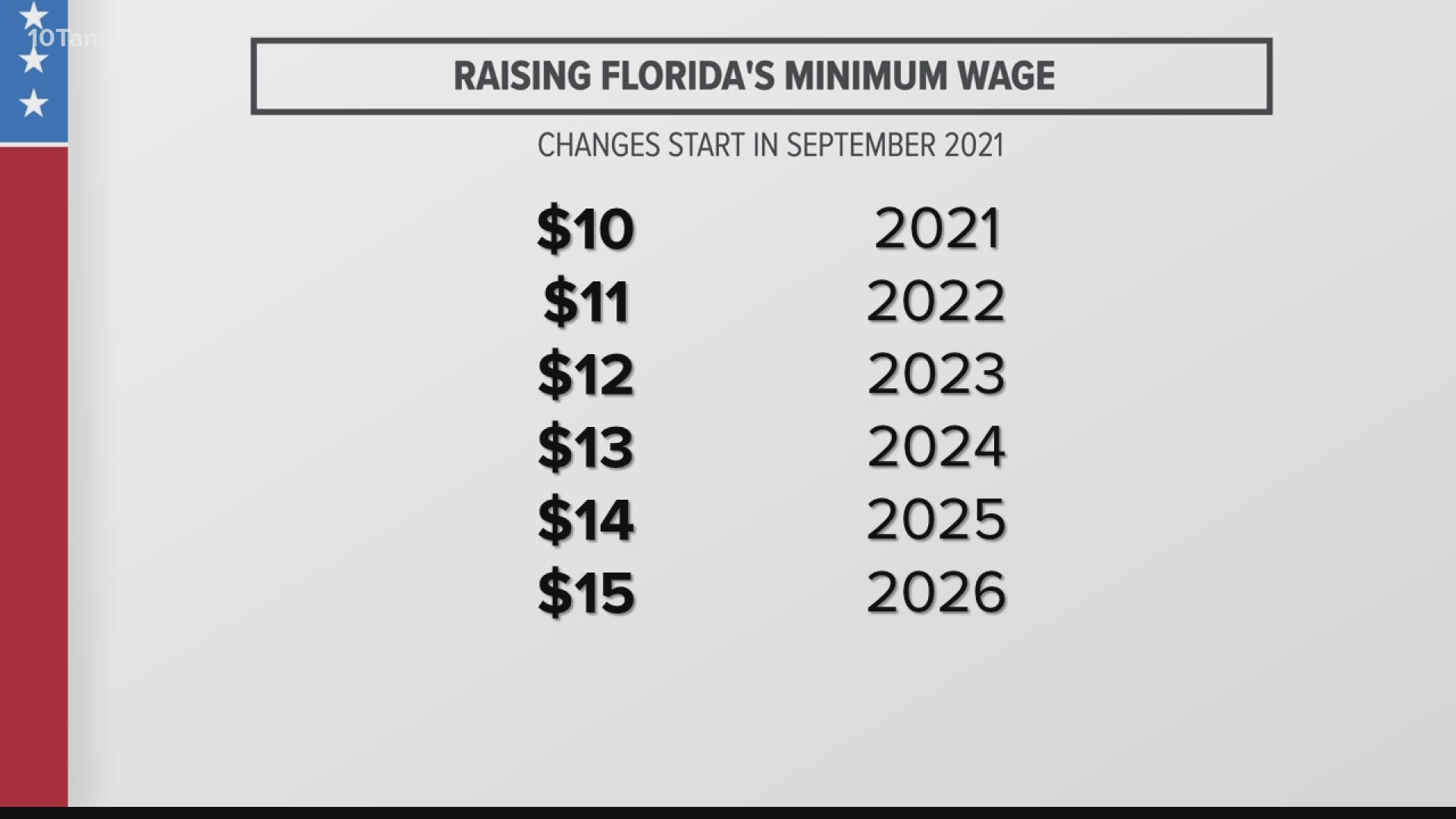
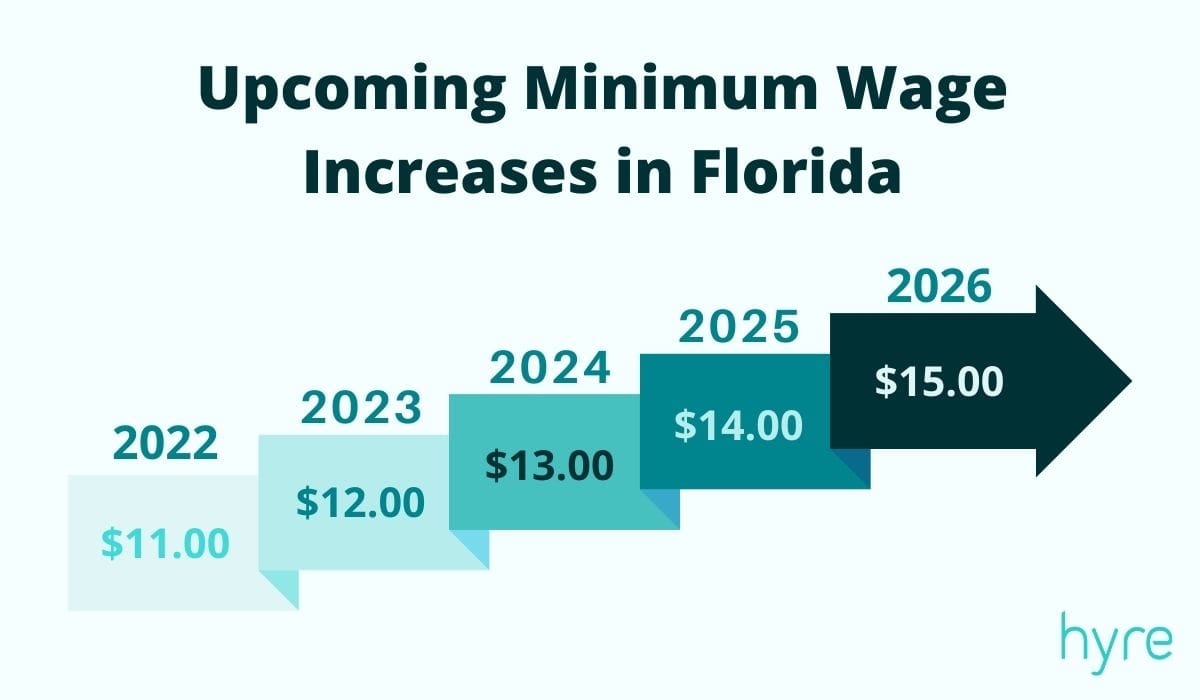
The current minimum wage trajectory in Florida is the result of a constitutional amendment passed by voters in 2020. This amendment mandates a gradual increase to $15.00 per hour by September 30, 2026. The phased approach looks like this:
- September 30, 2021: $10.00 per hour
- September 30, 2022: $11.00 per hour
- September 30, 2023: $12.00 per hour
- September 30, 2024: $13.00 per hour
- September 30, 2025: $14.00 per hour
- September 30, 2026: $15.00 per hour
After reaching $15.00 per hour in 2026, future annual increases will be tied to the consumer price index, ensuring that the minimum wage continues to keep pace with the cost of living. This long-term plan provides predictability for both workers and businesses, allowing for strategic planning and adaptation within Florida’s dynamic economy. This commitment to a higher minimum wage is a significant lifestyle factor for many Floridians, particularly those in tourist-dependent cities like Key West or Naples, where the cost of living can be substantial.
Impact on Florida’s Vibrant Tourism and Hospitality Sector
Florida’s economy is heavily reliant on tourism. Millions of visitors flock to its shores and attractions annually, fueling a massive industry encompassing everything from luxury resorts and boutique hotels to family-friendly theme parks and eco-tourism adventures in places like Everglades National Park. The minimum wage, therefore, has profound implications for this vital sector.
For Travelers: Costs and Value
For those planning a trip to Florida, understanding the minimum wage helps explain potential shifts in the cost of travel. When labor costs increase for businesses, these costs are often passed on to consumers, albeit incrementally. This might manifest as slightly higher prices for hotel rooms, meals at restaurants, tickets to attractions like Universal Orlando Resort, or even guided tours. However, it’s not a direct one-to-one correlation, as businesses also absorb some of these costs through efficiency improvements or reduced profit margins.
What does this mean for your travel budget?
- Accommodation: Hotels, from budget motels to upscale establishments like the Ritz-Carlton, Amelia Island, employ a large number of minimum wage earners for cleaning, maintenance, front desk, and various service roles. A higher minimum wage contributes to their operational expenses, potentially influencing room rates.
- Dining: Restaurants, particularly those in popular tourist destinations such as Tampa or Fort Lauderdale, are significant employers of minimum wage staff. Expect a slight upward trend in menu prices at casual dining spots, though fine dining establishments might see less direct impact on their overall pricing structure.
- Attractions and Activities: Theme parks, museums, and other recreational venues also employ a vast workforce. The cost of admission tickets or activity fees may reflect these increased labor costs.
Despite these potential increases, the value proposition of a Florida vacation often remains strong. Many argue that a fair wage contributes to a more motivated and stable workforce, which can translate into better service quality and a more pleasant experience for visitors. This enhanced service can improve a traveler’s overall experience, making those slightly higher costs feel justified by the improved quality of their stay, meals, or interactions with staff at, for example, Busch Gardens Tampa Bay.
For Workers: Livelihoods and Service Quality

For the hundreds of thousands of individuals working in Florida’s tourism and hospitality sectors, the minimum wage increase is a significant step towards improving their quality of life. Many of these workers are the backbone of the travel experience, serving guests in hotels, preparing food in restaurants, and maintaining the cleanliness and safety of attractions. A higher minimum wage means:
- Increased Purchasing Power: Workers have more disposable income, which can improve their ability to afford housing, food, and other necessities in a state where the cost of living, particularly in tourist hubs, can be high. This directly impacts their personal lifestyle.
- Reduced Turnover: Businesses might experience lower employee turnover rates as competitive wages attract and retain talent. This stability can lead to a more experienced and skilled workforce, benefiting both employees and employers.
- Improved Service Quality: A workforce that feels valued and financially secure is often more engaged and motivated. This can translate into friendlier service, greater attention to detail, and an overall enhancement of the visitor experience. Imagine the positive impact on your stay when hotel staff, feeling secure, go the extra mile.
The minimum wage directly influences the lives of residents in cities like Jacksonville, Sarasota, and St. Pete Beach, where tourism plays a central role. It’s not just about a numerical figure; it’s about the ability of individuals to participate more fully in the local economy and enjoy a better quality of life, which in turn contributes to the vibrancy and authenticity of the destination.
Navigating Florida: Budgeting for Your Trip
Effective budgeting is crucial for any trip, and a general awareness of the economic factors at play, like the minimum wage, can help travelers better anticipate costs in Florida. While the increases are part of a long-term plan, smart planning can ensure your Florida adventure, whether it’s a bustling city break or a serene beach vacation, remains within your financial comfort zone.
Accommodation and Dining Considerations
When planning your stay in Florida, consider the diverse range of accommodation options available. From luxurious resorts offering opulent suites and world-class amenities to more budget-friendly hotels, charming vacation rentals, and long-term stay apartments, there’s something for every budget. Higher minimum wages might slightly nudge prices upward, but the competitive nature of Florida’s tourism market means many providers work hard to offer value.
- Booking Strategy: Booking well in advance, especially during peak seasons or for popular destinations like Orlando or Miami, can often secure better rates. Utilizing comparison websites and looking for deals on hotel suites or package deals can also mitigate cost increases.
- Dining Choices: Florida boasts an incredible culinary scene. To manage dining costs, balance eating out at mid-range or upscale restaurants with exploring local food trucks, casual eateries, and preparing some of your own meals if your accommodation offers kitchen facilities. Exploring local markets for fresh produce, especially in areas renowned for their agriculture, can be a delightful and cost-effective experience.
- Tipping Etiquette: For tipped employees, the minimum cash wage increase is important, but tips remain a significant part of their income. Always factor in gratuities for excellent service, especially in restaurants, bars, and for hotel staff who assist you during your stay.
Attractions, Experiences, and Local Lifestyle
Florida’s attractions are diverse, ranging from thrilling theme parks and space exploration centers like the Kennedy Space Center Visitor Complex to serene nature parks like Dry Tortugas National Park. Many of these experiences rely on a substantial workforce, and the minimum wage plays a role in their operating costs.
- Advance Ticket Purchases: Buying tickets to major attractions online and in advance often provides discounts and saves time. Look for multi-day passes or combination tickets if you plan to visit several parks or venues.
- Free and Low-Cost Activities: Florida offers numerous free or low-cost activities, from enjoying its stunning beaches to exploring historic districts, nature trails, and vibrant local markets. Incorporating these into your itinerary can significantly reduce overall spending while enriching your understanding of local culture.
- Consider Off-Peak Travel: Traveling during the shoulder seasons (spring and fall) can often mean lower prices for accommodation and flights, fewer crowds, and a more relaxed experience, as businesses might face less pressure to raise prices to cover costs.
Embracing the local lifestyle, whether it’s by sampling regional cuisine or engaging with local artisans, contributes not only to your travel experience but also indirectly supports the communities where these wage increases are having an impact.
The Broader Economic Ripple Effect
The minimum wage is not an isolated economic factor; it creates ripple effects throughout the entire state economy, touching upon various aspects of society, business, and daily life in Florida. For a state so intertwined with tourism, these ripples are particularly significant.
Supporting Local Economies and Communities
A higher minimum wage often means that workers, particularly those in lower-income brackets, have more money to spend locally. This increased consumer spending can stimulate local economies by supporting small businesses, grocery stores, and service providers within communities. When hotel maids, restaurant servers, or park attendants earn more, they are more likely to spend that money on goods and services in their own neighborhoods, creating a virtuous cycle of economic activity. This enhanced local purchasing power can lead to stronger, more resilient communities, which in turn creates a more appealing destination for visitors seeking authentic local experiences. The vibrancy of a local culture, often a key attraction for tourists, is closely tied to the economic well-being of its residents.
Long-term Implications for Florida’s Appeal
The long-term commitment to raising the minimum wage to $15.00 per hour by 2026 demonstrates Florida’s dedication to improving the financial standing of its workforce. While some businesses may face initial adjustments, the potential benefits include:
- Enhanced Reputation: A state that supports a fair living wage can attract a more stable and dedicated workforce, contributing to higher standards of service and professionalism across its key industries. This could boost Florida’s reputation as a quality destination.
- Reduced Poverty and Inequality: By addressing wage stagnation, the state aims to reduce poverty and income inequality, leading to a healthier, more equitable society. This has positive implications for social stability and overall community well-being.
- Sustainable Tourism: A well-compensated workforce is a cornerstone of sustainable tourism. When local communities thrive, they are better positioned to protect and showcase their natural and cultural assets, ensuring that Florida remains an attractive destination for future generations.
In conclusion, the minimum wage in Florida for 2024, set to rise to $13.00 per hour from September 30, is more than just a number; it’s a dynamic economic factor with far-reaching implications. It subtly influences the costs and quality of your travel experiences, shapes the livelihoods of the people who make your vacations memorable, and plays a critical role in the broader economic health and appeal of the Sunshine State. As you plan your next unforgettable trip to Florida, understanding this foundational aspect of its economy provides a deeper appreciation for the intricate ecosystem that makes it such a beloved global destination.
LifeOutOfTheBox is a participant in the Amazon Services LLC Associates Program, an affiliate advertising program designed to provide a means for sites to earn advertising fees by advertising and linking to Amazon.com. Amazon, the Amazon logo, AmazonSupply, and the AmazonSupply logo are trademarks of Amazon.com, Inc. or its affiliates. As an Amazon Associate we earn affiliate commissions from qualifying purchases.