
Planning a trip to a new city, whether for leisure, business, or a blend of both, involves countless details – from booking flights and accommodation to researching local attractions and dining experiences. Amongst these, understanding the local time zone often goes overlooked until the last minute, yet it plays a crucial role in seamless travel. So, for those eyeing the historic streets and vibrant culture of Boston, Massachusetts, the fundamental question arises: What time zone is Boston in?
The straightforward answer is that Boston operates within the Eastern Time Zone (ET). However, merely knowing this isn’t enough for the savvy traveler. To truly master your itinerary and immerse yourself in all that Boston has to offer, a deeper understanding of how Eastern Time functions, particularly with regard to Daylight Saving Time (DST), and its broader implications for your travel plans, is essential. From managing jet lag to coordinating international calls, the time zone is a silent orchestrator of your travel experience.
Understanding Boston’s Time Zone: Eastern Time Explained
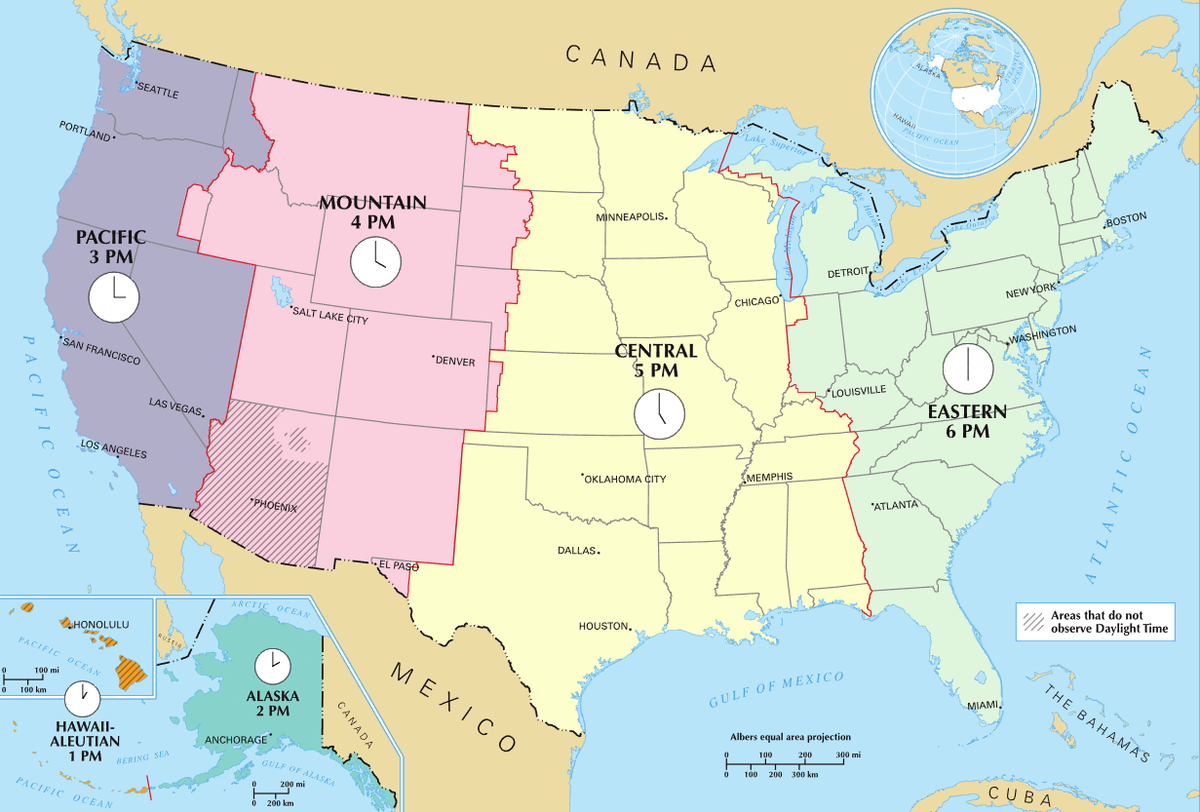
Boston, like much of the East Coast of the United States, adheres to the Eastern Time Zone. This standard helps synchronize daily life, commerce, and communication across a significant portion of North America. Knowing the specifics of this time zone is the first step towards a perfectly planned visit.
The Basics: EST and EDT
The Eastern Time Zone is primarily represented by two abbreviations: EST and EDT.
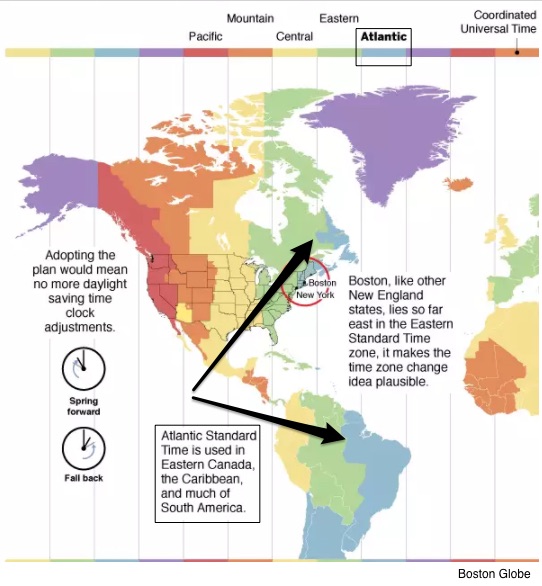
- EST (Eastern Standard Time): This is the time observed during the autumn and winter months. It is five hours behind Coordinated Universal Time (UTC). So, when it’s 12:00 PM UTC, it’s 7:00 AM EST.
- EDT (Eastern Daylight Time): This is the time observed during the spring and summer months, thanks to Daylight Saving Time. It is four hours behind UTC. Consequently, when it’s 12:00 PM UTC, it’s 8:00 AM EDT.
This one-hour shift is crucial for travelers, particularly those arriving from different time zones. It directly impacts everything from flight schedules to the opening hours of attractions. Massachusetts (and Boston within it) is located on the eastern seaboard, making Eastern Time a natural fit for its geographical position, aligning it with the sunrise and sunset patterns of the Atlantic Ocean coastline.
Navigating Daylight Saving Time in Boston
Daylight Saving Time is a practice observed across much of the United States to make better use of daylight, traditionally by moving clocks forward one hour in the spring and backward one hour in the autumn. For Boston, this means:
- Spring Forward: On the second Sunday in March, clocks “spring forward” one hour at 2:00 AM local time, switching from EST to EDT. You essentially lose an hour of sleep, but gain an hour of daylight in the evening.
- Fall Back: On the first Sunday in November, clocks “fall back” one hour at 2:00 AM local time, reverting from EDT to EST. You gain an hour of sleep, and mornings become brighter earlier.
For travelers, being aware of these shifts is paramount. If your travel dates coincide with a DST change, ensure you adjust your watches and devices accordingly. A miscalculation could lead to missing a flight, an early check-out, or a late arrival for an important tour or reservation. Most modern devices adjust automatically, but it’s always wise to double-check, especially if relying on older technology or printed itineraries.
Time Zone Implications for Your Boston Travel Plans
Beyond the simple fact of knowing Boston’s time zone, understanding its practical implications can significantly enhance your travel experience. From booking logistics to managing personal well-being, time differences touch every aspect of a journey.
Planning Your Arrival and Departure
The most immediate impact of time zones for travelers is felt during arrival and departure.
- Flights and Train Schedules: All times listed for flights into or out of Logan International Airport, or train schedules, will be in local Boston time. If you’re traveling from a different time zone, accurately converting these times is critical. For instance, an early morning flight from Los Angeles (Pacific Time) arriving in Boston (Eastern Time) will involve a three-hour time difference (four during DST from March to November if Arizona or other non-DST areas are considered, but typically three hours in contiguous US states). What seems like a short flight might translate into arriving much later in your body’s internal clock, or vice versa.
- Managing Jet Lag for Domestic and International Travelers: Jet lag is a common travel companion, especially for those crossing multiple time zones. Arriving in Boston from the west (California or Europe) means your body’s internal clock will be several hours behind or ahead of Boston time. Strategies to combat jet lag include gradually adjusting your sleep schedule a few days before departure, staying hydrated, exposing yourself to natural light upon arrival, and resisting naps. For business travelers, being aware of jet lag is vital for peak performance in meetings or conferences.
Booking Accommodation and Activities from Afar
When booking hotels, tours, restaurant reservations, or tickets to attractions in Boston from a different time zone, time conversions are paramount.
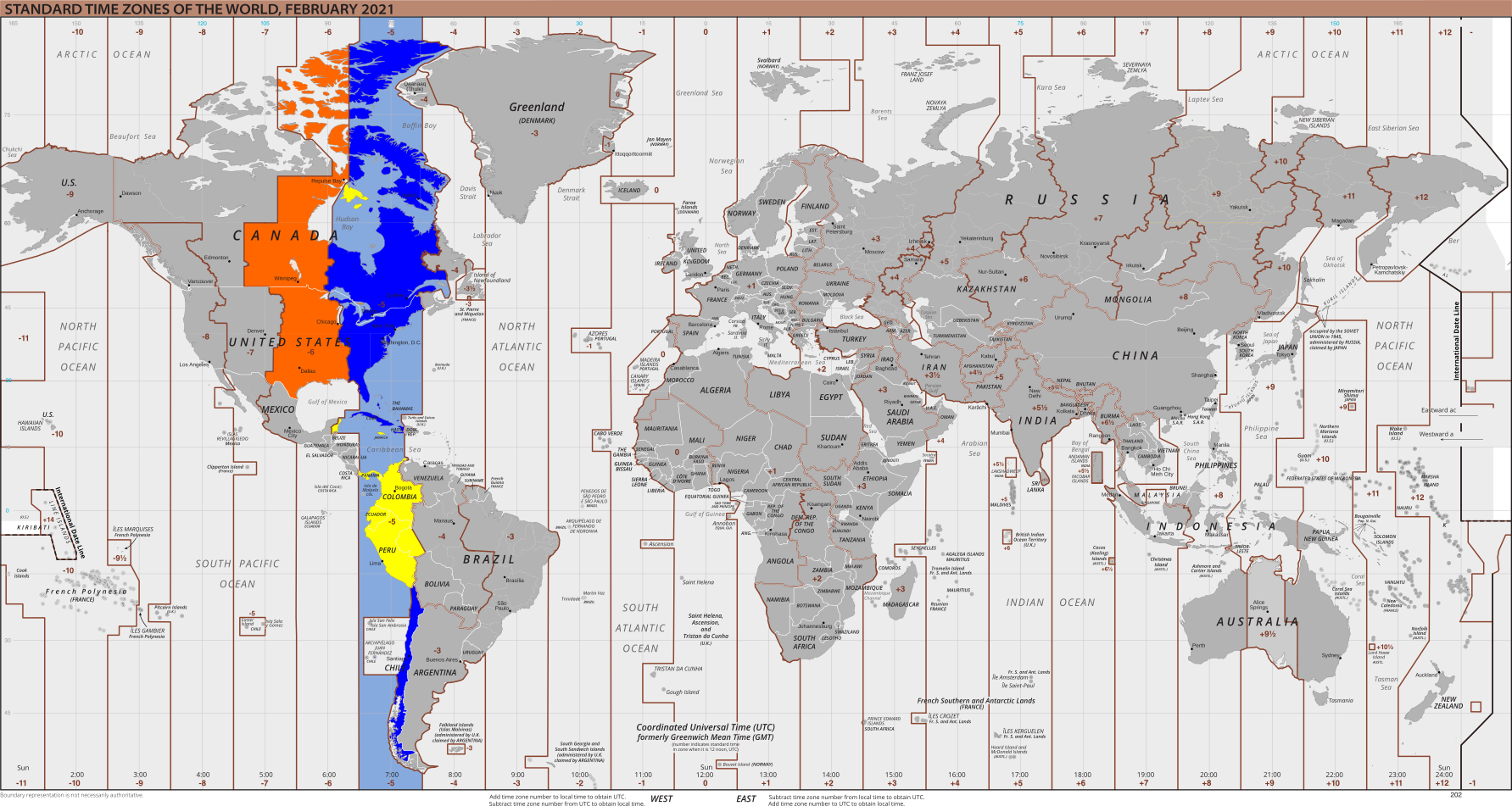
- Converting Times for Reservations: Imagine booking a 7:00 PM dinner reservation at a coveted North End Italian restaurant while you’re in London (which is five hours ahead of Boston during EST and six hours during EDT). What feels like a reasonable time to book from your current location might be late into the Boston night. Always use a reliable time zone converter and confirm the local Boston time for all your bookings.
- Accommodation Check-in/Check-out: Hotel policies on check-in and check-out times are strictly enforced in local time. A 3:00 PM check-in might feel like late afternoon if you’re coming from the west coast, potentially leaving you waiting. Conversely, a 12:00 PM check-out could mean an unexpected rush if you’re mentally operating on a different clock. Always confirm these times with your chosen Boston hotel, whether it’s a luxury suite at the Four Seasons Hotel Boston or a charming apartment in Beacon Hill.
Staying Connected: Business and Personal Travel
In today’s interconnected world, maintaining communication with family, friends, or colleagues back home is often a necessity.
- Communicating with Home/Office: If your family or business associates are in different time zones, calculate the time difference carefully to avoid calling at inconvenient hours. A call to Tokyo from Boston will involve a significant 13-hour difference (when Boston is in EDT and Tokyo is on standard time), meaning 9 AM in Boston is 10 PM in Tokyo.
- Scheduling Meetings: For business travelers, coordinating virtual meetings or conference calls across time zones is a daily challenge. Always specify the time zone when scheduling, or better yet, use a universal time (UTC) to avoid confusion. Boston’s role as a major hub for technology, finance, and education means business travelers are frequently engaged in cross-continental communication.
Exploring Boston: A Timeless Destination
While navigating time zones is practical, the true joy of visiting Boston lies in exploring its rich tapestry of history, culture, and modern vibrancy. Understanding the local time helps you maximize your daylight hours and evening plans in this captivating city.
Iconic Landmarks and Historical Immersion
Boston is a city steeped in history, offering a journey through time itself.
- The Freedom Trail: A 2.5-mile red-lined path leading to 16 historically significant sites, including the Paul Revere House, the Old North Church, and Faneuil Hall. Planning your walk to account for the opening hours of these sites is crucial, especially if you’re visiting in winter when daylight is shorter due to EST.
- Green Spaces: Take a leisurely stroll through Boston Common, America’s oldest public park, or enjoy the swan boats in the adjacent Public Garden. These offer serene escapes, perfect for unwinding after a busy day of sightseeing, mindful of the setting sun.
- Sports Enthusiasts: Catch a game at Fenway Park, home of the Boston Red Sox. Game times are strictly in Eastern Time, so planning your arrival and departure around these events requires careful consideration of the clock.
Culinary Delights and Cultural Experiences
Boston also boasts a phenomenal food scene and a thriving cultural landscape.
- Seafood and North End Italian: Indulge in fresh New England seafood, especially clam chowder and lobster rolls. For an authentic experience, head to the North End for some of the best Italian food outside of Italy. Restaurant reservation times are critical, particularly for popular spots during peak dinner hours.
- Museums: Immerse yourself in art and history at the Museum of Fine Arts or the unique Isabella Stewart Gardner Museum. Check their operating hours, which will always be in Eastern Time, and plan your visit accordingly to ensure you have ample time to explore.
Diverse Accommodation Options
Boston offers a spectrum of accommodation choices to suit every budget and travel style, all operating on local time for bookings and services.
- Luxury Hotels: Experience unparalleled elegance at establishments like the Boston Harbor Hotel, Four Seasons Hotel Boston, or The Langham Boston. Booking these top-tier properties often requires advance planning, and understanding their booking windows in Eastern Time can be crucial.
- Boutique Hotels and Budget-Friendly Stays: From charming boutique hotels in historic neighborhoods like Back Bay to more budget-conscious options, there’s something for everyone. If you’re considering apartments or villas for a longer stay, ensure your lease or booking agreement clearly states all timings in local Boston time. Comparison websites and reviews often list check-in/out times, which are always local.
Maximizing Your Boston Experience: Tips for Every Traveler
Understanding Boston’s time zone is the foundation, but applying practical tips can elevate your trip from good to unforgettable. These strategies cater to different travel lifestyles, ensuring everyone, from the luxury seeker to the budget explorer, can make the most of their time in this vibrant city.
Navigating Jet Lag and Time Adjustments
- Pre-Trip Adjustments: If traveling across multiple time zones, try to gradually shift your sleep schedule by an hour or so each day in the days leading up to your trip.
- Stay Hydrated and Sunlight Exposure: Drink plenty of water and expose yourself to natural light upon arrival to help reset your internal clock. Avoid heavy meals and excessive alcohol on your travel day.
- Strategic Napping: While it’s often advised to avoid naps to adjust faster, a short, strategic power nap (20-30 minutes) upon arrival can sometimes help if you feel completely drained. Set an alarm!
- Pack Smart: Eye masks, earplugs, and comfortable travel pillows can make a world of difference in helping you rest on planes or adjust to new sleep environments.
Lifestyle-Specific Travel: Luxury, Budget, Family, and Business
- Luxury Travel: For those seeking premium experiences, Boston offers exclusive tours, high-end dining, and concierge services that can manage all your time-sensitive bookings. Confirm any special event timings well in advance. Consider private transfers from Logan International Airport to save time upon arrival, allowing you to settle into your luxury suite faster.
- Budget Travel: Free attractions like the Freedom Trail and public parks are excellent ways to explore without breaking the bank. Public transport is efficient and cost-effective. Plan your days to maximize daylight hours for sightseeing and consider early bird specials for dining. Using a time-zone-aware app can help you snag happy hour deals or free museum entrance times.
- Family Trips: Traveling with children often requires more flexible scheduling. Plan activities around their typical meal and nap times, keeping the Eastern Time Zone in mind. Attractions like the New England Aquarium or the Boston Children’s Museum have specific hours. Ensuring smooth transitions across time zones can prevent meltdowns.
- Business Stays: Boston is a major business hub. Efficiency is key. Schedule crucial meetings during your peak hours, accounting for any residual jet lag. Choose accommodation close to your business district (e.g., Financial District or Seaport District) to minimize travel time within the city. Time zone apps are invaluable for coordinating with colleagues globally.
Essential Planning Resources
- Time Zone Converters: Always keep a reliable time zone converter handy, either through a smartphone app or a bookmark on your browser.
- Local Apps: Download local Boston apps for public transport, restaurant bookings, or event listings. These will automatically display times in Eastern Time.
- Travel Guides: Consult comprehensive travel guides for Boston that often include seasonal operating hours for attractions, which might be affected by Daylight Saving Time shifts.
In conclusion, while “What time zone is Boston, Massachusetts in?” is a simple query with a direct answer (Eastern Time Zone), its implications for a successful and enjoyable trip are profound. From the moment you plan your flights to the very last souvenir purchase, understanding and accounting for Boston’s local time ensures a smooth, stress-free, and ultimately more enriching travel experience. So, set your clocks, embrace the Eastern Time rhythm, and get ready to discover the timeless charm of Boston!
LifeOutOfTheBox is a participant in the Amazon Services LLC Associates Program, an affiliate advertising program designed to provide a means for sites to earn advertising fees by advertising and linking to Amazon.com. Amazon, the Amazon logo, AmazonSupply, and the AmazonSupply logo are trademarks of Amazon.com, Inc. or its affiliates. As an Amazon Associate we earn affiliate commissions from qualifying purchases.