
Louisiana, often called the Pelican State, is a land of vibrant culture, rich history, and unparalleled culinary experiences. From the jazz-filled streets of New Orleans to the serene bayous of Cajun Country, it beckons travelers seeking unique adventures and authentic Southern charm. For anyone planning a trip, considering a move, or simply curious about the economic landscape, understanding the local wage structure, particularly the minimum wage, is a fundamental aspect of grasping the cost of living and the operational dynamics of its thriving hospitality sector. Unlike many other states across the United States, Louisiana does not have its own state-specific minimum wage law. This means that employers in Louisiana are primarily governed by the federal minimum wage, a crucial detail for both the local workforce that powers its tourism industry and visitors who engage with it.
The implications of this default to the federal standard are far-reaching, impacting everything from the wages of hotel staff and restaurant servers to tour guides and attraction attendants. For a state so heavily reliant on tourism and hospitality, the minimum wage discussion is intertwined with the quality of service, the sustainability of local businesses, and the overall economic well-being of the communities that welcome millions of visitors each year. This article delves into the specifics of Louisiana’s minimum wage, exploring how it functions within the context of its dynamic travel and tourism industries, and what it means for both those who work hard to create unforgettable experiences and those who come to enjoy them.
Navigating the Wage Landscape in the Pelican State’s Tourism Sector
The economic fabric of Louisiana is distinct, largely due to its lack of a state minimum wage. This unique position means that the wages earned by the vast majority of workers, especially those in the hospitality, leisure, and accommodation sectors, are tied directly to federal legislation. Understanding this relationship is key to appreciating the economic environment within which Louisiana’s famed travel experiences are created and delivered.
The Federal Standard: The Baseline for Louisiana’s Workforce
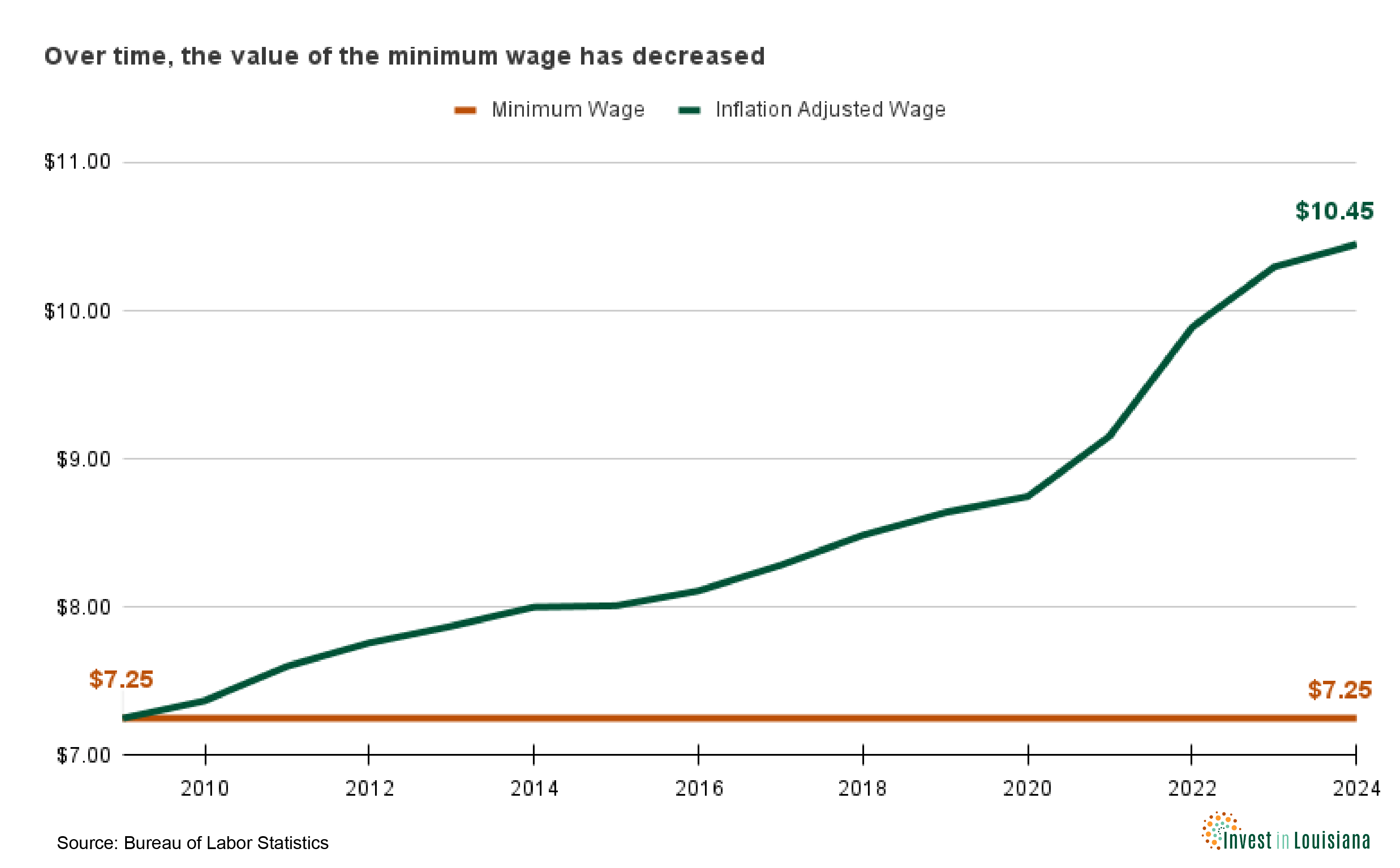
As of the current standing, the federal minimum wage in the United States is $7.25 per hour. Since Louisiana does not have its own minimum wage law that sets a higher standard, this federal rate is the operative minimum wage across the entire state. This applies to most non-exempt employees in various industries, including those working in the numerous hotels, resorts, restaurants, and tourist attractions that dot the Louisiana landscape. From the front desk staff at a boutique hotel in the French Quarter to the cleaners maintaining rooms at a luxurious resort on the Gulf Coast, this $7.25 an hour serves as the lowest legal pay rate.
It’s important to note that while the federal minimum wage sets the baseline, many employers, especially those striving for excellence in the competitive tourism market, may offer wages above this floor to attract and retain skilled staff. This is particularly true in bustling tourist hubs like New Orleans or Baton Rouge, where the demand for quality service and experienced personnel is consistently high. Companies like the Omni Royal Orleans Hotel or restaurants along Bourbon Street often understand that competitive wages, benefits, and positive working conditions are essential for fostering a workforce that can deliver the exceptional experiences visitors expect. However, for a significant portion of the workforce, especially in smaller establishments or less bustling areas, the federal minimum wage remains a very real economic factor.
The Tipped Wage Reality: For Servers, Guides, and Hospitality Staff
A significant component of the hospitality and tourism industry in Louisiana revolves around gratuities. Waitstaff, bartenders, bellhops, tour guides, and many others directly serving the public often earn a “tipped wage.” Under federal law, the minimum cash wage an employer must pay a tipped employee is $2.13 per hour, provided that the employee’s tips, combined with that direct wage, equal at least the federal minimum wage of $7.25 per hour. If the sum of the cash wage and tips does not meet the federal minimum wage, the employer is legally obligated to make up the difference.
This system is prevalent in Louisiana’s vibrant culinary scene, from upscale dining establishments in the Garden District to casual eateries serving po’boys in Lafayette. It’s also common among swamp tour guides, carriage drivers in New Orleans, and other service providers whose livelihoods are heavily reliant on the generosity of visitors. For travelers, understanding this tipped wage structure is crucial; it underscores the importance of tipping appropriately to acknowledge the hard work and dedication of the service professionals who enhance their travel experiences. The culture of tipping is deeply ingrained in Louisiana’s hospitality, and a thoughtful approach to gratuities directly contributes to the economic well-being of these essential workers, whose wages largely depend on patron satisfaction and recognition.
Economic Vibrancy and the Visitor Experience: Minimum Wage’s Ripple Effect
The minimum wage, or lack thereof at the state level, in Louisiana has a subtle yet profound impact on both the local economy and the overall visitor experience. It’s not just about the numbers; it reflects on the quality of life for workers and indirectly shapes how tourists perceive and enjoy the state. The economic realities stemming from these wage policies influence everything from daily operational costs for businesses to the discretionary spending power of residents and visitors alike.
Cost of Living and Its Impact on Travel Professionals
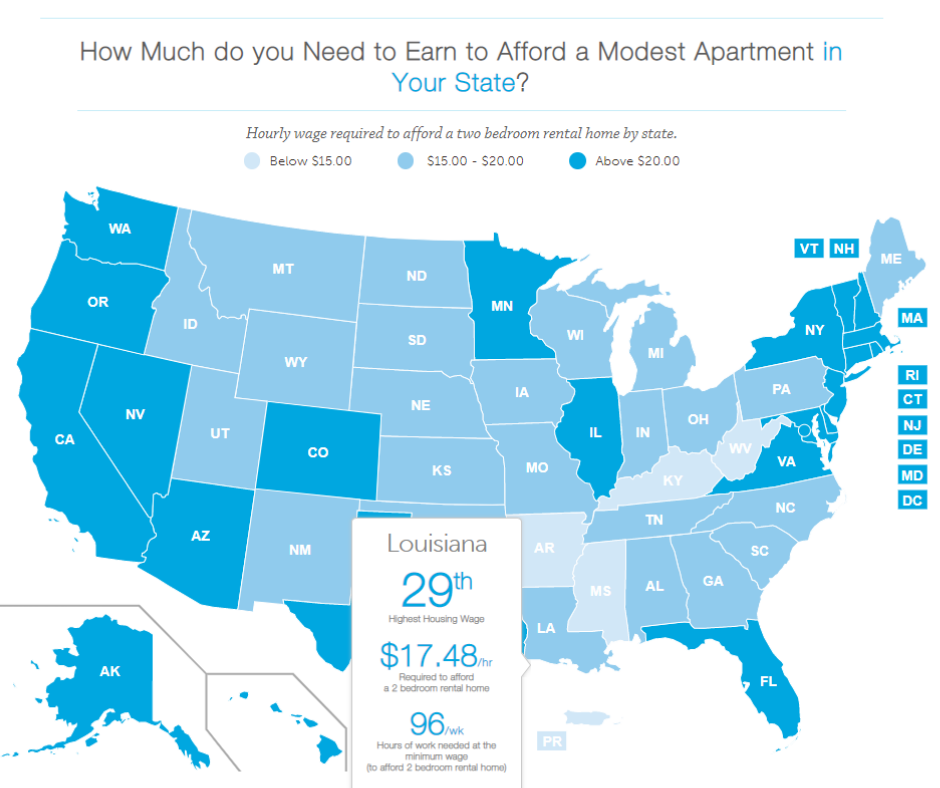
For the dedicated individuals who form the backbone of Louisiana’s tourism and hospitality sectors, the federal minimum wage of $7.25 per hour presents significant challenges in meeting the rising cost of living. Cities like New Orleans and Baton Rouge offer exciting job opportunities in hotels, restaurants, and attractions, but they also come with expenses. Housing, transportation, food, and other necessities can quickly consume a minimum wage income. This economic pressure can affect employee morale, retention rates, and ultimately, the quality of service provided to tourists.
Many hospitality businesses understand this dynamic and often strive to offer above-minimum wages, especially for positions requiring specialized skills or extensive customer interaction. For instance, a skilled chef at a restaurant in the Warehouse District or an experienced concierge at the Roosevelt New Orleans, A Waldorf Astoria Hotel would certainly earn significantly more. However, for entry-level positions or those heavily reliant on tips, the struggle to make ends meet is real. This situation highlights the importance of supplemental income sources, such as tips, and the ongoing debate about livable wages in areas with high tourism demand. A workforce that feels valued and financially secure is better equipped to provide the warm, welcoming, and high-quality service that Louisiana is famous for, directly enhancing the visitor’s experience and making their trip truly memorable.
Budgeting for Travelers: Understanding the Local Economic Environment
While the minimum wage directly impacts locals, it also has indirect implications for travelers, particularly those on a budget. Understanding the local economic environment helps visitors make informed decisions about their spending and how they interact with the service industry. For instance, knowing that many service staff rely heavily on tips might encourage more generous gratuities, especially given the lower base wage for tipped employees. This awareness can contribute to a more responsible and culturally sensitive travel experience.
Budget travelers might also find that while the cost of certain goods and services in Louisiana (like food or entertainment) can be quite affordable compared to some other major tourist destinations, the overall cost of a trip can still accumulate. The perception of value is crucial; tourists want to feel they are getting a good return on their investment, whether it’s a stay at a charming bed-and-breakfast in Shreveport or an unforgettable jazz club experience on Frenchmen Street. While minimum wage doesn’t directly dictate hotel prices or attraction fees, it is a foundational element in the labor costs that businesses incur. These costs, in turn, are factored into pricing strategies. Therefore, a general understanding of the wage structure can provide context for the pricing of local services and the expectation of quality, allowing travelers to budget more effectively and appreciate the efforts of the local workforce.
A Broader Perspective: Louisiana Compared to Other Tourist Destinations
To truly grasp Louisiana’s position on minimum wage, it’s beneficial to compare its approach with other prominent tourist destinations across the United States. This comparison highlights the diversity in wage policies and how they might influence economic competitiveness, worker welfare, and the overall appeal of a destination for both labor and leisure.
States with Higher Wages: A Look at Competing Tourism Markets
Many states, including several with robust tourism industries, have enacted state minimum wages significantly higher than the federal standard. For example, states like California and New York have minimum wages well into the double digits, reflecting a legislative push for a livable wage in areas with high costs of living. Even neighboring states or those with competing tourism markets, such as Florida, have higher state minimum wages that are incrementally increasing.
This disparity creates a distinct economic environment. For instance, a hotel worker in Miami Beach, Florida might earn a higher base wage than their counterpart in New Orleans, potentially leading to differences in disposable income or a greater ability to save. This can impact the attractiveness of Louisiana for workers seeking higher wages, although the state’s lower cost of living in some areas can partially offset this. From a business perspective, higher minimum wages in other states mean higher labor costs, which might translate to higher prices for tourists or different business models. Louisiana’s reliance on the federal minimum wage can sometimes be seen as an advantage for businesses seeking to keep labor costs lower, but it also prompts discussions about worker compensation and economic equity.
The Ongoing Dialogue: Future Prospects for Louisiana’s Wages
The debate over raising the minimum wage is a recurring topic in Louisiana’s political and economic discourse. Advocates for a higher state minimum wage argue that it would alleviate poverty, boost consumer spending, and improve the quality of life for thousands of workers, especially those in the service industry. They contend that a more financially secure workforce would lead to better service, reduced employee turnover in vital sectors like hospitality, and a stronger local economy. Such a move could potentially attract more skilled labor to the state, enhancing the overall quality of its tourism offerings.
Conversely, opponents of a state minimum wage increase often raise concerns about the potential impact on small businesses, particularly those operating on thin margins in the tourism and restaurant sectors. They argue that higher labor costs could force businesses to raise prices, reduce staff, or even close, thereby hindering job growth and potentially making Louisiana less competitive. This ongoing discussion reflects a delicate balancing act between supporting workers and fostering a business-friendly environment. For visitors, these debates underscore the complex economic realities of the places they visit and highlight the importance of understanding local contexts beyond just the attractions. The eventual outcome of these discussions will undoubtedly shape the future economic landscape of Louisiana, affecting both its residents and its enduring appeal as a premier travel destination.
Enhancing the Hospitality Experience: Beyond Minimum Wage
While the minimum wage sets a floor for compensation, the true spirit of Louisiana’s hospitality often thrives on factors that go beyond just the base pay. The unique culture of service, the importance of gratuities, and the overarching commitment to creating memorable experiences are all integral to how the state’s tourism sector operates and flourishes.
The Role of Tips and Service Charges
Given the federal tipped minimum wage of $2.13 per hour, tips play an exceptionally vital role in the income of many hospitality professionals in Louisiana. This reliance on gratuities means that the quality of service is often directly linked to the potential for higher earnings. Servers, bartenders, hotel staff, and tour operators are incentivized to provide exceptional service, going above and beyond to ensure customer satisfaction. For travelers, this translates into a generally high standard of attentiveness and personalized care.
In some larger establishments or for events, visitors might encounter automatic service charges, particularly for larger groups or at venues during peak times like Mardi Gras. These charges are typically distributed among staff, but it’s always wise for patrons to clarify how such charges are allocated and whether additional tipping is expected. Understanding this system allows travelers to not only budget correctly but also to show appropriate appreciation for the services that make their Louisiana adventures so enjoyable, from a historical walking tour through the French Quarter to a delicious Creole dinner along the Mississippi River. Thoughtful tipping practices directly support the livelihoods of the people who make Louisiana a captivating destination.
Ensuring a Sustainable and Fulfilling Workforce
Ultimately, the long-term sustainability of Louisiana’s vibrant tourism and hospitality industry hinges on a happy, skilled, and dedicated workforce. While minimum wage figures provide a baseline, many businesses recognize the importance of investing in their employees through fair wages, comprehensive benefits, training programs, and a positive work environment. Offering competitive pay, even if it exceeds the federal minimum, helps attract talent, reduce turnover, and foster a sense of loyalty and professionalism among staff. This, in turn, directly benefits the visitor, leading to more engaging interactions, higher quality service, and a more authentic experience.
Hotels and resorts, from major chains like the Hyatt Regency New Orleans to charming local inns, understand that their reputation is built on the people who serve their guests. Similarly, iconic restaurants and attractions rely on their staff to deliver the authentic Louisiana experience. The ongoing dialogue around minimum wage is a reflection of society’s evolving understanding of economic equity and its impact on vital sectors. As Louisiana continues to draw visitors from around the globe, ensuring a workforce that is not only skilled but also economically secure will remain a critical component in preserving its unique charm and renowned hospitality for generations to come. The goal is to create an environment where both visitors can enjoy unforgettable experiences and the local population can thrive, making the Pelican State a truly enriching destination for all.
LifeOutOfTheBox is a participant in the Amazon Services LLC Associates Program, an affiliate advertising program designed to provide a means for sites to earn advertising fees by advertising and linking to Amazon.com. Amazon, the Amazon logo, AmazonSupply, and the AmazonSupply logo are trademarks of Amazon.com, Inc. or its affiliates. As an Amazon Associate we earn affiliate commissions from qualifying purchases.