
While exploring the vast and often budget-friendly landscapes of North Dakota, understanding the economic underpinnings of the state can significantly enhance your travel planning and appreciation of local life. One crucial aspect of this economic landscape is the minimum wage, a foundational element that affects both residents and the cost of services for visitors. For travelers who enjoy delving into the nuances of a destination beyond the typical tourist trails, grasping the minimum wage in North Dakota offers a unique lens through which to view the state’s economic health, cost of living, and the general lifestyle experienced by its inhabitants. This understanding can be particularly relevant for those engaging in budget travel, seeking long-term accommodation, or simply wanting to connect more deeply with the local culture and communities they encounter.

The Foundation of Earnings: North Dakota’s Minimum Wage in Detail
The minimum wage is a legally mandated hourly rate that employers must pay their employees for all hours worked. It serves as a safety net, intended to prevent the exploitation of workers and ensure a baseline standard of living. In North Dakota, like in many other states across the United States, the minimum wage is subject to periodic review and potential adjustments, reflecting changes in the cost of living and broader economic conditions.
Federal vs. State Minimum Wage
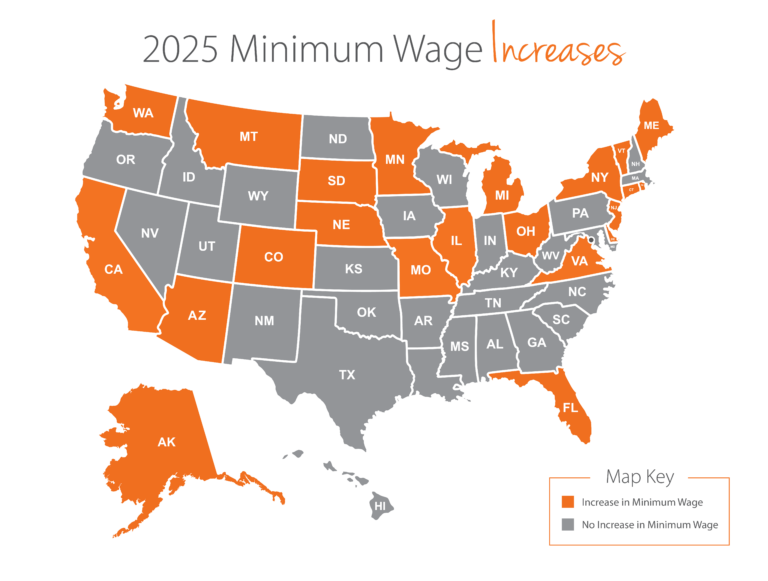
It’s important to clarify that North Dakota adheres to a state minimum wage. The United States federal minimum wage is currently set at $7.25 per hour. However, many states opt to establish a higher minimum wage to better reflect their specific economic realities and cost of living. In North Dakota, the state minimum wage has historically been set to align with the federal rate, but it is crucial to stay updated on any legislative changes. As of my last update, North Dakota‘s minimum wage has generally followed the federal floor. This means that unless a specific state law mandates a higher rate, employers in North Dakota are legally obligated to pay at least $7.25 per hour.
Tipped Employees: A Different Standard
A common distinction in minimum wage laws pertains to employees who receive tips as a significant portion of their income, such as servers in restaurants or bartenders. These individuals often fall under a separate “tipped minimum wage” category. In North Dakota, the tipped minimum wage is also set at a specific rate, and employers can take a “tip credit” against the regular minimum wage. This means that the cash wage paid directly by the employer to a tipped employee can be lower than the standard minimum wage, provided that the tips received by the employee, when added to the cash wage, equal or exceed the standard minimum wage.
For example, if the tipped minimum wage in North Dakota is $4.77 per hour, an employer can pay a tipped employee this cash amount. However, the employer must ensure that the employee’s total earnings (cash wage plus tips) reach at least the standard minimum wage of $7.25 per hour. If the employee’s tips do not bring their total earnings up to the standard minimum wage, the employer is responsible for making up the difference. This provision aims to acknowledge the supplementary income from tips while still guaranteeing a minimum earning level. It is a critical detail for anyone working in the hospitality sector in North Dakota or for businesses employing tipped staff.
Understanding the “Why” Behind Minimum Wage
The concept of a minimum wage is deeply intertwined with social and economic policy. Proponents argue that it helps reduce poverty, decrease income inequality, and stimulate the economy by increasing the purchasing power of low-wage workers. When more people have more money to spend, businesses can see increased demand for their products and services, potentially leading to job growth and overall economic prosperity. For travelers, this can translate into a more vibrant local economy with a wider range of goods and services available.
Conversely, critics of minimum wage laws often voice concerns that they can lead to job losses, as businesses may respond to increased labor costs by hiring fewer employees or cutting back on hours. They also argue that it can disproportionately affect small businesses, which may have tighter profit margins. The debate over the optimal minimum wage level is ongoing and varies significantly from state to state, influenced by local economic conditions, industry concentrations, and political ideologies. For North Dakota, with its significant agricultural and energy sectors, the impact of minimum wage policies can have unique implications.
Navigating North Dakota: Minimum Wage and Your Travel Experience
For travelers to North Dakota, understanding the minimum wage offers a practical perspective on budgeting and appreciating the local economic environment. Whether you’re planning a trip to explore the natural beauty of the Theodore Roosevelt National Park, experience the vibrant city life of Fargo or Bismarck, or stay in charming boutique hotels, the cost of services you’ll encounter is indirectly influenced by these wage laws.
Budgeting for Services and Attractions
When you visit North Dakota, the cost of many services, from a cup of coffee at a local café to a night at a comfortable hotel, is shaped by the labor costs of the businesses providing them. A higher minimum wage generally contributes to higher operational costs for businesses, which can then be reflected in the prices of goods and services. For budget travelers, this means that while North Dakota can still offer excellent value compared to some more expensive states, being aware of the economic factors at play can help in making informed decisions about where to spend your money and what to prioritize during your trip.
For instance, if you’re looking for affordable dining options, understanding that restaurant staff are earning a fair wage might encourage you to patronize establishments that treat their employees well. This connects to the broader theme of responsible tourism, where understanding the local economic fabric enhances the travel experience. Similarly, when considering booking accommodation, whether it’s a suite at the Radisson Hotel Bismarck or an apartment for a long-term stay, the pricing will invariably factor in the wages paid to housekeeping, front desk, and maintenance staff.

The Impact on Local Businesses and Tourism Infrastructure
The minimum wage has a direct impact on the viability of many businesses that form the backbone of North Dakota‘s tourism industry. Hotels, restaurants, souvenir shops, and tour operators all rely on employees who are likely to be earning at or near the minimum wage. For businesses in popular tourist destinations like Medora, where attractions such as the Maltese Cross Ranch and the Chateau de Mores State Historic Site draw visitors, maintaining a workforce to cater to seasonal demands is crucial.
If the minimum wage is set at a level that makes it difficult for businesses to remain profitable, it can affect the quality and availability of services. Conversely, a wage that allows employees to earn a decent living can lead to greater job satisfaction, lower staff turnover, and improved customer service. This can create a positive feedback loop, enhancing the overall visitor experience and contributing to the long-term success of the tourism sector. Therefore, when you’re enjoying a guided tour through the rolling plains or a relaxing stay at a resort, consider the economic landscape that supports these experiences.
Exploring Beyond the Tourist Trail: Lifestyle and Local Life
For travelers who seek to immerse themselves in the local lifestyle, understanding the minimum wage provides insight into the daily lives of North Dakota residents. It offers a glimpse into the purchasing power of individuals and families, the cost of basic necessities, and the general economic atmosphere of the communities you visit. This can be particularly rewarding for those interested in budget travel or long-term stays, as it allows for a more nuanced appreciation of the local culture and economic realities.
For example, if you’re considering a family trip and plan to rent a villa or an apartment, knowing the prevailing wage rates can help you better understand the local cost of living and the types of activities that are accessible to most residents. This deeper understanding transforms a typical vacation into a more enriching cultural exchange. It’s about seeing North Dakota not just as a collection of attractions, but as a living, breathing community with its own economic dynamics.
Minimum Wage Adjustments and Future Outlook
The landscape of minimum wage is not static. It is subject to ongoing discussions, legislative proposals, and economic shifts. In North Dakota, as in other states, there are always discussions about whether the current minimum wage is adequate to meet the needs of workers and the demands of the economy.
Legislative Processes and Potential Changes
Minimum wage rates are typically determined through legislative action. This means that changes to the minimum wage in North Dakota would likely require a bill to be passed by the North Dakota Legislative Assembly and signed into law by the governor. These legislative processes can be influenced by public opinion, lobbying efforts, economic data, and the prevailing political climate. It’s not uncommon for states to have regular reviews of their minimum wage laws to ensure they remain relevant and effective.
Advocates for increasing the minimum wage often point to the rising cost of living, including housing, healthcare, and education, arguing that the current rate is insufficient to provide a livable income. They may cite studies that show the positive economic impacts of higher wages, such as reduced poverty rates and increased consumer spending. On the other hand, opponents might raise concerns about the potential negative impacts on employment and business competitiveness, particularly in industries with high labor costs.
Factors Influencing Future Decisions
Several factors will likely influence any future decisions regarding North Dakota‘s minimum wage. These include:
- The Cost of Living: As inflation and the general cost of living rise, there will be increased pressure to adjust the minimum wage to ensure it maintains its purchasing power.
- Economic Performance: The overall health of North Dakota‘s economy, including employment rates and industry growth, will play a significant role. A strong economy might be more capable of absorbing a higher minimum wage.
- Political Landscape: The prevailing political ideologies and the composition of the state legislature and governorship will heavily influence the likelihood of minimum wage increases.
- Federal Policy: While North Dakota sets its own minimum wage, significant changes to the federal minimum wage could also prompt state-level discussions and potential adjustments.
Staying informed about these potential changes is beneficial for anyone living in or frequently visiting North Dakota. It impacts not only the economic well-being of its residents but also the pricing and availability of services that contribute to the overall travel experience. Whether you are planning a luxury travel escape to a resort near Lake Sakakawea or a budget-friendly exploration of Fort Abraham Lincoln State Park, understanding the economic underpinnings like minimum wage adds a valuable layer of context to your journey.
Resources for Staying Updated
To ensure you have the most current information on North Dakota‘s minimum wage, it’s advisable to consult official sources. The North Dakota Department of Labor and Industry is the primary agency responsible for labor laws and regulations in the state. Their website typically provides up-to-date information on minimum wage rates, employee rights, and any proposed or enacted changes. Additionally, reputable news outlets and economic analysis sites often cover legislative developments related to minimum wage. For travelers and residents alike, staying informed empowers better planning and a more comprehensive understanding of life in North Dakota.
LifeOutOfTheBox is a participant in the Amazon Services LLC Associates Program, an affiliate advertising program designed to provide a means for sites to earn advertising fees by advertising and linking to Amazon.com. Amazon, the Amazon logo, AmazonSupply, and the AmazonSupply logo are trademarks of Amazon.com, Inc. or its affiliates. As an Amazon Associate we earn affiliate commissions from qualifying purchases.