
Navigating the process of registering a vehicle in the Sunshine State can feel like deciphering a complex map, especially if you’re new to Florida. Whether you’ve recently moved to the vibrant communities of Miami or are settling into the charming neighborhoods of St. Petersburg, ensuring your vehicle is properly registered is a crucial step. This guide aims to demystify the requirements, providing a clear roadmap to successfully register your car with the Florida Department of Highway Safety and Motor Vehicles (FLHSMV). Understanding these steps will allow you to spend less time in administrative queues and more time enjoying the abundant attractions Florida has to offer, from its pristine beaches along the Gulf Coast to the unique ecosystems of the Everglades.
Essential Documentation for Vehicle Registration
The foundation of a smooth vehicle registration process lies in having the correct paperwork. The FLHSMV requires specific documents to verify ownership, identity, and compliance with state regulations. Neglecting any of these can lead to delays and potentially necessitate repeat visits to a county tax collector’s office or a Florida licensing agent.
Proof of Ownership
This is perhaps the most critical piece of documentation. It serves as definitive evidence that you are the legal owner of the vehicle.
- Title: The original motor vehicle title is paramount. If you purchased the vehicle from a dealership, they typically handle the titling process. If you bought it privately, the seller must sign over the title to you. Ensure all information on the title is accurate and matches your identification. If your vehicle is leased, you will need the lease agreement and a copy of the title, typically provided by the leasing company.
- Bill of Sale: While not always strictly required if you have a properly assigned title, a bill of sale is highly recommended, especially for private purchases. It should include the names and addresses of both the buyer and seller, the vehicle’s make, model, year, and Vehicle Identification Number (VIN), and the purchase price.
Identification and Residency Verification
Florida needs to confirm your identity and that you are a resident of the state.
- Proof of Identity: Acceptable forms of identification include a valid U.S. driver’s license, a U.S. state identification card, a U.S. passport, or an identification card issued by the U.S. Department of Homeland Security. If your driver’s license is from out of state, you will need to obtain a Florida driver’s license within 30 days of establishing residency.
- Proof of Residency: Several documents can serve as proof of residency. These typically include utility bills (electricity, water, gas), a lease agreement or mortgage statement, or an insurance policy for your Florida home. The documents must show your name and residential address in Florida.
Insurance Verification
Florida mandates that all registered vehicles carry a minimum level of personal injury protection (PIP) and property damage liability (PDL) insurance.
- Insurance Policy: You must present proof of current Florida auto insurance coverage. This can be in the form of an insurance card, binder, or policy declaration page issued by a licensed Florida insurance provider. The policy must be effective on the date you apply for registration. It’s crucial to ensure your insurance meets the state’s minimum requirements: $10,000 in PIP and $10,000 in PDL.
Vehicle Identification and Safety Requirements
Before you can hit the scenic routes of Florida, your vehicle must meet certain standards.
- VIN Verification: For vehicles brought into Florida from another state, a VIN verification is required. This can be performed by a law enforcement officer, a licensed Florida dealer, or a county tax collector’s employee. The purpose is to confirm that the VIN on the vehicle matches the VIN on the title documents and to check for any signs of tampering or theft.
- Emissions Inspection (if applicable): Currently, most counties in Florida do not require emissions inspections for vehicle registration. However, it is always advisable to check with your local county tax collector’s office for any specific requirements in your area, as regulations can change.
The Registration Process: Step-by-Step
Once you have gathered all the necessary documentation, the actual registration process can begin. It’s typically handled at a local county tax collector’s office or through a Florida licensed private tag agency.
Obtaining a Temporary Tag (If Applicable)
If you purchased a vehicle from a dealership, they will usually provide you with a temporary tag. If you bought a vehicle privately from out of state, you may need to obtain a temporary tag to legally drive the vehicle to the registration office. This process varies by state, so ensure you understand the requirements for the state from which you are bringing the vehicle.
Completing the Application Forms
At the county tax collector’s office, you will need to fill out an application for a certificate of title and registration. The form is typically available online or at the office itself. Ensure all information is accurately transcribed from your supporting documents.
Payment of Fees and Taxes
Several fees are associated with vehicle registration in Florida. These can include:
- Title Fee: A fee for processing the title transfer.
- Registration Fee: This fee varies based on the type and weight of your vehicle.
- License Plate Fee: A one-time fee for the issuance of your license plates.
- Sales Tax: If you did not pay sales tax on the vehicle at the time of purchase, you will be required to pay the Florida sales tax (typically 6%, plus any local discretionary surtaxes) based on the purchase price or book value, whichever is greater. You may receive credit for sales tax paid in another state.
The total cost can vary significantly, so it’s wise to have an estimate beforehand. You can often find fee calculators on the FLHSMV website or your local county tax collector’s office website.
Receiving Your License Plate and Registration Sticker
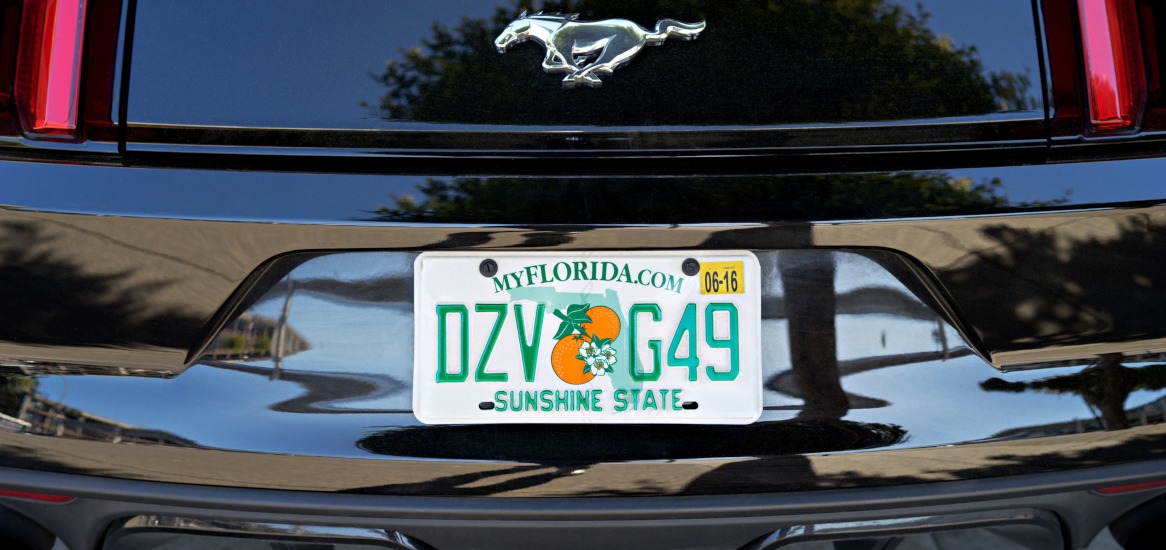
Upon successful completion of the process and payment of all fees, you will receive your official Florida license plates and registration sticker. The sticker should be affixed to your rear license plate as indicated. Your new title will typically be mailed to you separately within a few weeks.
Special Considerations for New Florida Residents
For those relocating to the Sunshine State, there are additional timelines and requirements to be aware of. Florida law requires new residents to transfer their out-of-state driver’s license and vehicle registration within a specific period.
Driver’s License Transfer
As mentioned earlier, new residents must obtain a Florida driver’s license within 30 days of establishing residency. This typically involves surrendering your out-of-state license, passing a vision test, and providing proof of identity, Social Security number, and two Florida residency documents.
Transferring Out-of-State Registration
You have 10 days from the date you establish residency to register your vehicle in Florida if you are bringing a vehicle with you. This involves following the same registration procedures as outlined above, including the VIN verification for out-of-state vehicles. You will need to surrender your out-of-state title and registration to receive a new Florida title.
Maintaining Your Vehicle Registration
Registration is not a one-time event. It requires annual renewal to keep your vehicle legally on the road.
Annual Renewal
Florida vehicle registrations are valid for one year and typically expire on your birthday. You will receive a renewal notice from the FLHSMV approximately 60 days before your expiration date. Renewals can be completed online, by mail, or in person at a county tax collector’s office or a private tag agency.

Required Documents for Renewal
For renewal, you will generally need your current registration certificate or renewal notice, proof of updated insurance, and payment for the renewal fees. If your vehicle is subject to inspection requirements (though rare for standard passenger vehicles in Florida), you would need to provide proof of that as well.
By preparing thoroughly and understanding the requirements, registering your car in Florida can be a straightforward process. This allows you to fully enjoy your new home and all the adventures it has to offer, from exploring the historical sites in St. Augustine to the theme parks in Orlando, without the worry of non-compliance.
LifeOutOfTheBox is a participant in the Amazon Services LLC Associates Program, an affiliate advertising program designed to provide a means for sites to earn advertising fees by advertising and linking to Amazon.com. Amazon, the Amazon logo, AmazonSupply, and the AmazonSupply logo are trademarks of Amazon.com, Inc. or its affiliates. As an Amazon Associate we earn affiliate commissions from qualifying purchases.