
Navigating the financial landscape of any travel destination can sometimes feel like deciphering a secret code. For those planning a trip to the Silver State, understanding Nevada sales tax is an essential part of budgeting for your adventure, whether you’re planning a lavish stay at a Las Vegas resort or a quiet exploration of the Hoover Dam. This tax is a ubiquitous aspect of commerce within Nevada, impacting everything from your hotel room to the souvenirs you pick up.
Sales tax in Nevada is a percentage added to the purchase price of most tangible personal property and certain services. It’s a crucial source of revenue for the state and its local governments, funding essential public services that contribute to the vibrant experiences travelers seek. From the glittering lights of Las Vegas to the natural splendor of Lake Tahoe, these funds help maintain infrastructure, support education, and enhance the very attractions that draw millions of visitors each year. While the concept is straightforward – a tax on goods and services – the specifics can vary, making it important for travelers to be informed.
The Mechanics of Nevada Sales Tax
At its core, Nevada sales tax is an ad valorem tax, meaning it’s based on the value of the transaction. When you purchase an item or a service subject to sales tax, the seller collects the tax from you at the point of sale and then remits it to the state. This system is designed to be relatively simple for consumers, as the tax is typically added directly to the displayed price, making the final cost clear at checkout. However, the rate at which this tax is applied is where things can get a bit nuanced, as it’s not a single, uniform rate across the entire state.
Understanding the Tax Structure: State vs. Local Rates
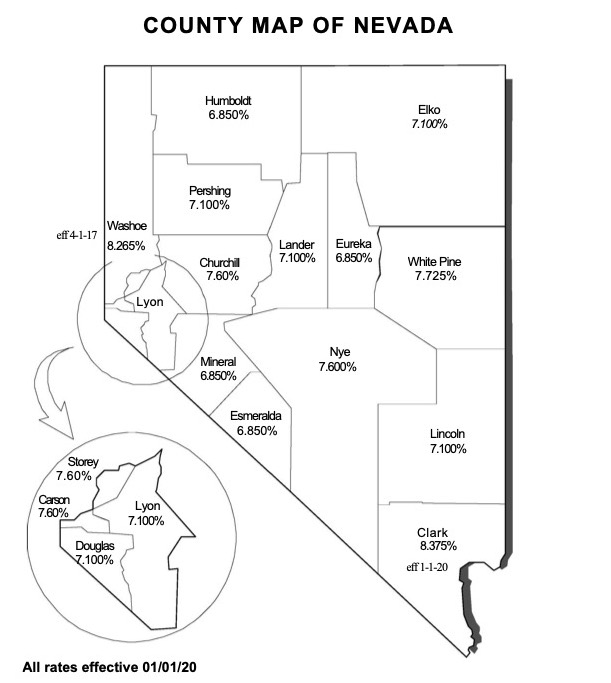
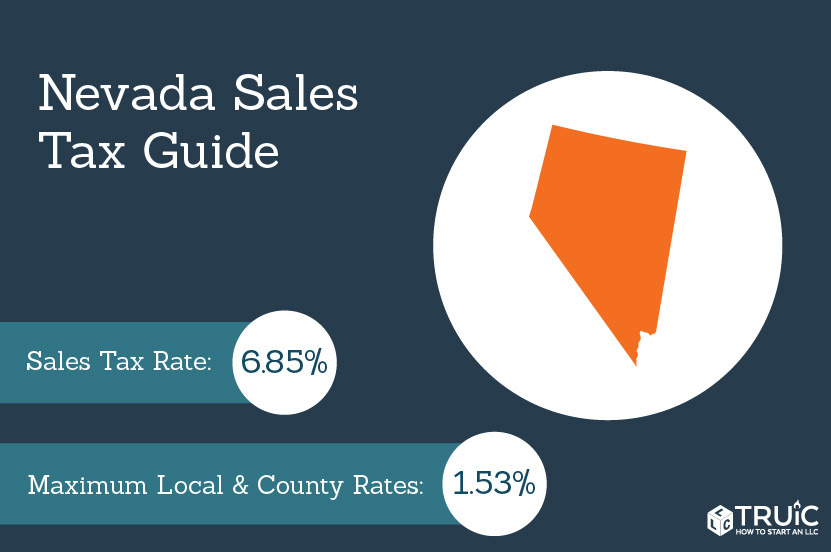
The sales tax in Nevada is composed of two primary components: the state sales tax rate and local sales tax rates. The state sales tax is a base rate that applies statewide to most taxable goods and services. However, counties and cities within Nevada have the authority to impose their own local sales taxes. These local taxes are added on top of the state rate, resulting in a combined sales tax rate that can vary significantly from one jurisdiction to another.
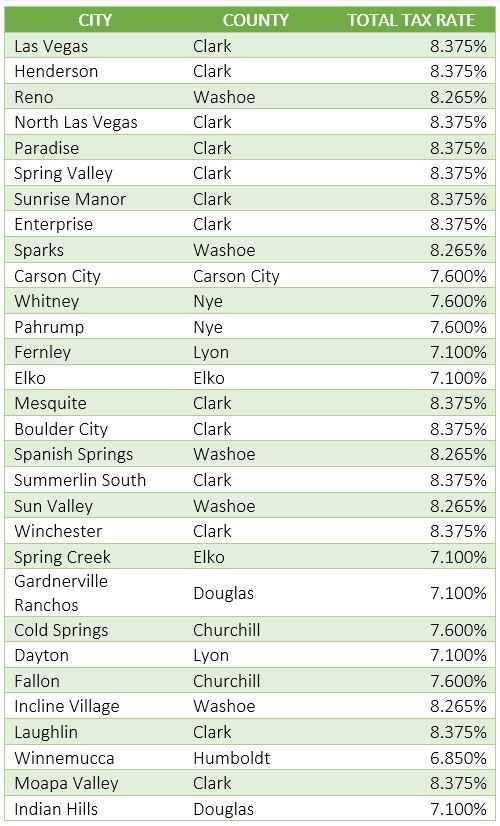
This tiered structure means that a purchase made in Clark County, for instance, might have a different total sales tax than the exact same purchase made in Washoe County. The specific combination of state and local rates is determined by the location where the sale occurs, or in the case of some services, where the service is rendered or the benefit is received. This is why, when you’re checking into a hotel in Reno or dining at a restaurant in Henderson, the final bill will reflect the prevailing tax rate for that particular municipality.
For travelers, this distinction is important for accurate budgeting. While national chains might advertise prices, the final amount due will always include the applicable sales tax. Understanding that rates differ can prevent unexpected surcharges and allow for more precise financial planning. For instance, a weekend getaway to Lake Tahoe on the Nevada side will have its own set of tax rates, distinct from those in nearby California, which can be a significant factor for those comparing destinations. The goal of this dual-rate system is to provide a flexible revenue stream for local governments, allowing them to address specific community needs and fund local projects, from maintaining parks in Carson City to improving public transportation in Las Vegas.
Where You’ll Encounter Nevada Sales Tax
The applicability of Nevada sales tax is broad, touching upon many aspects of a traveler’s experience. From the fundamental costs of your accommodation to the discretionary spending on dining and entertainment, the tax is an ever-present factor. It’s important to note that not all goods and services are taxed at the same rate, and some are exempt altogether. However, for the vast majority of transactions a tourist will engage in, sales tax will be a component of the final price.
Taxable Goods and Services for Tourists
As a tourist in Nevada, you will primarily encounter sales tax on the purchase of tangible personal property. This includes everything from clothing and electronics bought in the shops along the Las Vegas Strip to the snacks you grab at a convenience store in Boulder City. Souvenirs, mementos, and any other physical items intended for personal use are typically subject to sales tax.
Beyond physical goods, many services are also taxable. When you book a hotel room at a resort in Reno or an apartment for a longer stay in Henderson, the room rate itself is generally subject to sales tax. This applies to most forms of transient lodging, including hotels, motels, and short-term rentals. The cost of dining out at restaurants, whether it’s a casual meal in Downtown Las Vegas or a fine dining experience, also includes sales tax on the food and beverages consumed.
Furthermore, entertainment and recreational activities are often taxed. Tickets to shows, concerts, sporting events, and even admission to attractions like theme parks or museums will have sales tax added to their price. If you rent a car from an agency at McCarran International Airport in Las Vegas, the rental fee will be subject to sales tax. Even services like car washes or repair services for personal property fall under the umbrella of taxable transactions. The general rule of thumb is that if you’re buying a physical item or paying for a service that provides a tangible benefit or experience, it’s likely to be subject to Nevada sales tax unless specifically exempted. This broad application ensures that the state and its localities can fund the vast array of services that make Nevada a desirable destination for diverse lifestyles, from budget travelers to those seeking luxury experiences.
Common Exemptions and Considerations
While Nevada sales tax is widespread, there are certain exemptions that travelers should be aware of to avoid confusion and ensure accurate budgeting. Understanding these exemptions can sometimes lead to cost savings or prevent overestimation of expenses.
One of the most significant areas of exemption pertains to certain necessities and basic food items. Unlike many other states, Nevada does not tax most basic groceries purchased for consumption off-premises. This means that your weekly shop at a supermarket in Sparks for staple foods will likely not incur sales tax. However, prepared foods intended for immediate consumption, such as meals from a restaurant or deli, are generally taxable.
Another crucial exemption often relevant to longer-term visitors or business stays involves certain types of accommodation. While transient lodging, like hotel rooms for short stays, is typically taxed, longer-term rentals of apartments or homes may be exempt from sales tax depending on the duration of the stay and local regulations. It is always advisable to clarify this with the accommodation provider when booking for extended periods.
Services provided to businesses for resale or incorporation into a final product are often exempt from sales tax, though this is less relevant to the typical tourist. However, for those engaging in unique transactions, such as purchasing a vehicle in Nevada for use elsewhere, specific rules and potential exemptions related to out-of-state delivery or use might apply. It’s also worth noting that intangible property, such as software licenses that don’t come with a physical medium or services that are purely intellectual, may not be subject to sales tax. The state of Nevada, like most jurisdictions, has complex regulations governing these areas, and it’s always prudent to consult the official Nevada Department of Taxation or seek professional advice for highly specific or unusual transactions. For the average traveler planning a trip to experience the wonders of Nevada, from the natural beauty of Valley of Fire State Park to the entertainment hubs of Las Vegas, focusing on the taxable nature of goods, services, and transient lodging will cover the vast majority of their sales tax encounters. The goal of these exemptions is often to alleviate the tax burden on essential items and to support specific economic activities, ensuring that the tax system remains fair and functional for all.
LifeOutOfTheBox is a participant in the Amazon Services LLC Associates Program, an affiliate advertising program designed to provide a means for sites to earn advertising fees by advertising and linking to Amazon.com. Amazon, the Amazon logo, AmazonSupply, and the AmazonSupply logo are trademarks of Amazon.com, Inc. or its affiliates. As an Amazon Associate we earn affiliate commissions from qualifying purchases.