
New York City – a name that conjures images of towering skyscrapers, bustling avenues, iconic landmarks, and a vibrant cultural tapestry unlike any other. Often referred to as the “Capital of the World,” this metropolis is a magnet for dreamers, innovators, and travelers from every corner of the globe. But what truly defines the sheer scale and dynamic energy of New York City? The answer lies, fundamentally, in its population. It’s the millions of individuals who call this city home, their diverse backgrounds, dreams, and daily lives, that collectively weave the intricate fabric of urban experience that enthralls visitors and residents alike. Understanding New York City’s population is not merely about reciting numbers; it’s about grasping the immense human engine that powers its legendary lifestyle, shapes its unique tourism offerings, and dictates the rhythm of daily life from its famous hotels to its hidden culinary gems.
The population of a city like New York City is more than just a statistic; it’s the very heartbeat that gives the city its pulsating energy, its unparalleled diversity, and its endless possibilities for exploration and discovery. For anyone planning a visit, understanding the demographic landscape offers invaluable insight into everything from the availability and cost of accommodation to the cultural experiences on offer, the crowdedness of attractions, and the sheer variety of food and entertainment options. It’s a city perpetually in motion, driven by the collective will and aspirations of its inhabitants, making it an essential topic for anyone seeking to truly comprehend its allure.

The Numbers Game: A Glimpse into New York’s Demographics
To truly appreciate the magnitude of New York City, one must start with the raw figures. These numbers tell a story of immense scale, unparalleled density, and continuous evolution. They are the foundation upon which the city’s identity as a global hub is built, impacting everything from urban planning and infrastructure to the very feel of navigating its lively streets.
Decoding the Latest Figures
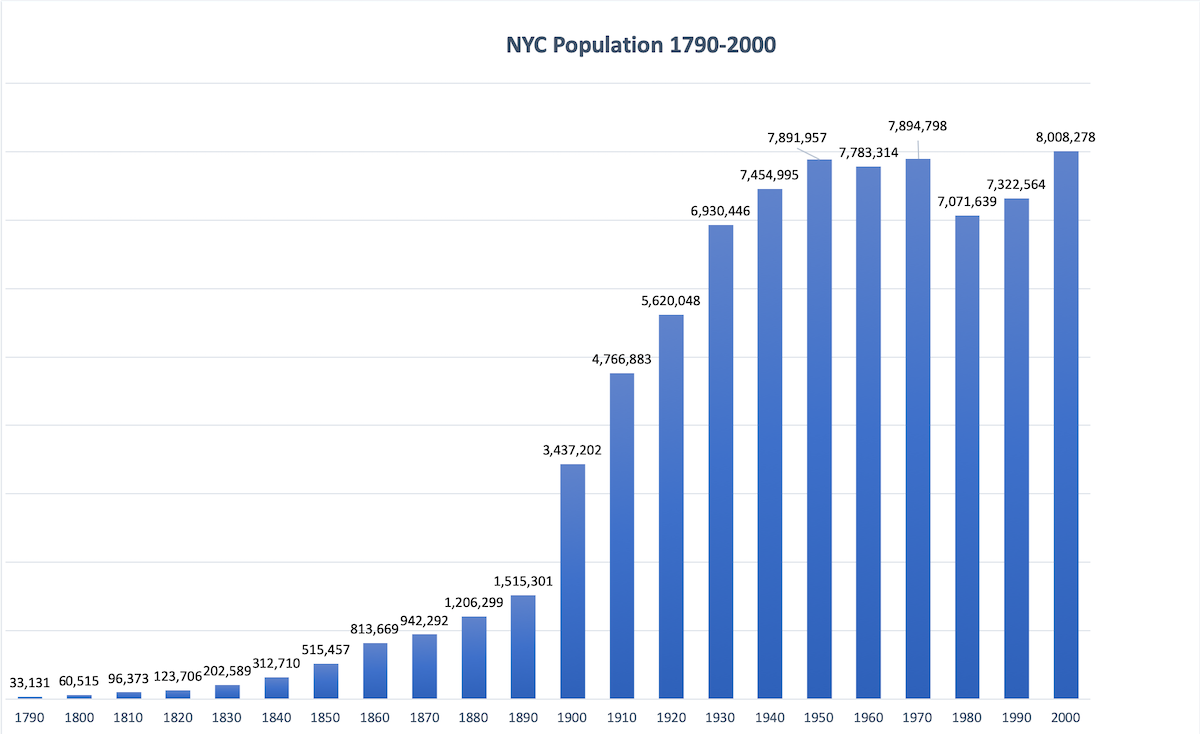
As of recent estimates, the population of New York City hovers around 8.3 to 8.5 million residents. This makes it by far the most populous city in the United States, standing as a beacon of urban concentration. To put this into perspective, its population alone is greater than that of many entire United States states. This impressive figure represents not just the number of people living within its five boroughs – Manhattan, Brooklyn, Queens, The Bronx, and Staten Island – but also the incredible density with which they coexist.
Zooming out, New York State as a whole has a population of approximately 19.5 million. This means that nearly half of the entire state’s population resides within the boundaries of New York City, underscoring its pivotal role as the economic, cultural, and demographic engine of the region. The city’s population growth has been a testament to its enduring appeal, attracting people seeking opportunities, cultural immersion, and a unique lifestyle that only a global metropolis can offer. This continuous influx fuels the demand for everything from new apartments and luxury hotels to diverse dining experiences and innovative startups, making the city a dynamic ecosystem where supply and demand are constantly evolving.

A History of Growth and Resilience
The story of New York City’s population is a saga of relentless growth, driven largely by waves of immigration and a robust economy. From its early colonial days, the city has been a gateway for newcomers to the United States. The 19th and early 20th centuries saw massive influxes of immigrants from Europe, who arrived seeking freedom and opportunity, forever changing the demographic landscape. These arrivals settled in distinct neighborhoods, creating the vibrant cultural enclaves that still define much of the city today, from the historical communities of Little Italy and Chinatown in Manhattan to the diverse communities throughout Queens and Brooklyn.
Each wave of immigration has contributed to the city’s genetic makeup, adding new languages, traditions, cuisines, and perspectives. This historical trajectory of growth and resilience, through economic booms, recessions, and even crises, highlights the city’s incredible ability to adapt and reinvent itself, always emerging stronger and more diverse. This historical context is crucial for travelers, as it explains the incredible mosaic of cultures, the rich architectural styles, and the profound historical depth embedded within the modern cityscape, offering endless avenues for exploration and learning about the human story.
More Than Just Numbers: Diversity, Density, and Dynamic Lifestyles
While the sheer population figures are impressive, it’s the qualitative aspects of New York City’s inhabitants – their diversity and the density in which they live – that truly shape its character and offer a unique experience for both residents and visitors. This combination creates an environment of constant motion, cultural fusion, and an unparalleled array of lifestyle choices.
The Melting Pot: A Tapestry of Cultures
New York City is arguably the most diverse city in the world. It’s a place where over 800 languages are spoken, where one can literally travel the globe without ever leaving the five boroughs. This incredible cultural tapestry is not just a demographic fact; it’s the very soul of the city’s tourism appeal. The diversity translates into an extraordinary range of experiences:
- Culinary Adventures: From Michelin-starred restaurants to humble food trucks, the city offers an endless gastronomic journey, reflecting the cuisines of virtually every nation. A walk through Queens, for instance, can take you from authentic Thai to Greek to South American food, all within a few blocks.
- Arts and Entertainment: This vibrant mix fuels the city’s renowned arts scene. Beyond Broadway’s dazzling lights, there are countless off-Broadway theaters, independent art galleries in neighborhoods like SoHo and Greenwich Village, live music venues spanning every genre, and cultural festivals celebrating traditions from around the world.
- Neighborhoods as Microcosms: Each borough and neighborhood has its distinct flavor. Manhattan’s Financial District buzzes with corporate energy, while Harlem resonates with rich African American history and culture. Brooklyn offers hipster cafes and historic brownstones, and The Bronx showcases a vibrant Latin American heritage. Exploring these distinct areas is akin to visiting many different cities rolled into one, making each travel experience unique and deeply enriching.
This constant cross-pollination of cultures is what keeps New York City dynamic, innovative, and endlessly fascinating for travelers seeking authentic cultural immersion and experiences beyond the typical tourist traps.
Living in Close Quarters: The Urban Experience
With over 8 million people packed into an area of just over 300 square miles, New York City is one of the densest major cities globally. This density isn’t a drawback; it’s a defining feature that contributes significantly to the city’s unique lifestyle and travel experience.
- Energy and Pace: The high density creates an unparalleled sense of energy. The streets are always alive, people are always moving, and there’s a palpable hum that permeates the entire city. This fast-paced, go-getter attitude is infectious and contributes to the “only in New York City” feeling.
- Walkability and Public Transport: Despite its size, New York City is incredibly walkable, especially Manhattan. The density ensures that amenities, attractions, and public transport hubs are always within reach. The iconic subway system is a testament to this, efficiently moving millions of people daily, connecting every corner of the metropolis and offering visitors an authentic local experience.
- A Constant Human Spectacle: For many, simply observing the flow of humanity is an attraction in itself. Whether you’re people-watching in Central Park, navigating the throngs in Times Square, or riding a crowded subway car, you’re constantly immersed in the city’s living, breathing population. This interaction, even if indirect, is a key part of the New York City experience, providing endless stories and unexpected encounters.
This high-density living impacts everything from the architecture of its buildings, pushing them ever higher, to the design of its public spaces, maximizing every inch. It cultivates a distinct urban lifestyle that is both challenging and exhilarating, offering a unique perspective on modern metropolitan living.
Population’s Pulse: Shaping New York’s Travel Landscape
The sheer volume and diversity of New York City’s population are not incidental to its status as a premier global travel destination; they are, in fact, foundational. Every aspect of the visitor experience, from the landmarks you see to the food you eat and the hotels you choose, is a direct reflection of the millions who call this dynamic city home.
From Local Eateries to Global Landmarks: Catering to Millions
The population base of New York City drives an extraordinary demand for goods, services, and entertainment, resulting in an unmatched selection for tourists.
- Iconic Landmarks and Attractions: Many of New York City’s most famous landmarks, like the Empire State Building, Statue of Liberty, and Rockefeller Center, exist not only due to grand visions but also because a massive population required them for commerce, culture, or national identity. Today, these historical structures are major drawcards for tourists, offering a glimpse into the city’s past and present. The constant flow of people ensures their maintenance and continued relevance.
- World-Class Museums and Galleries: The city boasts some of the finest cultural institutions on the planet, including the Metropolitan Museum of Art, the Museum of Modern Art, and the American Museum of Natural History. These institutions thrive because they have a massive local audience, a deep philanthropic base, and a constant stream of international visitors, all sustained by the vibrant population.
- Culinary Diversity Unparalleled: As mentioned, the incredible diversity of the population translates directly into a culinary scene that is virtually unmatched anywhere else. From high-end dining experiences to casual street food, the options are endless. For tourists, this means that every meal can be an adventure, a chance to explore different cultures through their food, providing an authentic taste of New York City’s global identity.
- Shopping and Entertainment Districts: Areas like Times Square, Fifth Avenue, and the theater district around Broadway are vibrant hubs precisely because they cater to millions of residents and visitors alike. The energy generated by this constant flow of people creates an electric atmosphere that is a core part of the New York City experience. Even newer developments like Hudson Yards and the elevated High Line park are designed to accommodate and serve this dense, active populace.
Navigating Accommodation: Options for Every Traveler
The sheer size of New York City’s population, combined with its status as a top tourist destination, significantly impacts the accommodation landscape.
- A Plethora of Hotels: To house millions of residents and tens of millions of annual visitors, the city offers an astounding array of hotels. From ultra-luxury establishments like The Plaza Hotel and Waldorf Astoria to boutique hotels in neighborhoods like Greenwich Village and more budget-friendly options further afield, there’s truly something for every preference and price point. However, high demand, driven by both business travelers and tourists, often leads to higher prices, especially in peak seasons.
- Apartment and Short-Term Rentals: Beyond traditional hotels, the residential population also supports a robust market for short-term apartment rentals, offering a more localized experience for those seeking to live like a local. This accommodation type is especially popular for families, long-term stays, or those interested in experiencing the unique residential vibes of different neighborhoods.
- Strategic Location and Connectivity: Many hotels and accommodation options are strategically located near major transportation hubs, iconic landmarks, or business centers, catering to the diverse needs of the populace, whether they are commuters from New Jersey or tourists arriving at John F. Kennedy International Airport, LaGuardia Airport, or Newark Liberty International Airport. This focus on connectivity is a direct result of the city’s dense population and the need for efficient movement.
For travelers, understanding the competitive nature of New York City’s accommodation market, influenced by its massive population, is key to successful booking and finding the perfect place to stay. Researching different neighborhoods, comparing amenities, and booking in advance are essential tips for securing the ideal temporary home in this bustling metropolis.
The Future of a Metropolis: Trends and Projections
New York City is not static; it is a constantly evolving entity. Its population trends and future projections are critical not only for urban planners but also for anyone invested in the city’s long-term appeal as a place to live, work, and visit.
Sustaining Growth and Enhancing Liveability
While population growth has been a defining characteristic of New York City’s history, the future presents both opportunities and challenges. Projections suggest continued, albeit perhaps slower, growth, leading to a population potentially exceeding 9 million in the coming decades. This growth necessitates continuous investment in infrastructure, public services, and sustainable development.
- Infrastructure Development: To accommodate more residents and visitors, the city is constantly upgrading its transit systems, expanding its parks like Central Park, and developing new neighborhoods. Projects focused on climate resilience, improved public spaces, and enhanced connectivity, such as the redevelopment of the World Trade Center complex and the creation of the September 11 Memorial & Museum, are vital.
- Urban Planning Initiatives: Efforts are underway to ensure liveability for all residents, addressing issues like affordable housing, green spaces, and accessible public services. This focus on improving the quality of life for its populous base ultimately benefits tourists, too, through cleaner streets, more vibrant public areas, and a more pleasant overall environment. The ongoing development in areas like Long Island City and Dumbo reflects this push for expansion and modernization.
- Evolving Lifestyle Trends: As the population evolves, so do its lifestyle preferences. There’s a growing emphasis on health and wellness, sustainable practices, and community engagement. This translates into new types of businesses, leisure activities, and accommodation offerings that cater to these changing demands, influencing the broader lifestyle scene that visitors can engage with.
The future of New York City’s population is a story of adaptation, innovation, and an unwavering commitment to maintaining its status as a global leader. For travelers, this means a city that is always reinventing itself, offering new experiences with each visit, and continually enhancing its reputation as a world-class destination.
In conclusion, New York City’s population is far more than a simple headcount. It is the very essence of its being, the driving force behind its iconic landmarks, its diverse cultural fabric, its bustling economy, and its magnetic appeal to millions worldwide. From the numbers that define its scale to the myriad lifestyles that animate its streets, the population of New York City creates an urban experience that is genuinely unparalleled. For those planning to visit, understanding this human element offers a profound appreciation for the vibrant, resilient, and endlessly fascinating metropolis that continues to capture the imaginations of all who step onto its storied sidewalks. Whether you’re seeking luxury travel, budget-friendly adventures, or a deep dive into local culture, the millions of people who call this city home ensure an unforgettable journey.
LifeOutOfTheBox is a participant in the Amazon Services LLC Associates Program, an affiliate advertising program designed to provide a means for sites to earn advertising fees by advertising and linking to Amazon.com. Amazon, the Amazon logo, AmazonSupply, and the AmazonSupply logo are trademarks of Amazon.com, Inc. or its affiliates. As an Amazon Associate we earn affiliate commissions from qualifying purchases.