
For many, the mention of Florida conjures images of sun-drenched beaches, thrilling theme parks, and vibrant cultural experiences. It’s a premier travel destination, drawing millions seeking everything from luxurious resort stays to budget-friendly family adventures. However, when planning a trip to the Sunshine State, understanding its annual hurricane season is paramount for a safe and enjoyable journey. This comprehensive guide will delve into the specifics of Florida’s hurricane season, offering insights into what to expect, how to prepare, and how to still make the most of your visit, aligning with various travel styles and accommodation preferences.
Understanding Florida’s Hurricane Season: The Basics
Florida is uniquely positioned between the Atlantic Ocean and the Gulf of Mexico, making it particularly susceptible to tropical cyclones. These powerful weather systems are a natural, albeit impactful, part of the region’s climate. Knowing when they are most likely to occur is the first step in informed travel planning.
Official Dates and Peak Periods
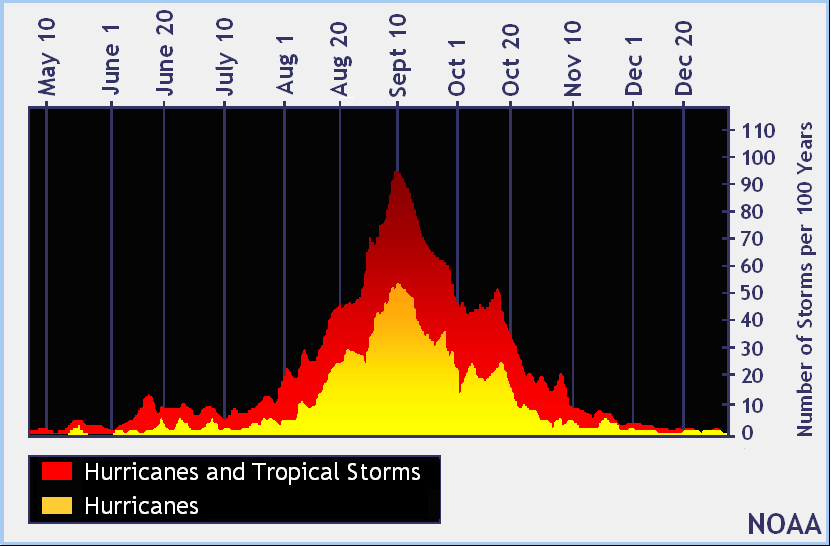
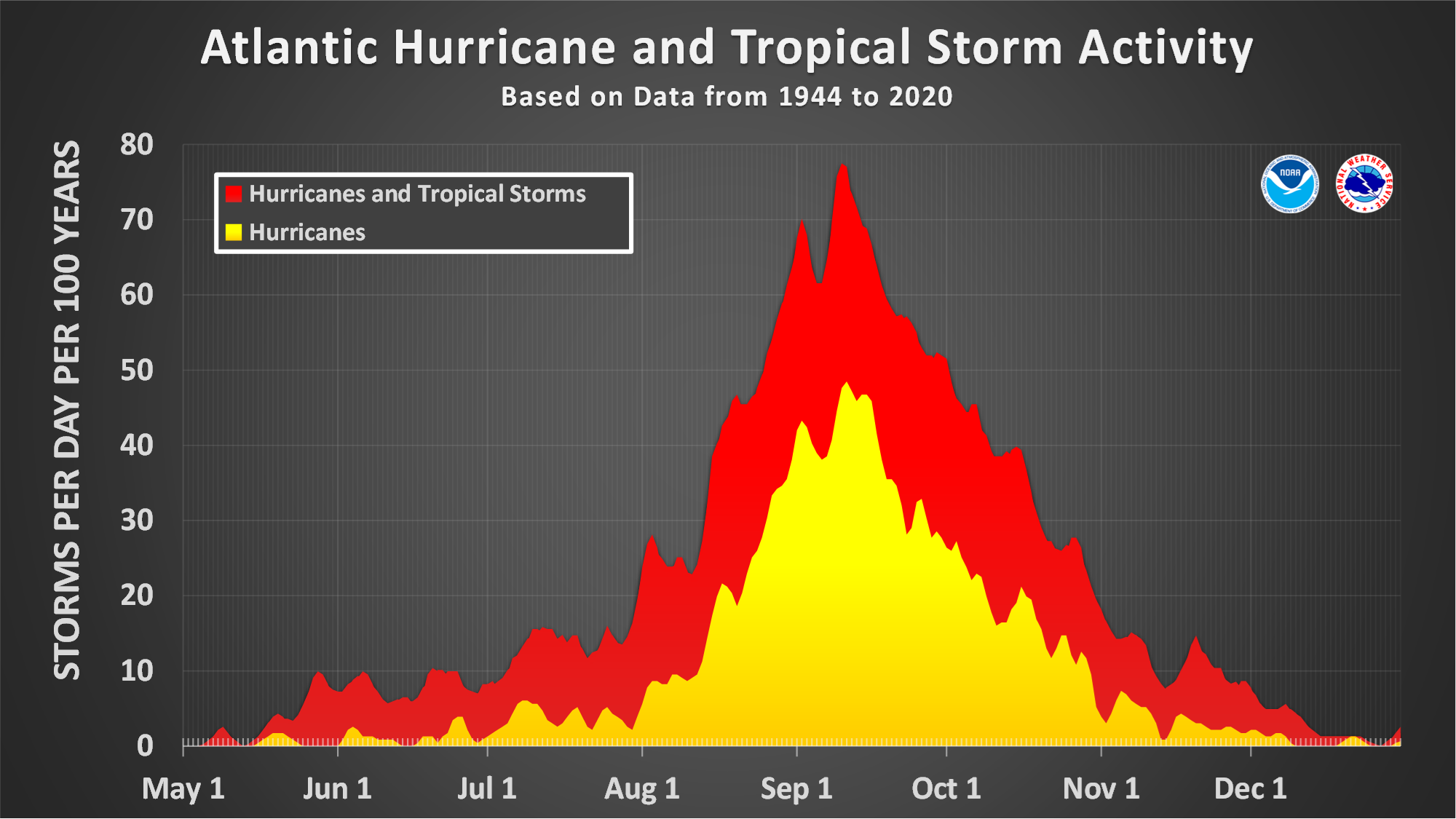
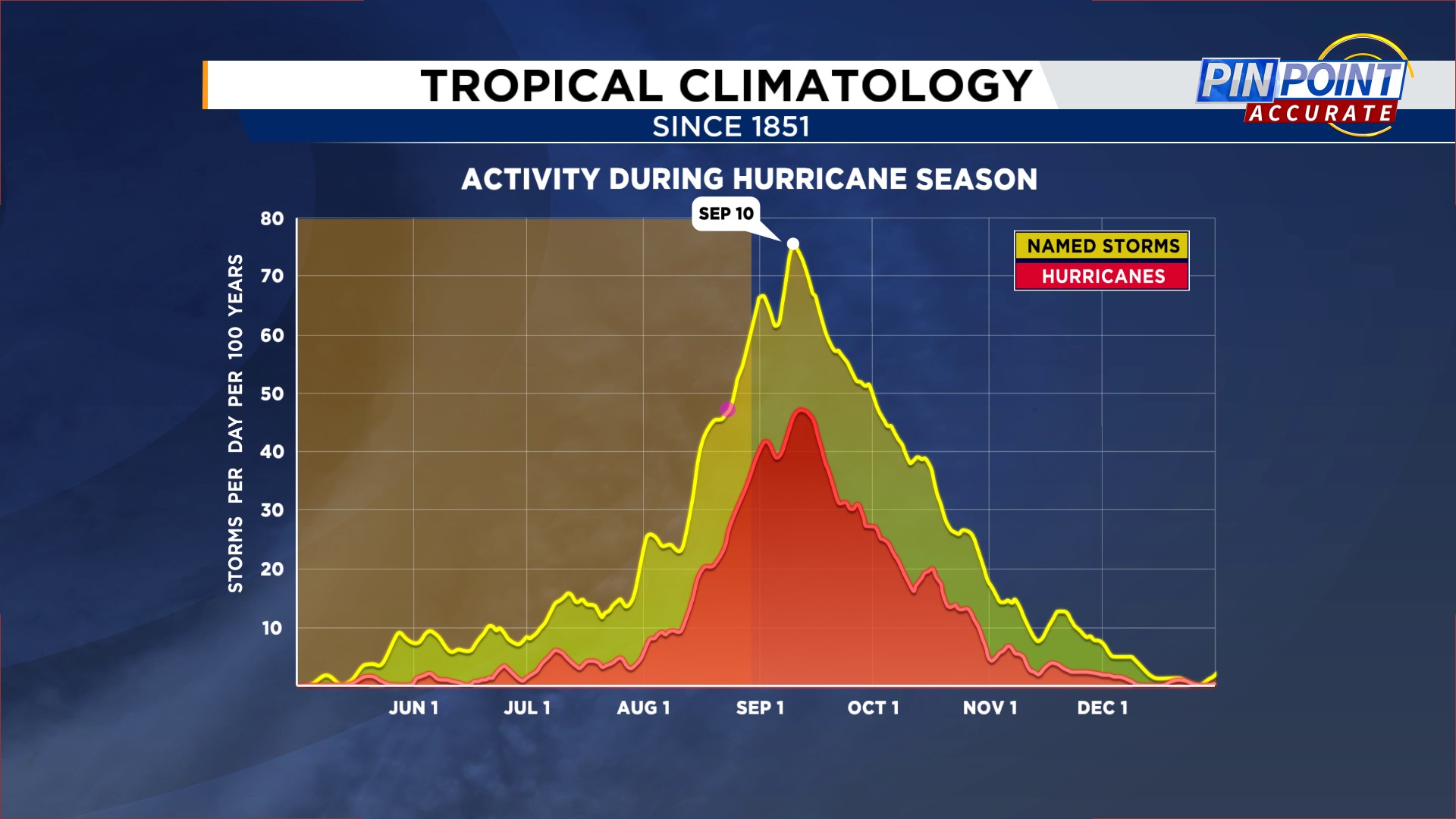
The official hurricane season for the Atlantic Basin, which includes Florida, runs from June 1st to November 30th each year. This six-month window covers the period when ocean temperatures are typically warm enough to support the formation and strengthening of tropical storms and hurricanes.
While the entire season warrants awareness, not all months carry the same risk. The season has a distinct peak, generally occurring from mid-August through late October. Historically, September is the most active month for hurricane development and landfalls in Florida. During this peak period, warm ocean waters extend deep enough to fuel intense storms, and atmospheric conditions often become more favorable for their organization and movement towards coastal areas.
It’s important to note that a hurricane can form at any time within this six-month window, and even outside of it, though such occurrences are rare. For instance, an early season storm in June or July, or a late-season system in November, is not unheard of. Therefore, while the peak months demand heightened vigilance, a general awareness throughout the entire season is a wise approach for any traveler.
Why Florida is Prone to Hurricanes
Florida’s geographical location is the primary reason for its vulnerability. As a peninsula stretching into the warm waters of the Atlantic Ocean and Gulf of Mexico, it acts almost like a magnet for storms developing off the coast of Africa or in the Caribbean Sea. These warm waters provide the essential energy source for hurricanes.
Furthermore, the state’s flat topography offers little to dissipate the energy of a storm once it makes landfall. Coastal communities, particularly those in south Florida like Miami and Key West, and along the Gulf Coast near Tampa and Naples, are particularly susceptible to storm surge, high winds, and heavy rainfall. Even inland cities like Orlando, while protected from storm surge, can experience significant flooding and wind damage from powerful hurricanes. Understanding this inherent risk allows travelers to make more informed decisions and prepare accordingly, ensuring a smoother journey despite the seasonal weather patterns.
Navigating Travel During Hurricane Season
Traveling to Florida during hurricane season isn’t necessarily a bad idea, but it does require a different mindset and a more proactive approach to planning. Many travelers find this period appealing due to certain advantages, but it’s crucial to weigh these against the potential disruptions.
Planning Your Florida Getaway: Pros and Cons
There are distinct advantages to visiting Florida during the hurricane season, particularly outside the peak months.
- Lower Prices: One of the most significant draws is the potential for significant savings. Airfare, hotel rates, and even some attraction tickets tend to be lower during the off-peak tourist season. Destinations like Miami Beach, Orlando, and the Florida Keys often offer attractive deals, making luxury travel more accessible or allowing budget travelers to extend their stays.
- Fewer Crowds: Popular attractions, from the magical gates of Disney World and Universal Studios in Orlando to the pristine sands of South Beach, generally experience fewer visitors. This translates to shorter lines, easier access to reservations, and a more relaxed atmosphere overall, enhancing the travel experience.
- Warm Weather (Mostly): Despite the hurricane risk, the weather outside of storm events is often delightful, characterized by warm temperatures perfect for beach activities, swimming, and exploring outdoor attractions. Afternoon thunderstorms are common but usually brief, offering a refreshing break from the heat.
However, the cons are equally important to consider:
- Risk of Disruption: The most obvious drawback is the potential for a hurricane or tropical storm to impact your travel plans. This could range from minor inconveniences like heavy rain and strong winds to major disruptions such as flight cancellations, forced evacuations, and even the closure of attractions and accommodations.
- Stress and Uncertainty: Monitoring weather forecasts can add a layer of stress to what should be a relaxing vacation. The uncertainty of whether a storm will materialize or impact your chosen destination can detract from the overall enjoyment.
- Limited Activities: In the event of a storm, certain outdoor activities, tours, and even some indoor attractions may be closed or severely limited, potentially impacting your itinerary.
Essential Travel Preparations and Insurance
Traveling during hurricane season necessitates a heightened level of preparation. Smart planning can mitigate risks and ensure a smoother experience, even if a storm approaches.
- Comprehensive Travel Insurance: This is arguably the most crucial investment for any traveler venturing to Florida during hurricane season. Look for policies that specifically cover trip cancellation or interruption due to weather events, including hurricanes and tropical storms. Ensure it covers costs like non-refundable flights, prepaid accommodations, and potentially even evacuation expenses. Carefully read the fine print to understand what is covered and under what conditions. Most policies have a “cut-off” point, meaning you cannot purchase coverage once a storm has been named or is imminent.
- Flexible Bookings: When reserving flights and accommodations, prioritize options with flexible cancellation or rebooking policies. Many airlines and hotels offer waivers during hurricane threats, but it’s best to confirm this directly when booking. This flexibility can be a lifesaver if you need to alter your plans last minute.
- Monitor Weather Forecasts Religiously: Before and during your trip, make it a habit to check reliable weather sources like the National Hurricane Center (NHC) and the National Oceanic and Atmospheric Administration (NOAA). Local news channels and emergency management websites for your specific Florida destination (e.g., Miami-Dade County or Orange County for Orlando) are also invaluable resources for real-time updates and local advisories.
- Pack an Emergency Kit (Just in Case): For peace of mind, consider packing a small, personal emergency kit. This doesn’t mean a full survival bag, but essentials like a portable phone charger, copies of important documents (ID, insurance policies, booking confirmations), any necessary medications, a small first-aid kit, and perhaps some non-perishable snacks and bottled water. While hotels and resorts will have their own plans, having a few personal items can be comforting.
- Stay Informed About Local Emergency Plans: Research your destination’s evacuation routes and emergency shelters. Many hotels and resorts have their own hurricane preparedness plans for guests; familiarize yourself with these upon arrival. Knowing where to go and what to do in a worst-case scenario can significantly reduce anxiety.
Accommodation and Tourism During the Season
The choices you make regarding accommodation and your planned activities can significantly impact your experience during Florida’s hurricane season. Thoughtful selection can help ensure comfort, safety, and continued enjoyment, even with the possibility of inclement weather.
Choosing Your Stay: Hotels, Resorts, and More
Florida offers a vast array of accommodation options, from luxurious five-star resorts to cozy vacation rentals and budget-friendly hotels. When traveling during hurricane season, the key is to prioritize establishments with robust safety protocols and flexible guest policies.
- Hotels and Resorts: Major hotel chains and resorts, especially those in popular tourist hubs like Orlando, Fort Lauderdale, and Palm Beach, typically have well-defined hurricane preparedness plans. These often include emergency power generators, secure interior spaces, communication systems for guests, and staff trained to assist during a storm. Before booking, inquire about their specific hurricane policies, including cancellation waivers, rebooking options, and what services might be available if guests are asked to shelter in place. Many high-end resorts, often catering to luxury travel, may even offer “hurricane guarantees” as part of their package.
- Vacation Rentals (Villas, Apartments): While offering more privacy and space, vacation rentals managed by individual owners or smaller agencies might not have the same level of formalized hurricane planning as large hotels. If opting for a villa or apartment in areas like Sarasota or St. Petersburg, ensure the owner or property manager has a clear emergency plan, including information on shutters, evacuation routes, and points of contact. Always check the rental agreement for storm-related cancellation policies.
- Location Matters: Consider whether your chosen accommodation is in a low-lying coastal area prone to storm surge or more inland. While inland areas like Orlando are still susceptible to wind and rain, they are generally safer from the most destructive coastal impacts. If you plan to stay in a coastal city like Key West or along the Panhandle, ensure your accommodation is built to withstand hurricane-force winds and has a clear evacuation strategy.
Enjoying Florida’s Attractions: What to Expect
Florida’s diverse attractions continue to operate during hurricane season, but visitors should be prepared for potential adjustments based on weather conditions.
- Theme Parks: Orlando’s world-renowned theme parks, including Walt Disney World Resort (with its four main parks: Magic Kingdom, Epcot, Hollywood Studios, and Animal Kingdom) and Universal Orlando Resort (featuring Universal Studios Florida and Islands of Adventure), have sophisticated weather monitoring systems. They rarely close completely unless a direct hurricane threat is imminent. Even then, closures are typically short-lived. They often offer “hurricane guarantees” allowing guests to rebook or cancel without penalty if a hurricane warning is issued for the area. Busch Gardens in Tampa and SeaWorld Orlando operate similarly.
- Beaches and Coastal Activities: Florida’s famous beaches, from Clearwater to Daytona Beach and Jacksonville Beach, are a major draw. During active storm threats, beaches will be closed, and swimming in the ocean will be prohibited due to dangerous rip currents and high surf. However, on clear days, they are as beautiful as ever, often with fewer crowds. Always heed local warnings and lifeguard instructions.
- Nature and Outdoor Parks: Natural landmarks like Everglades National Park and various state parks might have closures or limited access due to flooding or damaged trails. Always check park websites or call ahead for the latest conditions. Activities like airboat tours or kayaking might be canceled due to weather.
- Cultural and Indoor Attractions: Museums, art galleries, aquariums, and historical sites (such as those in St. Augustine) are generally less affected by typical summer weather, though they might close during a direct hurricane threat. These can be excellent options for family trips or those seeking local culture when outdoor activities are temporarily limited.
- Food and Local Culture: Florida’s vibrant food scene and local culture continue year-round. While some smaller, independent restaurants might close temporarily during a storm, larger establishments in cities like Miami or Orlando are often quick to reopen. Exploring local cuisine and markets can be a delightful part of your tourism experience, even during hurricane season, as long as conditions permit.
Staying Safe and Informed
Safety is the paramount concern when traveling during hurricane season. Proactive vigilance and access to reliable information are your best defenses against potential hazards.
Monitoring Weather and Local Resources
Staying constantly informed is crucial. The primary sources of information are governmental weather agencies and local emergency services.
- National Hurricane Center (NHC) and NOAA: These are the official sources for hurricane forecasts, advisories, and warnings for the Atlantic and Caribbean regions. Their websites and mobile apps provide real-time updates on storm development, projected paths, and intensity. Familiarize yourself with hurricane terminology (e.g., tropical depression, tropical storm, hurricane watch, hurricane warning) to understand the severity of any issued advisories.
- Local News and Emergency Management: Once in Florida, tune into local television and radio stations. These outlets provide critical, location-specific information, including local emergency declarations, evacuation orders, shelter locations, and post-storm recovery efforts. Each Florida county has an Emergency Management office, and their websites are excellent resources for local preparedness guides and real-time updates. You can often sign up for text or email alerts from these services.
- Weather Apps and Alerts: Beyond official sources, many reputable weather apps can provide personalized alerts for your specific location, often push notifications when conditions change. Ensure your phone is set up to receive emergency alerts.
Remember, information is power. Do not rely solely on social media or unofficial sources, which can spread misinformation quickly during stressful events.
Emergency Preparedness Tips for Travelers
While your accommodation will have its own emergency plans, a few personal preparedness steps can make a significant difference in your safety and comfort.
- Communication Plan: Discuss with your travel companions how you will communicate if separated or if cell service becomes unreliable. Have a designated out-of-state contact person who everyone can check in with. Write down important phone numbers (hotel, airline, emergency contacts, insurance company) in case your phone dies.
- Follow Evacuation Orders: If an evacuation order is issued for your area, leave immediately and follow designated evacuation routes. Do not wait for conditions to worsen. Local authorities prioritize your safety, and their instructions are critical. Know that contra-flow traffic patterns may be implemented on major highways during large-scale evacuations to speed up the process.
- Emergency Supplies (Mini-Kit): While your hotel will likely provide essentials if you shelter in place, having your own small kit is smart. This includes bottled water, non-perishable snacks, any prescription medications, a first-aid kit, a flashlight with extra batteries, a portable power bank for charging devices, and cash (ATMs may be unavailable during power outages).
- Secure Documents: Keep important travel documents (ID, passport, tickets, insurance details) and any valuable personal items in a waterproof bag that is easily accessible in case you need to move quickly.
- Vehicle Preparedness: If you have a rental car, keep the fuel tank at least half full. Gas stations may be closed or without power before and after a storm. Have a physical map or downloaded offline maps on your phone, as GPS might be unreliable without cell service.
Making the Most of Your Florida Trip
Even with the inherent risks of hurricane season, a trip to Florida during these months can be incredibly rewarding. It’s about smart choices and an adaptable mindset, turning potential challenges into unique opportunities.
Discovering Off-Season Advantages
Beyond the lower prices and fewer crowds, the off-season offers a distinct flavor of Florida that many find appealing.
- Local Experiences: With fewer tourists, you might find it easier to engage with local communities and experience Florida’s authentic culture. From local festivals (always check ahead for storm-related cancellations) to hidden gem restaurants in Tampa or St. Petersburg, the atmosphere can be more laid-back and intimate.
- Enhanced Service: Hotels and attractions, less swamped with visitors, may offer more personalized service, creating a more memorable and comfortable stay.
- Spontaneous Opportunities: The flexibility often associated with off-season travel allows for more spontaneous decisions. You might find last-minute deals on luxury resorts in Naples or unique experiences in the Everglades that wouldn’t be available during peak times.
Lifestyle Choices: Budget to Luxury Travel
Hurricane season can influence travel choices across the spectrum of lifestyles.
- Budget Travel: For those on a tight budget, this season is a prime opportunity. The significant savings on flights and accommodation can allow for longer stays or more varied experiences that would otherwise be out of reach. Budget travelers should prioritize cost-effective travel insurance and flexible bookings even more acutely.
- Luxury Travel: Discerning travelers seeking luxury travel can find exquisite deals at high-end resorts and hotels that might typically be fully booked or prohibitively expensive. Enjoying opulent amenities, spa treatments, and gourmet dining in a less crowded environment can enhance the exclusive feel of a luxury getaway. However, even luxury travelers need to ensure their travel insurance covers their significant investment in case of a storm.
- Family Trips: Families often appreciate the reduced crowds at theme parks and attractions, making it easier to navigate with children. Planning “Plan B” indoor activities (museums, aquariums, indoor play areas) is especially important for family trips to keep everyone entertained during unexpected rain or storm conditions. Many resorts catering to families offer robust kids’ programs and indoor amenities that can be a lifesaver.
- Business Stays: For business travelers, the hurricane season can present a mixed bag. Reduced flight costs might be appealing, but the risk of travel disruptions could impact critical meetings or conferences. Companies often have strict travel policies during hurricane season, requiring detailed contingency plans. It’s crucial for business travelers to stay in close communication with their employers and local contacts regarding any potential weather impacts.
Ultimately, visiting Florida during hurricane season is a calculated decision. With diligent planning, comprehensive insurance, and a commitment to staying informed, you can minimize risks and enjoy all the beauty and excitement the Sunshine State has to offer, from its bustling cities like Miami and Orlando to its serene natural wonders and historic towns like St. Augustine. Embrace the adventure with open eyes and a well-prepared itinerary, and Florida will undoubtedly deliver a memorable experience.
LifeOutOfTheBox is a participant in the Amazon Services LLC Associates Program, an affiliate advertising program designed to provide a means for sites to earn advertising fees by advertising and linking to Amazon.com. Amazon, the Amazon logo, AmazonSupply, and the AmazonSupply logo are trademarks of Amazon.com, Inc. or its affiliates. As an Amazon Associate we earn affiliate commissions from qualifying purchases.