
When exploring the vast, rolling landscapes of the American heartland, few states offer a more profound connection to the natural world than Oklahoma. As travelers traverse the plains, they often seek to understand the symbols that define the identity of the regions they visit. Among these symbols, the official state flower stands as a testament to the resilience, history, and botanical beauty of the Sooner State. The Oklahoma state flower is the Oklahoma Rose, a species that embodies the spirit of the state’s rugged yet vibrant ecosystem.
The Botanical Identity of the Oklahoma Rose
The Oklahoma Rose is more than just a decorative plant; it is a symbol woven into the very fabric of local history. Recognized officially by the state legislature, this specific cultivar represents the intersection of horticulture and cultural pride.
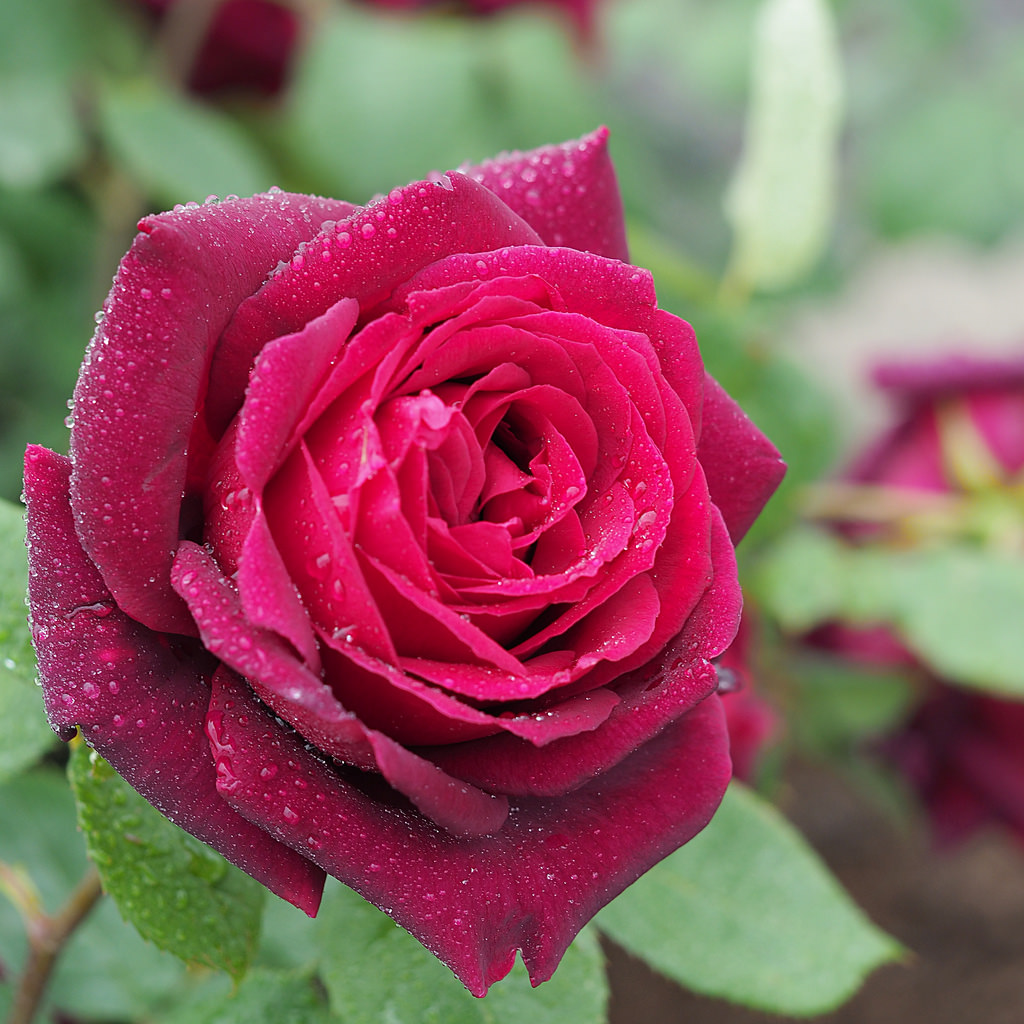
Characteristics of the Bloom
Known scientifically for its deep, velvety crimson petals and an intoxicating, rich fragrance, the Oklahoma Rose is a hybrid tea rose that thrives in the distinct climate of the region. Its ability to withstand the temperature fluctuations typical of Midwestern environments makes it a hardy yet elegant choice for a state emblem. The flower typically blooms in large, high-centered blossoms that stand out against the backdrop of dark, glossy foliage, making it a favorite for public gardens and private landscapes throughout Oklahoma City.
A Symbol of Resilience
The selection of a rose as the state flower speaks to the perseverance of the people who settled the plains. Roses are often viewed as symbols of love and beauty, but in the context of the American frontier, they also represent the ability to cultivate life in challenging soil. The Oklahoma Rose has become a hallmark of the state’s horticultural achievements, often featured in regional botanical displays and celebrated during festivals that highlight the diverse flora of the United States.
Exploring Botanical Landmarks in Oklahoma
For the traveler interested in the flora that defines the region, Oklahoma offers several premier destinations. These locations provide the perfect opportunity to see the state flower and a vast array of other native plants in their most curated and beautiful settings.
The Myriad Botanical Gardens
Located in the heart of the state capital, the Myriad Botanical Gardens serve as a premier urban oasis. Here, visitors can witness meticulously maintained rose gardens that often showcase the official state flower alongside exotic species from around the globe. The garden’s design allows for a serene walk through various micro-climates, making it an essential stop for anyone wanting to appreciate the botanical heritage of the region.

The Tulsa Botanic Garden
Traveling toward Tulsa, the Tulsa Botanic Garden offers an expansive look at regional plant life. Nestled within the rolling hills of the Osage Hills, this location provides a more rugged, naturalized aesthetic compared to urban parks. It is an ideal setting to understand how the Oklahoma Rose fits into a larger ecosystem of native grasses and wildflowers, reflecting the ecological diversity that characterizes the Great Plains.
The Cultural Significance of Floral Symbols
In many states, the selection of an official flower is a nod to local history or a specific natural phenomenon. In the case of Oklahoma, the choice reflects a blend of aesthetic appreciation and the promotion of local floriculture.
Horticultural Heritage
The state’s dedication to its official flower goes beyond mere naming; it represents a commitment to gardening and land stewardship. Across towns like Norman and Stillwater, local garden clubs prioritize the propagation of roses that represent the state’s official identity. This practice keeps the tradition alive and ensures that the Oklahoma Rose remains a visible part of the state’s public squares and residential front yards.
Tourism and Local Identity
Floral tourism is a significant, albeit quiet, pillar of the travel experience in the state. Many visitors find that visiting during the peak bloom months—typically late spring through early summer—offers the most vibrant travel experience. During this time, the landscape transitions from the stark beauty of the prairie to a vibrant tapestry of color. For photographers and nature enthusiasts, mapping a route that includes botanical gardens and state parks provides an intimate look at the visual identity of the region.
Practical Tips for Botanical Travelers
For those planning an excursion to see the Oklahoma Rose and the wider flora of the region, understanding the timing and the geography is essential.
When to Visit
To catch the Oklahoma Rose in full, triumphant bloom, the ideal window is late May through early June. While the state experiences hot summers, the early season provides a brief period where temperatures are mild, allowing the roses to display their deep, saturated colors without the fatigue of the peak summer sun. Travelers should check with local visitor centers in Broken Arrow or Edmond for the most accurate bloom reports for the current year.
Integrating Nature into Your Itinerary
Beyond simply seeking out the flower, travelers should aim to immerse themselves in the surrounding landscapes. Integrating a visit to the Wichita Mountains Wildlife Refuge provides a stark, beautiful contrast to the manicured beauty of a rose garden. Seeing the wild, untamed nature of the state helps one appreciate the intentional care required to cultivate the Oklahoma Rose.
Whether you are a casual tourist or a dedicated botanist, the Oklahoma Rose serves as a wonderful starting point for exploring the broader natural wonders of the state. It is a humble yet striking reminder that beauty can be found in the most unexpected corners of the American landscape, waiting for those who take the time to look. By visiting these botanical landmarks, travelers do more than just view a flower; they engage with the living history and the ongoing pride of the local communities that protect and celebrate their natural heritage. As you navigate the winding roads and wide horizons, keep an eye out for that familiar, deep crimson petal—a true icon of the heartland.
LifeOutOfTheBox is a participant in the Amazon Services LLC Associates Program, an affiliate advertising program designed to provide a means for sites to earn advertising fees by advertising and linking to Amazon.com. Amazon, the Amazon logo, AmazonSupply, and the AmazonSupply logo are trademarks of Amazon.com, Inc. or its affiliates. As an Amazon Associate we earn affiliate commissions from qualifying purchases.