
Planning a trip, a business meeting, or simply coordinating with friends and family across different states can often hinge on a crucial detail: understanding time zones. For those looking towards the heart of the United States, specifically the state of Oklahoma, knowing its time zone is fundamental for seamless travel, tourism, and lifestyle management. Oklahoma falls almost entirely within a single, consistent time zone, making planning generally straightforward once you understand its specifics.
Understanding Oklahoma’s Time Zone: Central Time (CT)
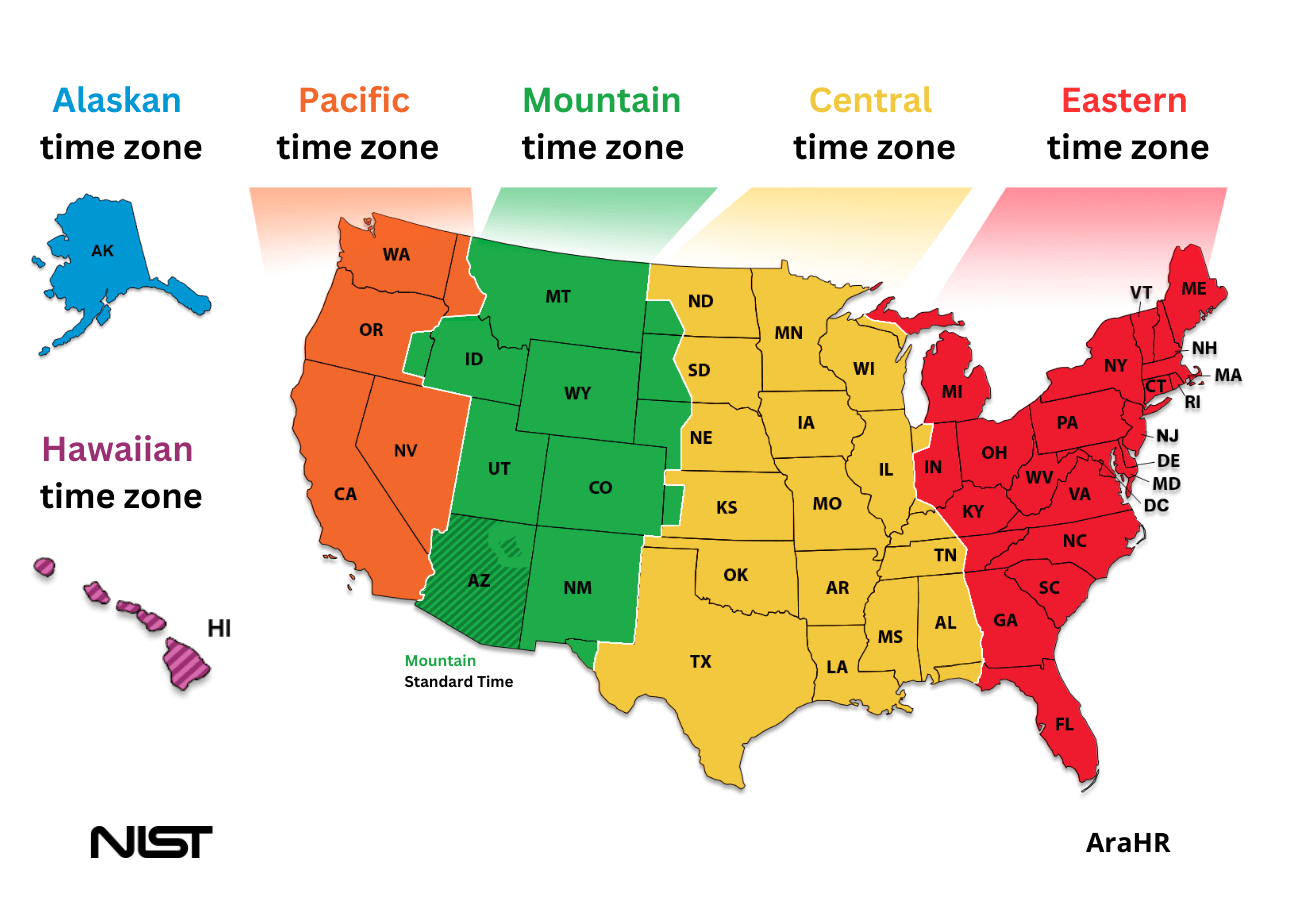
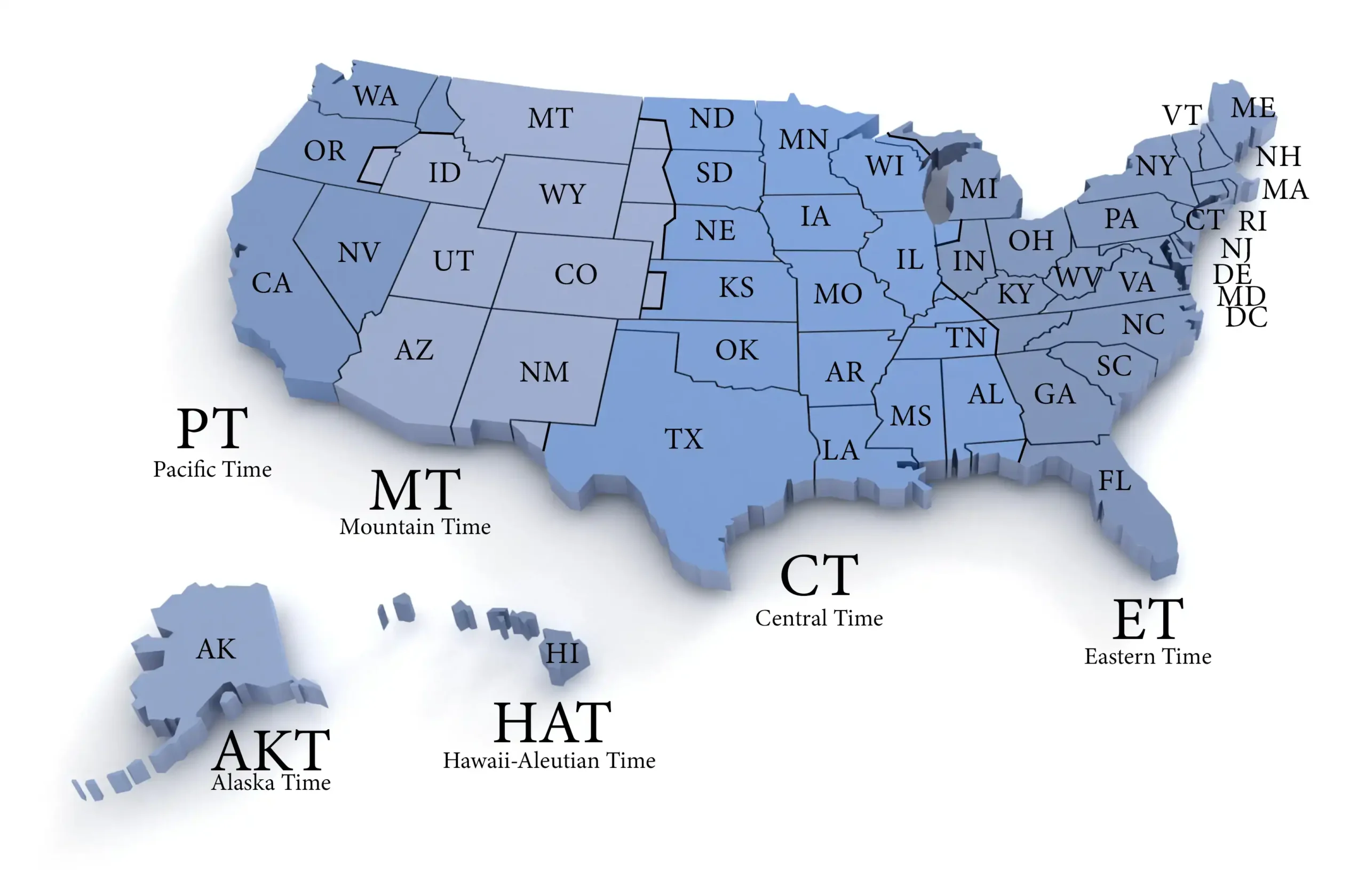
The vast majority of Oklahoma observes the Central Time Zone (CT). This applies to all major cities, including the capital Oklahoma City, as well as Tulsa, Norman, Broken Arrow, Lawton, and Edmond. This simplifies things immensely for travelers and residents alike, as there are no complicated jurisdictional splits or tiny pockets observing different times within the state’s borders.
Central Standard Time (CST) Explained
During the months when Daylight Saving Time is not in effect, Oklahoma adheres to Central Standard Time (CST). CST is set at UTC-6, meaning it is six hours behind Coordinated Universal Time (UTC). This period typically runs from early November to early March. When comparing Oklahoma’s time to other major United States time zones during CST:
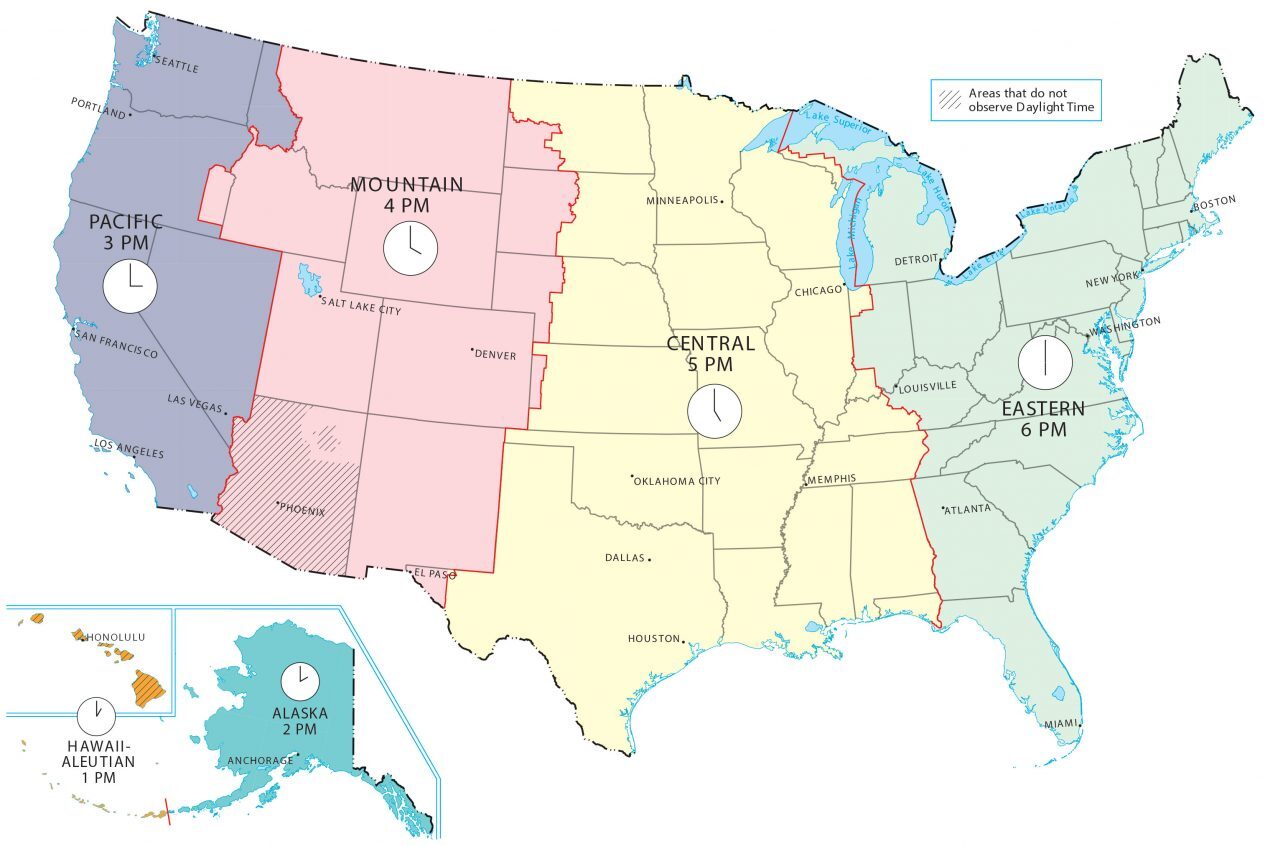
- It is one hour behind the Eastern Time Zone (ET). So, if it’s 10:00 AM in New York City, it’s 9:00 AM in Oklahoma City.
- It is one hour ahead of the Mountain Time Zone (MT). So, if it’s 8:00 AM in Denver, it’s 9:00 AM in Oklahoma City.
- It is two hours ahead of the Pacific Time Zone (PT). If it’s 7:00 AM in Los Angeles, it’s 9:00 AM in Oklahoma City.
- Further west, it’s three hours ahead of the Alaska Time Zone and four hours ahead of the Hawaii Time Zone.
This consistent positioning within the Central Time Zone makes coordinating schedules with adjacent states like Texas, Kansas, Missouri, and Arkansas relatively simple, as most of these also observe Central Time. However, travelers venturing further west into Colorado or New Mexico will need to adjust for the Mountain Time Zone difference.
Daylight Saving Time (DST) in Oklahoma
Like the majority of the United States, Oklahoma observes Daylight Saving Time. This means that on the second Sunday in March, clocks “spring forward” by one hour, shifting from Central Standard Time (CST) to Central Daylight Time (CDT). CDT is UTC-5, effectively placing Oklahoma five hours behind Coordinated Universal Time (UTC). This change occurs at 2:00 AM CST, meaning the time immediately jumps to 3:00 AM CDT.
The change back to Central Standard Time happens on the first Sunday in November, when clocks “fall back” by one hour, reverting from 2:00 AM CDT to 1:00 AM CST. The purpose of Daylight Saving Time is to make better use of daylight, providing more light in the evenings during warmer months. While there have been ongoing debates at the state and federal levels about whether to eliminate DST or make it permanent, as of now, Oklahoma continues to follow this biannual adjustment, adhering to the standard set by the Energy Policy Act of 2005 (though individual states can opt out). For travelers, this means being aware of these two dates to avoid any scheduling mishaps, particularly with flight departures or hotel check-in times during the transition weekends.
Navigating Travel and Tourism in Oklahoma
Understanding Oklahoma’s time zone is more than just a trivial detail; it’s a vital component of successful travel planning, ensuring a smooth and enjoyable experience whether you’re visiting for leisure, business, or family. From booking flights to timing your visits to popular attractions and reserving accommodation, the Central Time Zone dictates the rhythm of your trip.
Planning Your Itinerary: Flights, Check-ins, and Attractions
When booking flights to Oklahoma, all arrival and departure times for major airports like Will Rogers World Airport in Oklahoma City or Tulsa International Airport will be listed in local Central Time. If you’re flying from the East Coast, remember to account for the one-hour difference (or two, if you’re coming from further out like California). This can impact connecting flights, ground transportation bookings, and even the initial collection of your rental car.
Upon arrival, your hotel check-in time will also be in Central Time. If you arrive early, factor in the time zone adjustment when calculating potential waiting times before your room is ready. Similarly, check-out times are local. Many hotels offer late check-out options, which can be particularly useful if your departure flight is later in the day, allowing you to maximize your exploration of Oklahoma without feeling rushed.
Visiting Oklahoma’s many captivating landmarks and attractions requires careful attention to operating hours, which are, of course, presented in local time. During Daylight Saving Time, the longer evenings mean you might have more daylight hours to explore outdoor attractions like Myriad Botanical Gardens or Scissortail Park in Oklahoma City, or The Gathering Place in Tulsa. However, indoor attractions such as the Oklahoma City National Memorial & Museum, the National Cowboy & Western Heritage Museum, or the Philbrook Museum of Art and Gilcrease Museum in Tulsa will typically have fixed closing times regardless of daylight. Always double-check their official websites for the most current hours of operation, especially around holidays or seasonal changes.
Day Trips and Regional Exploration
For those planning to explore beyond Oklahoma’s major cities, understanding its time zone relative to neighboring states becomes particularly relevant. Oklahoma serves as a fantastic base for road trips, being traversed by historic Route 66 and offering easy access to states like Texas, Kansas, Missouri, and Arkansas, all of which largely share the Central Time Zone. This allows for seamless day trip planning without worrying about time changes in the short term.
However, if your adventures take you westward towards the Oklahoma panhandle and into states like Colorado or New Mexico, you’ll cross into the Mountain Time Zone. This means losing an hour when heading west (e.g., if you leave Oklahoma at 9:00 AM CT, you’ll arrive in New Mexico at 8:00 AM MT). When returning to Oklahoma, you’ll gain that hour back. This distinction is crucial for timing appointments, dinner reservations, or even just estimating travel durations accurately to avoid arriving too early or too late.
Exploring natural landmarks like the Wichita Mountains Wildlife Refuge, the Talimena Scenic Drive, or state parks such as Beavers Bend State Park and Robbers Cave State Park is also influenced by the time of year and Daylight Saving Time. During CDT (summer months), you’ll have more evening daylight for hiking, fishing, or simply enjoying the sunset, enhancing your outdoor experiences. Conversely, during CST (winter), daylight hours are shorter, requiring earlier starts for activities and more careful planning to ensure you’re off trails or out of parks before dusk.
Oklahoma Time and the Visitor Experience
Beyond the pure logistics of travel, the local time zone significantly shapes the overall visitor experience in Oklahoma, influencing everything from dining schedules to entertainment options and even the flow of business interactions.
Hotels, Dining, and Entertainment
When selecting accommodation in Oklahoma, whether it’s a luxury resort like the Quartz Mountain Resort Arts & Conference Center, a historic gem like the Skirvin Hilton Oklahoma City, or a boutique stay such as the Ambassador Hotel Tulsa, Autograph Collection, all services operate on local Central Time. This means wake-up calls, room service, spa appointments, and pool hours will align with CST or CDT as applicable. For long-term stays or those seeking specific amenities, understanding this local rhythm helps you integrate seamlessly into the hotel’s offerings.
Dining experiences are also inherently tied to local time. Most restaurants in Oklahoma City’s Bricktown Entertainment District or Tulsa’s Tulsa Arts District will have lunch hours typically from 11:00 AM to 2:00 PM and dinner service starting around 5:00 PM or 6:00 PM local time. If you’re arriving from a distant time zone, particularly the Pacific Time Zone, your internal clock might be telling you it’s too early or too late to eat, making early reservations a good strategy to align with your body’s rhythm while still enjoying the local culinary scene.
Oklahoma’s vibrant entertainment scene, from live music venues to theaters and sporting events for teams like those from the University of Oklahoma, also adheres strictly to Central Time. Concerts will start at the advertised local time, and if you’re attending a game, kick-off or tip-off times are always local. Be mindful of this when purchasing tickets or planning your evening activities, especially if you’re susceptible to jet lag or still adjusting your internal clock.
Business Travel and Communication
For business travelers, the Central Time Zone is a critical factor. Scheduling meetings, conference calls, and presentations requires precise synchronization, particularly when collaborating with colleagues or clients in different time zones. If your headquarters are on the East Coast, a 9:00 AM meeting there translates to an 8:00 AM start in Oklahoma – an important consideration for early risers (or non-early risers!). Conversely, a late afternoon meeting in Oklahoma might push into the evening for those in the Eastern Time Zone or be comfortably mid-day for those in the Mountain Time Zone.
Beyond meetings, simple communication can be affected. Emails sent at the end of a workday in Oklahoma will arrive well into the evening for East Coast recipients. Similarly, phone calls placed too early from the Pacific Time Zone could inadvertently wake up a colleague in Oklahoma. Awareness of the time difference is a sign of professionalism and helps maintain smooth business operations. Many modern communication tools automatically adjust for time zones, but a quick manual check is always prudent for important engagements.
Practical Tips for Time Zone Management
To make the most of your time in Oklahoma and minimize any time zone-related stress, consider these practical tips:
- Set Your Devices Automatically: Most smartphones and computers automatically adjust to the local time zone when you arrive. Ensure this feature is enabled to avoid confusion.
- Double-Check All Bookings: Confirm flight times, hotel reservations, tour departures, and restaurant bookings, paying close attention to whether the times are local or specified in another time zone.
- Adjust Gradually (If Possible): If you’re coming from a significantly different time zone, try to adjust your sleep schedule by an hour or two each day before your trip.
- Stay Hydrated and Get Rest: Dehydration and lack of sleep can exacerbate the effects of jet lag. Drink plenty of water and prioritize rest upon arrival to acclimate faster.
- Utilize Daylight: Embrace the local daylight hours, especially if you’re arriving during Daylight Saving Time. Exposure to natural light helps reset your body clock.
- Communicate Clearly: When coordinating with others, explicitly state the time zone (e.g., “10:00 AM CST”) to avoid any ambiguity, particularly for those who might not be familiar with Oklahoma’s schedule.
In conclusion, Oklahoma operates on the Central Time Zone, observing both Central Standard Time (UTC-6) and Central Daylight Time (UTC-5) during the spring and summer months. This consistent time zone across the state simplifies travel and activity planning considerably. By understanding these basics and implementing a few practical strategies, visitors can ensure their experience in the Sooner State is as relaxing and productive as possible, allowing them to focus on enjoying the rich culture, diverse landscapes, and warm hospitality that Oklahoma has to offer.
LifeOutOfTheBox is a participant in the Amazon Services LLC Associates Program, an affiliate advertising program designed to provide a means for sites to earn advertising fees by advertising and linking to Amazon.com. Amazon, the Amazon logo, AmazonSupply, and the AmazonSupply logo are trademarks of Amazon.com, Inc. or its affiliates. As an Amazon Associate we earn affiliate commissions from qualifying purchases.