
While the concept of “paid family leave” might conjure images of extended vacations or exotic getaways, in the context of California, it refers to a vital state-mandated benefit designed to support employees during significant life events. This isn’t about booking a flight to Disneyland or securing a luxury villa in Palm Springs. Instead, it’s a program that offers partial wage replacement to eligible workers who need to take time off to care for a seriously ill family member, bond with a new child, or attend to needs arising from a family member’s military deployment. Understanding this benefit is crucial for any resident or visitor considering long-term stays or family-focused experiences within the Golden State, as it can significantly impact their financial stability and ability to navigate personal milestones.
The Pillars of California Paid Family Leave
California’s Paid Family Leave (PFL) program, administered by the Employment Development Department (EDD), is a cornerstone of the state’s social safety net. It operates as an insurance program, funded through employee payroll deductions. This means that when you work in California and contribute to the State Disability Insurance (SDI) fund, you are indirectly contributing to PFL. The program is structured around three primary reasons for taking leave, each with specific eligibility requirements and benefit durations.
Bonding with a New Child
One of the most common uses of PFL is for new parents to bond with their newborn, newly adopted, or newly placed foster child. This period is vital for establishing familial bonds and providing essential care during the early stages of a child’s life.
Eligibility for Bonding Leave
To be eligible for PFL to bond with a new child, you must meet certain work and wage requirements. Generally, you must have paid at least $300 in SDI contributions during your “base period,” which is typically the 12-month period preceding the start of your claim. You also need to have been employed for at least 13 weeks during that base period. The leave can be taken by either parent and must be initiated within one year of the child’s birth or placement. The duration of paid leave for bonding is typically up to eight weeks.
Maximizing Your Bonding Experience
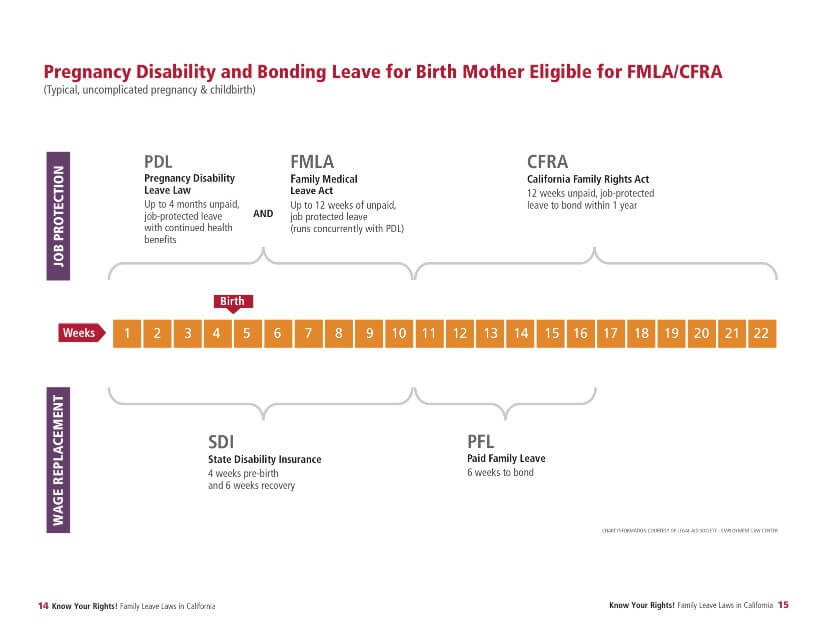
While PFL provides financial support, it’s important to plan this time effectively. For new parents, this might mean coordinating with your partner to ensure uninterrupted care, or considering shorter, intermittent leave periods to manage the demands of a newborn. For those planning a family trip or a more extended stay in California with a new addition, understanding how PFL interacts with other potential benefits or employer policies is key. For instance, while PFL covers wage replacement, it doesn’t guarantee job protection; that’s where the federal Family and Medical Leave Act (FMLA) and California’s Family Rights Act (CFRA) come into play, offering job security for eligible employees.
Caring for a Seriously Ill Family Member
PFL also provides crucial support for individuals who need to take time off to care for a seriously ill child, spouse, registered domestic partner, parent, grandparent, grandchild, sibling, or even a designated person (someone other than a family member, with whom you have a committed relationship and who relies on you for care). This aspect of the program acknowledges the profound importance of family support during times of medical crisis.
Defining “Seriously Ill”
The definition of “serious health condition” under PFL is broad. It encompasses an illness, injury, impairment, or physical or mental condition that involves inpatient care in a hospital, or continuing treatment by a licensed health care provider. This means that conditions ranging from major surgery recovery to chronic illnesses requiring ongoing medical attention can qualify. The individual requiring care must have a condition that prevents them from performing their own job functions or caring for themselves.
Navigating Caregiving Responsibilities
Caring for a seriously ill family member can be emotionally and physically demanding. PFL allows individuals to provide this essential support without the added burden of complete financial strain. For those who might be traveling with family or planning a temporary relocation to California to provide care, understanding the PFL eligibility requirements is paramount. This might involve obtaining medical certification from the ill family member’s doctor, detailing the nature of the condition and the care needed. The duration of paid leave for caregiving can also be up to eight weeks in a 12-month period. This benefit is particularly valuable for those who might otherwise have to choose between their livelihood and the well-being of their loved ones.
Military Family Leave
The third component of PFL addresses the needs of families when a covered family member is called to active duty or is already on active duty. This includes situations where a family member is preparing for deployment, has been notified of an impending deployment, or has returned from deployment and has certain qualifying needs.
Qualifying Military Exigencies
PFL provides benefits for “qualifying exigencies” related to a family member’s military deployment. These exigencies can include attending military-sponsored family support programs, arranging for alternative childcare, addressing financial and legal matters arising from the deployment, attending to certain medical needs of the family member or their children, or other similar activities. The specific conditions and required documentation are outlined by the EDD.
Supporting Our Service Members and Their Families

This aspect of PFL is a testament to California’s commitment to supporting its military families. For individuals who may be planning extended stays in military communities like San Diego or Los Angeles, or who have family members stationed at bases across the state, PFL offers a crucial financial lifeline during these often stressful periods. The benefit can be up to eight weeks in a 12-month period, providing much-needed flexibility and financial relief.
How Paid Family Leave Differs from Other Leave Benefits
It’s important to distinguish PFL from other types of leave, such as vacation time, sick leave, or unpaid leave of absence. While these may be offered by employers, PFL is a state-mandated insurance program that provides partial wage replacement.
PFL vs. Employer-Provided Leave
Employer-provided leave policies vary significantly. Some employers may offer paid vacation or sick days that can be used for family-related reasons. Others might offer unpaid family leave. PFL, however, is a standardized benefit available to nearly all California workers who contribute to SDI, regardless of their employer’s policies. It offers a safety net that supplements income during periods when you are unable to work due to qualifying family circumstances.
PFL vs. Federal Leave Laws
While PFL offers wage replacement, federal laws like FMLA and state laws like CFRA focus on job protection. FMLA and CFRA allow eligible employees to take unpaid leave for specific family and medical reasons without fear of losing their jobs. PFL, in conjunction with these job protection laws, creates a comprehensive framework that allows individuals to take necessary time off for significant life events while receiving partial income and retaining their employment. Understanding the interplay between these benefits is essential for maximizing support during challenging times.
Applying for Paid Family Leave in California
The process of applying for PFL through the Employment Development Department involves submitting a claim form and providing necessary documentation.
The Claims Process
Once you’ve determined your eligibility and the reason for your leave, you’ll need to file a claim with the EDD. This typically involves completing the “Claim for Paid Family Leave Benefits” form and submitting it by mail or through the EDD’s online portal. You will need to provide information about yourself, your employer, and the reason for your leave. For caregiving claims, medical certification from the attending physician will be required. For bonding claims, documentation such as a birth certificate or adoption papers may be needed.
Navigating the EDD System
The Employment Development Department website provides detailed instructions and forms for filing PFL claims. It’s advisable to review these resources thoroughly to ensure all information is accurate and complete. Delays can occur if the application is incomplete or missing required documentation. The EDD will review your claim and notify you of their decision. If approved, benefit payments will be issued based on your average weekly wage, up to a maximum weekly benefit amount. Understanding the timelines and requirements of the EDD process can help alleviate stress during what may already be a difficult period.
The Broader Impact of Paid Family Leave
The existence of a robust paid family leave program like California’s has far-reaching implications, extending beyond individual financial well-being to impact family stability, workforce participation, and public health.
Strengthening Families and Communities
By providing financial support during critical life events, PFL enables individuals to be present for their families when it matters most. This can lead to improved child development outcomes, better recovery for ill family members, and reduced financial stress on households. For those planning extended family vacations or immersive cultural experiences in California, knowing that such a support system exists can offer peace of mind and allow for a more focused and meaningful engagement with their travel plans and loved ones.
Supporting Economic Stability
PFL contributes to economic stability by allowing workers to maintain a connection to the workforce even when they need to take extended time off. This reduces the likelihood of individuals leaving their jobs permanently due to family needs, thereby preserving valuable skills and experience within the labor market. For businesses, it can also lead to increased employee loyalty and reduced turnover.
A Model for Other States
California’s pioneering role in establishing paid family leave has set a precedent for other states and even the federal government to consider similar programs. As more jurisdictions explore ways to support working families, the experiences and lessons learned from California’s PFL program become increasingly relevant, shaping discussions around work-life balance and economic security for all.
LifeOutOfTheBox is a participant in the Amazon Services LLC Associates Program, an affiliate advertising program designed to provide a means for sites to earn advertising fees by advertising and linking to Amazon.com. Amazon, the Amazon logo, AmazonSupply, and the AmazonSupply logo are trademarks of Amazon.com, Inc. or its affiliates. As an Amazon Associate we earn affiliate commissions from qualifying purchases.