
Houston, Texas, a sprawling metropolis often characterized by its robust energy industry, world-renowned Texas Medical Center, and vibrant cultural tapestry, stands as a testament to American growth and diversity. To truly understand the city’s appeal, its infrastructure, and its capacity to welcome visitors from around the globe, one must first grasp the sheer scale and dynamic nature of its population. The question, “What is the population of Houston, Texas?” opens a window into the urban planning, economic drivers, and social fabric that make Houston a unique destination for travel, tourism, and accommodation.
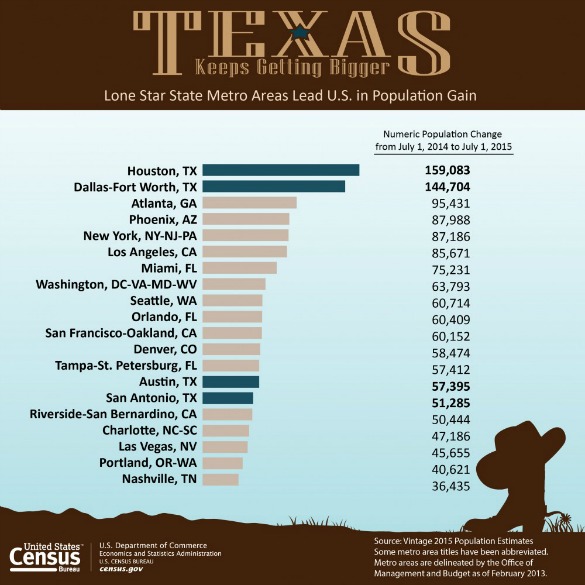
As one of the largest cities in the United States, Houston consistently ranks among the fastest-growing urban centers. Its population is not merely a number but a living, breathing indicator of its economic vitality, cultural richness, and the ongoing demand for everything from luxurious hotels to long-term accommodation options. For those planning a visit, understanding the demographic landscape provides invaluable context, influencing everything from the availability of suites and apartments to the diverse culinary experiences and local attractions available.

Houston’s Dynamic Demographics: A Melting Pot of Cultures
At the heart of Houston’s identity is its incredible population, a mosaic of cultures, languages, and backgrounds. This demographic richness is not just a statistical anomaly; it is the very engine that powers the city’s unique charm and broad appeal for travelers seeking diverse experiences.
The Current Population Landscape
With an estimated population consistently hovering around 2.3 million residents within the city limits, Houston proudly holds the title of the fourth-most populous city in the United States, trailing only New York City, Los Angeles, and Chicago. However, the true scale of its influence extends much further. The Houston-The Woodlands-Sugar Land metropolitan statistical area (MSA) encompasses a staggering population of nearly 7.2 million people, making it the fifth-largest metro area in the nation. This vast urban expanse includes rapidly growing communities like The Woodlands, Sugar Land, Katy, Pasadena, and Pearland, each contributing to the region’s economic might and residential diversity.
What truly sets Houston’s population apart is its unparalleled diversity. It is considered one of the most ethnically diverse cities in the United States, boasting no single majority ethnic group. This incredible mix includes significant Hispanic/Latino, Black/African American, and Asian populations, alongside a substantial white population and residents from virtually every corner of the globe. This multicultural tapestry translates directly into the city’s local culture, evident in its festivals, art scene, and, most notably, its world-class culinary landscape. For tourism guides, this diversity is a goldmine, offering an array of specialized tours, food trails, and cultural events that cater to every imaginable interest.
Growth Trends and Their Impact
Houston’s population has experienced robust and sustained growth over several decades, driven by economic opportunities, a relatively low cost of living compared to other major cities, and a welcoming environment for immigrants and internal migrants. This continuous influx of new residents has a profound impact on the city’s infrastructure and its capacity to cater to both residents and visitors.
Rapid population growth necessitates constant development in the accommodation sector. New hotels, apartments, and housing developments are continually under construction, reflecting the demand for both short-term stays and long-term residences. This expansion benefits travelers by increasing the availability and variety of lodging options, from luxury resorts in The Woodlands to budget-friendly apartments in Midtown. For those interested in booking accommodation, this means a competitive market offering numerous choices, though popular times like major conventions or sporting events can still see high occupancy.
Moreover, population growth influences the city’s overall lifestyle. A larger, more diverse population means a broader range of amenities, services, and entertainment options. This includes an ever-expanding array of restaurants, shops, and cultural venues that cater to every palate and preference, making Houston an exciting destination for family trips, business stays, or luxury travel.
Population and the Thriving Tourism Industry in Houston
The vast and diverse population of Houston is not just a backdrop; it is an active participant and a key driver of the city’s vibrant tourism industry. Its sheer size creates an inherent demand for a myriad of attractions and services, while its multicultural fabric ensures a constantly evolving and rich tapestry of local culture and food experiences.
Driving Demand for Attractions and Experiences
A population of over 2.3 million within the city and over 7 million in the metro area guarantees a continuous flow of residents seeking entertainment, education, and leisure. This robust local demand provides a stable foundation for major attractions and landmarks, ensuring their sustained growth and development, which in turn benefits visitors. Iconic destinations like Space Center Houston, the official visitor center for NASA Johnson Space Center, benefit from local school trips and family outings, alongside international tourists. Similarly, the world-class institutions in the Museum District, including the Museum of Fine Arts, Houston and the Houston Museum of Natural Science, thrive on both resident and tourist engagement. The Houston Zoo, another gem in Hermann Park, consistently draws massive crowds, highlighting the population’s desire for quality recreational activities.
Beyond traditional attractions, Houston’s large population supports a thriving events scene. Major sporting venues such as NRG Park (home to the Houston Texans and the Houston Livestock Show and Rodeo, Minute Maid Park (home of the Houston Astros), and Toyota Center (home of the Houston Rockets) regularly host large-scale events that attract both residents and out-of-town visitors. The presence of a significant local audience allows Houston to bid for and successfully host major conventions at the George R. Brown Convention Center, drawing tens of thousands of business travelers annually. This synergy between a large local population and a robust events calendar creates a dynamic travel environment, offering diverse experiences for every type of visitor.
Culinary Diversity and Local Flavors
Perhaps nowhere is Houston’s population diversity more deliciously evident than in its culinary scene. The sheer number of residents from different cultural backgrounds has fostered an unparalleled gastronomic landscape. From authentic Vietnamese pho in Bellaire to sizzling Tex-Mex on almost every corner, and from upscale dining in River Oaks to vibrant food trucks in Montrose, Houston offers a global palate.
This rich food scene is a primary draw for tourism. Visitors can embark on culinary guides exploring specific ethnic cuisines, participate in cooking classes, or simply wander through diverse neighborhoods to sample local flavors. The large population supports a vast array of independent restaurants, ensuring authenticity and a constant influx of new culinary trends. For food enthusiasts, Houston is a premier destination, making food a central theme in many travel itineraries and a cornerstone of the city’s local culture.
The Accommodation Sector: Meeting the Needs of a Growing Metropolis
The substantial and continually expanding population of Houston, coupled with its role as a major business and tourism hub, places immense pressure and opportunity on the accommodation sector. From gleaming new hotels to a robust market for apartments and vacation rentals, the city’s lodging landscape is dynamic and diverse, catering to an extensive range of needs and budgets.

Hotel Development and Expansion
To keep pace with population growth and the steady stream of business and leisure travelers, Houston’s hotel industry is in a perpetual state of development. Downtown Houston, in particular, has witnessed significant investment in new properties and the refurbishment of existing ones. Brands like Marriott Marquis Houston, with its famous lazy river, and Hilton Americas-Houston, directly connected to the George R. Brown Convention Center, cater to large conventions and events. Other prominent properties like Hyatt Regency Houston and Hotel ZaZa Museum District offer a mix of amenities and prime locations, reflecting the varied preferences of visitors.
The proliferation of suites and extended-stay options underscores Houston’s significant population of temporary residents, including medical patients and their families visiting the Texas Medical Center, business consultants, and relocating professionals. These apartments-style hotels provide the comforts of home, making long-term stays more manageable. For those seeking luxury travel, high-end resorts and boutique villas can be found in exclusive areas like The Woodlands or the Galleria area, offering premium amenities and personalized service.
Short-Term Rentals and Alternative Stays
Beyond traditional hotels, Houston’s large and diverse population also fuels a robust market for short-term rentals and alternative accommodation options. Platforms offering furnished apartments, private rooms, and entire homes are popular choices for families, groups, and individuals seeking a more localized experience or extended stays. This trend is particularly evident in neighborhoods like Montrose, Heights, and Midtown, where visitors can immerse themselves in the local culture and experience Houston more like a resident.
The demand for such options reflects a shift in travel preferences, with many visitors prioritizing flexibility, space, and access to local neighborhoods. For individuals looking for budget travel or specific amenities not always found in traditional hotels, short-term rentals provide excellent alternatives. The sheer volume of Houston’s population ensures a consistent supply of these options, though performing thorough reviews and comparison is always advisable before booking.
Population Influence on Houston’s Landmarks and Urban Development
The growth and distribution of Houston’s population are intrinsically linked to the development, preservation, and accessibility of its landmarks and broader urban landscape. As the city expands, so does the need for public spaces, efficient transportation, and a respectful integration of its historical and natural heritage.
Iconic Landmarks and Public Spaces
Houston’s large population directly impacts the development and usage of its green spaces and iconic urban landmarks. Parks like Hermann Park, Buffalo Bayou Park, and Discovery Green serve as vital recreational hubs for residents, drawing millions annually for relaxation, activities, and community events. These spaces are carefully designed and maintained to accommodate a significant number of people, reflecting the needs of a dense urban population. For visitors, these parks offer a glimpse into the local lifestyle and provide accessible natural retreats within the bustling city.
Beyond green spaces, the city’s population also drives the creation and appreciation of architectural landmarks. From the historic architecture in the Heights and Downtown Houston to the modern skyscrapers that define its skyline, each structure tells a story of Houston’s evolution, fueled by its growing economy and population. Cultural institutions, many located within the Museum District, are patronized by both residents and tourists, emphasizing their role as cornerstones of the city’s intellectual and artistic life.
Urban Planning and Accessibility
With a population sprawling across such a vast metropolitan area, urban planning and accessibility become paramount. Houston has historically been known for its reliance on automobiles, but ongoing efforts in public transportation, including the METRORail system, reflect a concerted attempt to better connect its diverse neighborhoods and reduce traffic congestion for its millions of residents and visitors. This ensures that destinations like the Museum District, Downtown Houston, and the Texas Medical Center are more accessible.
The city’s infrastructure development, including roads, bridges, and public utilities, must constantly evolve to support its growing population. This meticulous planning not only facilitates the daily lives of its residents but also enhances the travel experience for tourists, ensuring smoother transit to attractions, hotels, and events. The Port of Houston, a major economic driver and a significant landmark itself, depends on a large local workforce and efficient transportation networks to maintain its status as a leading port in the United States.
Lifestyle and Economic Vibrancy: What Houston’s Population Means for Visitors
The sheer scale and diversity of Houston’s population underpin its vibrant lifestyle and robust economic engine, creating a dynamic environment that offers a wealth of opportunities and experiences for every type of visitor. This powerful combination makes Houston an attractive destination for both short-term travel and those considering long-term stay options.
Economic Drivers and Business Travel
Houston’s population is not just large; it’s highly educated and skilled, particularly in sectors like energy, healthcare, and aerospace. Institutions such as Rice University and the University of Houston contribute to a strong talent pool, fostering innovation and attracting major corporations. This economic powerhouse creates a constant demand for business stays. Travelers coming for conferences at the George R. Brown Convention Center, meetings in the Galleria area, or collaborations with the Texas Medical Center are a significant component of Houston’s tourism industry. The availability of top-tier hotels with excellent amenities and convenient access to business districts directly supports this segment of the population.
The city’s diverse economy also means opportunities for expatriates and individuals seeking long-term stay options, making Houston a magnet for global talent. This contributes to the varied accommodation market, from furnished apartments to corporate housing, providing comfortable and practical solutions for those residing in the city for extended periods.
Family-Friendly and Leisure Opportunities
Beyond business, Houston’s large and diverse population naturally fosters a wealth of family trips and leisure activities. The presence of numerous families means a strong emphasis on kid-friendly attractions, parks, and educational centers. Space Center Houston, the Houston Zoo, and the Children’s Museum Houston are perennial favorites, designed to engage visitors of all ages.
The vibrant arts and entertainment scene, supported by millions of local residents, ensures there’s always something to do. From live music venues in Midtown and Montrose to theater productions in the Theater District, Houston offers cultural richness for every taste. The proximity to coastal destinations like Galveston also adds another layer of leisure options for both residents and tourists seeking a change of scenery. Whether it’s a budget travel adventure exploring free parks and museums or a luxury travel experience with fine dining and high-end shopping in the Galleria, Houston’s massive population guarantees a dynamic and appealing environment for all.
In conclusion, the question “What is the population of Houston, Texas?” leads to an answer far more profound than a mere number. It reveals a city pulsating with life, driven by an incredibly diverse and growing populace. This demographic reality shapes every facet of Houston’s appeal as a travel destination, influencing its tourism offerings, accommodation landscape, iconic landmarks, and distinct lifestyle. It is this very human element that makes Houston not just a city on the map, but a vibrant, ever-evolving experience for residents and visitors alike.
LifeOutOfTheBox is a participant in the Amazon Services LLC Associates Program, an affiliate advertising program designed to provide a means for sites to earn advertising fees by advertising and linking to Amazon.com. Amazon, the Amazon logo, AmazonSupply, and the AmazonSupply logo are trademarks of Amazon.com, Inc. or its affiliates. As an Amazon Associate we earn affiliate commissions from qualifying purchases.