
When planning a trip to the Golden State, asking “What is the current time in California?” is far more than a simple query. It’s the first step in unlocking a seamless travel experience, a crucial detail that underpins everything from flight schedules and hotel bookings to perfectly timed visits to iconic landmarks and immersive local culture. California, a land of diverse landscapes, vibrant cities, and unparalleled experiences, operates on its own unique rhythm, a rhythm defined by the Pacific Time Zone. Understanding this temporal framework is key for both first-time visitors and seasoned travelers looking to optimize every precious moment of their California adventure. Whether you’re chasing the sunrise over the Sierra Nevada Mountains or enjoying a twilight stroll along the beaches of Southern California, knowing the exact time, and how it relates to your own, is an essential part of the journey.
This comprehensive guide delves into the intricacies of California’s time zone, exploring its impact on travel planning, accommodation choices, tourism activities, and even the very fabric of the lifestyle you’ll encounter. From managing jet lag to scheduling business calls, we’ll cover everything you need to know to ensure your time in California is perfectly synchronized with your desires.
The Pacific Standard Time (PST): California’s Chronological Heartbeat
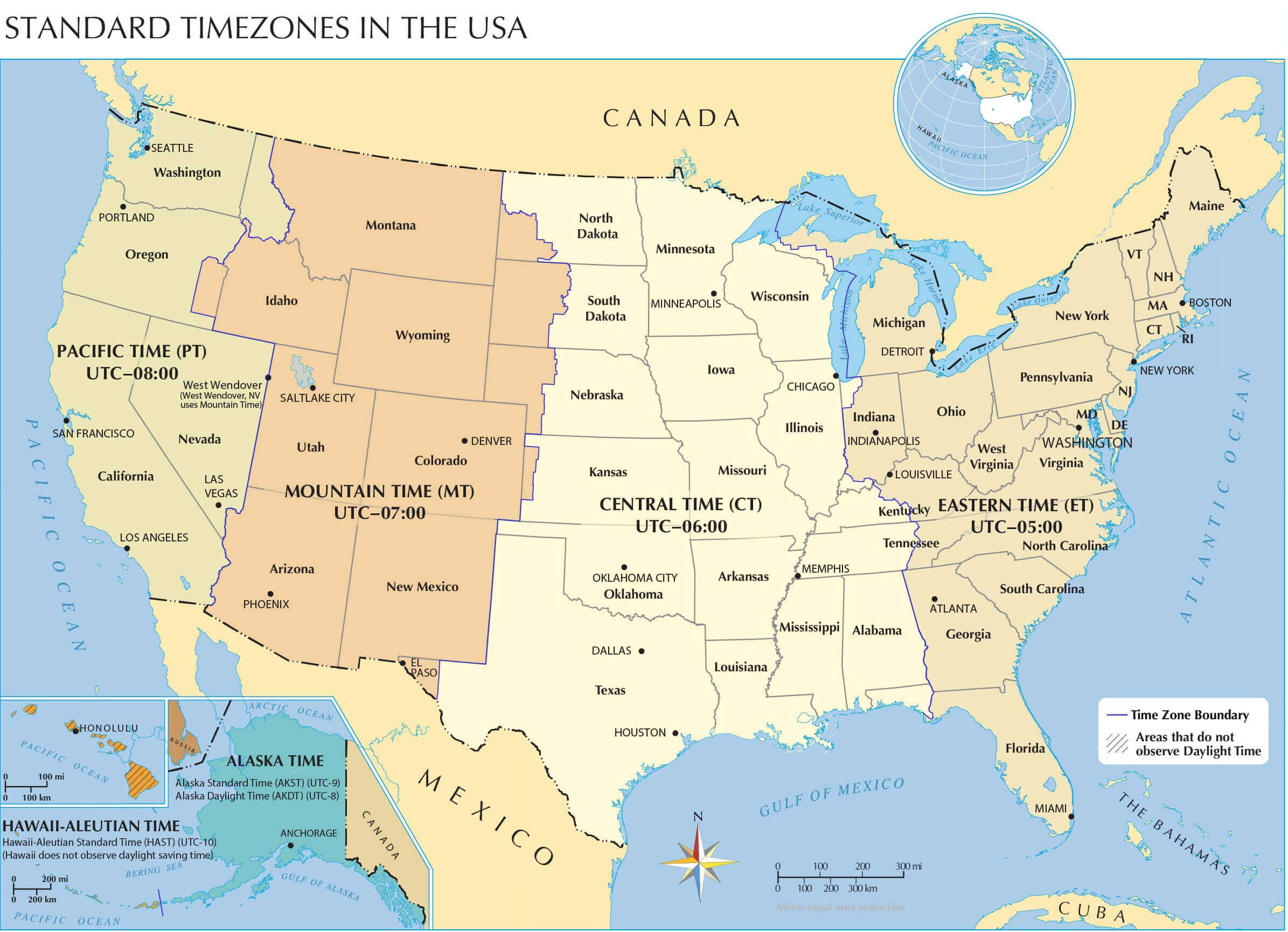
At its core, California adheres to the Pacific Time Zone. This means that during the standard months, the state observes Pacific Standard Time (PST), which is 8 hours behind Coordinated Universal Time (UTC-8). For travelers arriving from the East Coast of the United States, this translates to a three-hour difference – for example, when it’s 3 PM in New York City, it’s 12 PM in Los Angeles. This seemingly simple fact has profound implications for scheduling and adjustment, particularly for those flying internationally or crossing multiple time zones domestically.
Daylight Saving Time: Spring Forward, Fall Back
Like many other regions, California observes Daylight Saving Time (DST). Typically, on the second Sunday in March, clocks “spring forward” by one hour, shifting the state from PST to Pacific Daylight Time (PDT). PDT is 7 hours behind Coordinated Universal Time (UTC-7). This extra hour of daylight in the evenings is particularly cherished during California’s long, sunny summers, allowing for extended outdoor activities, leisurely dinners, and later visits to attractions. The clocks then “fall back” to PST on the first Sunday in November. For travelers, this means being aware of these biannual shifts, as they can impact flight arrival times, hotel check-ins, and the operating hours of various tourist destinations. Always double-check your arrival and departure times, as well as any scheduled appointments, relative to the current DST status.
The Importance of Knowing the Time: More Than Just a Number
Beyond simply setting your watch, understanding California’s current time is foundational to a stress-free trip. It directly influences your biological clock, how you interact with local businesses and services, and your ability to coordinate with others outside the state. For instance, a morning flight from Chicago might feel like an afternoon arrival in Los Angeles, necessitating different accommodation arrangements or activity planning. Similarly, coordinating a video call for a remote business meeting with colleagues in London requires careful consideration of the significant time difference. The beautiful simplicity of a clock face gives way to a complex web of logistical considerations when you’re traversing the globe.
Time Zones and Travel: Planning Your Golden State Adventure
The impact of California’s time zone on travel is multifaceted, touching upon every aspect of your journey from the moment you book your tickets to your final departure. Strategic planning around time differences can transform a potentially exhausting trip into a refreshing and invigorating exploration of the West Coast.
Seamless Journeys: Flights, Road Trips, and Cross-Country Arrivals
For air travelers, the time difference dictates arrival and departure experiences. An early morning flight from New York might land you in San Francisco in what feels like mid-morning locally, providing ample time to settle in and explore. Conversely, a late-afternoon departure from Miami could mean a very late evening or even early morning arrival in San Diego, potentially impacting your first night’s rest and next day’s plans. International travelers, especially those from Europe or Asia, face even greater adjustments, often contending with significant jet lag that requires a strategic approach to their initial days.
Even for those embarking on a California road trip from neighboring states like Nevada (Pacific Time for most of the state) or Arizona (which largely doesn’t observe DST, creating a shifting time difference), understanding the clock is crucial. Driving from Las Vegas to Los Angeles, for example, keeps you within the same PST/PDT zone, but crossing the state line from a region like Idaho could mean an hour’s change. Always synchronize your devices upon arrival to avoid confusion.
Accommodation Considerations: Checking In and Out with Confidence
Hotels and accommodation providers in California operate strictly by local time. Standard check-in times are often in the mid-afternoon (e.g., 3 PM or 4 PM PST/PDT), and check-out times are typically around late morning (e.g., 11 AM or 12 PM PST/PDT). If your flight arrives significantly earlier than check-in, or departs much later than check-out, having a plan is essential. Many hotels offer luggage storage services, allowing you to begin exploring immediately. Some luxury resorts or boutique hotels might offer early check-in or late check-out options, sometimes for an additional fee, which can be invaluable for managing jet lag or maximizing your last day. Consider booking an extra night for very early arrivals to ensure immediate room access, especially after a long international flight. When researching hotels, such as the Waldorf Astoria Beverly Hills or a charming bed and breakfast in Napa Valley, always confirm their specific check-in/out policies to align with your travel itinerary.
Maximizing Your California Experience: Time-Optimized Tourism and Lifestyle
Beyond the practicalities of travel, understanding California’s time allows you to fully immerse yourself in its vibrant tourism scene and distinct lifestyle. Every minute counts when you’re exploring the diversity of this incredible state.
Iconic Landmarks and Attractions: Timing Your Visits Perfectly
California is home to countless world-renowned landmarks and attractions, each with its own operating hours. From the gates of Disneyland Park in Anaheim to the panoramic vistas of Yosemite National Park or the historic piers of San Francisco, knowing the time ensures you arrive when they’re open and can make the most of your visit. For popular spots like the Golden Gate Bridge or Santa Monica Pier, timing your visit for sunrise or sunset can offer breathtaking photographic opportunities and often fewer crowds. Exploring the studios of Hollywood or the museums of Los Angeles requires adherence to their specific opening and closing times, which are always listed in PST/PDT. Even nature-based attractions, like hiking trails in Big Sur or exploring the giant sequoias in Sequoia National Park, benefit from timed planning – starting early to avoid midday heat or catching the golden hour light.
Culinary Delights and Nightlife: Eating and Playing by the Clock
California’s culinary scene is as diverse as its geography, from farm-to-table restaurants in San Francisco to vibrant food trucks in Los Angeles and wine tasting rooms in Napa Valley or Sonoma. Dining reservations are generally made in local time, and popular establishments, especially in metropolitan areas like Beverly Hills or La Jolla, can book up weeks in advance. Understanding the local rhythm means knowing that dinner service often starts later than in some other parts of the U.S., with peak hours typically between 7 PM and 9 PM PST/PDT.
For those seeking nightlife, California’s cities offer everything from sophisticated rooftop bars in West Hollywood to live music venues in Oakland and beachside bonfires in San Diego. Bars typically close around 2 AM PST/PDT, but the energy often peaks around midnight. Being aware of these timings helps you plan your evenings to fully enjoy the local scene without missing out.
Business and Leisure: Balancing Agendas Across Time Zones
For business travelers or those blending work with leisure, managing time zones is paramount. Conducting business with partners on the East Coast means accounting for a three-hour difference, often requiring early morning starts in California to align with their workday. International calls to Europe or Asia demand even more careful scheduling, sometimes pushing meetings into late evenings or very early mornings local California time. Many hotels cater to business travelers with amenities like 24-hour business centers and in-room workspaces, understanding the demands of cross-country and international communication. Balancing these demands with enjoying California’s attractions requires meticulous time management and perhaps even embracing the unique rhythms of working and playing in a new time zone.
Adjusting to California Time: Tips for a Smooth Transition
The biggest challenge when encountering a new time zone, especially one as distant as PST/PDT for many, is jet lag. This temporary sleep disorder can disrupt your trip, making you feel fatigued, disoriented, and less able to enjoy your travel experiences. However, with a few proactive steps, you can significantly mitigate its effects and quickly adjust to the California rhythm.
Firstly, adjust your sleep schedule gradually before you even depart. If you’re traveling westward, try going to bed an hour or two later for a few nights leading up to your trip. Conversely, if heading eastward, try to shift your bedtime earlier. On your flight, set your watch to California time as soon as you board and try to sleep or stay awake according to your destination’s schedule.
Once you arrive, prioritize sunlight exposure. Natural light is a powerful regulator of your body’s circadian rhythm. Spend time outdoors, especially in the morning, to signal to your body that it’s daytime. If you arrive early in the morning California time, resist the urge to nap for too long; a short power nap (20-30 minutes) can be helpful, but try to stay awake until the local bedtime.
Stay hydrated and limit caffeine and alcohol. Dehydration can exacerbate jet lag symptoms, and while a coffee might seem like a quick fix, it can interfere with your ability to sleep when it’s appropriate. Alcohol can also disrupt sleep quality. Opt for water and light, healthy meals.
Finally, embrace the local pace. Don’t overschedule your first day or two. Allow yourself flexibility to rest and adjust. Take leisurely strolls, enjoy casual meals, and let your body gradually acclimate. Whether you’re unwinding at a boutique hotel in Carmel-by-the-Sea or enjoying the amenities of a luxury spa resort in Palm Springs, giving yourself permission to slow down will make your entire trip more enjoyable.
In conclusion, understanding “What is the current time in California?” is much more than a factual inquiry; it’s the foundation for a well-planned, enriching, and truly memorable journey through one of the world’s most captivating destinations. By recognizing the nuances of the Pacific Time Zone, accounting for Daylight Saving Time, and proactively managing your personal clock, you’re set to savor every moment, from the first sunrise over the Pacific Ocean to the last star-filled night sky. Safe travels, and enjoy your time in California!
LifeOutOfTheBox is a participant in the Amazon Services LLC Associates Program, an affiliate advertising program designed to provide a means for sites to earn advertising fees by advertising and linking to Amazon.com. Amazon, the Amazon logo, AmazonSupply, and the AmazonSupply logo are trademarks of Amazon.com, Inc. or its affiliates. As an Amazon Associate we earn affiliate commissions from qualifying purchases.