
The allure of Las Vegas is undeniable. Known as the Entertainment Capital of the World, it draws millions of visitors annually with its dazzling casinos, world-class shows, gourmet dining, and extravagant resorts. When planning a trip to this iconic destination, understanding the full cost of your stay is paramount. Beyond the advertised room rate, a significant and often debated charge known as the “resort fee” is a common fixture in most Las Vegas hotels. This fee, levied by the vast majority of resorts on the Las Vegas Strip and in surrounding areas, is not an optional add-on; it is a mandatory daily charge that contributes to the overall cost of your accommodation.
Understanding the Resort Fee: A Mandatory Charge
The resort fee, also sometimes referred to as a daily resort charge, amenity fee, or destination fee, is an additional daily charge that hotels add to your bill. It is designed to cover the costs of various amenities and services that guests can access during their stay. While the exact inclusions can vary significantly from one property to another, the concept remains consistent: it’s a non-negotiable fee that enhances the guest experience and helps hotels offset expenses related to maintaining their extensive facilities.
Why Are Resort Fees So Prevalent in Las Vegas?
The prevalence of resort fees in Las Vegas can be attributed to several factors. Historically, hotels in Las Vegas have operated on a model where room rates are kept artificially low to attract guests, with profits primarily generated from gaming and other on-site attractions. The resort fee evolved as a way to more transparently (though not always clearly) recoup costs associated with the vast array of amenities that define the Las Vegas resort experience. These amenities are often what draw visitors in the first place, such as elaborate pool complexes, high-speed internet, fitness centers, and in-room amenities like coffee makers and safes.
In a highly competitive market like Las Vegas, hotels use resort fees to appear more attractive on third-party booking sites where the base room rate is often the primary sorting factor. By keeping the advertised room rate lower, they can climb higher in search results, only to add the resort fee once the booking process progresses further. This practice has become an industry standard across most major Las Vegas properties, making it difficult to find hotels that do not charge one.
What Do Resort Fees Typically Cover?
The contents of a Las Vegas resort fee can be extensive, aiming to provide a comprehensive experience for guests. While specific offerings differ, common inclusions generally fall into categories of connectivity, recreation, and convenience.
Connectivity and Communication
- Wi-Fi Access: High-speed internet access is almost universally included in resort fees. This covers both in-room and public area Wi-Fi, essential for travelers staying connected, sharing their experiences, or managing work while away.
- In-room Phone Access: While less utilized in the age of mobile phones, some resort fees may include the cost of local calls from the in-room telephone.
Recreational Amenities
- Pool Access: Las Vegas resorts are renowned for their elaborate pool areas. Resort fees typically grant access to these aquatic oases, which often include multiple pools, lazy rivers, wave pools, and cabana rentals (though cabana rentals themselves are usually an additional cost).
- Fitness Center Access: Guests can usually access the hotel’s fitness facilities, equipped with modern exercise machines and free weights, allowing them to maintain their workout routines.
- Spa Access (Limited): In some cases, resort fees may include access to the spa facilities, such as steam rooms, saunas, or relaxation lounges, though spa treatments themselves are almost always an extra charge.
Convenience and Services
- In-room Amenities: This can include items like in-room safes for valuables, coffee and tea making facilities, and sometimes even complimentary local calls.
- Newspaper Delivery: A daily newspaper may be provided to rooms.
- Concierge Services: Access to concierge staff for booking shows, restaurant reservations, or planning excursions is often included.
- Self-Parking: While valet parking is usually an additional cost, self-parking in the hotel’s garage is often covered by the resort fee. This is a significant benefit, as parking in Las Vegas can be expensive.
It is crucial for travelers to review the specific resort fee inclusions for their chosen hotel, as the value proposition of the fee can vary significantly. Some fees might offer a more compelling list of amenities than others, and understanding these details can help in comparing different properties.
The Cost and Transparency of Resort Fees
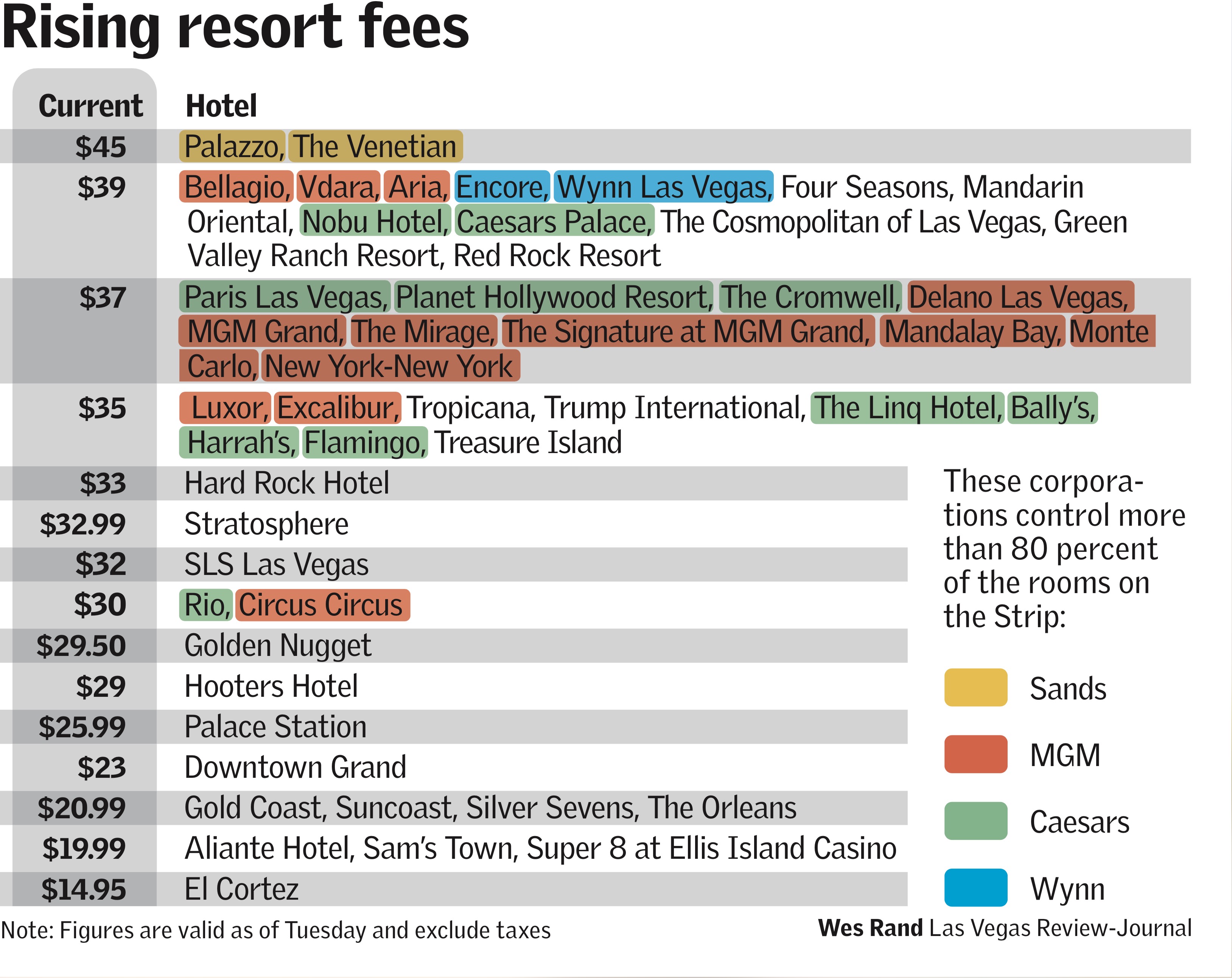
The cost of resort fees in Las Vegas can range from approximately $25 to $50 per night, per room, excluding taxes. This daily charge can add a substantial amount to the total cost of a vacation, especially for longer stays. For instance, a seven-night stay at a hotel with a $45 resort fee plus tax would add over $300 to the bill.

Transparency Issues and Consumer Criticisms
One of the primary criticisms leveled against resort fees is a perceived lack of transparency. While hotels are generally required to disclose these fees, they are often presented in a way that can be easily overlooked by consumers, particularly during the initial booking process on third-party websites. The fee is typically added at the final stages of booking or presented in the fine print, leading to surprise charges upon check-in or checkout.
Consumer advocacy groups and travelers alike have expressed frustration with this practice, arguing that it creates a misleading impression of the true cost of a hotel stay. The term “resort fee” itself can be ambiguous, and the value received for the fee is not always commensurate with the cost. This has led to calls for greater regulation and clearer disclosure practices from the hotel industry.
In response to these concerns, some jurisdictions have begun to push for more standardized and upfront disclosure of resort fees. For example, the state of Nevada has considered legislation aimed at making these fees more prominent during the booking process.
How to Mitigate the Impact of Resort Fees
While it’s challenging to avoid resort fees entirely in Las Vegas, there are strategies travelers can employ to mitigate their impact or ensure they are getting value for their money:
- Read the Fine Print: Before booking, meticulously review the hotel’s policy on fees and charges. Look for sections detailing resort fees, amenity fees, or similar charges.
- Compare Total Costs: When comparing hotels, don’t just look at the advertised room rate. Calculate the total cost, including the resort fee and taxes, to get an accurate picture of the expense.
- Leverage Included Amenities: Once you’ve paid the resort fee, make an effort to utilize the amenities it covers. If you plan to use the Wi-Fi, the gym, and the pool, the fee becomes more justifiable. If you’re unlikely to use most of the included services, the fee might represent poor value.
- Direct Booking: Sometimes, booking directly with the hotel can offer more clarity on fees, or even occasional waivers or discounts for loyalty program members.
- Loyalty Programs: For frequent travelers, elite status in a hotel’s loyalty program may sometimes lead to waived resort fees. It is always worth inquiring about potential benefits.
- Consider Hotels Without Resort Fees (Rare): While increasingly uncommon in Las Vegas, a few independent hotels or boutique properties might not charge resort fees. However, these are exceptions rather than the rule, and they may have fewer amenities compared to larger resorts.
Resort Fee Variations Across Las Vegas Properties
The resort fee landscape in Las Vegas is diverse, with each major hotel group and individual property setting its own fee structure and included amenities. This variability means that travelers must conduct specific research for their intended accommodation.
The Strip vs. Downtown Las Vegas
Resort fees are ubiquitous on the Las Vegas Strip, where the most iconic and largest resorts are located. These properties, such as the Bellagio, Caesars Palace, The Venetian, and MGM Grand, generally have higher resort fees, reflecting the extensive amenities they offer, including expansive casino floors, multiple dining venues, elaborate entertainment options, and large-scale convention facilities.
Downtown Las Vegas, while also featuring resort fees, might see slightly lower rates compared to the Strip. Properties like Golden Nugget or the hotels within the Fremont Street Experience typically offer a comparable set of core amenities, but the overall scale of luxury and the breadth of attractions might influence the fee amount.
Iconic Hotels and Their Resort Fee Offerings
- The Venetian and The Palazzo: Known for their Italian-themed grandeur, these sister properties offer a comprehensive resort fee that typically includes high-speed internet, fitness center access, and printing services at the business center.
- Aria Resort & Casino: As part of the MGM Resorts International portfolio, Aria offers a resort fee that covers Wi-Fi, fitness center access, and in-room coffee and tea.
- Wynn Las Vegas and Encore Las Vegas: These luxury resorts often have a higher resort fee, commensurate with their premium offerings, which may include enhanced Wi-Fi, access to their extensive pool complexes, and fitness facilities.
- Cosmopolitan of Las Vegas: Known for its chic atmosphere and vibrant social scene, the Cosmopolitan includes Wi-Fi, fitness center access, and other amenities within its resort fee.
Understanding these variations is crucial for budget planning and for ensuring that the amenities covered by the resort fee align with your travel priorities. A traveler who plans to spend most of their time exploring the city and gambling in casinos might find the resort fee less valuable than someone who intends to spend their days lounging by the pool and utilizing the hotel’s fitness facilities.
Conclusion: Navigating the Resort Fee Landscape in Las Vegas
The resort fee in Las Vegas is an integral, albeit often criticized, component of the accommodation cost. It represents a shift in how hotels package and price their amenities, aiming to provide a more holistic guest experience while ensuring profitability in a competitive market. For travelers, navigating this landscape requires diligence, a thorough understanding of what is included, and a realistic assessment of the value proposition.
By being informed about the typical inclusions, the potential costs, and strategies for mitigation, visitors to Las Vegas can better manage their expectations and budget. While the resort fee may be unavoidable in most cases, a well-informed traveler can still maximize the benefits of their stay and ensure that the mandatory charges contribute positively to their overall vacation experience in the dazzling city of Las Vegas.
LifeOutOfTheBox is a participant in the Amazon Services LLC Associates Program, an affiliate advertising program designed to provide a means for sites to earn advertising fees by advertising and linking to Amazon.com. Amazon, the Amazon logo, AmazonSupply, and the AmazonSupply logo are trademarks of Amazon.com, Inc. or its affiliates. As an Amazon Associate we earn affiliate commissions from qualifying purchases.