
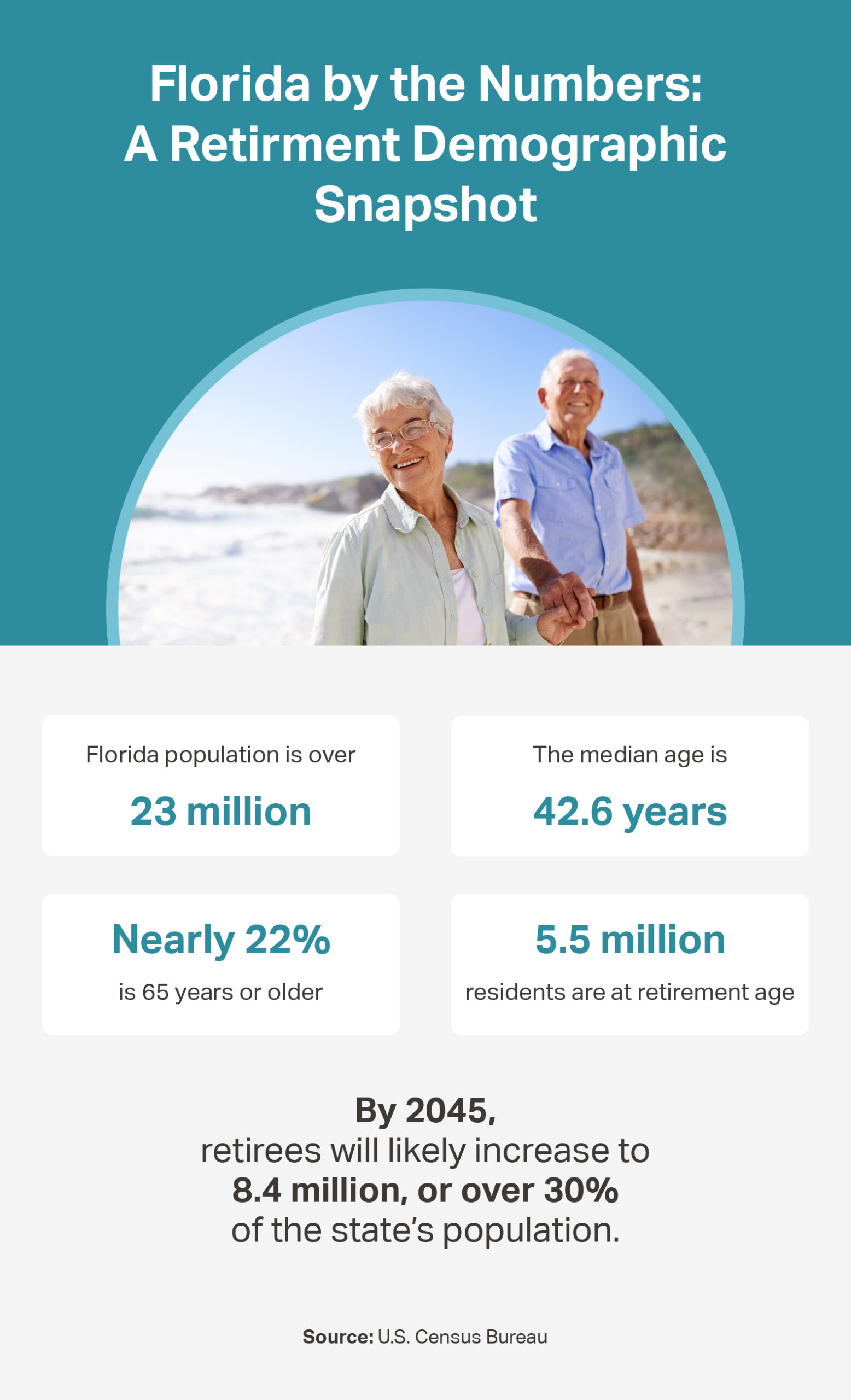
Retirement isn’t just about reaching a certain age; it’s a significant lifestyle transition, a culmination of decades of work, and an opportunity to redefine your daily existence. For many, the sunshine state of Florida represents the quintessential retirement dream. But what exactly is the “retirement age” in Florida, and what does it entail to embark on this new chapter in the Sunshine State? The answer isn’t a single number, but rather a blend of federal guidelines, personal financial readiness, and the lifestyle choices that make Florida so appealing to retirees. This article delves into the multi-faceted concept of retirement age in Florida, offering insights into the legal, financial, and lifestyle aspects that define this pivotal phase of life.
Demystifying the Concept of Retirement Age
Before considering what retirement means specifically in Florida, it’s crucial to understand the broader context of retirement age within the United States. There isn’t one universal “retirement age,” but rather several benchmarks that influence when and how individuals can access retirement benefits and transition out of the workforce.
The Federal Framework: Social Security and Medicare
The most commonly cited retirement ages are tied to federal programs:
- Social Security: The Social Security Administration defines several key ages. The earliest age to claim retirement benefits is 62, though benefits will be permanently reduced. Your “Full Retirement Age” (FRA), at which you can receive 100% of your earned benefits, depends on your birth year. For those born in 1960 or later, the FRA is 67. Claiming benefits before your FRA results in a reduced monthly payment, while delaying past your FRA (up to age 70) can increase your monthly benefit.
- Medicare: Eligibility for Medicare, the federal health insurance program for seniors, generally begins at age 65. This is a critical age for retirement planning, as healthcare costs are a significant concern for most retirees. Even if you continue working past 65, it’s often advisable to enroll in Medicare Part A, which is typically premium-free if you or your spouse paid Medicare taxes for a sufficient period.
These federal guidelines set the baseline for when most Americans consider themselves “of retirement age.” They dictate when you can access crucial income and healthcare support, fundamental pillars for a secure retirement lifestyle, whether in Florida or elsewhere.
Early, Full, and Delayed Retirement: Your Choices
The flexibility offered by federal programs means “retirement age” is less of a fixed point and more of a window.
- Early Retirement (age 62): Opting to retire at 62 allows you to start receiving Social Security benefits sooner, but with a reduced monthly amount, potentially impacting your long-term financial security. This path often requires robust personal savings or a pension to bridge the income gap.
- Full Retirement (age 66-67): Retiring at your FRA ensures you receive the maximum Social Security benefit you’ve earned, without reduction. This is the sweet spot for many who have planned adequately.
- Delayed Retirement (up to age 70): If you can afford to delay Social Security benefits past your FRA, your monthly payment will increase by a certain percentage for each year you wait, up to age 70. This strategy can provide a higher guaranteed income stream in later life.
Each choice has profound implications for your retirement lifestyle, influencing your income, the activities you can pursue, and your overall financial comfort.
State-Specific Nuances: Florida’s Approach
Unlike some states, Florida does not have a unique “state retirement age” that differs from the federal guidelines for Social Security and Medicare. The legal retirement ages for accessing these benefits are the same for residents of Florida as they are for residents of any other U.S. state. However, Florida’s approach to taxation and its robust senior infrastructure significantly enhance the appeal of retiring here, effectively shaping the experience of retirement age. The state’s beneficial policies and vibrant communities mean that while the federal age dictates when you can retire, Florida helps define how well you can live during that retirement.
Why Florida Beckons: The Lifestyle Appeal for Retirees
Florida’s reputation as a retirement haven is well-earned, built upon a combination of favorable climate, significant tax advantages, and a diverse range of communities tailored to seniors. These factors collectively create a lifestyle that makes the transition into retirement particularly attractive.
Climate and Outdoor Living: A Year-Round Paradise
One of the most immediate draws of Florida is its subtropical to tropical climate, offering abundant sunshine and mild winters. This allows retirees to enjoy an active outdoor lifestyle year-round. From pristine beaches along the Atlantic Coast and Gulf Coast to world-class golf courses, fishing, boating, and extensive park systems, the opportunities for recreation are endless. This consistent pleasant weather supports physical activity and social engagement, contributing significantly to the health and well-being of seniors, making it a powerful component of the desired retirement lifestyle.
Tax Advantages: Making Your Retirement Savings Go Further
Florida stands out for its exceptionally friendly tax environment for retirees. The state has no personal income tax, which means pensions, 401(k) and IRA distributions, and other retirement income are not taxed at the state level. Additionally, there are no state inheritance or estate taxes. While property taxes can be a consideration, Florida offers homestead exemptions that can reduce the taxable value of a primary residence. These financial benefits mean that retirees’ hard-earned savings and fixed incomes stretch further, allowing for a higher quality of life and more disposable income for leisure activities and personal pursuits.
Vibrant Communities and Diverse Activities
Beyond the beaches and tax breaks, Florida boasts an unparalleled array of communities and activities specifically designed for seniors. From bustling urban centers with cultural attractions to serene coastal towns and sprawling active adult communities, there’s a lifestyle to suit every preference. Many communities offer extensive amenities like clubhouses, fitness centers, swimming pools, and organized social events, fostering a strong sense of community and providing ample opportunities for new friendships and hobbies. This rich social fabric is a cornerstone of a fulfilling retirement lifestyle in Florida.
Navigating the Financial and Legal Landscape of Florida Retirement
While the appeal of Florida is clear, a successful retirement here requires careful navigation of the financial and legal landscape. Understanding state-specific regulations and preparing adequately will ensure a smooth transition and a secure future.
Understanding Florida’s Tax Benefits for Seniors
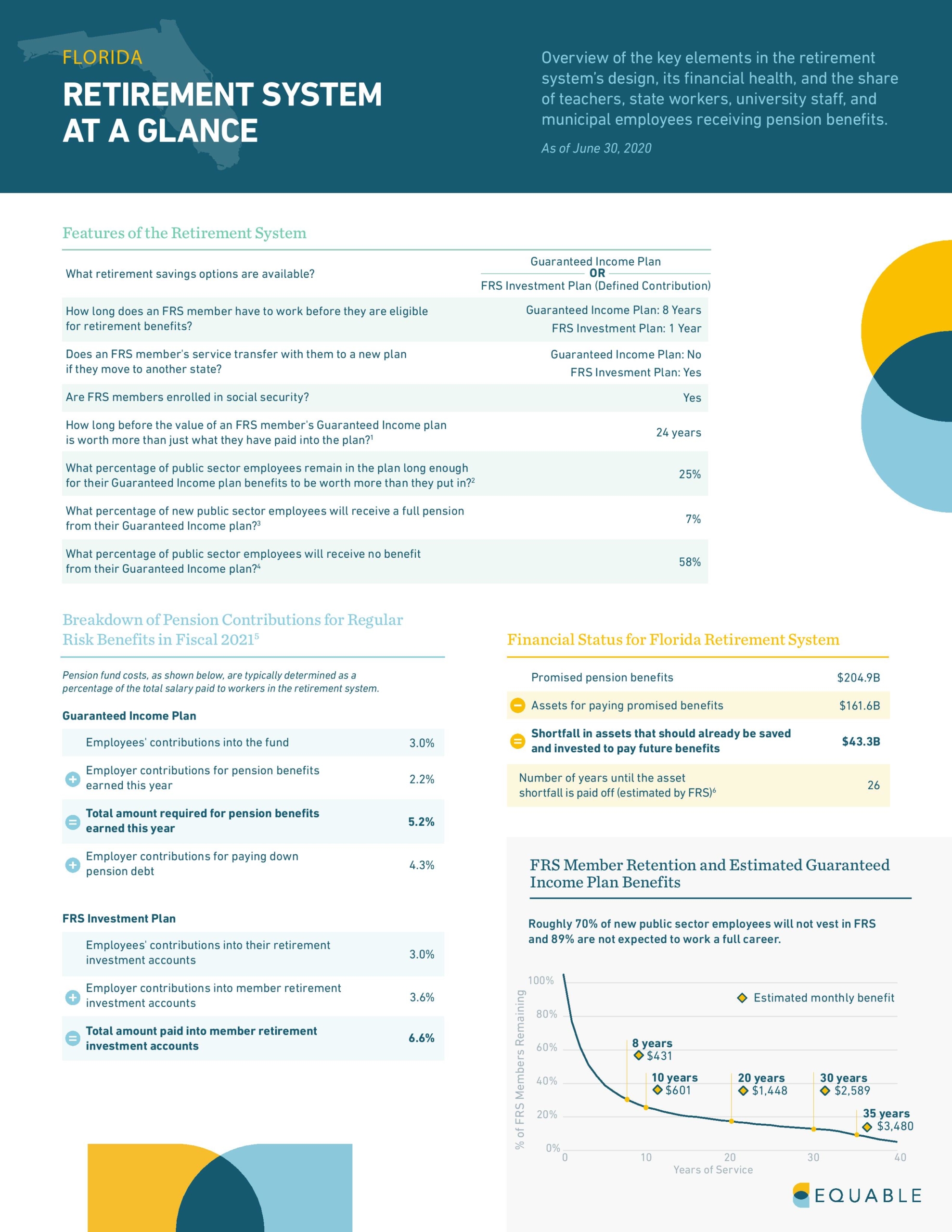
As mentioned, Florida is a tax haven for retirees. The absence of state income tax is a primary draw, but other considerations include sales tax and property tax. While sales tax applies to most goods and services, the overall tax burden for retirees is generally lower than in many other states. Property taxes vary significantly by county and municipality, but homestead exemptions provide relief for primary residents, and many counties offer additional exemptions for seniors who meet certain income or disability criteria. Consulting with a financial advisor specializing in Florida retirement can help optimize your tax strategy.
Healthcare Access and Insurance Considerations
Healthcare is paramount for retirees, and Florida offers extensive healthcare infrastructure, especially in areas with high senior populations. Major cities like Orlando, Tampa, Miami, and Jacksonville are home to world-class hospitals and medical centers. For insurance, while Medicare is federally administered, Florida has a competitive market for Medicare Advantage plans (Part C) and Medicare Supplement plans (Medigap), which can help cover costs not paid by original Medicare. It’s crucial to research and choose a plan that fits your health needs and budget, understanding provider networks and coverage areas, especially if relocating from out of state.
Estate Planning and Residency Requirements
Establishing residency in Florida is essential to fully realize the state’s tax benefits and to ensure your legal affairs are in order. This typically involves filing a Declaration of Domicile, registering your vehicle, obtaining a Florida driver’s license, and updating your voter registration. For estate planning, Florida has specific laws regarding wills, trusts, and probate. It’s highly advisable to work with a Florida attorney to update your estate documents to comply with state law and take advantage of any asset protection or probate avoidance strategies available. Proper planning ensures your wishes are honored and your loved ones are protected.
Popular Retirement Destinations and Lifestyle Options Across Florida
Florida’s vast geography offers a multitude of retirement lifestyles, from tranquil beaches to bustling cityscapes and meticulously planned communities. The choice of location profoundly impacts your daily life and available activities.
Coastal Serenity: Sarasota and Naples
For those seeking a more upscale, culturally rich, and tranquil coastal experience, cities like Sarasota on the Gulf Coast and Naples in Southwest Florida are highly popular. Sarasota offers beautiful beaches, a thriving arts scene, and excellent dining. Naples is renowned for its luxury living, world-class golf, and pristine natural beauty. Both provide a sophisticated, relaxed pace of life with abundant opportunities for leisure and social engagement, appealing to retirees who value aesthetics and quality amenities.
Active Adult Communities: The Villages and Beyond
Perhaps no community epitomizes the “active retirement” lifestyle more than The Villages, located in Central Florida. Known for its extensive amenities, golf cart-friendly transportation, and endless organized activities, The Villages is a sprawling development designed exclusively for adults 55 and older. It offers a unique, vibrant, and highly social lifestyle. Other similar active adult communities can be found across the state, offering various scales and price points, catering to retirees who want a built-in community and a packed social calendar.
Urban Amenities with a Relaxed Pace: Tampa and Orlando
Cities like Tampa on the Gulf Coast and Orlando in Central Florida offer a blend of urban excitement and a more relaxed Florida pace. Tampa boasts a growing downtown, diverse culinary scene, and proximity to beautiful beaches in St. Petersburg and Clearwater. Orlando, while famous for its theme parks like Disney World and Universal Studios, also offers a wide range of cultural attractions, dining, and diverse neighborhoods. These cities are ideal for retirees who want access to major healthcare facilities, diverse entertainment, and the energy of a city, without the intense pace of a truly metropolitan area.
Southeast Florida Glamour: Miami and Fort Lauderdale
For those drawn to a cosmopolitan and energetic lifestyle, the Southeast Florida corridor, including Miami and Fort Lauderdale, offers a vibrant, international flair. These areas feature world-class dining, luxury shopping, bustling nightlife (for those who seek it), and beautiful beaches. While often associated with a higher cost of living, these cities provide unparalleled cultural experiences and access to international airports, perfect for active retirees who love to travel and be at the center of activity.
Crafting Your Ideal Florida Retirement Plan
Ultimately, the “retirement age” in Florida is less about a single number and more about aligning your personal readiness with the opportunities the state provides. It’s a comprehensive lifestyle decision that requires careful planning.
Assessing Your Financial Readiness and Goals
Before making the move, thoroughly assess your financial situation. Calculate your anticipated income from Social Security, pensions, and investments, and compare it against your projected expenses in Florida. Consider healthcare costs, housing (rent or mortgage, property taxes, insurance), utilities, transportation, and discretionary spending for leisure activities. It’s prudent to work with a financial planner who understands Florida’s unique economic landscape to ensure your nest egg can support your desired lifestyle throughout your retirement years.
Exploring Housing Options and Relocation Logistics
Florida offers a vast array of housing options, from condominiums and townhouses to single-family homes and independent living communities. Research different regions and communities to find one that aligns with your preferences for size, amenities, and community vibe. Consider whether you prefer to rent initially to explore different areas before buying. Plan the logistics of your move, including selling your current home, transporting belongings, and setting up utilities and services in your new Florida residence.

Embracing the Florida Lifestyle: Activities and Social Integration
Once you’ve settled in, the real joy of retirement in Florida begins. Actively seek out opportunities for social integration and engagement. Join clubs, volunteer organizations, pursue new hobbies, or participate in community events. Many areas offer senior centers and programs designed to connect new residents. Embrace the outdoor opportunities—whether it’s walking on the beach, golfing, fishing, or exploring natural wonders like Everglades National Park. A fulfilling retirement lifestyle in Florida is not just about the sunshine and tax benefits, but about proactively building a rich, active, and socially connected new chapter of life.
In conclusion, “retirement age” in Florida is a dynamic concept, interwoven with federal regulations, personal financial preparedness, and the state’s undeniable allure as a place to live out one’s golden years. By understanding these dimensions, prospective retirees can craft a thoughtful plan to embrace a vibrant and rewarding lifestyle in the Sunshine State.
LifeOutOfTheBox is a participant in the Amazon Services LLC Associates Program, an affiliate advertising program designed to provide a means for sites to earn advertising fees by advertising and linking to Amazon.com. Amazon, the Amazon logo, AmazonSupply, and the AmazonSupply logo are trademarks of Amazon.com, Inc. or its affiliates. As an Amazon Associate we earn affiliate commissions from qualifying purchases.