
Embarking on a journey to the Empire State, whether it’s for the iconic sights of New York City, the serene landscapes of the Hudson Valley, or the majestic beauty of Niagara Falls, promises an unforgettable experience. As you plan your adventure, from booking your accommodation to mapping out your attractions and dining experiences, understanding the local sales tax landscape is crucial for savvy budgeting. New York sales tax is more than just a minor added percentage; it’s a component that can significantly influence your overall travel expenses, impacting everything from your hotel bill to your souvenir purchases and even the cost of a gourmet meal. For travelers and tourists exploring the diverse offerings of New York State, comprehending how sales tax applies can lead to smarter spending and a more enjoyable, stress-free trip.
This guide will demystify New York sales tax, offering insights tailored for those visiting, staying, or even considering longer-term opportunities within the state. We’ll delve into the fundamental rates, highlight what’s typically taxed and what might be exempt, and provide practical advice on how these charges factor into various aspects of your journey – from booking a luxurious suite in Manhattan to enjoying a casual meal in Brooklyn or stocking up on essentials for a family trip to the Catskill Mountains. By understanding these financial nuances, you can better plan your lifestyle choices during your stay, ensuring that your budget aligns with your desired experiences, whether you’re embarking on a budget travel expedition or indulging in a luxury travel escape.
Understanding New York Sales Tax Basics
Navigating the financial landscape of any new destination requires a clear understanding of its tax structure, and New York is no exception. The sales tax system here is a combination of state and local levies, creating a varied rate depending on where you are within the state. For travelers, this means a purchase made in Albany might incur a different total sales tax than the exact same item bought in Buffalo or Syracuse, making local knowledge particularly valuable.
The Statewide Rate and Local Variations
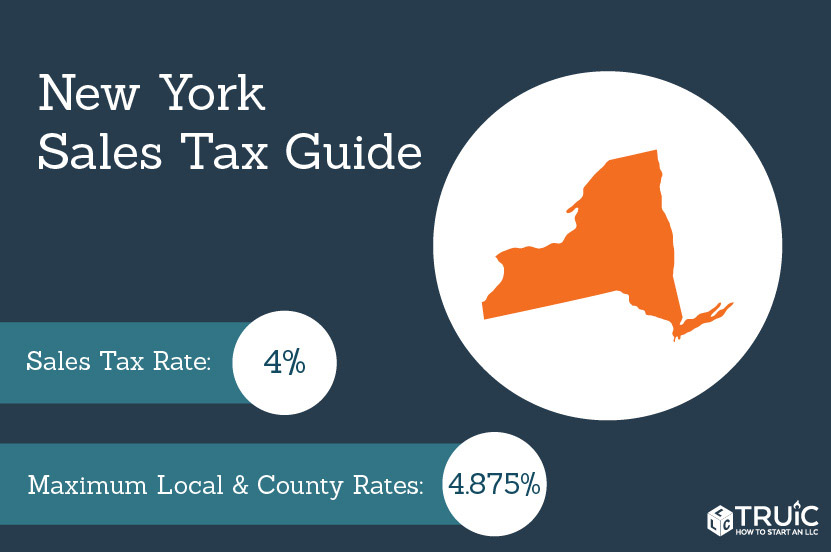
At its core, New York State imposes a statewide sales tax rate of 4%. However, this is just the starting point. Most counties, and sometimes even cities within those counties, add their own local sales taxes. For instance, in New York City, the city sales tax is 4.5%, and there’s an additional 0.375% metropolitan commuter transportation district (MCTD) surcharge. This brings the combined sales tax rate in New York City to a significant 8.875%. Other regions, like Long Island, might have different combined rates. This means that when you see a price tag for an item, the final amount you pay at the register will often be higher than just adding 4%, sometimes substantially so. Always assume the higher local rate, especially in popular tourist destinations, to avoid any surprises. This fluctuating rate is a key consideration for anyone planning their travel budget, especially if their itinerary spans various regions of the state.
What’s Taxable? Common Items for Travelers
Generally, sales tax in New York applies to most retail sales of tangible personal property and many services. For travelers, this encompasses a wide array of purchases. Common taxable items include electronics, souvenirs, cosmetics, most clothing items over a certain price threshold, and non-prepared food items from convenience stores. Beyond goods, many services are also subject to sales tax, which is particularly relevant for those looking into various experiences. This includes charges for telecommunication services, some personal care services (like salon treatments), and amusement charges, which can cover admission to certain attractions or entertainment venues. Understanding these taxable categories helps you factor in the additional cost when planning your shopping sprees or leisure activities across the vibrant cityscape of Queens or the bustling streets of Rochester.
Exemptions to Keep in Mind
While many items are taxed, New York does offer some notable exemptions that can be beneficial for travelers. One of the most significant exemptions applies to most food and beverages purchased for off-premises consumption, meaning groceries from supermarkets are generally tax-free. This is excellent news for budget-conscious travelers or those opting for self-catering accommodation options like apartments or villas, as it can significantly reduce daily food expenses. Another important exemption pertains to clothing and footwear. In New York State, individual items of clothing and footwear costing less than $110 are exempt from the 4% state sales tax. However, be aware that while the state portion is exempt, local sales taxes may still apply in some jurisdictions. In New York City, for example, items under $110 are exempt from all sales tax, making it a surprisingly good destination for apparel shopping if you stay within that price point. These exemptions are critical for budget planning, especially for families or individuals looking to minimize incidental costs during their stay.
Sales Tax’s Impact on Your New York Experience
Beyond general purchases, sales tax significantly influences the core components of any travel experience: where you stay, what you eat, what you buy, and what you do. Understanding these specific applications can help you accurately forecast your spending and optimize your lifestyle choices during your visit to the Empire State.
Accommodation and Lodging Taxes
For many travelers, hotels or other forms of accommodation represent one of the largest expenditures. In New York, sales tax applies to hotel room rentals, but it’s often combined with additional lodging or occupancy taxes that vary by locality. In New York City, for example, guests will face the standard 8.875% sales tax plus a 5.875% city occupancy tax, and an additional $1.50 per night per room surcharge. This means a significant percentage, often well over 15%, is added to your base room rate. This complex layering of taxes applies whether you choose a luxurious suite in a Manhattan landmark hotel like the Grand Hyatt Hotel, a cozy boutique hotel in Greenwich Village, or a more budget-friendly resort in the suburbs. Always factor these additional taxes into your total booking cost when comparing prices for hotels, suites, apartments, or villas across the state to ensure your booking remains within your financial plan.
Dining Out: Meals and Drinks
New York is a culinary paradise, from world-class restaurants to vibrant street food markets. When you dine out, sales tax applies to prepared food and drinks. This includes everything from your morning coffee and bagel, to a casual lunch, and a lavish dinner. The same local sales tax rates apply here, meaning your bill at a restaurant in New York City will have the 8.875% added to it. While groceries for home cooking are generally exempt, the convenience and experience of eating out will always come with this additional charge. This is an important consideration for your food budget, especially if you plan to explore the diverse gastronomic scene across Brooklyn, Queens, or any other part of the state. Remember that tips are usually added after tax, so factor in both when calculating your total dining expense.
Shopping Sprees: From Souvenirs to High Fashion
New York is synonymous with shopping, offering everything from designer boutiques on Fifth Avenue to unique finds in SoHo and charming local shops throughout the Hudson Valley. For shoppers, the sales tax rules for clothing and footwear are particularly important. As mentioned, individual items of clothing and footwear under $110 are exempt from sales tax in New York City (and just the state portion elsewhere). This means you could buy multiple items under that threshold without incurring tax, but a single item priced at $110 or more would be fully taxable. Beyond apparel, all other tangible goods, from electronics bought at a store near Wall Street to souvenirs depicting the Statue of Liberty or the Empire State Building, are subject to the full local sales tax rate. Planning your purchases strategically, especially for higher-value items, can impact your overall spending significantly.
Attractions, Experiences, and Entertainment
The vibrant cultural and entertainment scene in New York is a major draw for tourists. Whether you’re planning to catch a Broadway show, visit world-renowned museums like the Metropolitan Museum of Art or the Museum of Modern Art (MoMA), explore the 9/11 Memorial & Museum, or take a guided tour, sales tax often applies to admission fees and tickets. While some non-profit cultural institutions might be exempt, many commercial attractions and entertainment venues will include sales tax in their pricing. For instance, tickets to popular shows, theme parks, or certain tourist experiences are typically taxed. When researching your desired activities, it’s wise to check whether the advertised price includes tax or if it will be added at checkout, particularly for high-cost tickets. This ensures you’re prepared for the full expense of enjoying the diverse activities New York has to offer, from a boat trip to Ellis Island to exploring Central Park or marveling at Rockefeller Center.
Budgeting and Smart Spending in the Empire State
Effective budgeting is a cornerstone of any successful trip, and factoring in New York sales tax can make a significant difference. With fluctuating rates and specific exemptions, being strategic about your spending can lead to a more comfortable and enjoyable travel experience.
Estimating Your Sales Tax Spend
Accurately estimating your sales tax expenditure starts with knowing the local rate for your specific destination. If you’re primarily staying in New York City, use the 8.875% figure for most purchases and the combined rate (including occupancy tax) for hotel stays. For other parts of New York State, a quick online search for “sales tax rate [county/city name]” will provide the precise figure. A simple mental calculation, adding approximately 9% to your expected costs for taxable items and services, can serve as a rough guide for most of your purchases in New York City. For larger expenses, like significant shopping or a longer hotel stay, consider creating a detailed spreadsheet or using a travel budgeting app that allows for tax input. Don’t forget to account for these taxes when evaluating overall trip costs, including the total for accommodations, dining, and entrance fees to landmarks like the World Trade Center or Grand Central Terminal.
Tips for Savvy Travelers
To make your money go further in New York, consider these smart spending tips:
- Utilize Grocery Exemptions: Plan some meals to be prepared at your accommodation using groceries, which are generally tax-free. This is particularly effective if you’ve chosen an apartment or villa with kitchen amenities.
- Smart Clothing Shopping: If buying clothing or footwear, aim for individual items under the $110 threshold, especially in New York City, to avoid sales tax entirely on those purchases. Explore discount outlets or smaller boutiques in areas like Harlem or Staten Island for potential deals.
- Look for All-Inclusive Pricing: When booking tours or packages, check if taxes are already included in the advertised price. This transparency helps prevent sticker shock.
- Prioritize Free Attractions: New York City has many fantastic free attractions and activities, such as walking across the Brooklyn Bridge, strolling through Central Park, or walking the High Line. These require no ticket and thus no sales tax.
- Check Receipts: Always review your receipts to ensure you’ve been charged the correct sales tax rate. Mistakes can happen, and a quick check can save you money.
By being mindful of these strategies, you can enjoy all that New York has to offer while keeping your budget in check.
Specific Scenarios and Lifestyle Considerations
The impact of New York sales tax extends beyond typical tourist activities, touching upon various lifestyle scenarios from professional engagements to extended stays. Understanding these specific applications can be crucial for a well-rounded financial plan.
Business Travel and Expense Reporting
For individuals on business stays in New York, sales tax considerations are primarily linked to expense reporting and reimbursement. Companies often have specific policies regarding what taxes are reimbursable. Therefore, it is paramount to keep meticulous records of all receipts from hotel stays, dining, transportation, and any purchased supplies. The layered nature of New York City’s sales and occupancy taxes on hotels can result in a significant portion of the total bill being attributable to taxes. Similarly, attending conferences or workshops might involve sales tax on admission fees. Clear categorization of expenses, separating the base cost from the sales tax component, is vital for accurate reporting and efficient reimbursement processes. This attention to detail can prevent delays and ensures compliance with corporate financial guidelines.
Long-Term Stays and Apartment Rentals
For those considering a longer-term stay in New York, perhaps exploring long-term stay accommodation like furnished apartments or seeking to immerse themselves in local culture, the sales tax implications shift. Generally, residential rent for an apartment is not subject to sales tax. However, if you are renting a short-term furnished rental, especially through platforms that cater to temporary housing, you might still encounter lodging or sales taxes, particularly if the stay is less than 30 days. These rules can be complex and vary, so it’s always advisable to clarify the tax situation with your landlord or rental agency upfront. For daily living, the exemption on groceries becomes even more beneficial for long-term residents, while the clothing exemption (under $110) remains a consistent way to save on retail purchases. Understanding these nuances helps long-term visitors budget more effectively for their daily lifestyle in New York.
Luxury vs. Budget Travel: Where Tax Matters Most
Whether you’re indulging in luxury travel or meticulously planning a budget travel adventure, sales tax impacts your wallet, albeit in different ways. For luxury travelers, the percentage itself might seem small, but when applied to high-value purchases like designer goods, premium hotel suites, or Michelin-starred dining experiences, the absolute dollar amount of sales tax can be substantial. A $1,000 purchase, for instance, in New York City will incur an additional $88.75 in sales tax. For budget travelers or family trips, while individual tax amounts are smaller, the cumulative effect on everyday expenses—from quick meals to small souvenirs—can add up rapidly and eat into a tight budget. Utilizing exemptions like tax-free groceries and clothing under $110 becomes far more critical for those watching their spending. Regardless of your travel style, a mindful approach to sales tax ensures that your financial planning aligns with your desired experience and prevents unexpected budgetary overruns.
In conclusion, understanding “What Is Sales Tax New York?” is an essential part of preparing for any visit to this dynamic state. From the bustling streets of New York City with its iconic Times Square, vibrant Broadway shows, and renowned museums like the Guggenheim Museum and American Museum of Natural History, to the scenic beauty of the Adirondack Park, every purchase and service you encounter will likely have a tax component. By familiarizing yourself with the statewide rate, local variations, taxable items, and key exemptions, you can confidently navigate your expenses. This proactive approach not only helps in accurate budgeting but also enhances your overall enjoyment, allowing you to fully immerse yourself in the rich culture, diverse food, and unforgettable experiences that New York proudly offers. Happy travels, and may your New York adventure be both enriching and financially savvy!
LifeOutOfTheBox is a participant in the Amazon Services LLC Associates Program, an affiliate advertising program designed to provide a means for sites to earn advertising fees by advertising and linking to Amazon.com. Amazon, the Amazon logo, AmazonSupply, and the AmazonSupply logo are trademarks of Amazon.com, Inc. or its affiliates. As an Amazon Associate we earn affiliate commissions from qualifying purchases.