
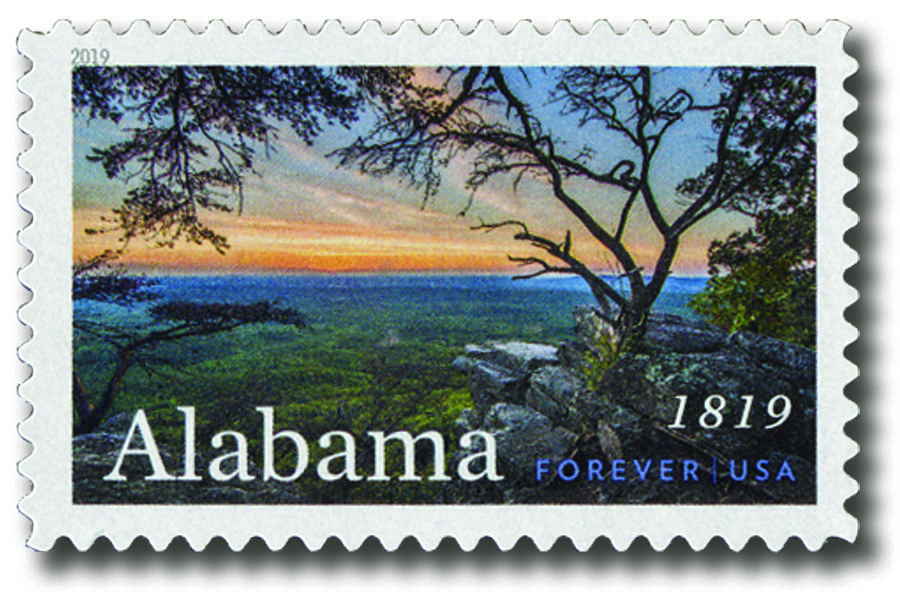
The history of the United States is a rich tapestry woven with tales of exploration, settlement, and the relentless pursuit of progress. Each state contributes a unique thread to this national narrative, and understanding their individual journeys to statehood offers invaluable insights into the nation’s broader development. For those curious about the deep South, one question often arises: “When did Alabama become a state?” The answer marks a pivotal moment in both regional and national history, officially placing Alabama on the map as the 22nd state on December 14, 1819. This significant date not only heralded a new era for the territory but also laid the groundwork for the vibrant culture, diverse landscapes, and compelling historical sites that make Alabama a captivating travel destination today.

Beyond the simple date, the story of Alabama’s statehood is a fascinating journey through indigenous heritage, colonial ambitions, frontier challenges, and the determination of its early settlers. It’s a narrative that shaped its cities, its people, and the very essence of its Southern charm. For any traveler looking to delve into the heart of American history, experience authentic Southern culture, or simply explore breathtaking natural beauty, Alabama offers a wealth of experiences rooted deeply in its past. From exploring antebellum homes in Mobile to retracing the footsteps of the Civil Rights Movement in Montgomery and Birmingham, the state provides a journey through time that is as educational as it is enjoyable. This article will not only explore the historical path to statehood but also connect it to the modern travel opportunities, iconic landmarks, and diverse accommodations that await visitors to the Yellowhammer State.
The Path to Statehood: A Glimpse into Early Alabama
The journey for the land that would become Alabama to achieve statehood was complex, influenced by centuries of indigenous presence, European colonization, and American expansionist policies. Long before it was officially recognized by the United States government, this fertile land was home to numerous Native American tribes, including the Cherokee, Chickasaw, Choctaw, Creek, and Seminole nations, whose ancient pathways and mound sites still exist as powerful landmarks, offering a profound glimpse into a sophisticated pre-colonial history. European powers—Spain, France, and Great Britain—vied for control of the region for centuries, leaving behind a rich legacy of diverse cultural influences, particularly evident in cities like Mobile, which boasts a distinct blend of French, Spanish, and American traditions.
From Territory to State: A Timeline of Transformation
Following the American Revolutionary War, the land encompassing present-day Alabama became part of the newly formed United States. Initially, it was part of the larger Mississippi Territory, established in 1798. The region was a frontier, characterized by dense forests, winding rivers like the Alabama River and Tennessee River, and a sparse but growing population. The early 19th century saw a significant influx of settlers, drawn by the promise of rich agricultural lands, especially suitable for cotton cultivation. This westward migration brought with it both opportunities and conflicts, particularly with the indigenous populations, culminating in events like the Creek War of 1813-1814, which significantly altered the landscape of settlement and land ownership.
By March 3, 1817, the western half of the Mississippi Territory was admitted into the Union as the state of Mississippi, leaving the eastern portion to be organized as the Alabama Territory. St. Stephens, a bustling port town on the Tombigbee River, served as its first territorial capital, a strategic location reflecting the importance of river trade. The population boom continued, fueled by the cotton gin and the demand for land. Within just two years, the territory’s population swelled to over 100,000, far exceeding the threshold typically required for statehood. This rapid growth, combined with a desire for self-governance and direct representation in Congress, propelled the movement towards full statehood.
In 1819, a constitutional convention was held in Huntsville, a thriving northern settlement, to draft the state constitution. Delegates debated key issues, from slavery to infrastructure, laying the legal and political foundations for the future state. Once the constitution was approved, Alabama officially joined the United States on December 14, 1819. Its first capital was established at Cahaba, a planned community at the confluence of the Alabama and Cahaba Rivers, though its location proved problematic due to flooding. The capital later moved to Tuscaloosa and finally to Montgomery in 1846, where it has remained ever since. These shifts in capital reflect the dynamic growth and evolving priorities of the young state.
Early Settlers and Cultural Tapestry
The early settlers of Alabama were a diverse group. Beyond the indigenous nations who had stewarded the land for millennia, the territory attracted American pioneers from older states like Georgia, the Carolinas, and Virginia, seeking new opportunities. French and Spanish colonial influences remained strong in the southern part of the state, particularly in Mobile, which retains a unique Creole heritage. However, the economic engine of early Alabama was largely driven by the cotton industry, which unfortunately relied heavily on enslaved African people. Their forced labor built much of the state’s early wealth and infrastructure, and their enduring legacy is an integral, albeit painful, part of Alabama’s cultural tapestry, profoundly influencing its music, food, and social structures.
Exploring this complex history is a vital part of any visit to Alabama. Modern tourism initiatives across the state actively work to preserve and interpret these multiple layers of history, offering visitors a deeper understanding of its foundational years. Heritage trails, museum exhibits, and preserved historic districts illuminate the stories of pioneers, planters, enslaved people, and indigenous communities, providing a comprehensive narrative of how Alabama came to be.
Alabama Today: A Treasure Trove for Travelers
From its formative years as a frontier territory to its crucial role in the Civil Rights Movement, Alabama has always been a state of profound historical significance. Today, it stands as a captivating destination for travelers, seamlessly blending its rich past with vibrant present-day attractions, natural wonders, and authentic Southern hospitality. Whether your interest lies in delving into historical narratives, basking on pristine beaches, exploring rugged natural landscapes, or savoring regional culinary delights, Alabama offers an array of experiences that cater to every type of traveler.
Iconic Landmarks and Historical Sites
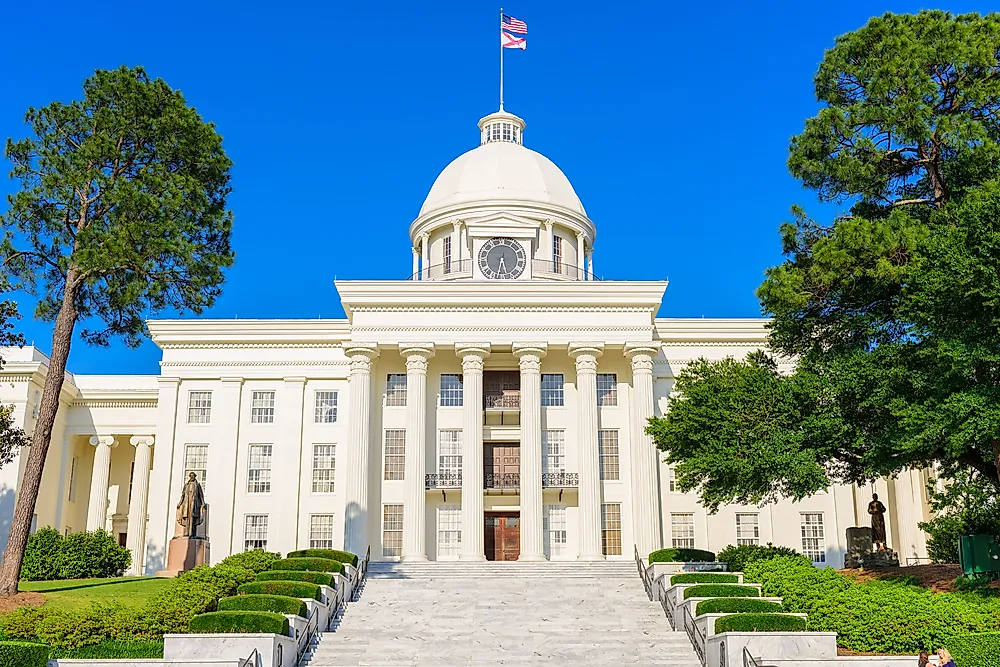
Alabama’s landscape is dotted with landmarks that tell the story of its statehood and beyond. In Montgomery, the state capital, the Alabama State Capitol Building itself is a national historic landmark, the site where the Confederate States of America was formed and where the Selma to Montgomery March concluded. Nearby, the Civil Rights Memorial Center and the Rosa Parks Museum offer poignant and powerful insights into the struggle for equality, drawing visitors from around the globe to witness the places where history was made.
Birmingham, once a major industrial hub, is home to the Birmingham Civil Rights Institute, a crucial stop on the U.S. Civil Rights Trail. Here, visitors can explore interactive exhibits detailing the pivotal events of the movement. Also in Birmingham, Sloss Furnaces National Historic Landmark provides a fascinating glimpse into the state’s industrial past, a stark contrast to its agricultural roots but equally important to its development.
Further north, Huntsville, the site of the constitutional convention, is now known as “Rocket City.” The U.S. Space & Rocket Center is a must-visit attraction, home to one of the largest spaceflight museums in the world and offering an inspiring look into humanity’s quest to explore the cosmos. Down on the Gulf Coast, Mobile boasts the historic district of Dauphin Street with its charming architecture, and the impressive USS Alabama Battleship Memorial Park, where visitors can explore a WWII battleship, a submarine, and various aircraft. These landmarks are not just static exhibits; they are living testaments to Alabama’s multifaceted story, inviting travelers to engage directly with history.
Beyond History: Nature, Adventure, and Southern Charm
While history forms the backbone of Alabama’s appeal, the state also offers a diverse range of natural attractions and outdoor adventures. The pristine white sands and emerald waters of the Gulf Shores and Orange Beach region provide a perfect escape for beach lovers, offering everything from fishing charters and dolphin cruises to family-friendly activities and vibrant nightlife. Dauphin Island, a barrier island, is a haven for birdwatchers and offers a more tranquil coastal experience.
Inland, the state is crisscrossed with scenic drives, hiking trails, and abundant opportunities for fishing and boating. The Talladega National Forest and numerous state parks like Cheaha State Park, home to Alabama’s highest point, offer breathtaking vistas and outdoor recreation. For motorsports enthusiasts, the Talladega Superspeedway is an iconic destination, hosting thrilling NASCAR races.
Alabama’s local culture is another significant draw. Its Southern charm is evident in its delicious food—from classic barbecue and fresh Gulf seafood to traditional soul food and innovative farm-to-table restaurants. The state also has a vibrant music scene, particularly in genres like blues, country, and gospel, with places like Muscle Shoals holding legendary status in music history for its iconic recording studios. Festivals celebrating everything from peanuts to jazz populate the calendar, providing immersive experiences into the state’s unique character and welcoming spirit.
Planning Your Alabama Getaway: Accommodation and Lifestyle
Embarking on an Alabama adventure requires thoughtful planning, especially concerning where to stay and how to tailor your trip to your preferred travel lifestyle. The state’s diverse landscapes and urban centers offer a wide spectrum of accommodations, ensuring every visitor finds their ideal temporary home, whether seeking luxury, budget-friendliness, or something uniquely Alabama.
Where to Stay: Hotels, Resorts, and Unique Accommodations
Alabama’s accommodation scene is as varied as its attractions. In major cities like Birmingham, Montgomery, and Mobile, you’ll find a range of modern hotels, from internationally recognized brands offering suites with premium amenities to boutique hotels housed in historic buildings, reflecting the local culture. For instance, a stay at the Grand Hotel Golf Resort & Spa in Point Clear offers a taste of luxury with its historic charm and Mobile Bay views, complete with championship golf courses and exquisite dining. Meanwhile, a hotel like the Battle House Renaissance Mobile Hotel & Spa combines historic elegance with modern comforts, perfect for travelers seeking a sophisticated experience in the heart of Mobile.
Along the Gulf Coast in Gulf Shores and Orange Beach, resorts and apartment rentals dominate, providing spacious accommodations ideal for family trips or longer stays. Many beachfront properties, such as the Turquoise Place Resort, offer full kitchens, multiple bedrooms, and direct beach access, catering to those who desire a home-away-from-home experience. For those seeking unique stays, bed and breakfasts in charming towns like Fairhope offer personalized service and a cozy atmosphere. Even rustic cabins in state parks or glamping sites provide an opportunity to immerse oneself in nature without sacrificing comfort. Online booking platforms are invaluable tools for comparing prices, reading reviews, and securing the perfect lodging that fits your travel plans and budget.
Lifestyle Travel: Crafting Your Ideal Alabama Experience
Alabama truly caters to a spectrum of lifestyle travel preferences.
Luxury Travel can be found in the upscale resorts along the Gulf Coast, exclusive golf communities, or high-end boutique hotels in urban centers, often featuring spas, gourmet dining, and concierge services. Imagine unwinding at a resort after a day of exploring historical landmarks or enjoying a round of golf with stunning natural backdrops.
For Budget Travelers, Alabama offers numerous affordable options, including well-maintained campgrounds in state parks, cost-effective hotel chains, and charming inns that provide excellent value without compromising on comfort or location. Many attractions also offer free admission or discounted rates, making it possible to experience the state’s rich culture and history without breaking the bank.
Family Trips to Alabama are especially rewarding. Beyond the beaches of Gulf Shores and Orange Beach, which are replete with kid-friendly activities, destinations like the U.S. Space & Rocket Center in Huntsville and the Birmingham Zoo provide educational and entertaining experiences for all ages. Many hotels and resorts are specifically designed with families in mind, offering amenities like kids’ clubs, swimming pools, and spacious family suites.
Business Stays are well-accommodated in Alabama’s larger cities. Birmingham, Montgomery, and Huntsville boast convention centers and hotels equipped with business amenities, high-speed internet, and meeting spaces. For those combining work with leisure, these cities also offer accessible attractions and dining options for evening entertainment.
Regardless of your travel style, a successful trip to Alabama benefits from advanced booking, especially during peak seasons or major events like college football games or Mardi Gras in Mobile. Utilizing online comparison tools for hotels and flights can yield significant savings and ensure you secure the best possible experience for your journey through this historic and beautiful Southern state.
In conclusion, Alabama’s journey to statehood on December 14, 1819, set the stage for a state rich in history, culture, and natural beauty. From the solemn weight of its Civil Rights heritage to the joyous revelry of its Gulf Coast beaches, and from its pioneering spirit to its space-age innovation, Alabama offers a profoundly engaging experience for every traveler. Its diverse accommodation options and customizable lifestyle experiences ensure that whether you seek a deep dive into American history, a relaxing beach vacation, or an adventurous outdoor escape, Alabama is ready to welcome you with open arms and true Southern hospitality.
LifeOutOfTheBox is a participant in the Amazon Services LLC Associates Program, an affiliate advertising program designed to provide a means for sites to earn advertising fees by advertising and linking to Amazon.com. Amazon, the Amazon logo, AmazonSupply, and the AmazonSupply logo are trademarks of Amazon.com, Inc. or its affiliates. As an Amazon Associate we earn affiliate commissions from qualifying purchases.