
Navigating the intricacies of purchasing a vehicle in the Lone Star State often involves understanding a crucial component of the transaction: sales tax. This tax, levied by the state and often supplemented by local entities, directly impacts the total cost of acquiring a new or used car, truck, or motorcycle. For residents and even those planning to register a vehicle in Texas, a clear grasp of these tax implications is essential for budgeting and avoiding unexpected expenses. This guide delves into the specifics of Texas vehicle sales tax, exploring its rates, how it’s calculated, and what exemptions or credits might apply, ensuring a smoother and more informed vehicle acquisition process.

Understanding Texas Vehicle Sales Tax Rates
The foundation of Texas vehicle sales tax lies in state-level legislation, which sets a base rate. This rate is then subject to potential increases through local taxation, creating a variable tax burden depending on the specific location of purchase and registration.
State Sales Tax
The state of Texas imposes a statewide sales tax on the purchase of motor vehicles. This tax is applied to the sales price of the vehicle and is a significant factor in the overall cost of ownership. The current state sales tax rate is 6.25%. This rate applies to most retail sales within Texas, including vehicles. When purchasing a vehicle, this percentage is calculated based on the taxable value of the vehicle.
Local Sales Tax
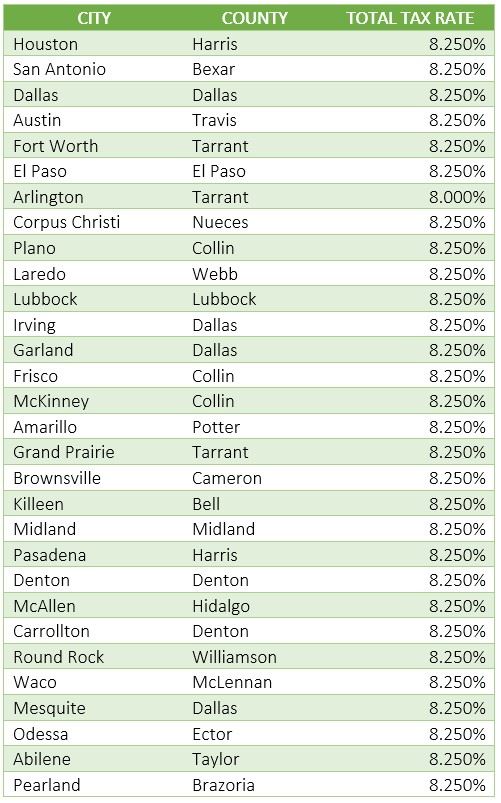
Beyond the state’s 6.25%, local taxing authorities—cities, counties, and special districts—have the ability to impose their own sales taxes. These local taxes are added on top of the state sales tax, leading to a combined rate that can vary considerably across different parts of Texas.
- City and County Taxes: Cities and counties can levy sales taxes at varying percentages. For instance, a city might have a 1% local sales tax, while a neighboring county has a different rate.
- Special Districts: In some areas, special districts, such as those for transportation or parks, may also impose a small sales tax.
- Combined Rate: The total sales tax rate a buyer will pay is the sum of the state rate and all applicable local and district rates. The maximum combined sales tax rate in Texas is 8.25%. This means that in some jurisdictions, you could pay up to 2% in local taxes in addition to the state’s 6.25%.
It is crucial for prospective vehicle buyers to determine the exact sales tax rate in the specific jurisdiction where they intend to register the vehicle, as this is typically where the tax will be collected, even if the purchase is made elsewhere. The Texas Department of Motor Vehicles (DMV) often works in conjunction with the Comptroller of Public Accounts to ensure these taxes are correctly assessed and collected.
Calculating Vehicle Sales Tax
Determining the precise amount of sales tax owed on a vehicle purchase in Texas involves understanding the taxable value and applying the appropriate combined sales tax rate.
Taxable Value
The sales tax is generally calculated on the full purchase price of the vehicle. However, there are nuances, especially concerning trade-ins and certain fees.
- Purchase Price: The gross purchase price is the starting point for tax calculation.
- Trade-Ins: In Texas, if you trade in your old vehicle towards the purchase of a new one, the sales tax is calculated on the difference between the purchase price of the new vehicle and the value of your trade-in. This is a significant benefit, as it reduces the overall taxable amount. For example, if you buy a car for $30,000 and trade in your old car for $10,000, you will only pay sales tax on $20,000.
- Exclusions: Certain fees associated with vehicle purchase may not be taxable. These can include temporary tags, registration fees, and sometimes even documentation fees, though this can vary by dealership and locality. It’s always advisable to clarify with the dealership which fees are subject to sales tax.
Application of Tax Rate
Once the taxable value is determined, the combined sales tax rate for the vehicle’s registration jurisdiction is applied.
- Formula: Taxable Value × Combined Sales Tax Rate = Sales Tax Owed.
- Example: If the taxable value of a vehicle after a trade-in is $20,000, and the combined sales tax rate in the buyer’s county is 7.25%, the sales tax would be $20,000 × 0.0725 = $1,450.
The collected sales tax is then remitted to the state and local authorities. This revenue is vital for funding various public services across Texas, including infrastructure, education, and public safety initiatives.
Exemptions and Credits
While sales tax is a standard requirement, certain situations and types of buyers may be eligible for exemptions or credits, reducing the financial burden of vehicle acquisition.
Exemptions for Specific Buyers and Vehicles
Texas law provides specific exemptions for certain individuals and entities.
- Government Entities: Vehicles purchased by federal, state, and local government agencies are typically exempt from sales tax.
- Non-Profits: Certain qualified non-profit organizations may also be eligible for sales tax exemptions on vehicle purchases used for their charitable purposes. Proper documentation and approval are usually required.
- Diplomatic Personnel: Foreign diplomats and consular officers may be exempt from sales tax under specific international agreements.
- Disabled Veterans: Texas offers a sales tax exemption on the purchase of a motor vehicle for qualifying disabled veterans. The veteran must have a disability rating of 60% or more, or be rated as 100% disabled due to a service-connected disability or unemployability. They are allowed one exemption every four years.
Sales Tax Credits for Out-of-State Purchases
For residents who purchase a vehicle outside of Texas and then bring it into the state for registration, there are provisions to avoid double taxation.
- Credit for Out-of-State Taxes Paid: If you purchase a vehicle in another state and pay sales tax or use tax in that state, you may receive a credit for the amount of tax paid when you register the vehicle in Texas. The credit is limited to the amount of Texas sales tax that would have been due on the purchase. This prevents residents from paying sales tax twice on the same vehicle.
- Use Tax: If no sales tax was paid in the state of purchase, Texas imposes a “use tax” at the same rate as sales tax on vehicles brought into the state. This ensures that vehicles registered in Texas contribute to the state’s tax revenue, regardless of where they were initially purchased.
Navigating these exemptions and credits requires careful attention to detail and proper documentation. It is recommended to consult with the Texas Department of Motor Vehicles (DMV) or the Texas Comptroller of Public Accounts for the most current and specific eligibility requirements.
Registration and Tax Collection
The process of registering a vehicle in Texas is intrinsically linked to the assessment and collection of sales tax. This ensures that all vehicles operating legally on Texas roadways contribute their fair share to state and local revenue.
Role of the County Tax Assessor-Collector
When you purchase a vehicle, whether new or used, from a dealership or a private seller, you will eventually need to register it with the Texas Department of Motor Vehicles (DMV). The actual collection of sales tax and registration fees is typically handled by the County Tax Assessor-Collector’s office in the county where the vehicle will be registered.
- Title Application: As part of the title application process, you will provide proof of purchase and pay the applicable sales tax.
- Documentation: You will need to present a signed title, a bill of sale, and other relevant documents. For vehicles purchased from a dealership, the dealer often handles the initial paperwork and tax collection. For private sales, the buyer is responsible for ensuring taxes are paid at the county tax office.
- Calculating Tax for Private Sales: For private sales, the tax is usually based on the “appraised value” of the vehicle if the sale price appears to be significantly below market value. However, if the buyer provides a bill of sale showing they paid a certain amount, and the county appraiser agrees that this price is reasonable, the tax will be based on the actual sale price. If the sale price is unusually low (e.g., a gift or a sale to a family member below market value), the county appraiser will determine the taxable value based on industry guides and local market conditions.
Payment and Proof of Payment
It is imperative to pay the correct amount of sales tax to complete the vehicle registration process.
- Timeliness: There are deadlines for registering a vehicle and paying the associated taxes after purchase. Failure to meet these deadlines can result in penalties and late fees.
- Proof of Payment: Upon payment of sales tax, you will receive a receipt or confirmation. This proof of payment is necessary for obtaining your vehicle’s license plates and registration sticker.
- “Out-of-State” Credit Verification: If you are claiming a credit for taxes paid in another state, you will need to provide documentation from that state, such as a receipt or certificate, to verify the amount paid. The County Tax Assessor-Collector’s office will then apply this credit to your Texas tax liability.
Understanding the mechanics of tax collection through the registration process ensures that every vehicle owner in Texas is compliant with state and local tax laws, contributing to the maintenance and improvement of the state’s infrastructure and public services.
Frequent Questions and Important Considerations
Acquiring a vehicle in Texas often prompts various questions regarding sales tax. Addressing these common queries can further clarify the process and prevent potential misunderstandings.
What is the difference between sales tax and use tax on vehicles?
Sales tax is paid when a vehicle is purchased from a retailer (like a dealership) within Texas. Use tax is paid on a vehicle purchased outside of Texas but brought into the state for use or registration. The rate for use tax is the same as the state and local sales tax rate. Essentially, use tax ensures that Texas receives tax revenue on vehicles used within its borders, even if they were not purchased there.
Can I avoid paying sales tax on a vehicle in Texas?
Generally, no. Sales tax is a mandatory component of vehicle purchases unless a specific exemption applies, such as those for government entities, certain non-profits, or qualifying disabled veterans. Gifts between immediate family members may also have specific rules regarding taxation, but typically, a sale requires tax payment.
What happens if I buy a vehicle online from out of state?
If you purchase a vehicle online from an out-of-state seller, you will likely be subject to Texas use tax when you register the vehicle. The seller may or may not collect Texas sales tax at the time of sale. If they do not, you are responsible for paying the use tax to the Texas DMV or County Tax Assessor-Collector when you register the vehicle. If you paid sales tax in the state of purchase, you may be eligible for a credit in Texas.
How does the Texas DMV handle sales tax on private party sales?
For private party sales, the buyer is responsible for paying sales tax. This is typically done when applying for a new title and registration at the County Tax Assessor-Collector’s office. The tax is calculated on the actual sale price documented on the bill of sale. However, if the Comptroller’s office believes the sale price is significantly lower than the vehicle’s market value, they may appraise the vehicle and assess tax based on that appraised value.
Are there any incentives or programs that reduce the tax burden on electric vehicles in Texas?
While Texas has not historically offered widespread state-level sales tax exemptions specifically for electric vehicles (EVs) similar to some other states, incentives can come in various forms. Some municipalities or utility companies might offer rebates or credits that indirectly reduce the total cost of ownership, which could include offsetting some tax implications. It is always recommended to research current local incentives and federal tax credits that may apply to EV purchases.
By understanding these nuances and staying informed about current regulations, vehicle buyers in Texas can confidently manage the sales tax aspect of their purchase, ensuring a smooth and legally compliant transaction.
LifeOutOfTheBox is a participant in the Amazon Services LLC Associates Program, an affiliate advertising program designed to provide a means for sites to earn advertising fees by advertising and linking to Amazon.com. Amazon, the Amazon logo, AmazonSupply, and the AmazonSupply logo are trademarks of Amazon.com, Inc. or its affiliates. As an Amazon Associate we earn affiliate commissions from qualifying purchases.