
The question “Who discovered Alaska?” is a fascinating one, laden with layers of history, cultural perspectives, and geographical exploration. While European explorers are often credited with “discovery,” it’s crucial to acknowledge the millennia-long presence of indigenous peoples who were the true original inhabitants and stewards of this vast, diverse land. Understanding Alaska’s origins means delving into ancient migrations, imperial ambitions, and the eventual transfer of a massive territory that would shape the geopolitical landscape of North America.
The Indigenous Legacy: Alaska’s Original Inhabitants
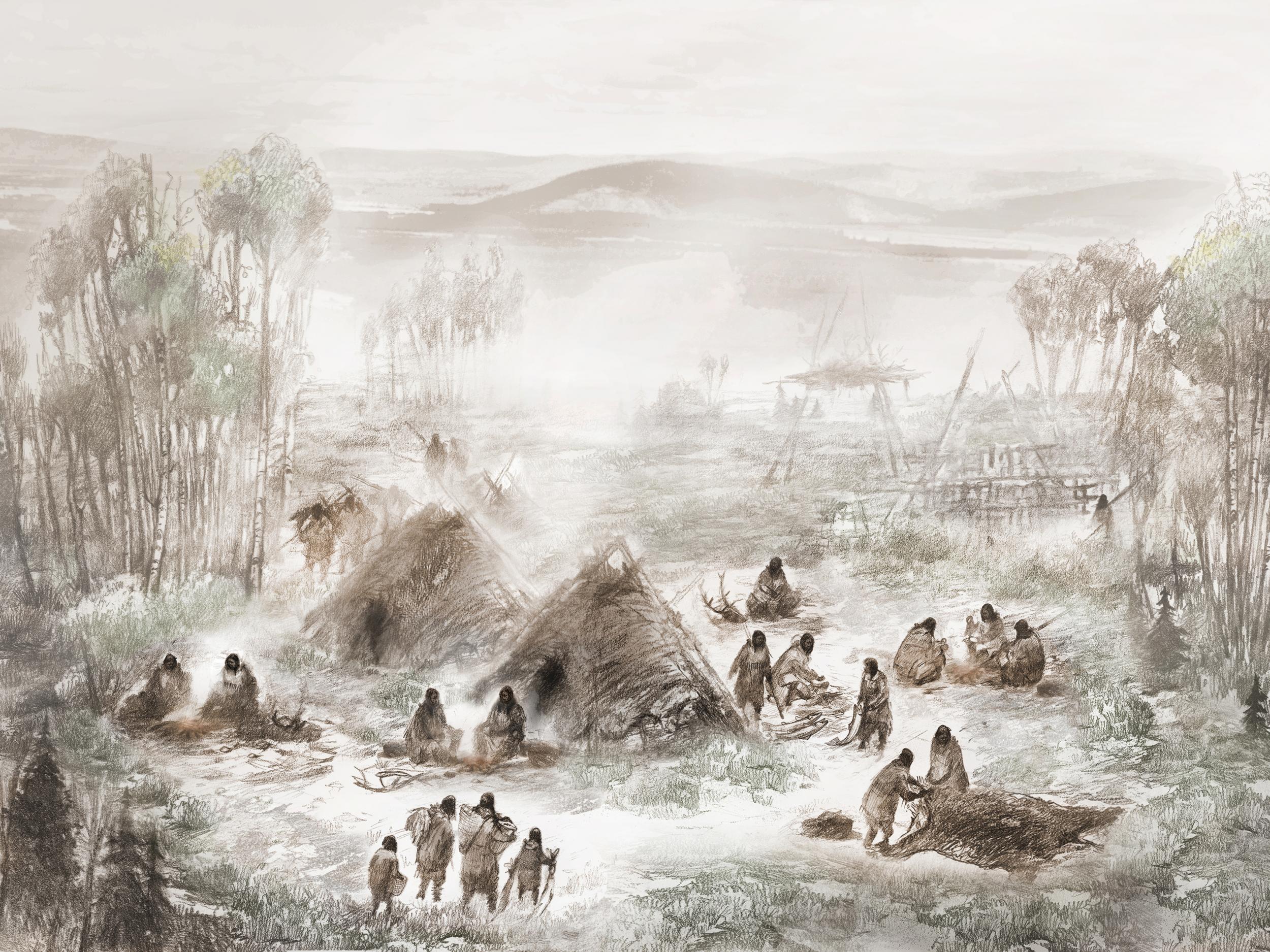
Long before any European vessel touched its shores, Alaska was a vibrant homeland to numerous indigenous cultures. Their ancestors were the true pioneers, traversing ancient land bridges and adapting to the challenging, yet bountiful, environments of the Far North.

Ancient Migrations
The prevailing scientific theory suggests that the first humans arrived in North America via the Bering Strait land bridge, often referred to as Beringia, during the last Ice Age. This land bridge connected what is now Siberia to Alaska. As glaciers advanced and sea levels dropped, a vast, ice-free corridor emerged, allowing ancient nomadic hunter-gatherers to migrate from Asia into the Americas. This process began perhaps as early as 15,000 to 20,000 years ago, if not earlier, making these early settlers the undisputed “discoverers” and first inhabitants of the land.
These early migrants spread across Alaska, eventually giving rise to distinct cultural groups. Their deep knowledge of the land, its wildlife, and its waterways allowed them to thrive in extreme conditions, establishing complex societies, trade routes, and spiritual traditions that endure to this day.
Diverse Cultures and Territories
Alaska’s indigenous population is incredibly diverse, comprising several major groups, each with unique languages, customs, and territories. The Inupiat and Yup’ik peoples inhabit the Arctic and Bering Sea coastal regions, renowned for their whale hunting and ice fishing traditions. The Athabascan groups, including the Koyukon, Gwich’in, and Dena’ina, live in the vast interior, following caribou migrations and utilizing the extensive river systems like the Yukon River. Along the southeastern coast, the Tlingit, Haida, and Tsimshian cultures are known for their rich artistic traditions, cedar longhouses, and intricate totem poles, thriving amidst the temperate rainforests and abundant salmon runs. The Aleut people, or Unangan, have a unique heritage tied to the windswept Aleutian Islands, masters of sea hunting and kayak craftsmanship. Each of these groups meticulously mapped and managed their territories for millennia, embodying a profound connection to the land that predates any foreign influence.
Early European Explorations: Russian Forays
The narrative of “discovery” from a European perspective typically begins in the 18th century, driven by imperial expansion and the quest for new trade routes and resources. The Russian Empire was the first European power to systematically explore and claim parts of Alaska.
Vitus Bering and the Great Northern Expedition
The most prominent figure in the European “discovery” of Alaska is Vitus Bering, a Danish explorer in the service of the Russian Empire. Under the patronage of Peter the Great, and later Empress Anna, Bering led two monumental expeditions, known collectively as the Great Northern Expedition.
His first expedition, from 1725 to 1730, aimed to determine if Asia and North America were connected. While he sailed through the strait that now bears his name (the Bering Strait), fog prevented him from sighting the North American mainland.
It was during his second expedition, the Great Northern Expedition of 1733–1743, that Bering definitively sighted Alaska. On July 16, 1741, aboard the St. Peter, he and his crew sighted Mount Saint Elias, a towering peak on Alaska’s southeastern coast. A second ship in his expedition, the St. Paul, commanded by Alexei Chirikov, sighted land a day earlier, further south. This marked the verifiable European contact with the Alaska mainland. The expedition, though fraught with hardship, including Bering’s death on what is now Bering Island, brought back valuable furs, igniting Russia’s intense interest in the region.
Establishing Russian America

Following Bering’s expedition, Russian fur traders, known as promyshlenniki, flocked to the Aleutian Islands and the southwestern coast of Alaska. They established small trading posts and engaged in the lucrative sea otter fur trade, often at a terrible cost to the indigenous populations who were exploited and subjected to forced labor.
By the late 18th and early 19th centuries, the Russian-American Company, chartered by Tsar Paul I, consolidated Russian control over what became known as Russian America. Its primary headquarters was established at Sitka, then known as New Archangel, which became a significant port and cultural hub. The company engaged in exploration, trade, and even some limited agricultural and industrial ventures, though the fur trade remained paramount. During this period, Russian Orthodox missionaries also arrived, converting many indigenous peoples and leaving a lasting cultural and architectural legacy in communities throughout Alaska.
Shifting Ownership: From Russia to the United States
Despite Russia’s long presence, maintaining control over such a distant and resource-intensive territory proved challenging. Economic difficulties, the logistical nightmare of governing Russian America, and a growing awareness of its strategic vulnerability led to a momentous decision that would forever change the destiny of Alaska.
The Alaska Purchase
The mid-19th century saw Russia facing financial strain after the Crimean War and fearing that Russian America would eventually be seized by Great Britain, a powerful rival with a strong naval presence in the Pacific. The idea of selling the territory to the United States began to gain traction.
On March 30, 1867, United States Secretary of State William H. Seward, under President Andrew Johnson‘s administration, negotiated the purchase of Alaska from Russia for $7.2 million, or approximately two cents per acre. The treaty was signed in the early hours of the morning, marking one of the largest land deals in history.
The purchase was initially met with skepticism and derision by many Americans, who dubbed it “Seward’s Folly” or “Seward’s Icebox,” believing the United States had acquired a frozen wasteland. However, Seward and other proponents foresaw Alaska’s immense strategic value and potential for natural resources. The formal transfer ceremony took place on October 18, 1867, in Sitka, solidifying Alaska’s place as a U.S. territory.
American Exploration and Development
Following the purchase, American exploration of Alaska intensified, driven by prospectors, scientists, and military expeditions. The subsequent decades revealed the territory’s astonishing wealth of resources. The Klondike Gold Rush of the late 1890s, though primarily centered in neighboring Yukon, Canada, brought tens of thousands of prospectors through Alaska and spurred the growth of towns like Skagway and Nome, dramatically increasing interest and investment in the region.
Subsequent discoveries of other precious metals, timber, and eventually vast oil and gas reserves, solidified Alaska’s economic importance. The challenges of developing infrastructure in such a rugged and remote environment led to innovative engineering feats, from the construction of the Alaska Railroad to the Trans-Alaska Pipeline. These efforts further “discovered” and integrated Alaska into the modern American fabric, eventually leading to its statehood in 1959.
The Enduring Spirit of Discovery
The “discovery” of Alaska is not a singular event but a continuous process. From the first footsteps of indigenous ancestors across Beringia to the formal charting by European navigators and the ongoing scientific exploration of its unique ecosystems, each period has added new layers to our understanding of this monumental land.
Modern Perspectives on “Discovery”
Today, when we speak of “discovering” Alaska, the term carries a more nuanced meaning. It encompasses not just the geographical identification by outsiders, but also the profound historical contributions of its native peoples, whose presence defined the land for millennia. It also includes the ongoing exploration of its vast wilderness, its rich biodiversity, and its geological wonders, such as Denali, North America’s highest peak.
For many, “discovering” Alaska is a personal journey—uncovering its natural beauty, understanding its complex history, and appreciating the resilience of its diverse communities. It’s a continuous process of learning and respectful engagement with a land that has always been, and continues to be, a place of profound wonder and untamed majesty. The question of “who discovered Alaska?” ultimately leads to an acknowledgment of multiple discoveries, each significant in shaping the narrative of this extraordinary land.
LifeOutOfTheBox is a participant in the Amazon Services LLC Associates Program, an affiliate advertising program designed to provide a means for sites to earn advertising fees by advertising and linking to Amazon.com. Amazon, the Amazon logo, AmazonSupply, and the AmazonSupply logo are trademarks of Amazon.com, Inc. or its affiliates. As an Amazon Associate we earn affiliate commissions from qualifying purchases.